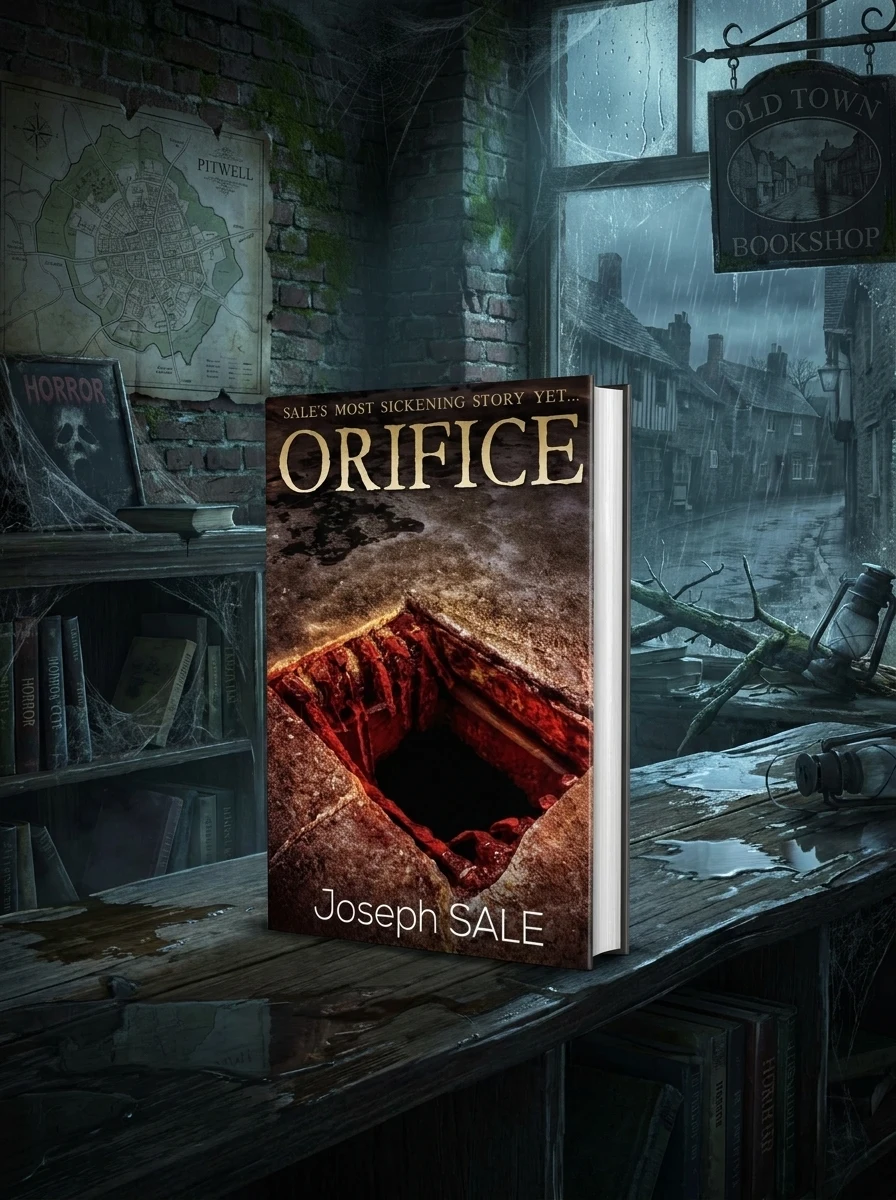
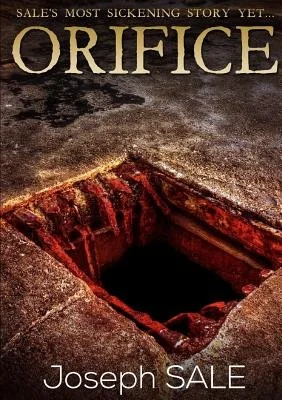
Orifice
A novel about a hostile northern English town trapping four stranded travelers.
The narrative follows four individuals seeking shelter in Pitwell after a severe storm causes flooding. They stay at the only hotel in the area, believing their ordeal is over as conditions improve. The plot shifts when the town decides to reveal its true colors. Sale uses this setting to explore themes of entrapment and sudden violence. The story draws on the tradition of isolated communities hiding dark secrets. It reimagines the creepy town trope for a modern audience through brutal and unsettling imagery. The focus remains on the travelers' helplessness against the environment and the town's inhabitants. This approach creates a sense of inescapable dread that defines the reading experience.
Orifice engages with the long-standing literary tradition of the creepy town, a staple of gothic and supernatural fiction. Sale updates this period-specific fear for the modern era by focusing on immediate physical threat rather than slow-burn mystery. The setting in northern England provides a specific cultural backdrop for isolation.


📝 Description: Orifice
💎 Our verdict on Orifice
📖 Why choose it
Why this book is worth reading
Readers seeking intense psychological tension and atmospheric dread will find this novel compelling. It is designed for those who enjoy confined spaces and the sudden shift from safety to terror. Fans of brutal, unsettling imagery and savage scenes will appreciate the visceral impact. The book appeals to horror enthusiasts who prioritize shock value and inescapable dread over complex character development. Those interested in modern takes on isolated community tropes will find the narrative structure engaging. It offers a stark example of contemporary horror that strips away defenses to leave protagonists vulnerable. This work suits readers who want to experience unpredictable pacing mirroring external chaos.
⭐ Reader reviews
Reader rating
Sale delivers a potent exploration of entrapment through Pitwell’s malevolent influence. The narrative effectively mirrors the unpredictability of the storm with its sudden shift from relief to terror. The use of savage imagery creates an inescapable sense of dread that defines the reading experience. While it may not suit those seeking lighthearted tales, it excels in delivering visceral impact. The isolation of the setting amplifies the psychological tension for the stranded travelers. This approach ensures the reader remains on edge throughout the encounter with the town’s true nature. It stands as a strong example of modern horror prioritizing environmental hostility and sudden violence over traditional plot resolutions.