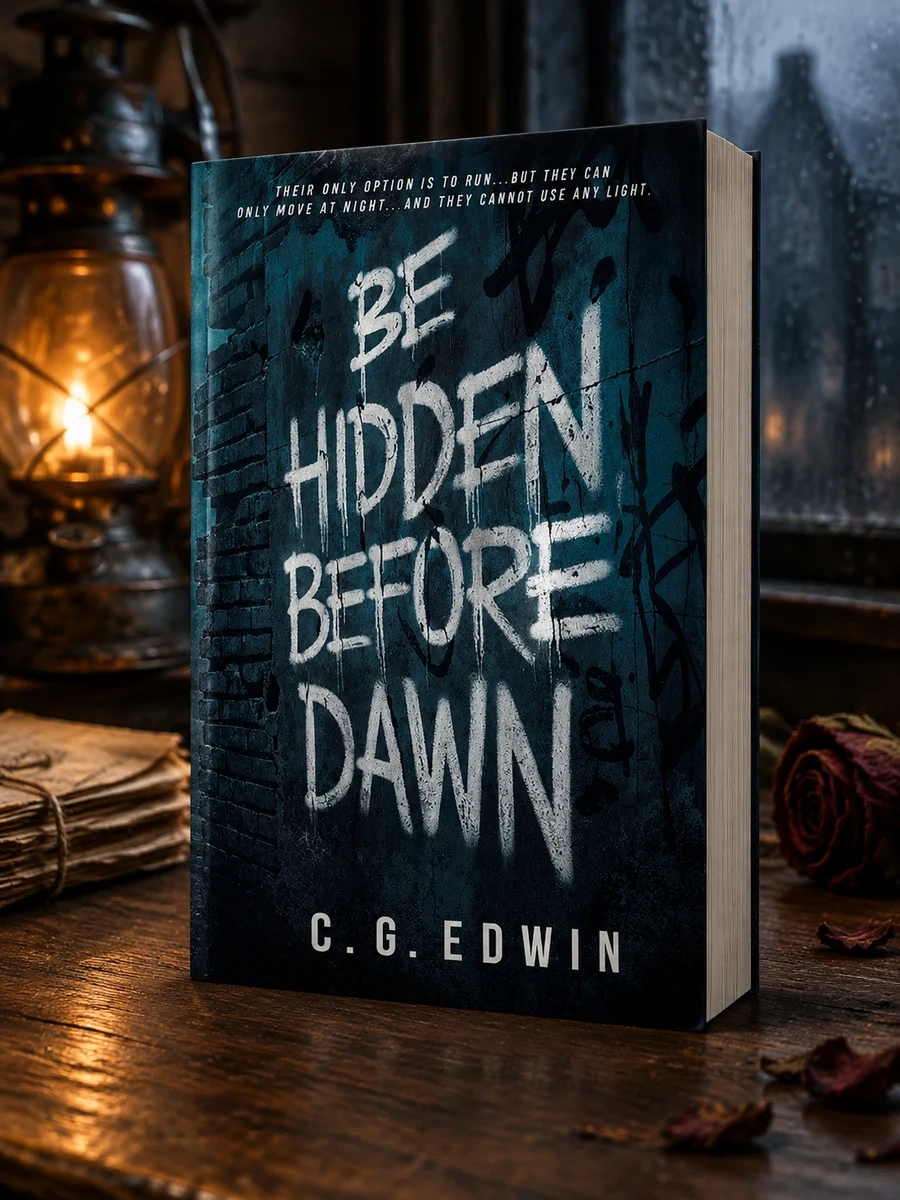
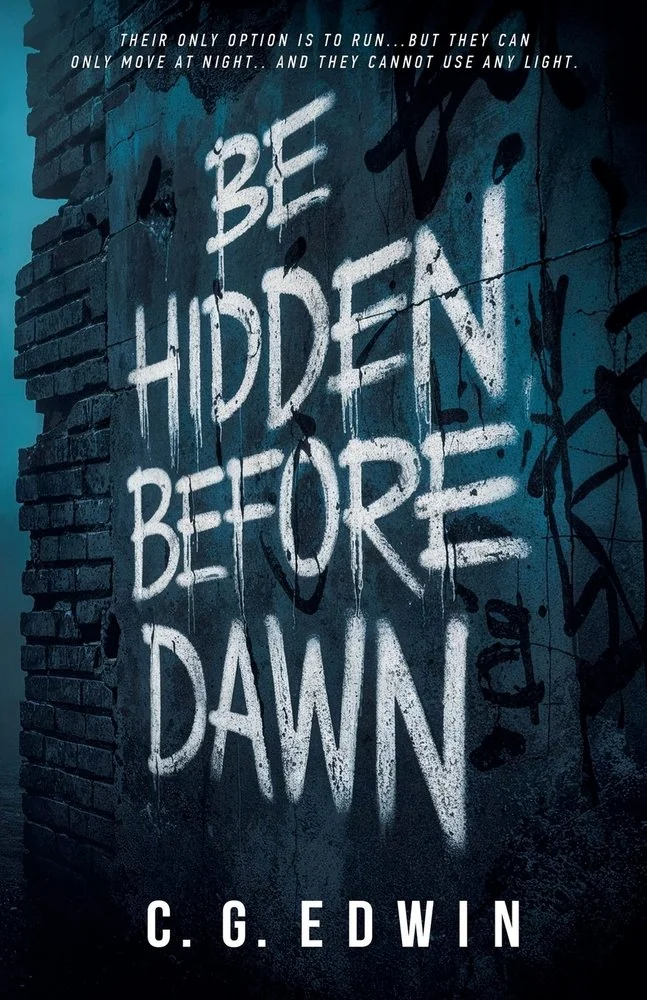
Be Hidden Before Dawn
A study of how evolutionary fear of darkness protects us from monsters in the light.
The author challenges the traditional association of light with safety and darkness with evil. Instead, the text proposes that modern humanity must hide in shadows to survive. This inversion stems from an ancestral need to avoid unseen dangers that were masked by night. The work draws on generational teachings where elders warned the young about these threats. These warnings became ingrained in human biology as a survival instinct. Children gravitate toward light not out of preference but out of a deep-seated need for protection. The book analyzes how this instinct shapes our current cultural understanding of good and evil. It suggests that the monsters we fear are those that walk in the light, making darkness a refuge. This perspective offers a unique take on supernatural fiction tropes by reversing their moral geometry.
The work engages with long-standing cultural narratives about good and evil linked to light and darkness. It draws on ancestral cautionary tales passed down through generations to explain modern instinctual fears. The text situates these beliefs within the context of human survival against unseen threats.


📝 Description: Be Hidden Before Dawn
💎 Our verdict on Be Hidden Before Dawn
📖 Why choose it
Why this book is worth reading
Readers interested in evolutionary psychology and the deconstruction of supernatural tropes will find this analysis compelling. The book offers a unique perspective on why humanity fears the dark, arguing that light actually harbors greater danger. It challenges the moral geometry of good versus evil by suggesting shadows are our true refuge. Those seeking straightforward plot-driven fiction may find the thematic focus abstract, but intellectual horror enthusiasts will appreciate the rigorous examination of genetic memory and ancestral warnings. It invites a reconsideration of cultural fears rather than providing simple answers.
⭐ Reader reviews
Reader rating
Edwin provides a provocative inversion of classic horror motifs, positing that our instinctual dread of darkness is a protective mechanism against unseen threats lurking in illumination. The text successfully bridges biological survival instincts with gothic horror themes, creating a compelling argument for the necessity of shadow. While it lacks narrative drive for those preferring action, its intellectual rigor appeals to readers who enjoy philosophical depth in their terror. The tone is analytical yet unsettling, effectively reframing the night as a sanctuary rather than a source of evil. It is best suited for audiences who appreciate complex, abstract explorations of fear.
You might also like
See more →




Have a question about this item?
Ask about the edition, condition, delivery or anything else — we reply by email or phone, usually within a day.
