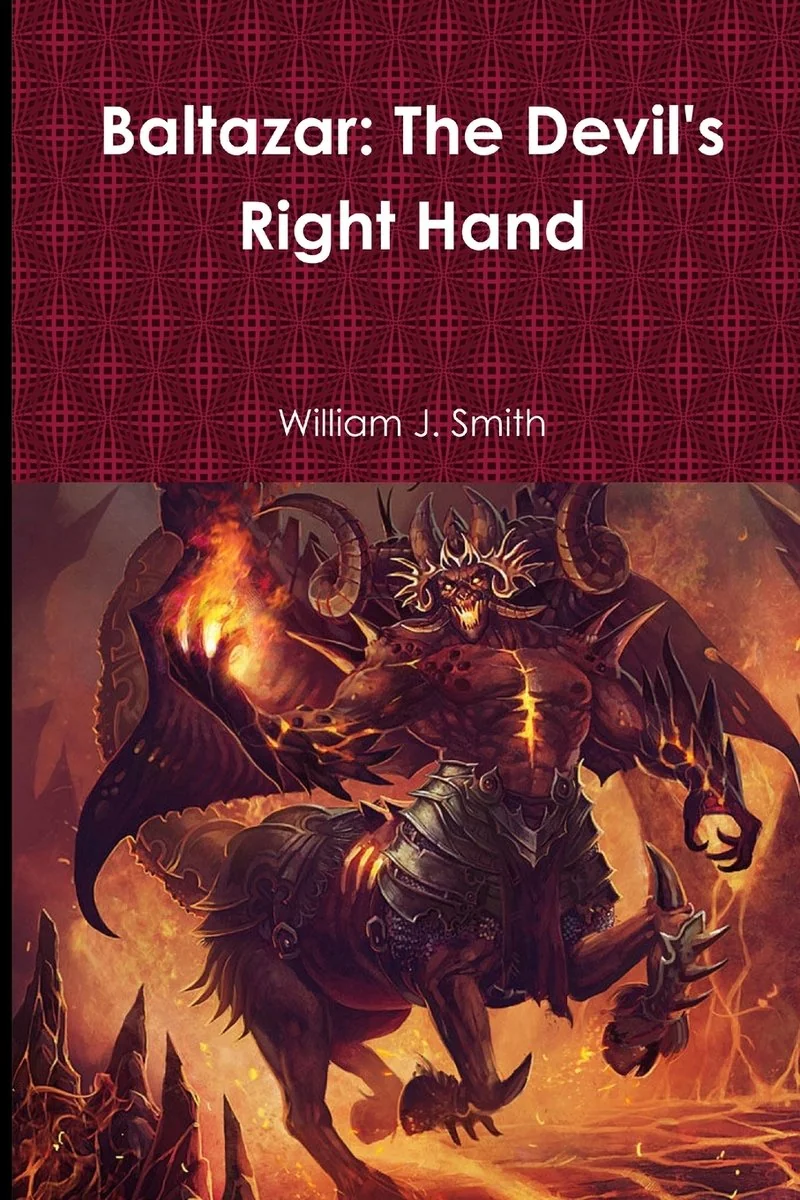
Baltazar: The Devil's Right Hand
A family battles a demonic possession after playing with a Ouija board in their new home.
The Smiths move to Cedarville, Missouri, seeking a fresh start. Their sons find a Ouija board in the basement. William brings friends over to use it. They accidentally summon Baltazar. The demon possesses Carol Anna. The parents must arrange an exorcism before it is too late. The story follows their struggle against this specific evil.
The narrative takes place in Cedarville, Missouri, located just north of Kansas City. It draws on American horror traditions regarding demonic entities and the use of spiritual tools like Ouija boards to bridge the gap between the living world and Hell.


📝 Description: Baltazar: The Devil's Right Hand
💎 Our verdict on Baltazar: The Devil's Right Hand
📖 Why choose it
Why this book is worth reading
Readers who appreciate straightforward, traditional horror narratives will find this book engaging. It is ideal for those who enjoy the specific subgenre of family-centric possession stories, where ancient evils invade domestic spaces. Fans of spiritual intervention tales and the battle for a child's soul will appreciate the focused plot. This work suits audiences seeking a clear race against time to perform a ritual, rather than complex character studies or non-fiction accounts. It offers a direct confrontation with demonic folklore, providing satisfaction through its adherence to classic horror tropes and the immediate threat faced by the protagonists.
⭐ Reader reviews
Reader rating
The narrative effectively establishes a sense of dread as the idealistic setting of Cedarville is corrupted by supernatural forces. The author succeeds in creating tension through the family's desperate attempts to secure an exorcism for the possessed daughter, Carol Anna. By focusing on the immediate threat and the specific evil of Baltazar, the story maintains a tight pace suitable for genre enthusiasts. It best suits readers who favor traditional possession narratives over psychological complexity or non-fiction realism. The reliance on established spiritual warfare tropes provides a familiar yet compelling experience for those who enjoy stories about families confronting ancient evils within their own homes.