At The Mountains Of Madness
A first-person account of a doomed Antarctic expedition led by Dr. Dyer.
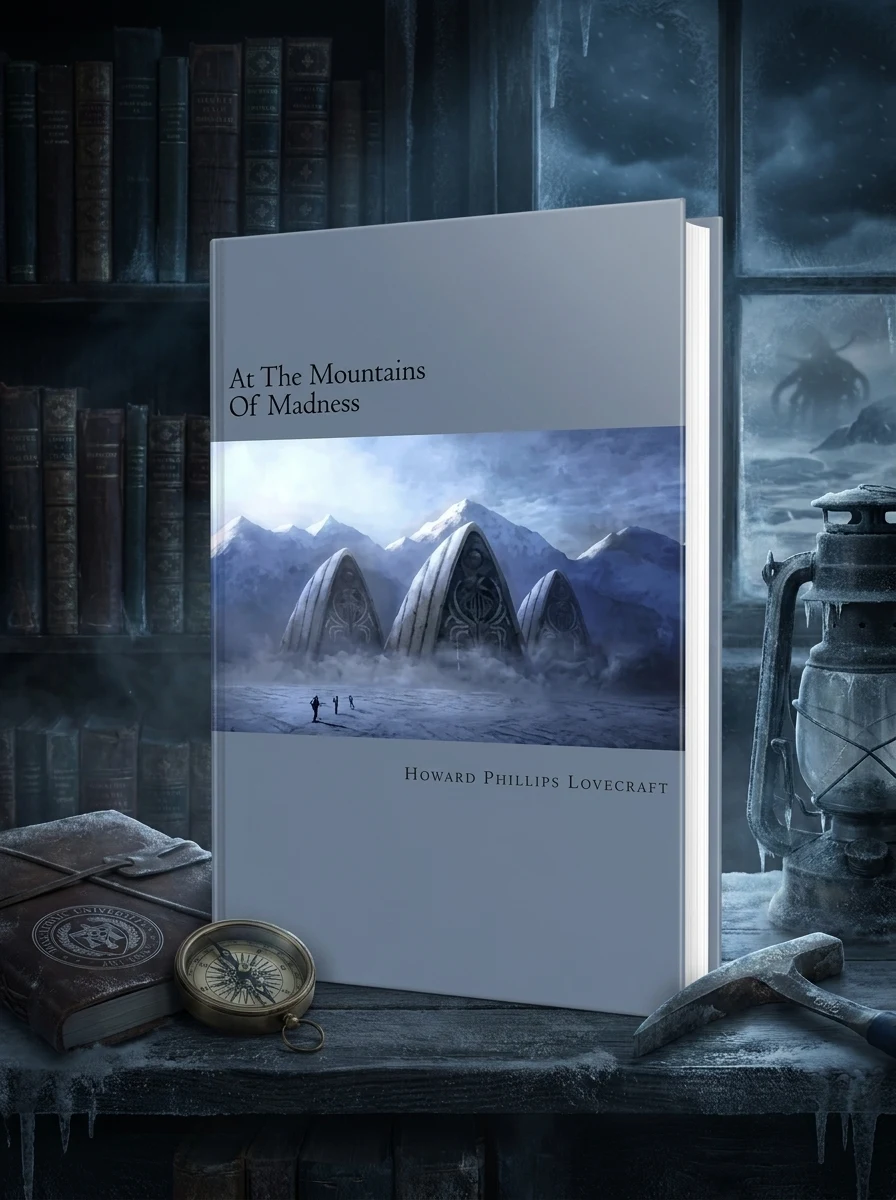
This volume contains the recorded experiences of an exploratory team sent to Antarctica in 1930. Dr. William Dyer, representing Miskatonic University, serves as the primary narrator. He describes the discovery of ancient structures and monstrous creatures buried beneath the ice. The text functions as a warning to future expeditions. It emphasizes the horror of isolation and the fragility of human sanity when faced with incomprehensible truths. The narrative does not offer solutions but rather documents the collapse of the team. It appeals to fans of Lovecraftian fiction who appreciate detailed descriptions of environmental dread and cosmic insignificance.
The story is set in September 1930 during an expedition to the Antarctic continent. It reflects early twentieth-century American interest in polar discovery and the emerging genre of weird fiction centered on Miskatonic University.


📝 Description: At The Mountains Of Madness
💎 Our verdict on At The Mountains Of Madness
📖 Why choose it
Why this book is worth reading
Readers drawn to the psychological and physical toll of isolation will find this narrative deeply resonant. It appeals specifically to those who appreciate detailed descriptions of environmental dread and the fragility of human sanity when confronted with incomprehensible truths. The book offers a coherent story of scientific failure driven by desperate urgency, rather than offering easy solutions or lighthearted adventure. It is ideal for fans of Lovecraftian fiction who value the concept of cosmic insignificance over modern thriller pacing. By focusing on the collapse of a team facing ancient ruins and monstrous creatures, it provides a stark warning about the dangers of encountering the unknown in extreme wilderness settings.
⭐ Reader reviews
Reader rating
The text excels in its first-person structure, allowing Dr. Dyer’s direct testimony to convey the horror of discovery without external analysis. It successfully blends gothic supernatural traditions with the gritty realism of Antarctic exploration, creating a unique atmosphere of scientific failure. The narrative focuses heavily on psychological unraveling rather than plot twists, making it a slow-burn experience for some. This approach suits readers interested in classic American horror and tales of isolated tragedy. However, those seeking fast-paced action or clear resolutions may find the emphasis on despair and inevitable doom frustrating. It remains a faithful presentation of cosmic dread through the lens of polar exploration.
📖 Read on the blog
🏛 Books from this publisher Createspace Independent Publishing Platform








You might also like
See more →





Have a question about this item?
Ask about the edition, condition, delivery or anything else — we reply by email or phone, usually within a day.
