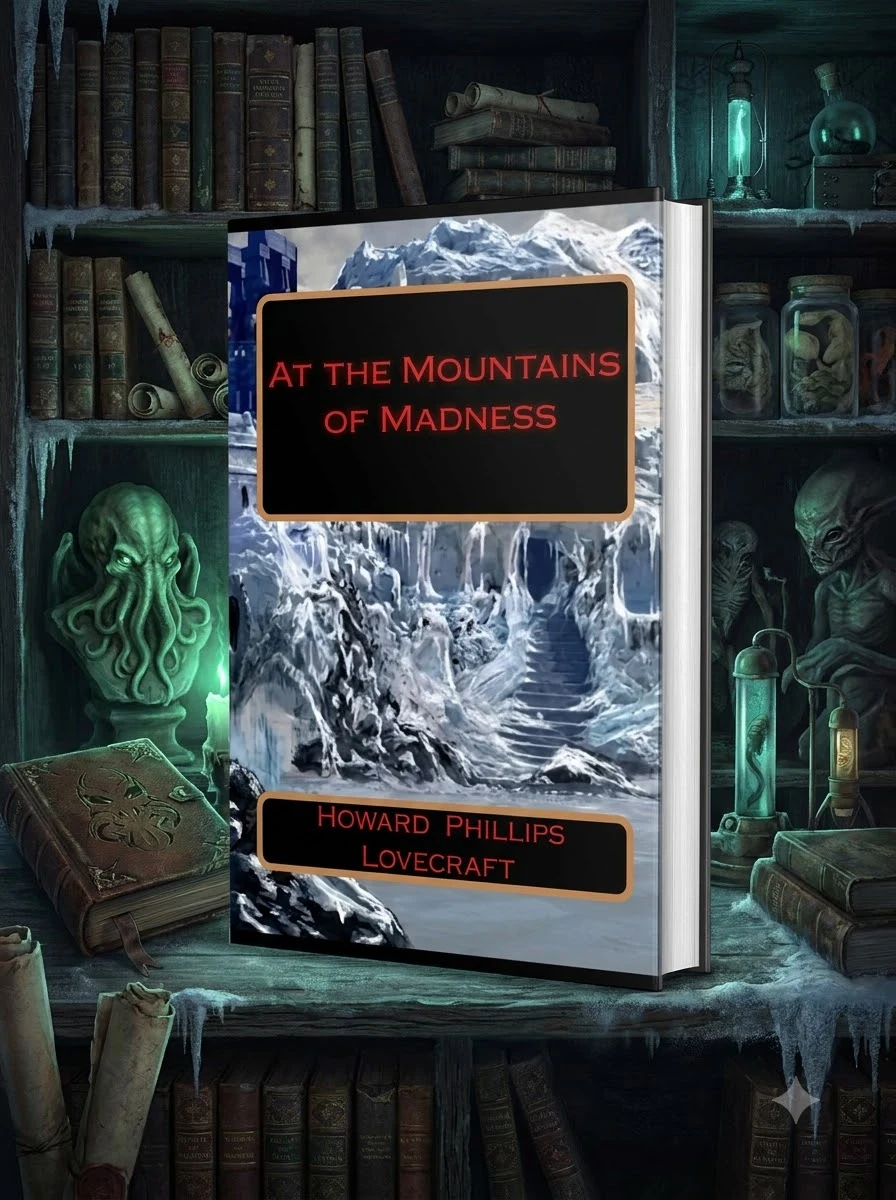
At the Mountains of Madness
Lovecraft's Antarctic expedition uncovers ancient horrors that threaten human sanity.
This piece looks at Howard Phillips Lovecraft's impact as a horror icon. It mentions his development of the Cthulhu Mythos and the fictional Necronomicon book. The text states that he had few fans while alive. Reviewers have criticized his early writing for inconsistent quality and slow pacing. Nevertheless, he remains important to the genre. His legacy continues through cosmic horror, the idea that certain realities are too immense for human minds to grasp without causing madness.
Lovecraft wrote during a period when American fantasy and science fiction were distinct genres. His work emerged before he became a cult figure. The source material notes his limited readership during his lifetime. This context explains why his themes of cosmic pessimism and the insignificance of mankind resonated with later generations of horror enthusiasts.


📝 Description: At the Mountains of Madness
💎 Our verdict on At the Mountains of Madness
📖 Why choose it
Why this book is worth reading
Readers who appreciate early twentieth-century horror and tales where science brings despair will likely gain much from this work. It offers a profound exploration of cosmic pessimism, presenting beings and events that surpass human understanding and endanger the minds of those who witness them. The narrative follows an Antarctic expedition where explorers discover ancient ruins and frightening creatures, upending their views on biology and history. This book is ideal for those interested in the dangers of seeking hidden knowledge and humanity's insignificance against the vast universe. It preserves Lovecraft's mood through gothic and supernatural elements, questioning what humans can truly know. Those looking for quick action or happy endings may find it unsatisfying, but fans of psychological and cosmic terror will find value in its thematic depth.
⭐ Reader reviews
Reader rating
This volume successfully preserves Lovecraft’s atmospheric dread by merging fantasy, terror, and sci-fi to explore cosmic pessimism. The narrative effectively conveys the danger of encountering realities that exceed human comprehension, using an Antarctic expedition as a backdrop for discovering ancient horrors. While reviewers have noted inconsistent quality and slow pacing in his early writing, this work remains important to the genre for its emphasis on humanity's insignificance. It suits readers who enjoy tales where science leads to despair rather than triumph. The book does not shy away from the uncaring cosmos, making it a vital text for understanding the evolution of cosmic horror and the Cthulhu Mythos.
📖 Read on the blog
✍️ More books by this author Howard Phillips Lovecraft
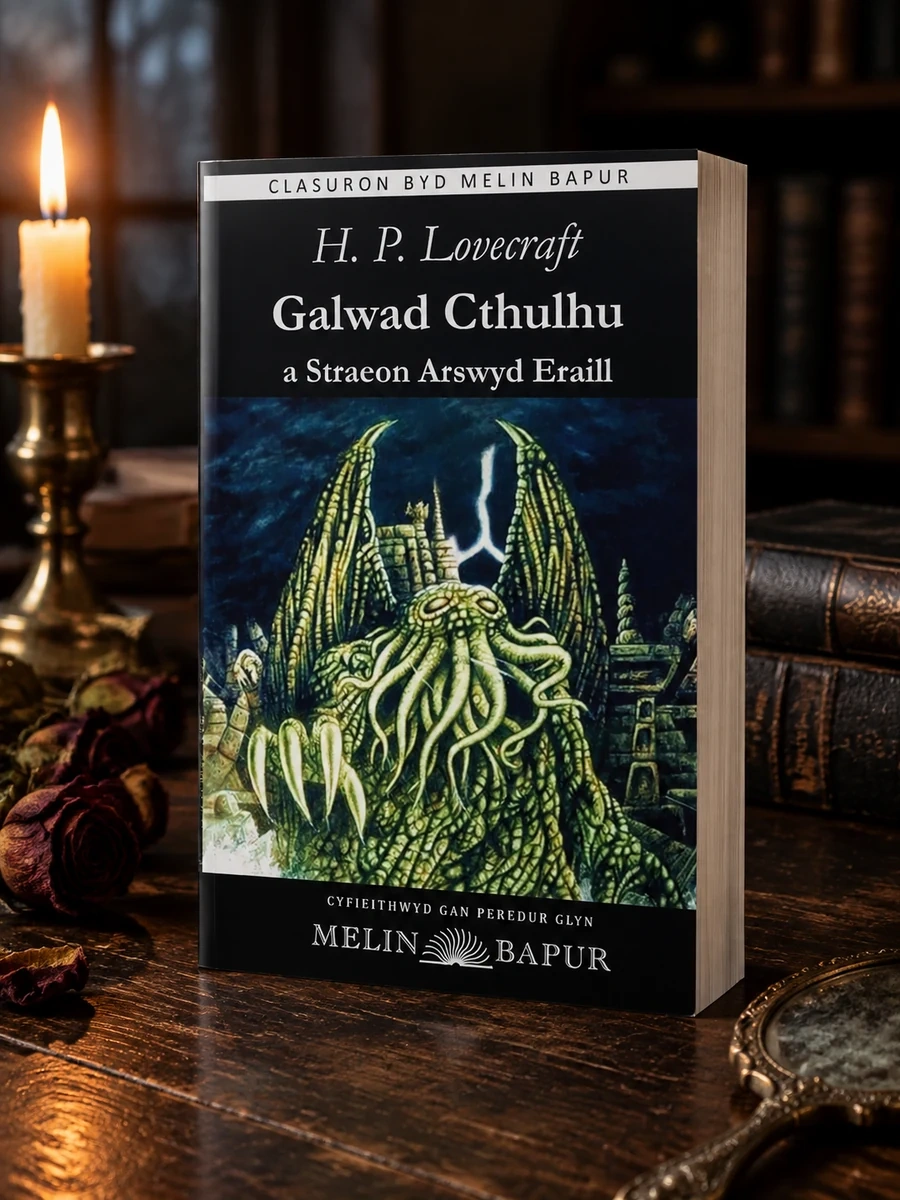



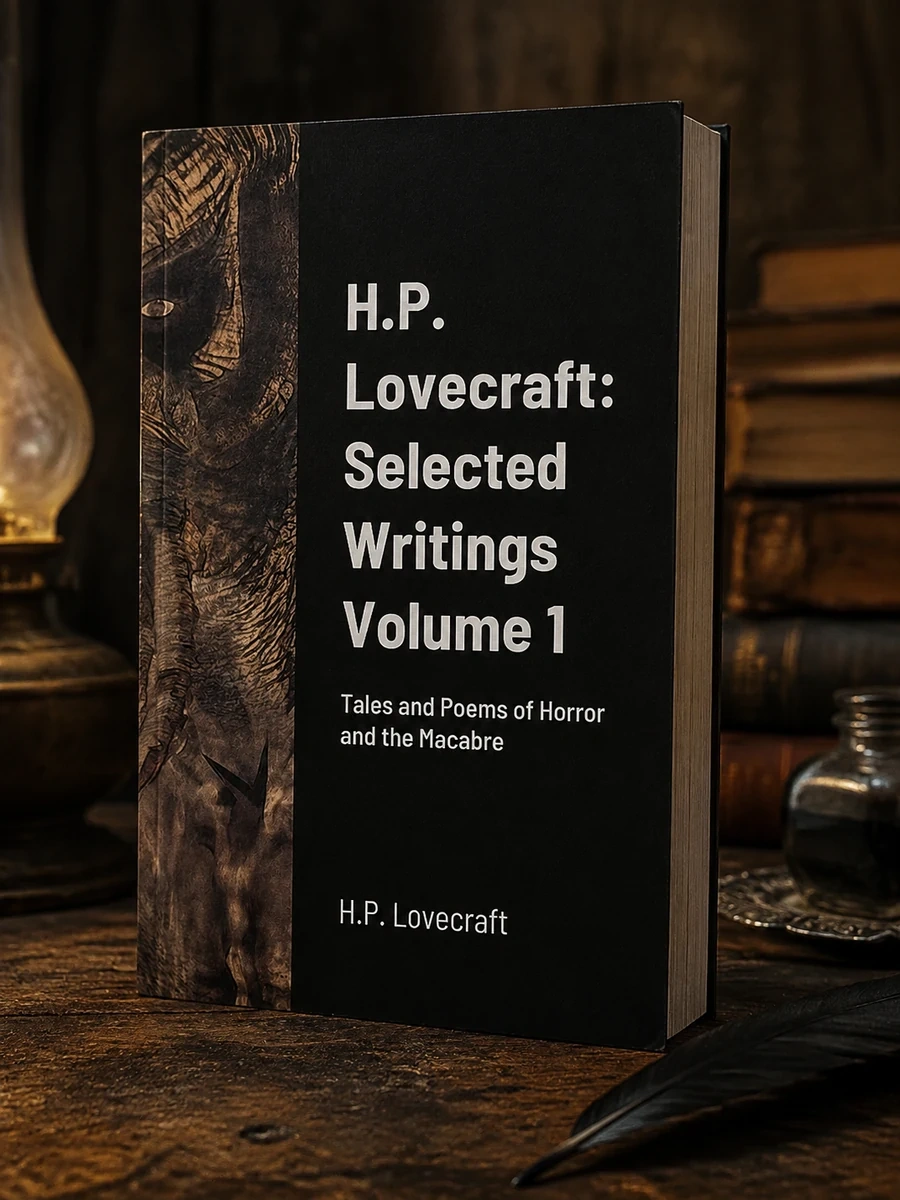

🏛 Books from this publisher Createspace Independent Publishing Platform






You might also like
See more →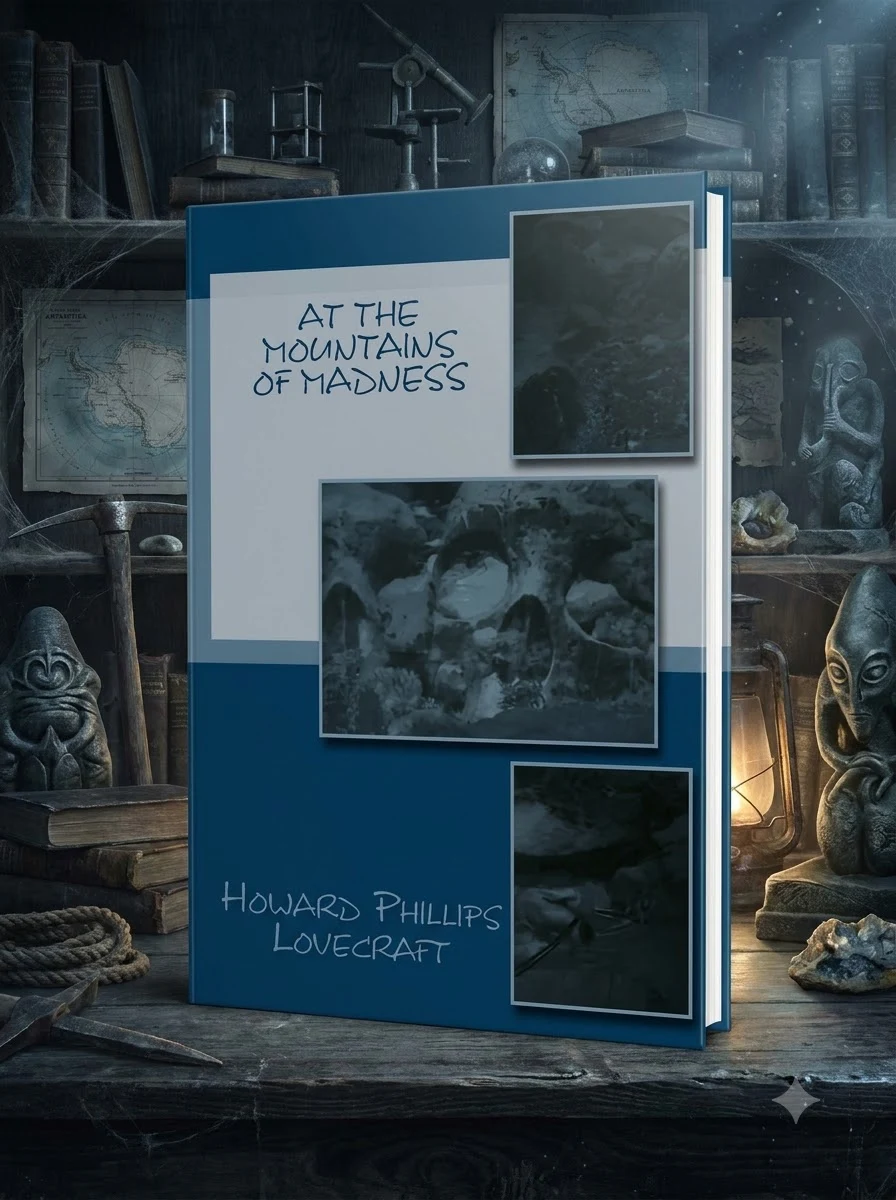





Have a question about this item?
Ask about the edition, condition, delivery or anything else — we reply by email or phone, usually within a day.
