H. P. Lovecraft wrote over 100 stories across five decades, and they're not all equally accessible. Many readers pick up The Call of Cthulhu expecting a straightforward monster tale and instead find themselves adrift in dense mythology, unreliable narrators, and prose that demands patience. Others start with his longest work and burn out halfway through. The result: Lovecraft gets shelved, and the reader assumes cosmic horror isn't for them.
The truth is simpler. Lovecraft's work builds on itself. His early stories are tighter and more atmospheric. His later novellas expand the mythology but assume you already understand his worldview—that humans are insignificant, that knowledge is dangerous, and that reality is far stranger than we admit. Start in the right place, and you'll understand why Lovecraft shaped modern horror. Start in the wrong place, and you'll wonder what the fuss is about.
This guide orders nine essential Lovecraft stories by accessibility and cosmic horror intensity. Read them in this sequence, and you'll move naturally from atmospheric dread to full Cthulhu Mythos immersion. You'll also see how his ideas evolved and interconnect—the foundation for everything that follows.
Start Here: Atmospheric Dread (Stories 1–3)
These three stories are Lovecraft's most readable entry points. They're short, they move with purpose, and they establish his core obsessions without requiring prior knowledge. Each one works as a standalone tale but also hints at the larger mythology to come.
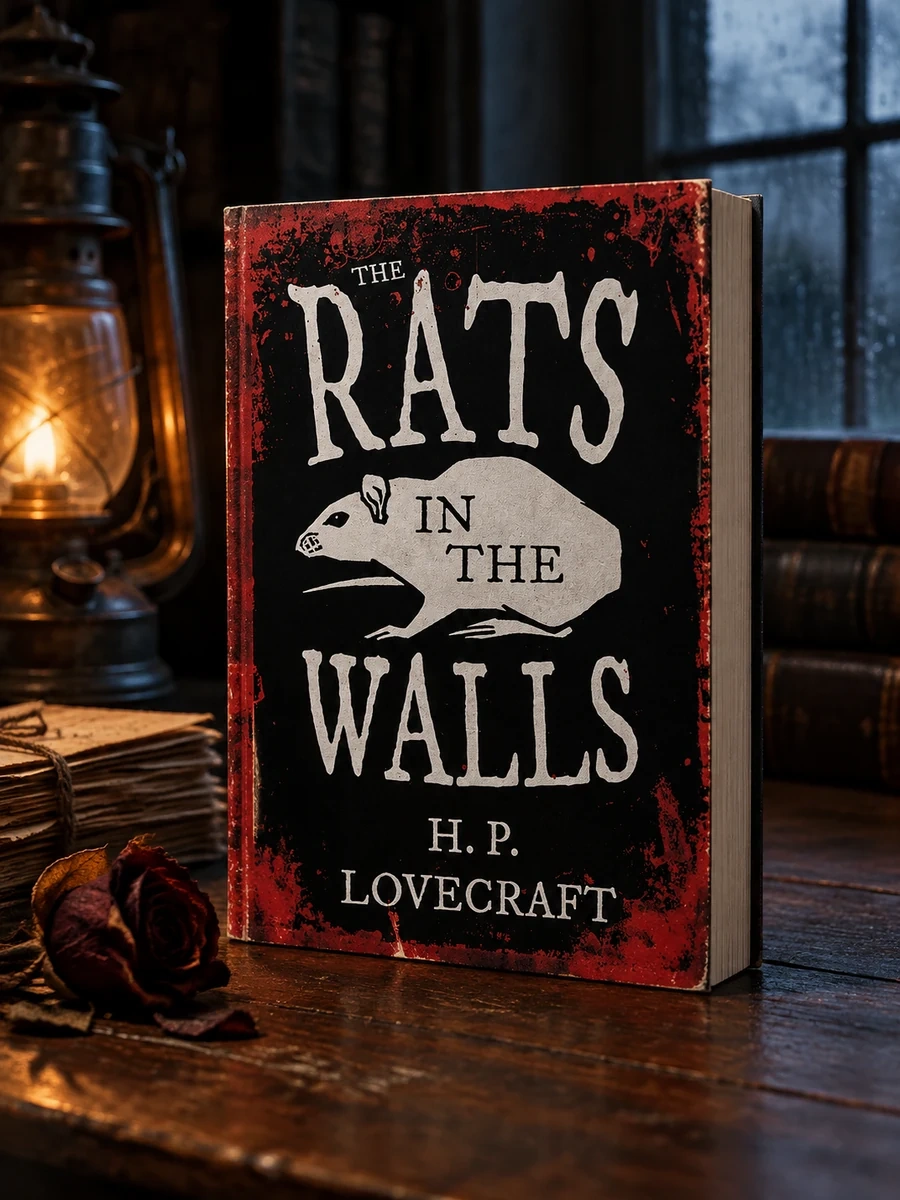
1. The Rats in the Walls — H. P. Lovecraft
The Rats in the Walls is Lovecraft's most accessible story and the perfect entry point. A man inherits an ancestral home and begins hearing disturbing sounds in the walls. The pacing is brisk, the narrator is sympathetic, and the horror escalates logically from mundane to cosmic. You'll finish this in one sitting and immediately understand why Lovecraft matters. It's also short enough to read in an afternoon, which matters when you're testing whether cosmic horror appeals to you.
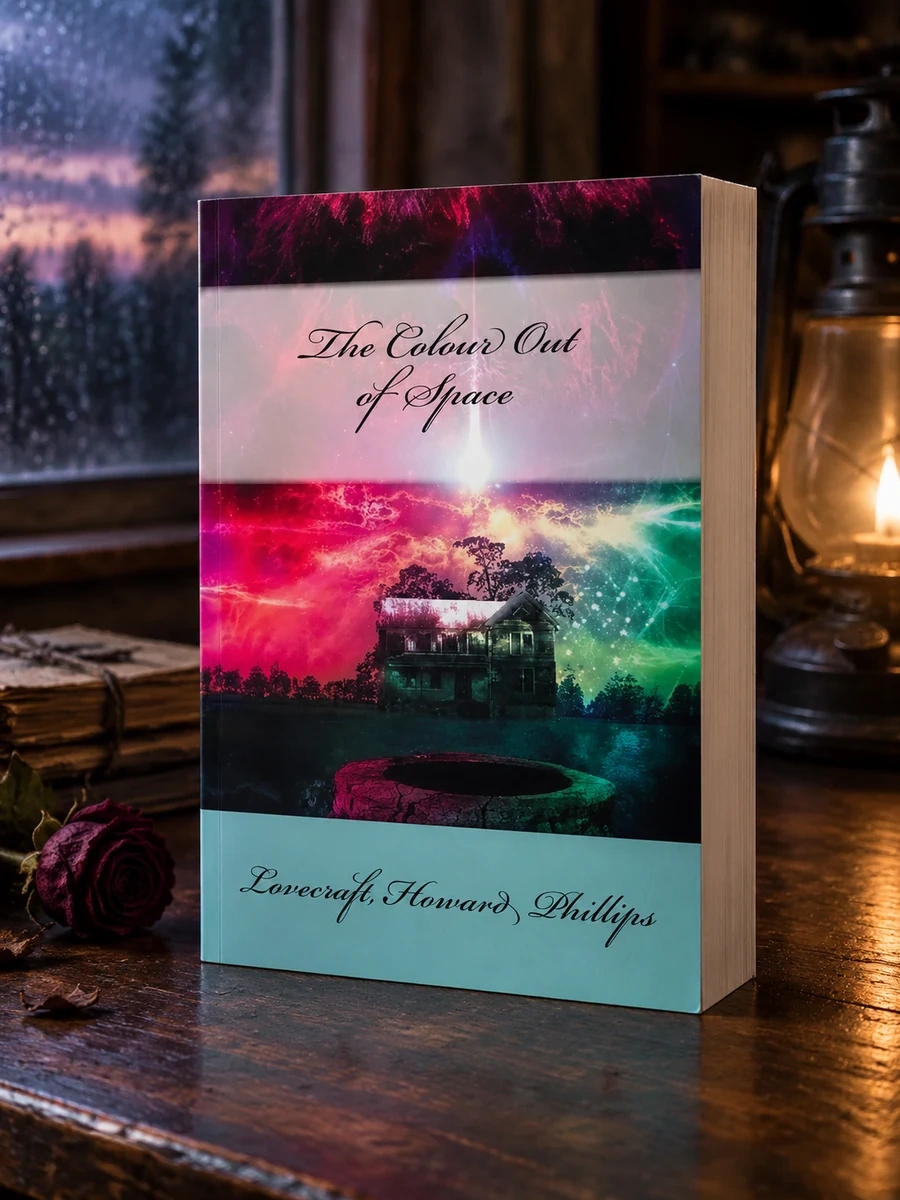
2. The Colour Out of Space — H. P. Lovecraft
The Colour Out of Space introduces Lovecraft's signature move: the intrusion of the utterly alien into rural America. A meteorite falls on a farm and brings something that shouldn't exist—a color that has no name, that human eyes can barely perceive. The story is atmospheric and genuinely unsettling, and it shows Lovecraft's gift for making the abstract terrifying. It's longer than The Rats in the Walls but still digestible, and it expands your sense of what cosmic horror can be.
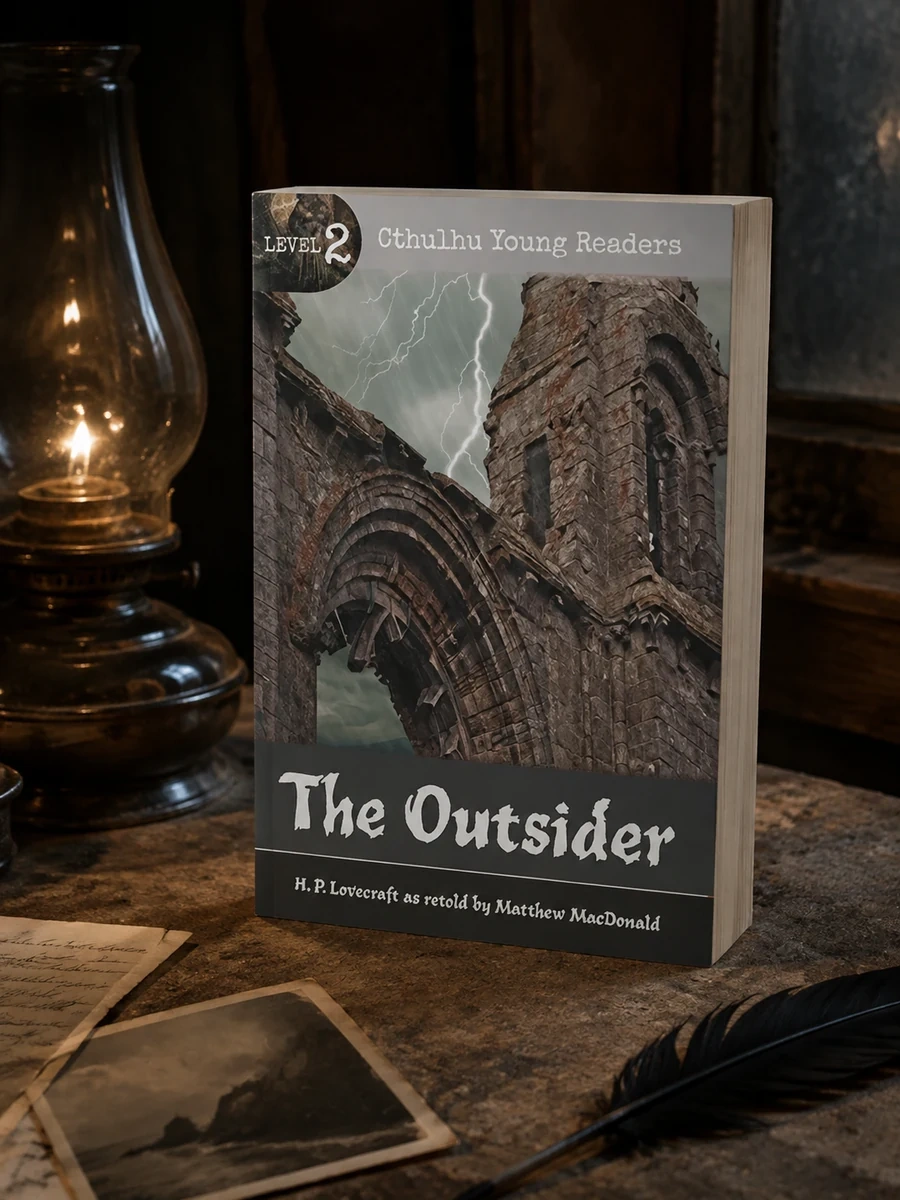
3. The Outsider — H. P. Lovecraft
The Outsider is a brief, haunting story about a creature that has lived alone in a castle and ventures out into the world for the first time. The twist is devastating, and the prose is some of Lovecraft's most poetic. This story works as both a standalone tale and as an introduction to Lovecraft's themes of isolation, forbidden knowledge, and cosmic insignificance. It's also a palate cleanser before moving into longer, denser work.
Deepen the Dread: Mythos Foundations (Stories 4–6)
Now that you've read three solid entry points, you're ready for stories that introduce the Cthulhu Mythos explicitly. These tales assume you understand Lovecraft's worldview and begin layering in shared mythology—ancient cults, forbidden books, and entities that predate humanity.
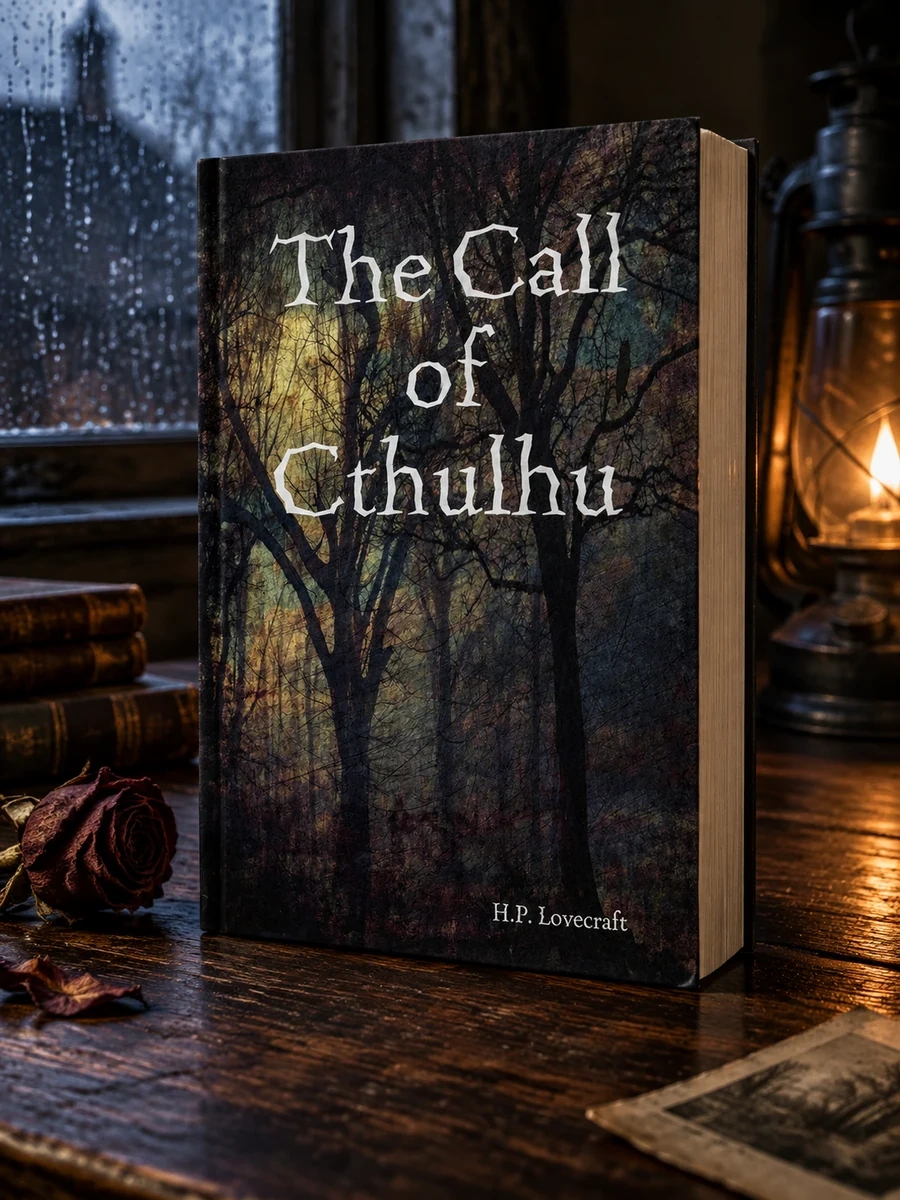
4. The Call of Cthulhu — H. P. Lovecraft
The Call of Cthulhu is the story that defined the Mythos. A man discovers a cult devoted to a sleeping god beneath the Pacific Ocean. The narrative is framed as a scholarly investigation, which gives it weight and credibility. This is where Lovecraft's mythology becomes explicit and interconnected. You'll encounter the Necronomicon, the concept of cosmic entities, and the idea that reality is far stranger than academia admits. It's essential reading, but it's also denser than the first three stories. By this point, you're ready for it.
5. The Dunwich Horror — H. P. Lovecraft
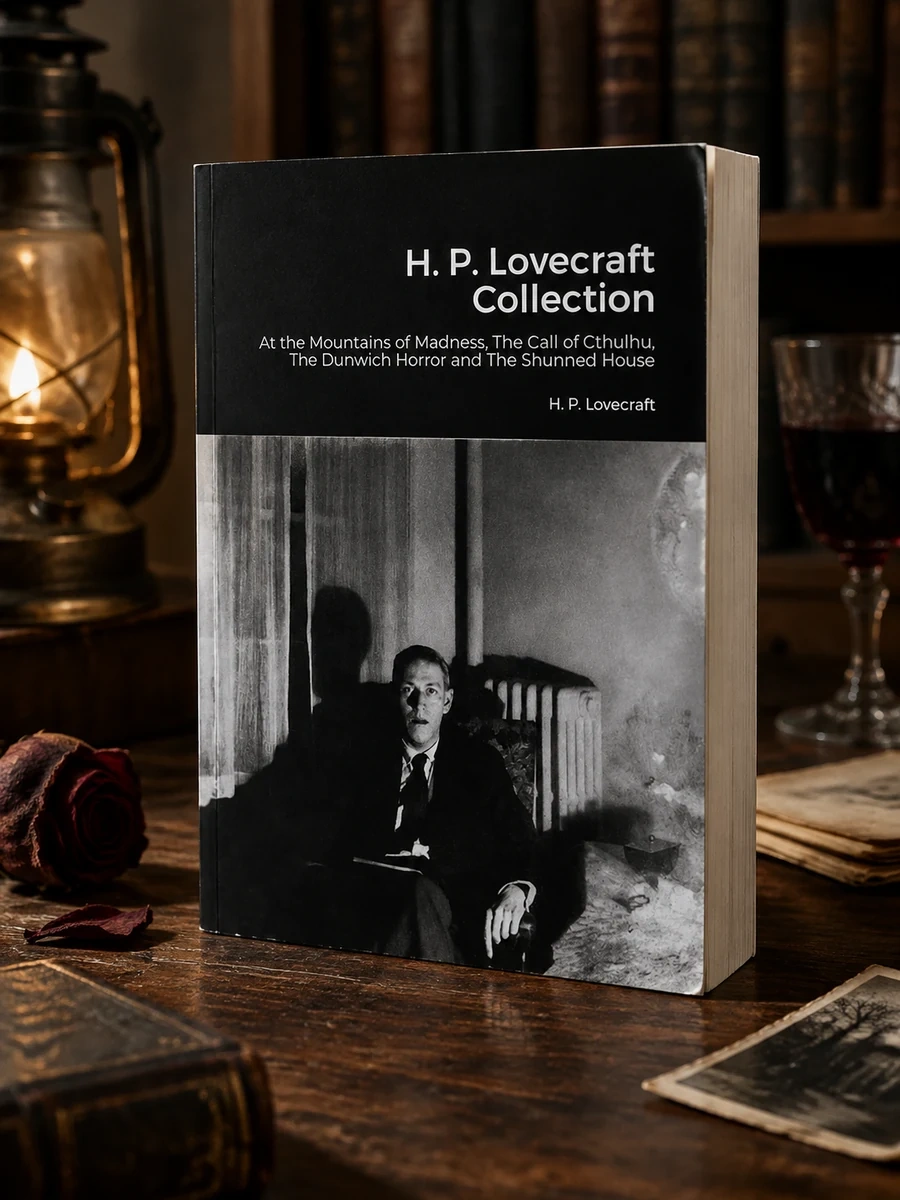
This novella (available in H. P. Lovecraft Collection: At the Mountains of Madness, The Call of Cthulhu, The Dunwich Horror and The Shunned House) is Lovecraft's most plot-driven Mythos story. A rural Massachusetts town is plagued by a degenerate family and their monstrous offspring. The story has genuine suspense, a clear antagonist, and a sense of escalating dread. It's also one of his most influential works—you'll see its DNA in countless modern horror novels. The pacing is tighter than The Call of Cthulhu, which makes it a good bridge between the atmospheric stories and the longer novellas.
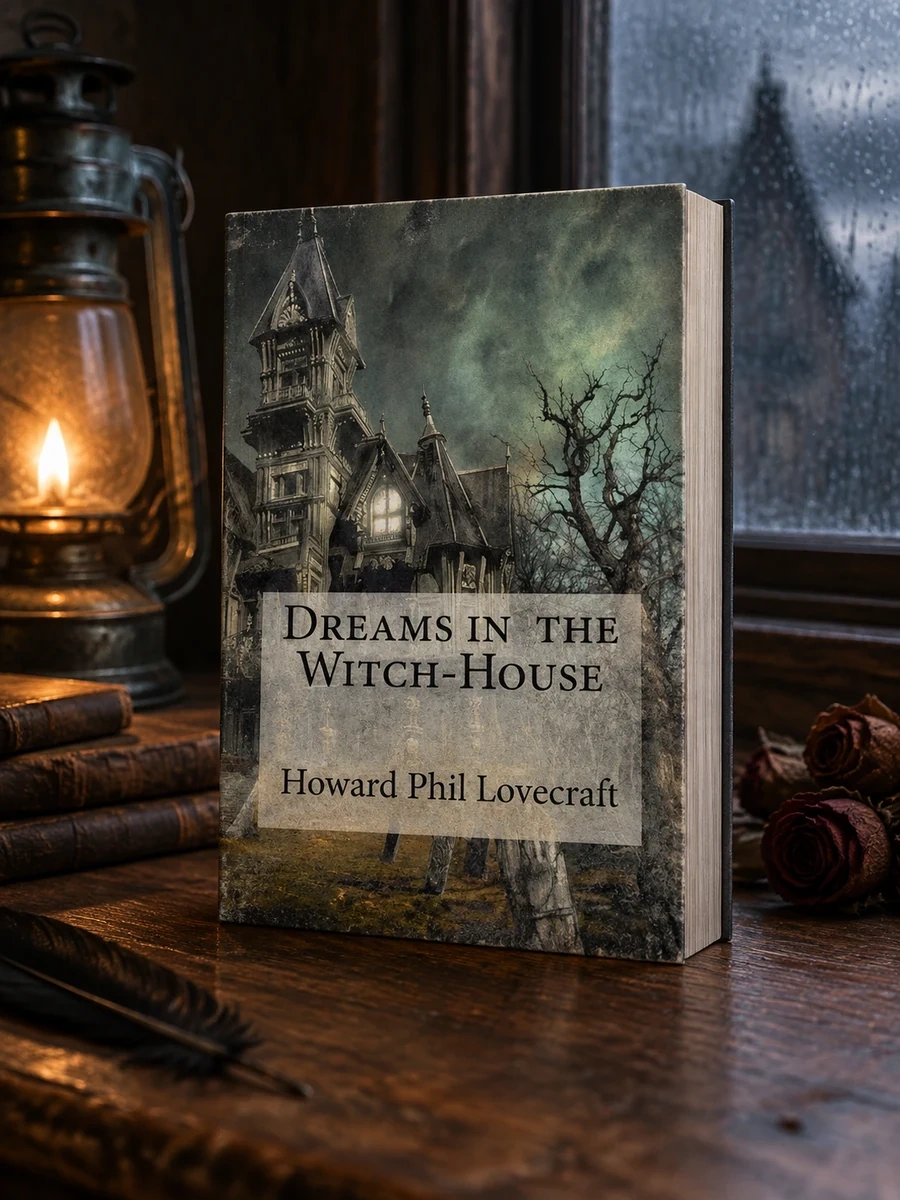
6. Dreams in the Witch-House — H. P. Lovecraft
Dreams in the Witch-House introduces Lovecraft's dream-world mythology. A graduate student rents a room in a haunted house and begins experiencing vivid, terrifying dreams that blur the line between sleep and waking. This story is denser and more surreal than the previous ones, but it's also more inventive. It shows Lovecraft's ability to create genuinely alien geometries and impossible spaces. By this point, you're deep enough in the Mythos to appreciate the layering.
Ascend to Cosmic Horror: The Novellas (Stories 7–9)
These three longer works are Lovecraft's masterpieces. They're also the most demanding reads. But if you've made it through the first six stories, you have the context and appetite for them. Each one expands the scope of cosmic horror and shows Lovecraft at his most ambitious.
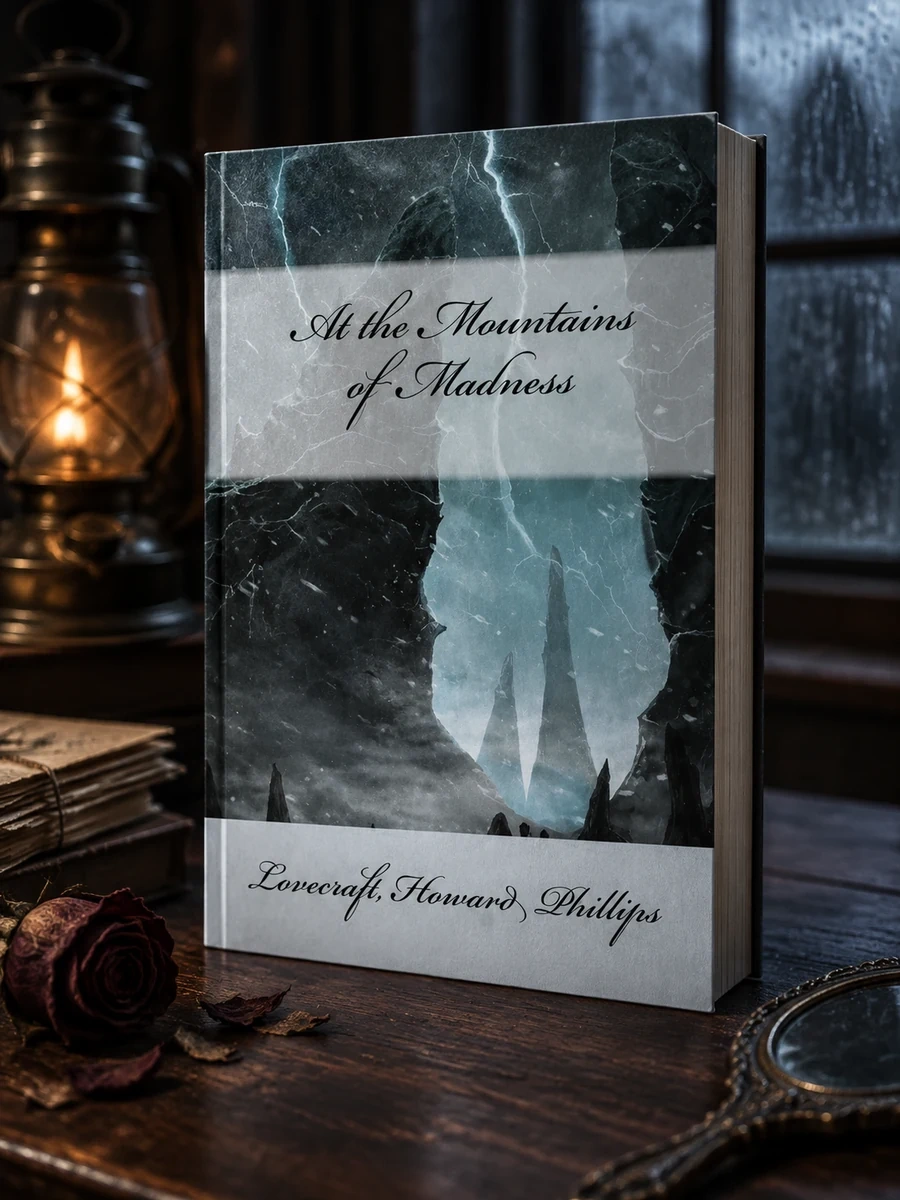
7. At the Mountains of Madness — H. P. Lovecraft
At the Mountains of Madness is Lovecraft's longest and most elaborate work. An Antarctic expedition discovers the ruins of an ancient civilization and evidence of entities far older than humanity. The story is a descent into cosmic insignificance—each revelation makes the human characters smaller and more helpless. It's atmospheric, meticulously detailed, and genuinely chilling. It's also the most ambitious Mythos story, tying together threads from earlier tales and expanding the scope of Lovecraft's universe. This is the story that separates casual readers from devoted fans.
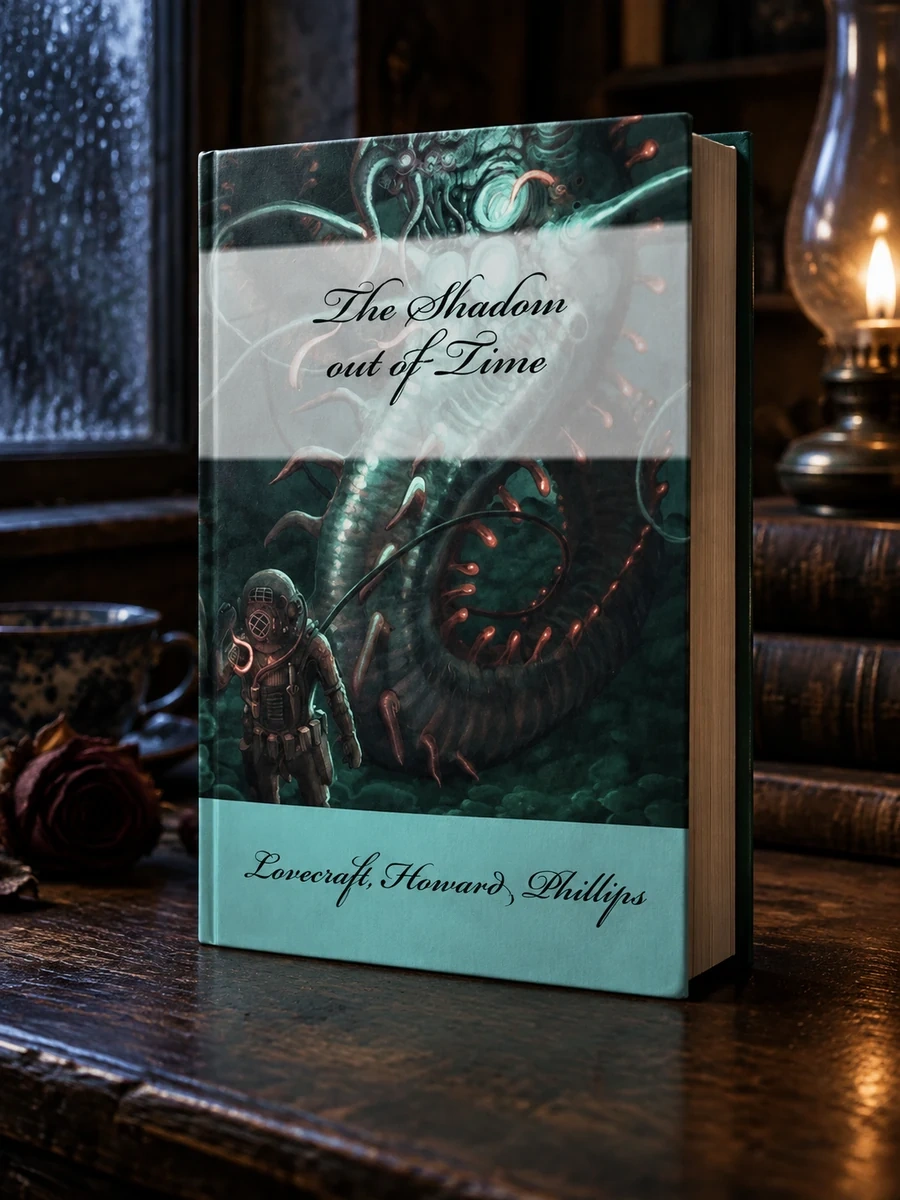
8. The Shadow out of Time — H. P. Lovecraft
The Shadow out of Time is a novella about a man who loses five years of his life and discovers that his consciousness was displaced into the body of an alien being in the distant past. The story explores themes of identity, temporal paradox, and the horror of lost time. It's more philosophical than At the Mountains of Madness, but equally unsettling. By this point, you're ready for Lovecraft's more abstract terrors.
9. The Haunter of the Dark — H. P. Lovecraft
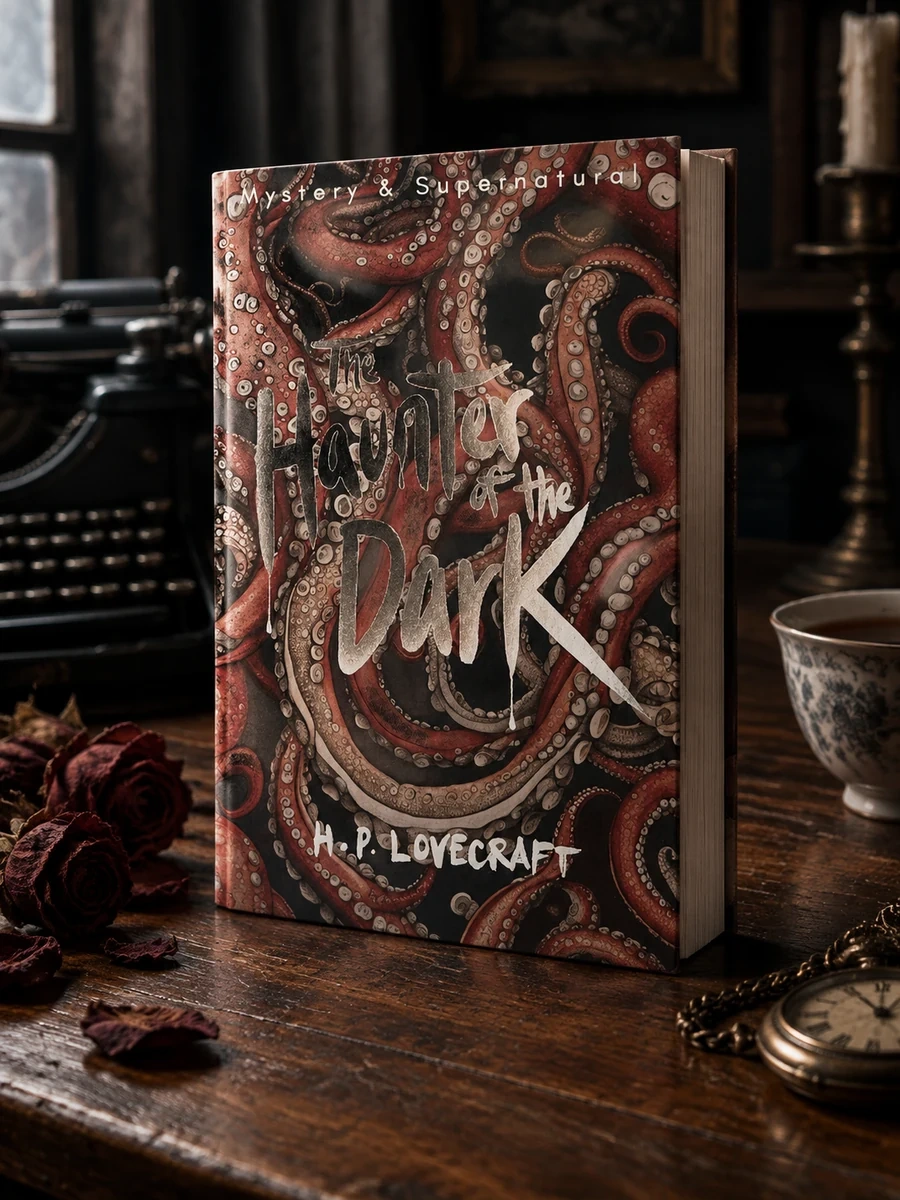
The Haunter of the Dark (available in the collected volume) is Lovecraft's final major story and a return to his earlier, more atmospheric style. A writer discovers a haunted church in Providence and becomes obsessed with the entity that dwells there. The story is a meditation on obsession, forbidden knowledge, and the price of curiosity. It's also a callback to earlier Mythos stories, which gives it additional resonance if you've read the others. It's a fitting capstone to this reading order.
How to Choose Your Format
Lovecraft's stories are available in various editions, from affordable individual volumes to comprehensive collections. If you're following this reading order, you have a few options:
- Individual stories: Buy each story separately as you go. This is the most affordable approach and lets you pause between stories if you need to. Most individual Lovecraft stories are under $10.
- Curated collections: H. P. Lovecraft Collection: At the Mountains of Madness, The Call of Cthulhu, The Dunwich Horror and The Shunned House bundles four essential stories at a reasonable price, though it doesn't include all nine from this guide.
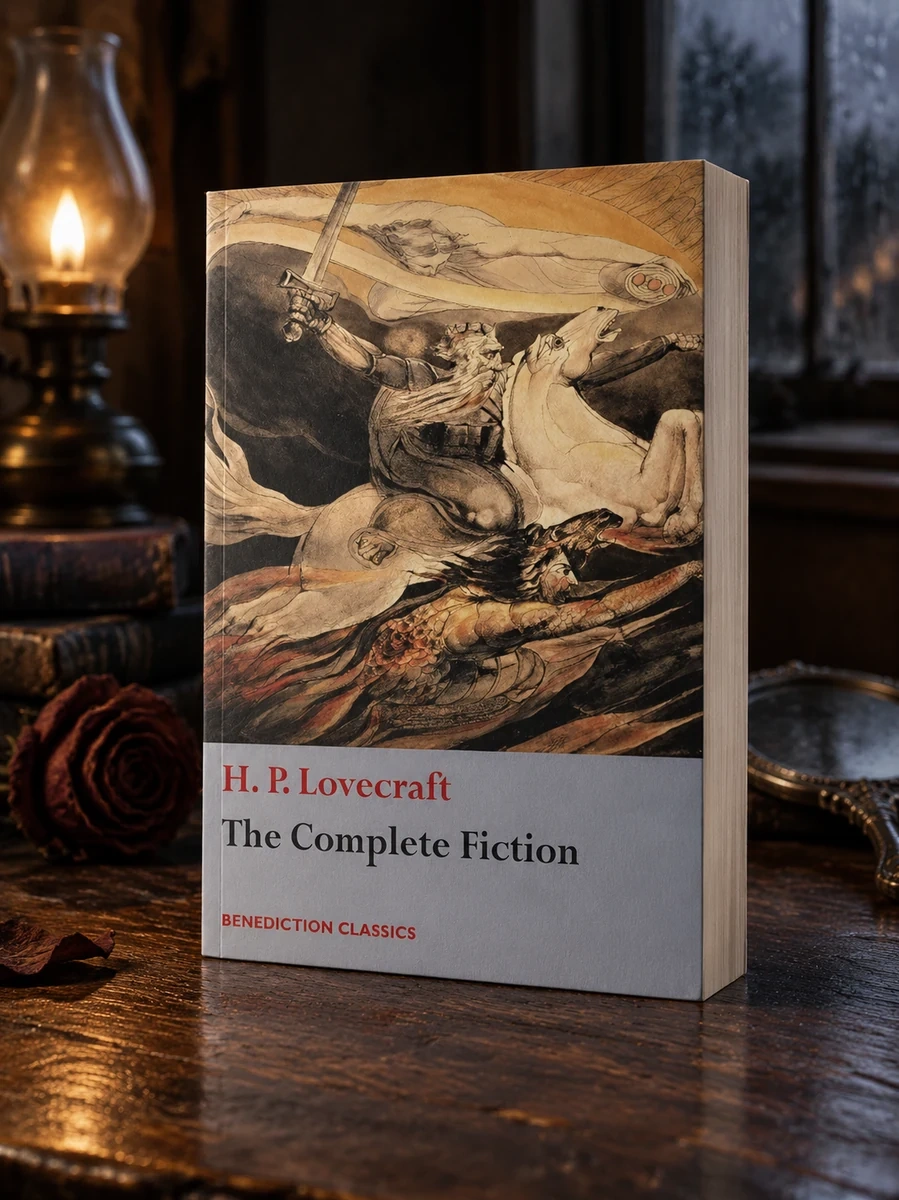
- Complete works: The Complete Fiction of H. P. Lovecraft gives you everything at once. This is ideal if you plan to read beyond these nine stories and explore his lesser-known work.
Whichever format you choose, stick to this reading order. Lovecraft's work is cumulative. Each story builds on the last, and reading them in sequence will deepen your appreciation of his vision. By the time you finish The Haunter of the Dark, you'll understand why Lovecraft remains the foundation of modern cosmic horror—and you'll be ready to explore his deeper cuts and the vast library of Mythos stories written by other authors.