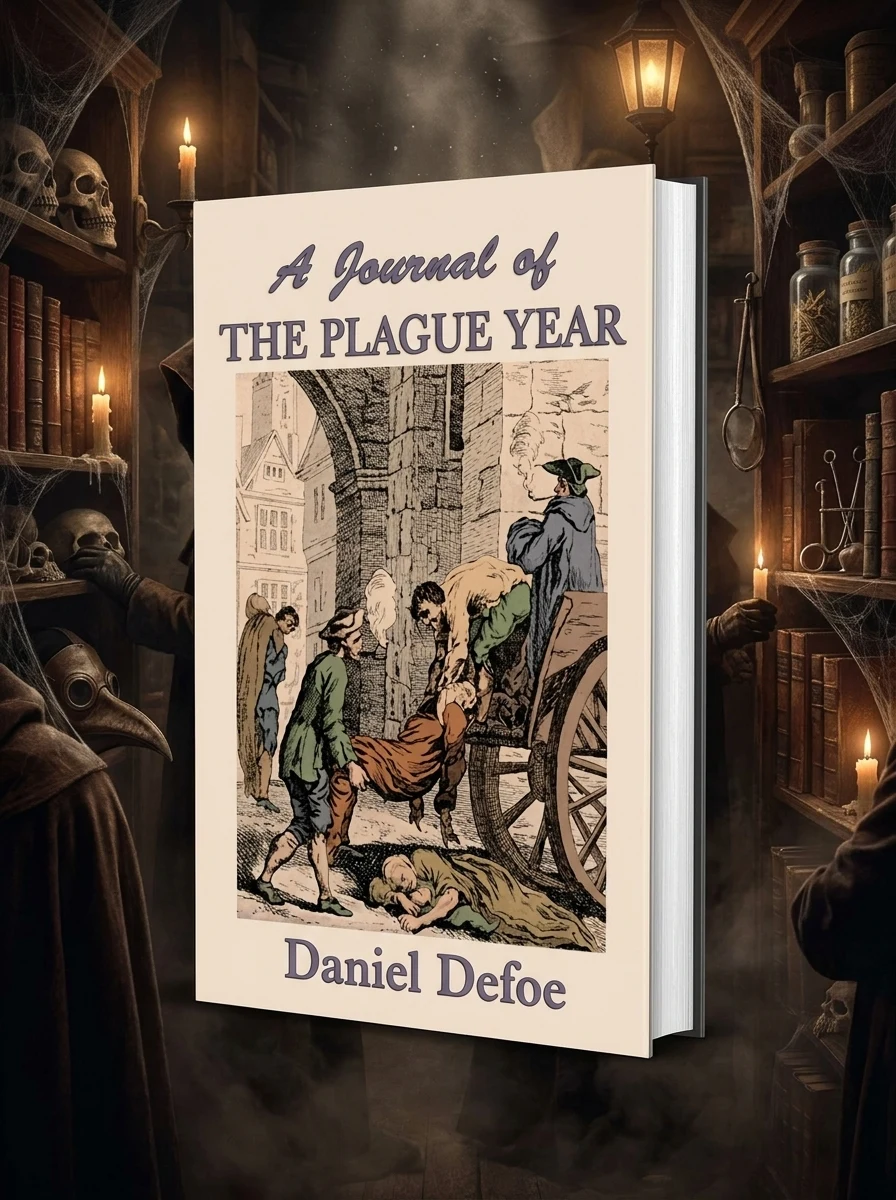
A Journal of the Plague Year: A Classic Account of Plague, Fear, and Survival in Seventeenth-Century London
Defoe’s account of plague and fear in seventeenth-century London blends fact with psychological horror.
This volume examines how individuals cope with extreme duress during a historical crisis. Defoe constructs a narrative that feels like a visceral study of the human mind rather than a simple chronicle of events. The text relies on blending factual elements with imaginative depth to create a haunting experience. It appeals specifically to those who appreciate psychological realism and classic horror traditions. The work does not offer external action but instead focuses on internal landscapes of terror. Readers looking for traditional plot-driven stories might find the slow-burning tension less engaging. The book serves as a bridge between historical record and psychological horror, immersing the audience in an atmosphere thick with fear. It remains relevant for those interested in how dread shapes human behavior during overwhelming uncertainty.
Daniel Defoe wrote this account of plague, fear, and survival in seventeenth-century London. The work bridges historical record and psychological horror, immersing readers in an atmosphere thick with fear and uncertainty. It appeals to those who appreciate darker corners of psychological realism and classic horror.


📝 Description: A Journal of the Plague Year: A Classic Account of Plague, Fear, and Survival in Seventeenth-Century London
💎 Our verdict on A Journal of the Plague Year: A Classic Account of Plague, Fear, and Survival in Seventeenth-Century London
📖 Why choose it
Why this book is worth reading
Readers who appreciate atmospheric tension and historical immersion will find profound value in this text, as it prioritizes the psychological weight of survival over conventional plot mechanics. It is ideal for those interested in how dread shapes human behavior during overwhelming uncertainty, offering a visceral study of the mind under duress rather than a simple chronicle of events. By blending factual elements with imaginative depth, Defoe creates a haunting experience that appeals to fans of classic horror traditions and psychological realism. Those seeking fast-paced adventure may find the sustained, slow-burning tension difficult, but it rewards those willing to explore internal landscapes of terror without sensationalism.
⭐ Reader reviews
Reader rating
Defoe masterfully constructs a narrative that functions as a haunting exploration of the human psyche during extreme duress. The book excels in its ability to merge factual history with psychological depth, creating an atmosphere thick with fear and lingering tension. It avoids simple storytelling by focusing on internal landscapes of terror rather than external action. This approach suits readers who enjoy gothic fiction tone and classic horror traditions. While it may lack the engagement of traditional plot-driven stories for some, it remains a relevant study of how dread influences behavior. The work is best appreciated by those seeking atmospheric immersion and historical context within a framework of psychological horror.
📖 Read on the blog
✍️ More books by this author Daniel Defoe
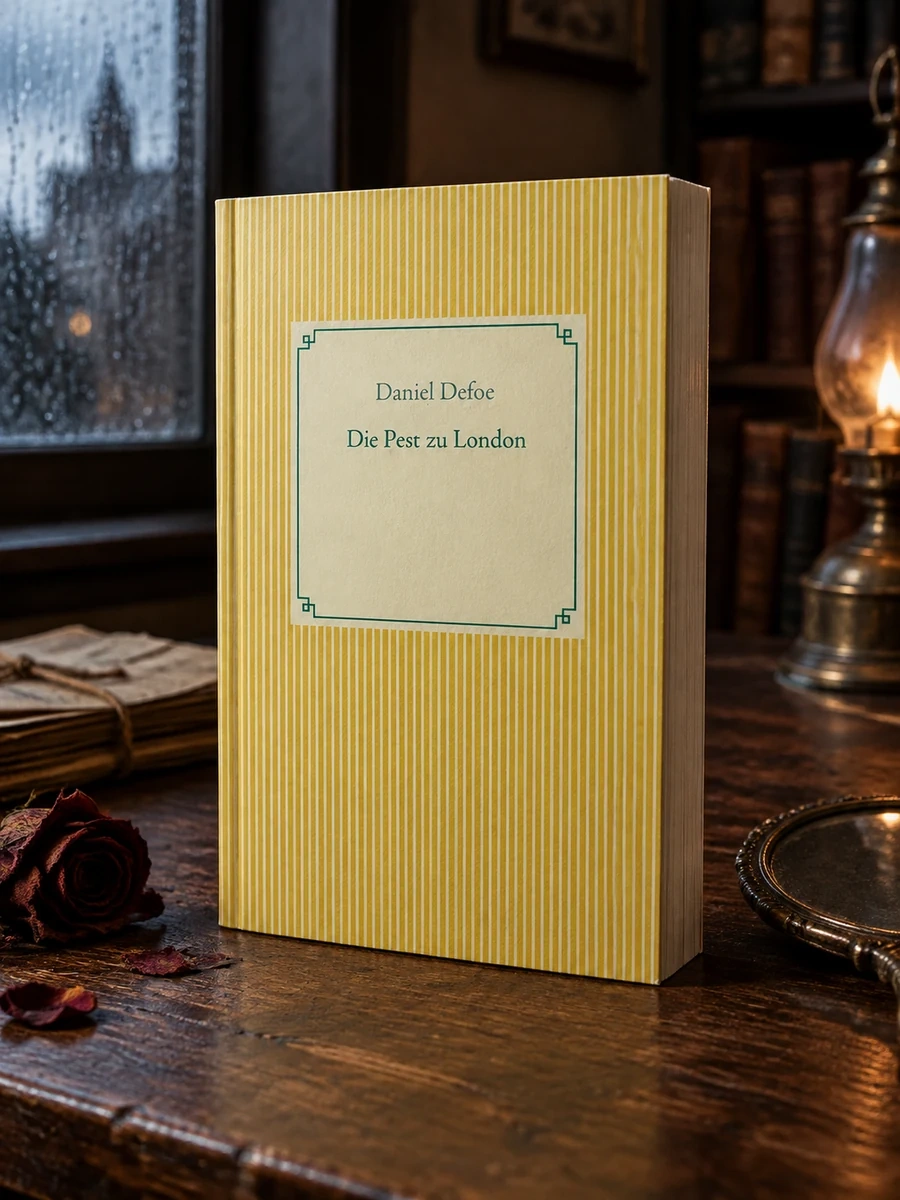


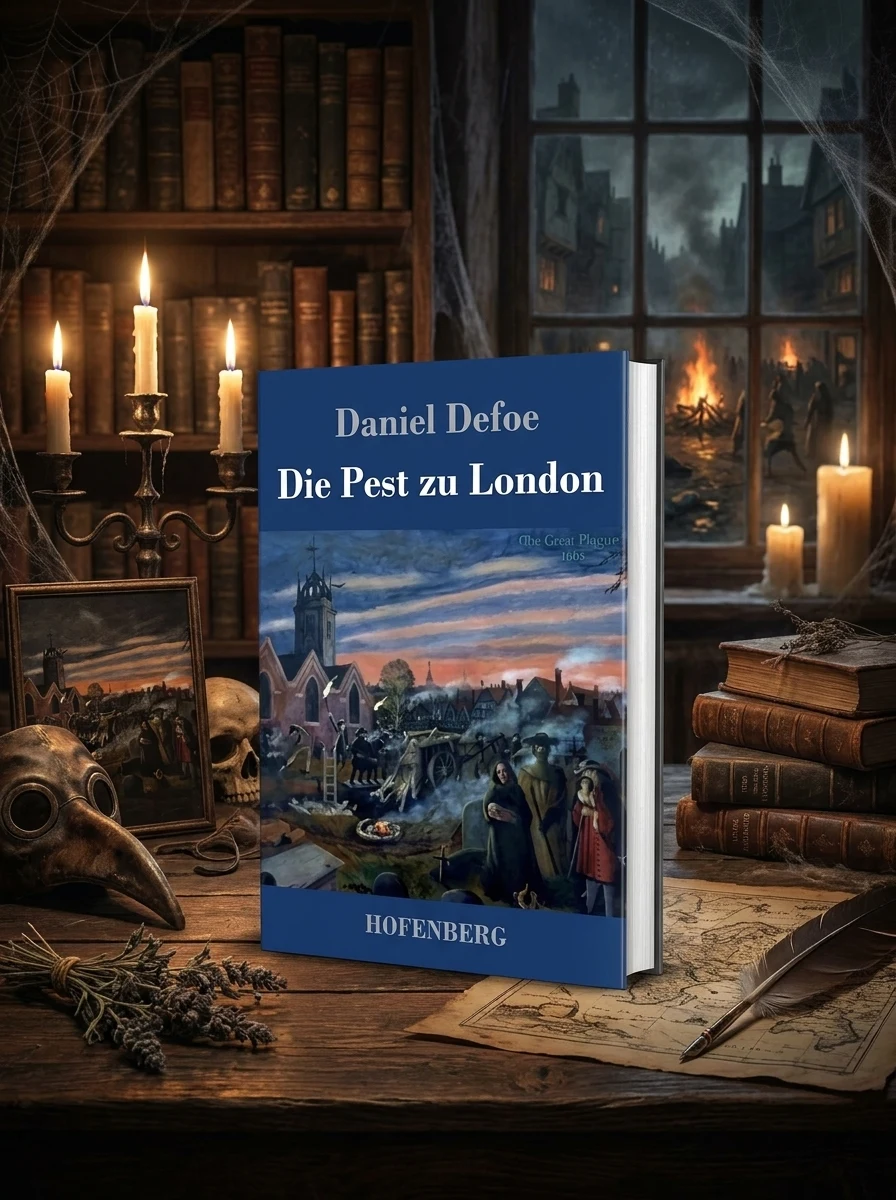

🏛 Books from this publisher SMK Books
You might also like
See more →


Have a question about this item?
Ask about the edition, condition, delivery or anything else — we reply by email or phone, usually within a day.
