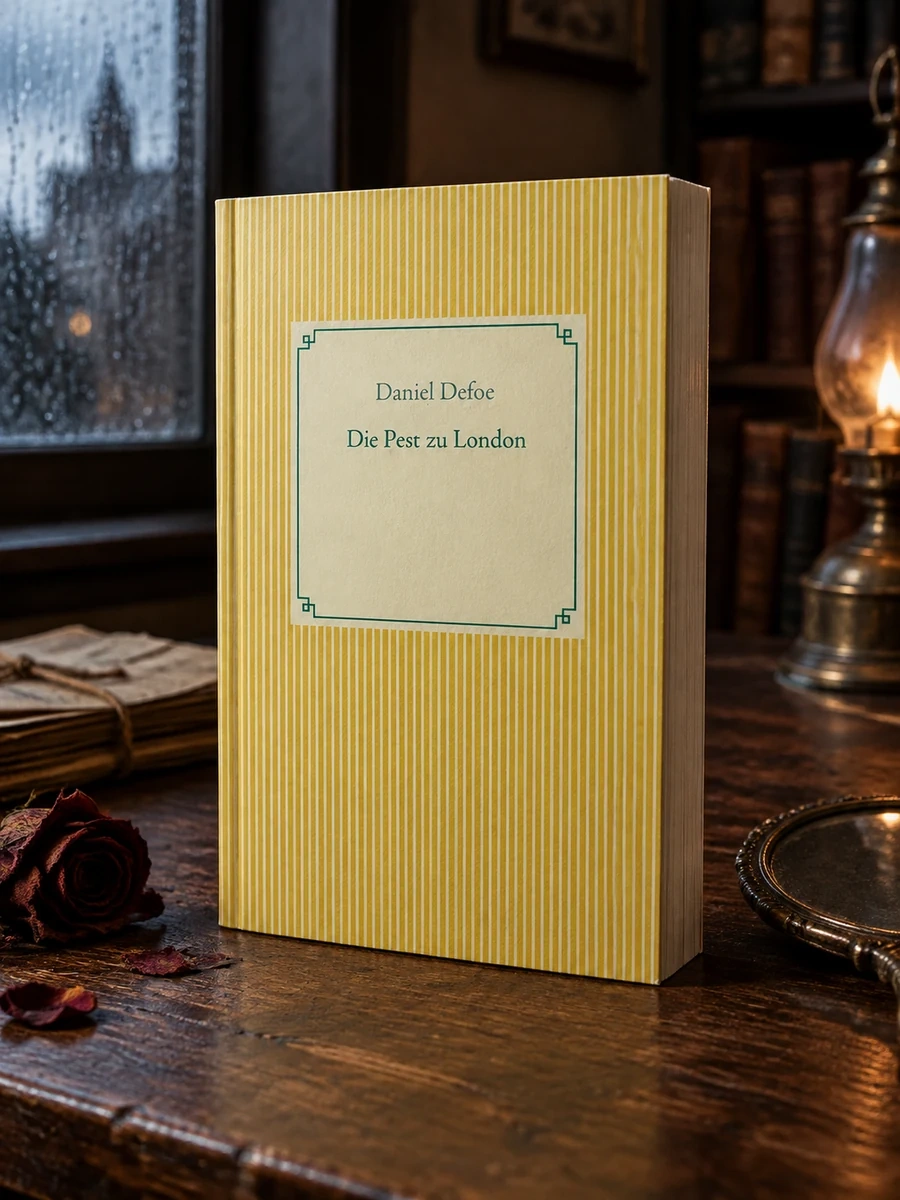
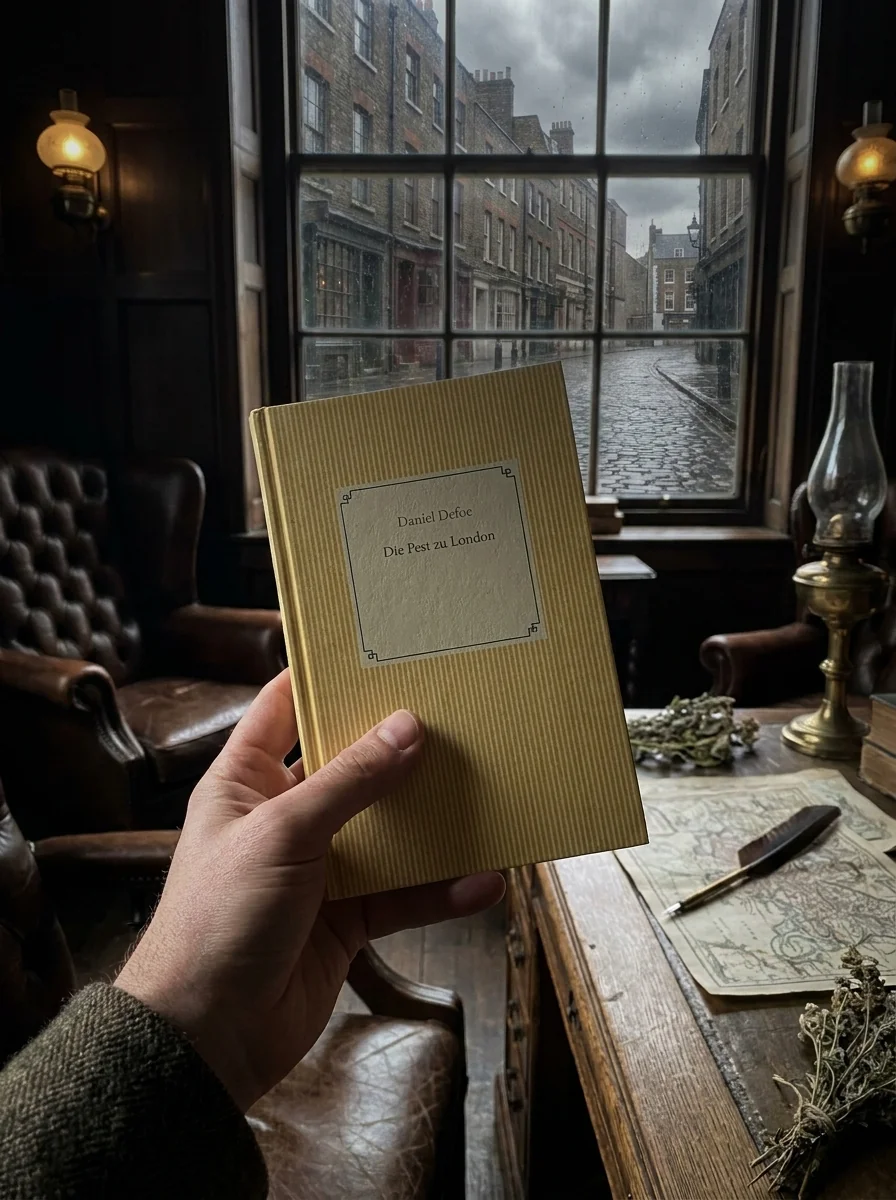

Die Pest zu London
Daniel Defoe's fictional account of London's Great Plague in 1665.
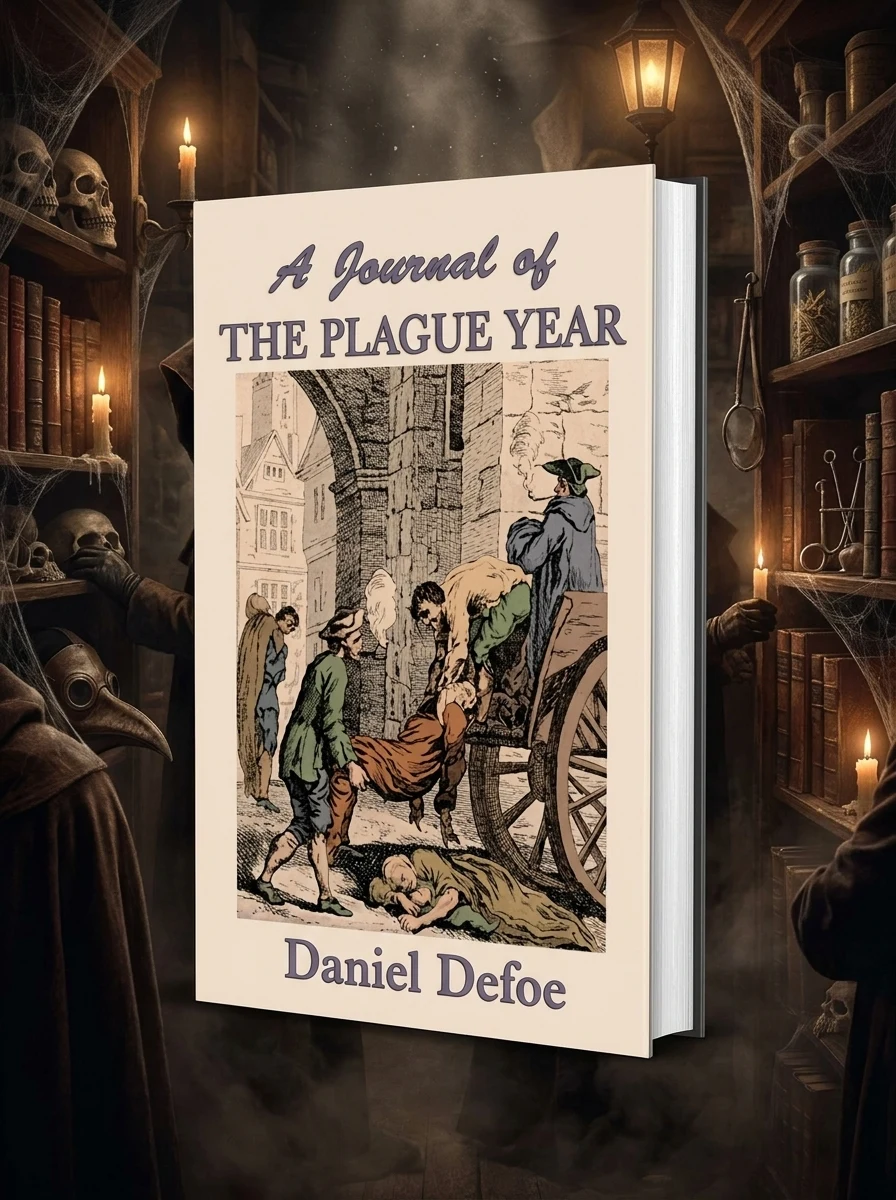
Daniel Defoe presents a fictional report detailing the events that unfolded during the Great Plague of London in 1665. This work stands among the great plague and pestilence narratives of world literature, having first appeared in print in 1722. The text offers a close look at a specific historical moment through a literary lens, blending factual reporting with imaginative storytelling to recreate the atmosphere of that time. Readers interested in gothic fiction or supernatural themes may find value in this early exploration of mass hysteria and survival. The book suits those who appreciate historical narratives grounded in real events but presented through a fictional framework. It might not appeal to readers seeking strictly non-fiction historical records or modern horror tropes, as the style reflects its eighteenth-century origins. The narrative structure relies on Defoe's ability to immerse the audience in the daily realities of the outbreak. This edition provides access to a significant piece of literary history. It connects contemporary audiences with the storytelling traditions of the early 1700s. The work remains relevant for its depiction of human resilience and fear during a catastrophic public health crisis.
This text emerged in 1722 as part of the broader literary tradition of plague stories. It draws on the historical event of 1665 to create a fictional report that has become a staple of world literature regarding disease and societal collapse.


📝 Description: Die Pest zu London
💎 Our verdict on Die Pest zu London
📖 Why choose it
Why this book is worth reading
Readers interested in gothic fiction or supernatural themes may find value in this early exploration of mass hysteria and survival. The book suits those who appreciate historical narratives grounded in real events but presented through a fictional framework. It offers a close look at a specific historical moment through a literary lens, blending factual reporting with imaginative storytelling to recreate the atmosphere of that time. The narrative structure relies on Defoe's ability to immerse the audience in the daily realities of the outbreak. This work remains relevant for its depiction of human resilience and fear during a catastrophic public health crisis, providing access to a significant piece of literary history.
⭐ Reader reviews
Reader rating
Daniel Defoe presents a fictional report detailing the events that unfolded during the Great Plague of London in 1665. The text offers a close look at a specific historical moment through a literary lens, blending factual reporting with imaginative storytelling to recreate the atmosphere of that time. Readers interested in gothic fiction or supernatural themes may find value in this early exploration of mass hysteria and survival. It suits those who appreciate historical narratives grounded in real events but presented through a fictional framework. The narrative structure relies on Defoe's ability to immerse the audience in the daily realities of the outbreak, making it essential for fans of atmospheric dread.
📖 Read on the blog
✍️ More books by this author Daniel Defoe



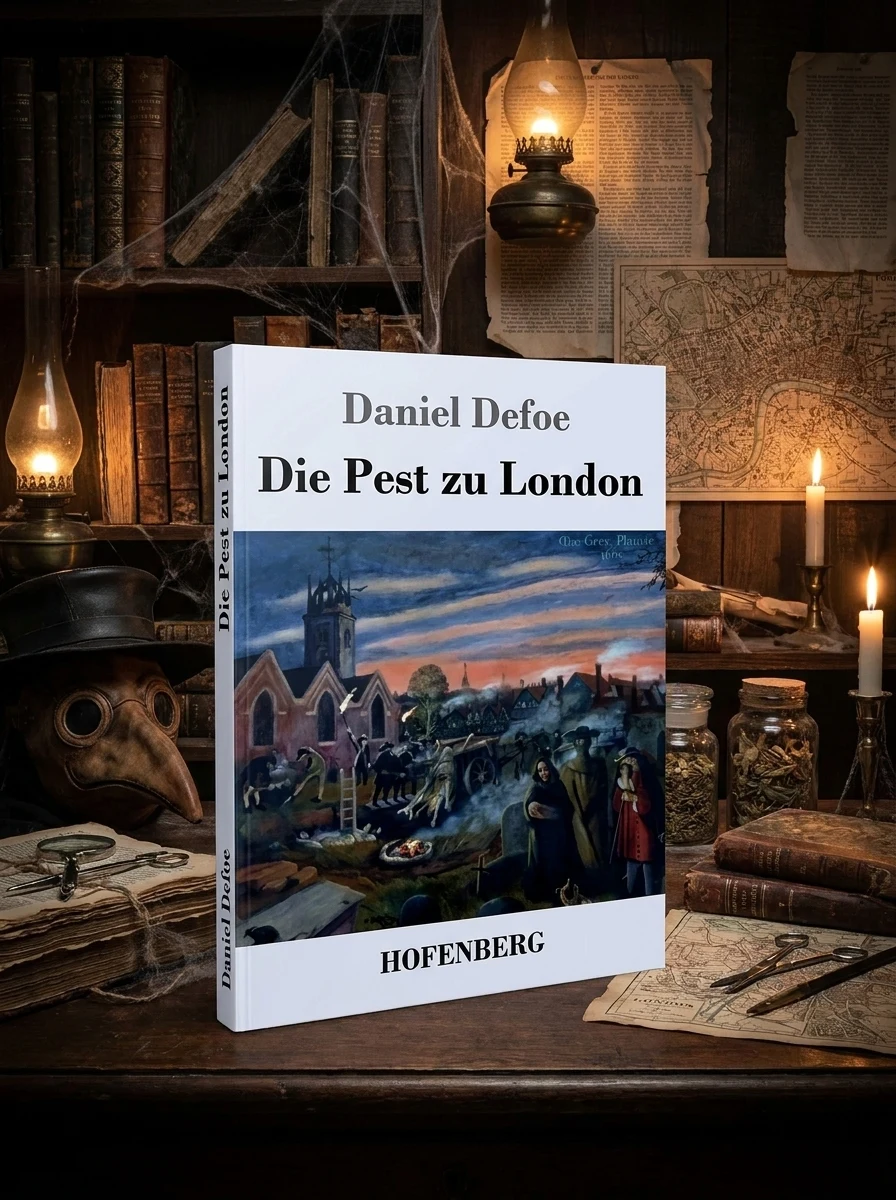
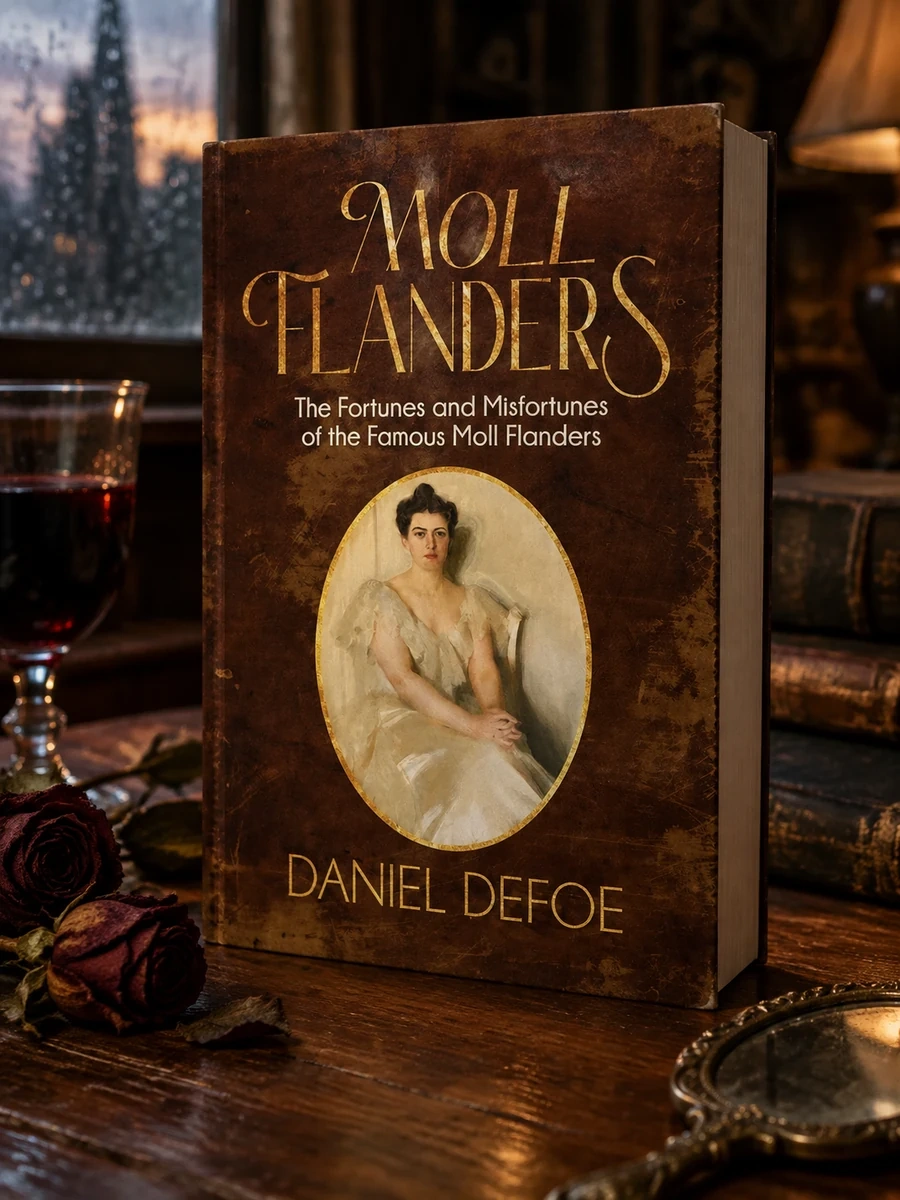

🏛 Books from this publisher Bod - Books on Demand


You might also like
See more →

Have a question about this item?
Ask about the edition, condition, delivery or anything else — we reply by email or phone, usually within a day.
