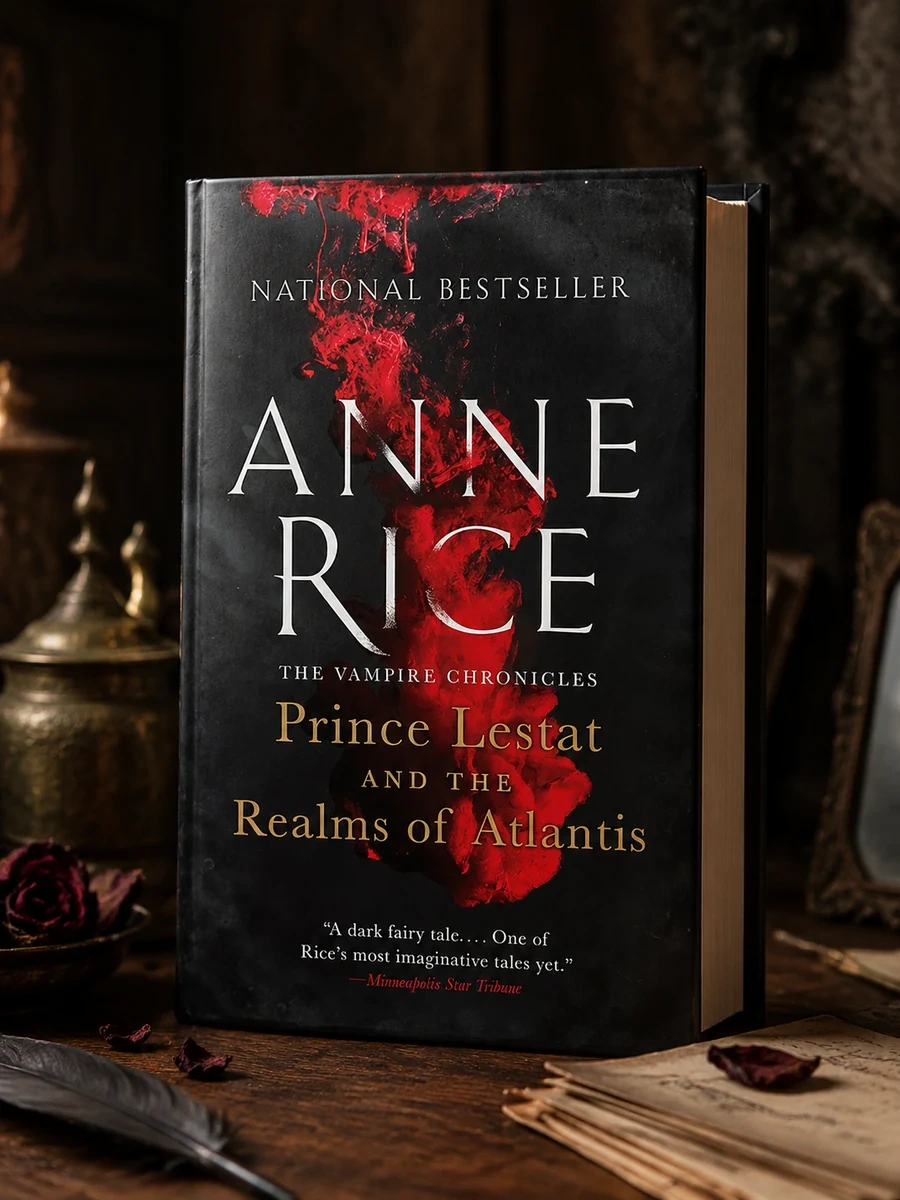
Anne Rice's return to her signature blood drinkers brought a radical shift in scope, moving from the intimate Parisian cellars and gothic parlors of her early career into broad cosmic mythology. When Prince Lestat and the Realms of Atlantis: The Vampire Chronicles arrived, it challenged longtime readers by expanding the immortal universe beyond terrestrial politics into ancient history, celestial mechanics, and speculative anthropology. For collectors and gift-buyers looking toward late-autumn dark fantasy demand, this ambitious novel serves as both a culmination and a strange new beginning for followers of the genre.
Reviewing a late-series entry by Rice requires understanding how her prose evolved from quiet psychological confession to operatic myth-making. The transition from intimate nocturnal confessions to massive supernatural geopolitics defines the later stages of her bibliography. Below is our critical assessment of the novel alongside seven other essential volumes from her legendary vampire catalog that define the genre, showcasing the incredible range of her storytelling across centuries and continents.
Review: Cosmic Ambition and Mythic Scale
In Prince Lestat and the Realms of Atlantis: The Vampire Chronicles, Anne Rice attempts nothing less than a remapping of supernatural origins. The narrative brings together a massive ensemble cast of vampires who face a mysterious voice calling out across the globe, compelling them toward an ancient catastrophe tied to the legendary sunken continent. Seekers of mythic depth and spiritual dread will find this immersive. If you crave high-octane action sequences or modern political intrigue, the dense philosophical tangents and sweeping historical digressions require patience. Yet, the reward is an unmatched sense of scale.
Rice treats her immortals not just as predators of the night, but as philosophical entities grappling with the very fabric of creation. The introduction of ancient technologies, prehistoric cataclysms, and pre-human civilizations pushes the boundaries of traditional vampire fiction, transforming urban gothic horror into speculative epic fantasy. While some purists prefer the brooding confinement of eighteenth-century drawing rooms and nineteenth-century crypts, this installment rewards readers willing to follow Rice into the furthest expanses of her imagination. The prose remains dense, descriptive, and unapologetically operatic, ensuring that every ancient spirit carries the weight of millennia upon their immortal shoulders.
The Foundations of the Vampire Chronicles
To fully appreciate the cosmic heights of Lestat's later reign, readers must revisit the foundational texts that established the rules, the melancholy, and the aristocratic grandeur of the undead world.
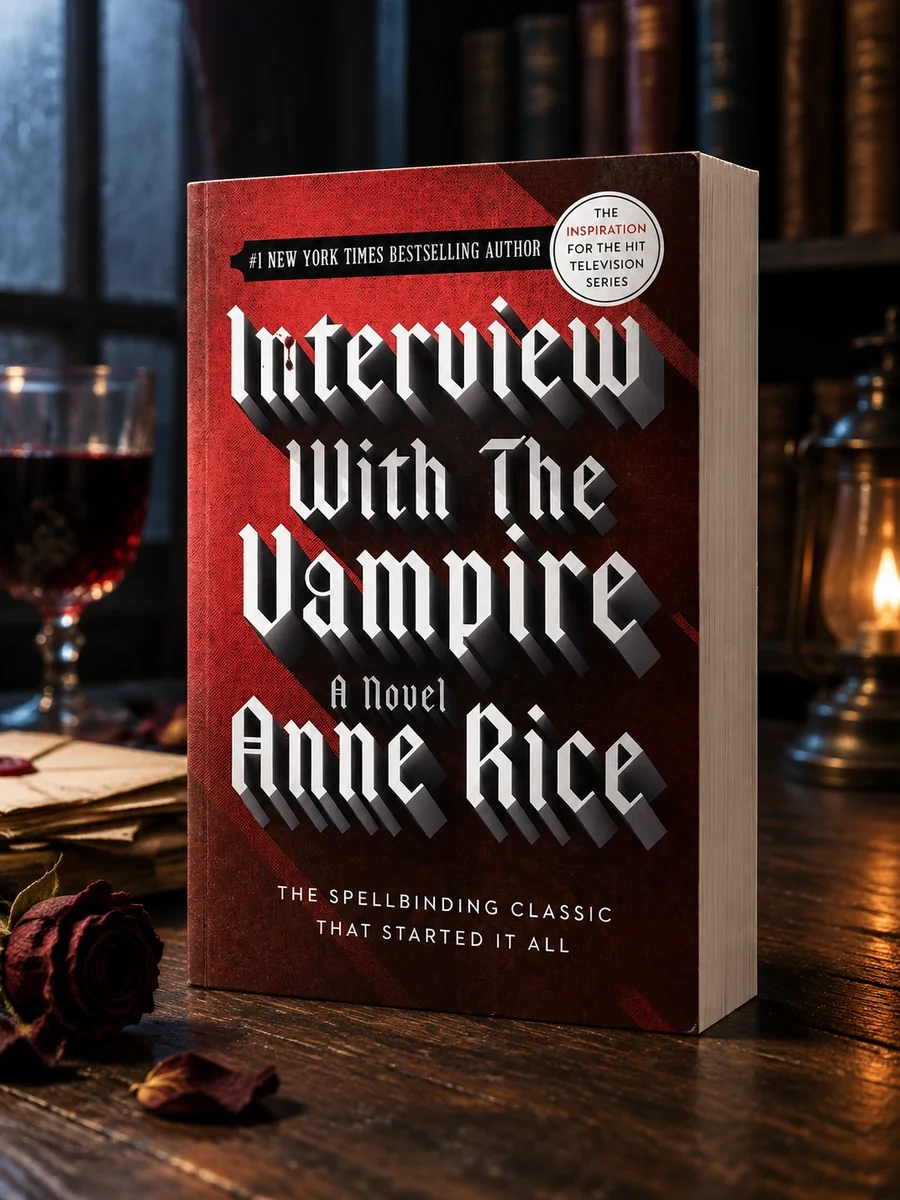
1. Interview with the Vampire
Louis de Pointe du Lac recounts his centuries-long existence from eighteenth-century New Orleans to the shadows of Europe. Lovers of brooding, atmospheric gothic novels and deep psychological profiles will adore this tale of eternal melancholy. However, readers craving fast-paced plots may find its reflective pacing slow. The novel laid the critical groundwork for modern supernatural fiction by treating vampires as tragic, self-aware creatures rather than mindless monsters.
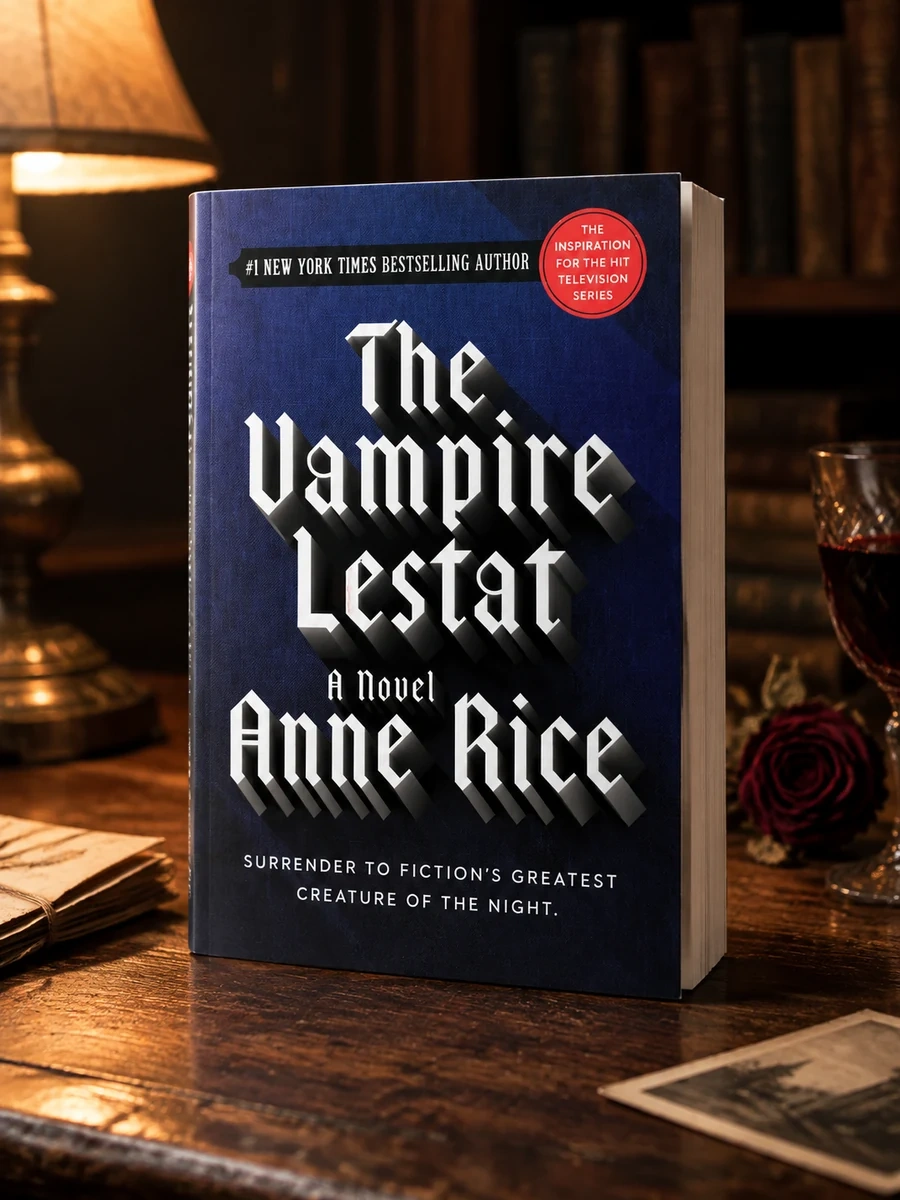
2. The Vampire Lestat
The Brat Prince takes control of his own narrative, tracing his mortal days in the mountains of France through his transformation and rise as a rock star. Dive into Lestat's opulent existence if you crave lush gothic romance and complex immortal psychology. This tale is for those who love ambiguous morality and flamboyant defiance. Lestat's perspective shifts the entire tone of the series toward rebellious theatricality.
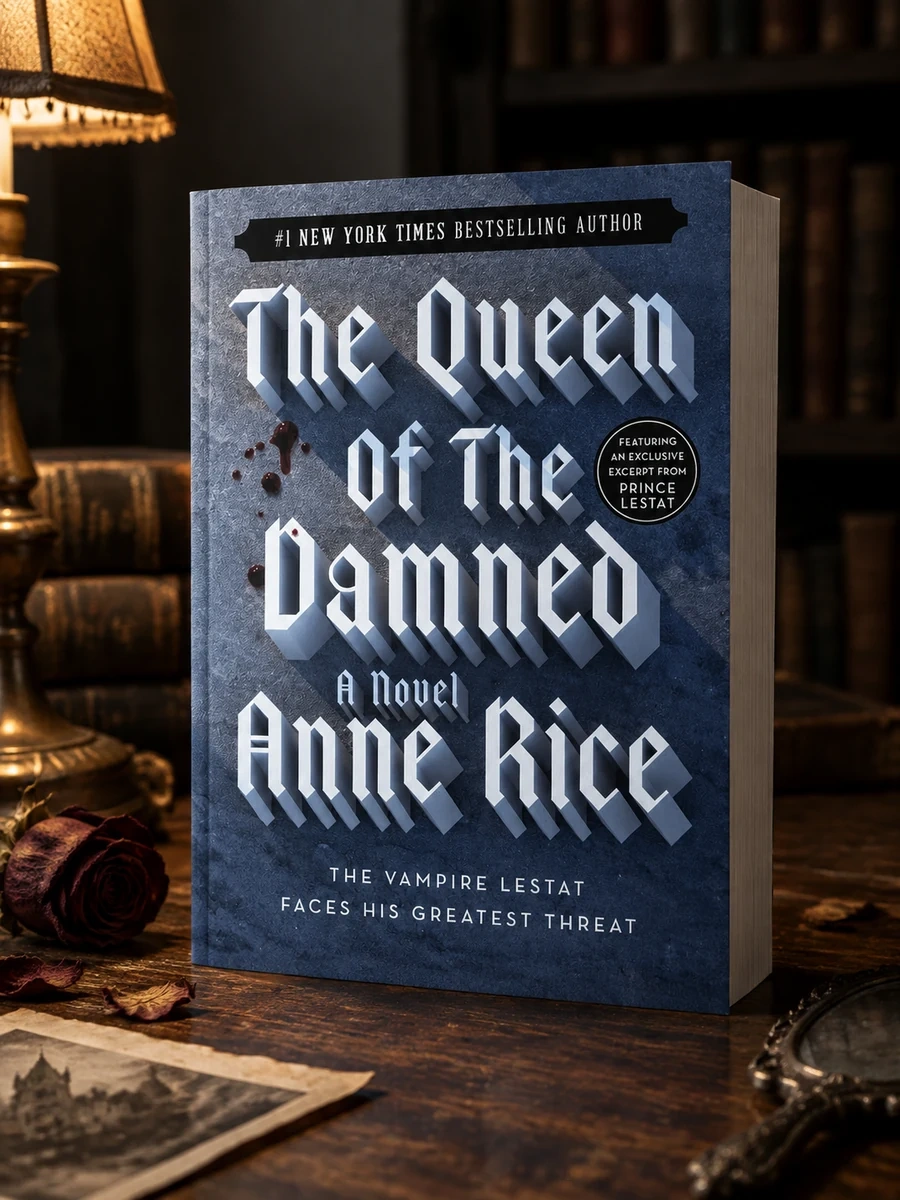
3. Queen of the Damned
Akasha, the mother of all vampires, awakens from her six-thousand-year slumber to reshape the world in her own brutal image. Seekers of lush, erotic supernatural tales and historical fantasy will adore this epic journey through time. However, if you prefer fast-paced, linear narratives, its sprawling multi-character structure demands close attention. It remains a monumental expansion of the mythology.
Expanding the Immortal Universe
As the series progressed, Rice populated her dark universe with complex factions, ancient makers, and theological confrontations that set the stage for modern fantasy.
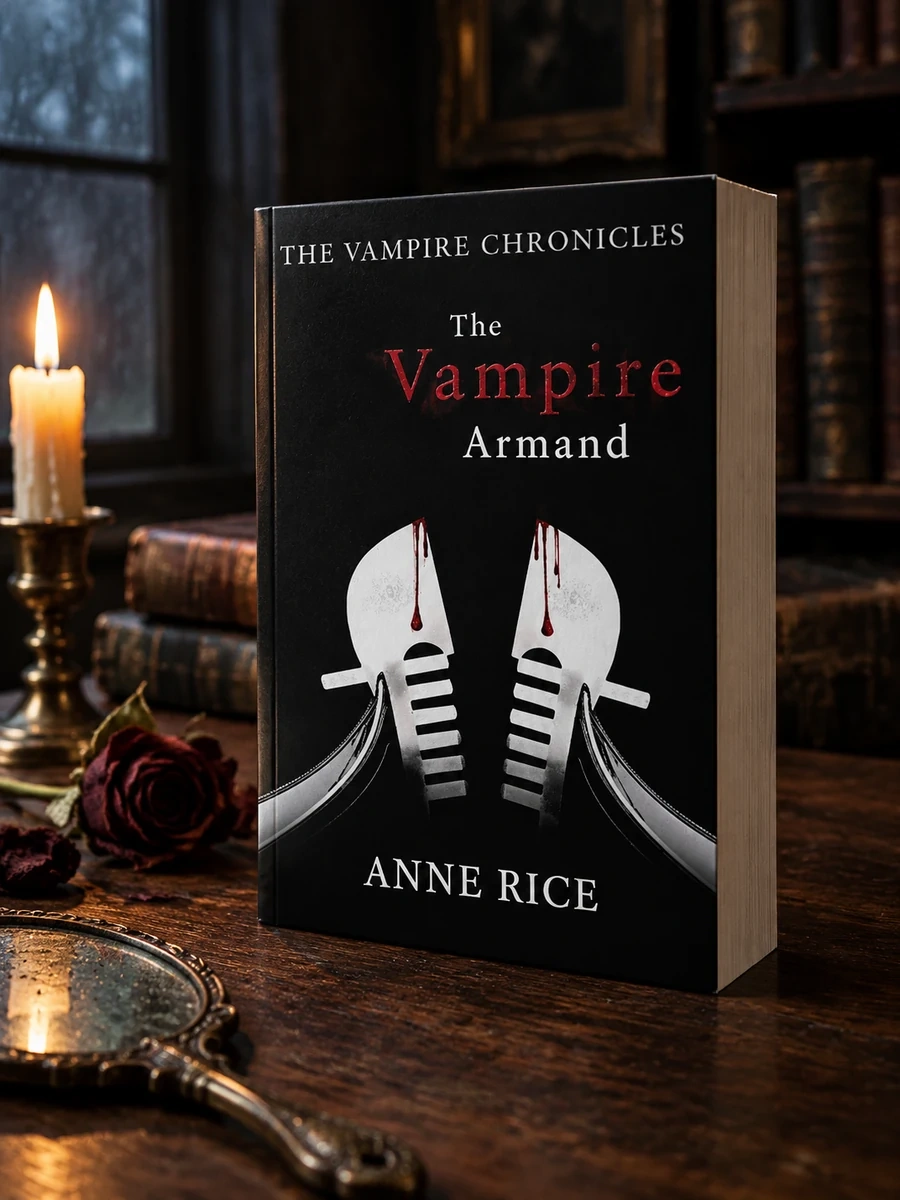
4. Vampire Armand
Armand shares his haunting centuries spanning Renaissance Venice, the grim Parisian theaters of the coven, and modern-day memories. Devotees of lush, psychological Gothic tales and fans of extended vampire lore will adore this exploration into Armand’s psyche. However, readers who prefer simple hero-villain dynamics should prepare for moral gray areas that challenge conventional perceptions of good and evil.
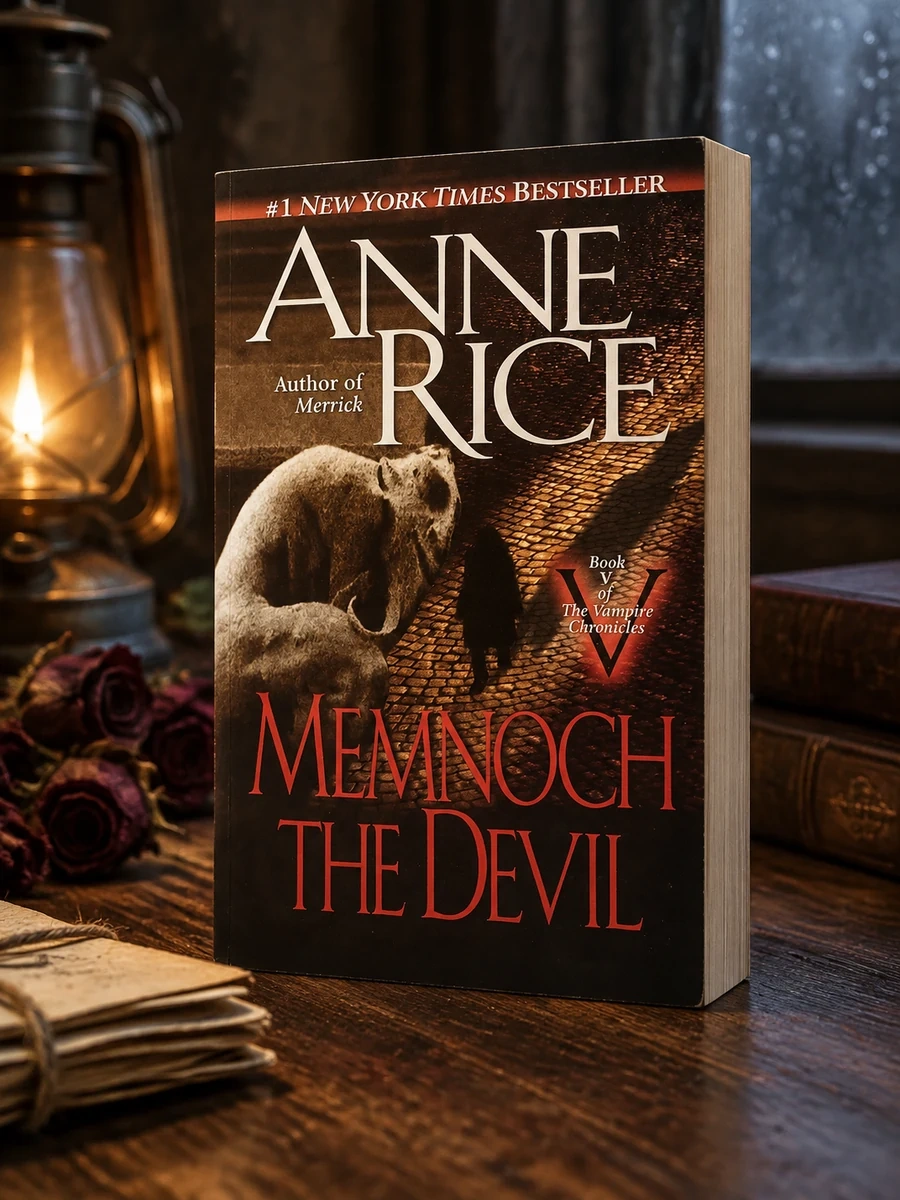
5. Memnoch the Devil
Lestat is recruited by the Devil himself to witness the creation of the universe and understand the true nature of good and evil. Seekers of philosophical horror and fans of complex vampire lore will devour this exploration into faith. However, those craving fast-paced action or traditional monster stories might find its theological weight unexpected, as it shifts the narrative into cosmic theology.
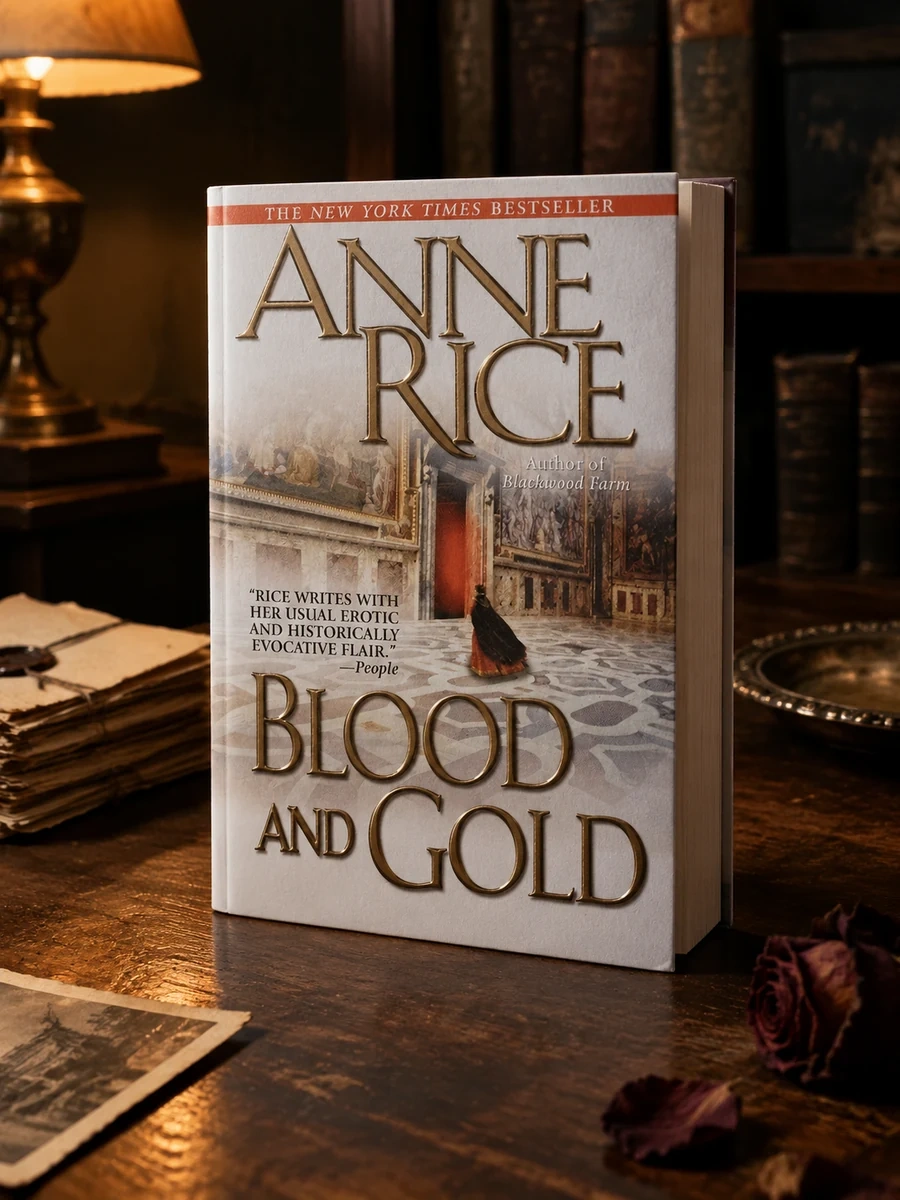
6. Blood and Gold
Marius recounts two millennia of existence, chronicling his guardianship of those who must be kept hidden from the mortal world. Fans of lush, atmospheric gothic novels will adore this exploration into immortal longing. If you prefer quick-paced thrillers or modern urban settings, this historical chronicle operates at a much more languid rhythm, emphasizing aesthetic beauty over immediate conflict.
Late-Era Additions and Crossovers
The later chapters of Rice's career brought characters full circle, blending her vampire mythology with adjacent supernatural explorations.
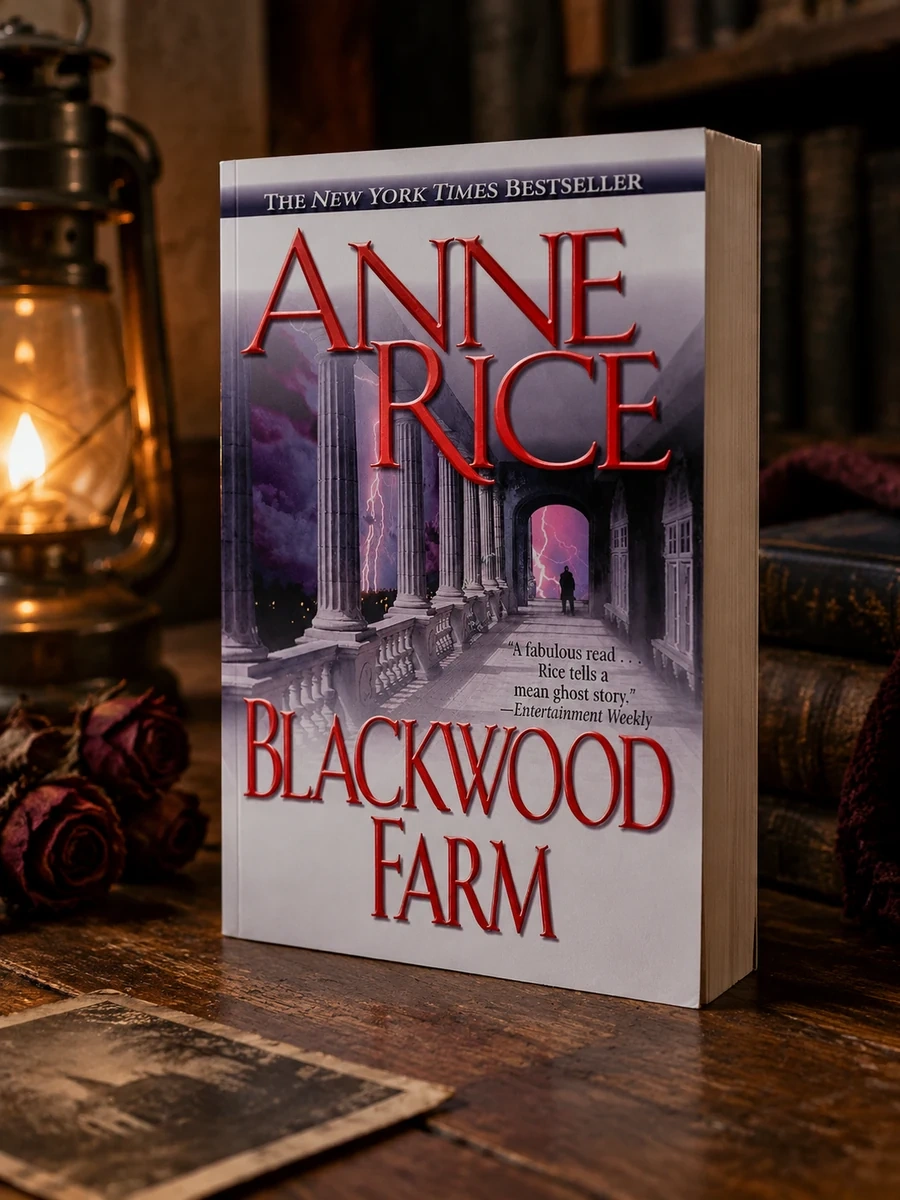
7. Blackwood Farm
Tarquin Blackwood seeks help from Lestat to rid himself of a persistent, malevolent spirit named Goblin while navigating a sprawling Louisiana family estate. Seekers of gothic romance and sprawling supernatural sagas will adore this epic crossover. However, if you prefer tight, standalone thrillers, its densely layered Southern family history requires patience. The book bridges classic gothic tropes with modern supernatural phenomena.
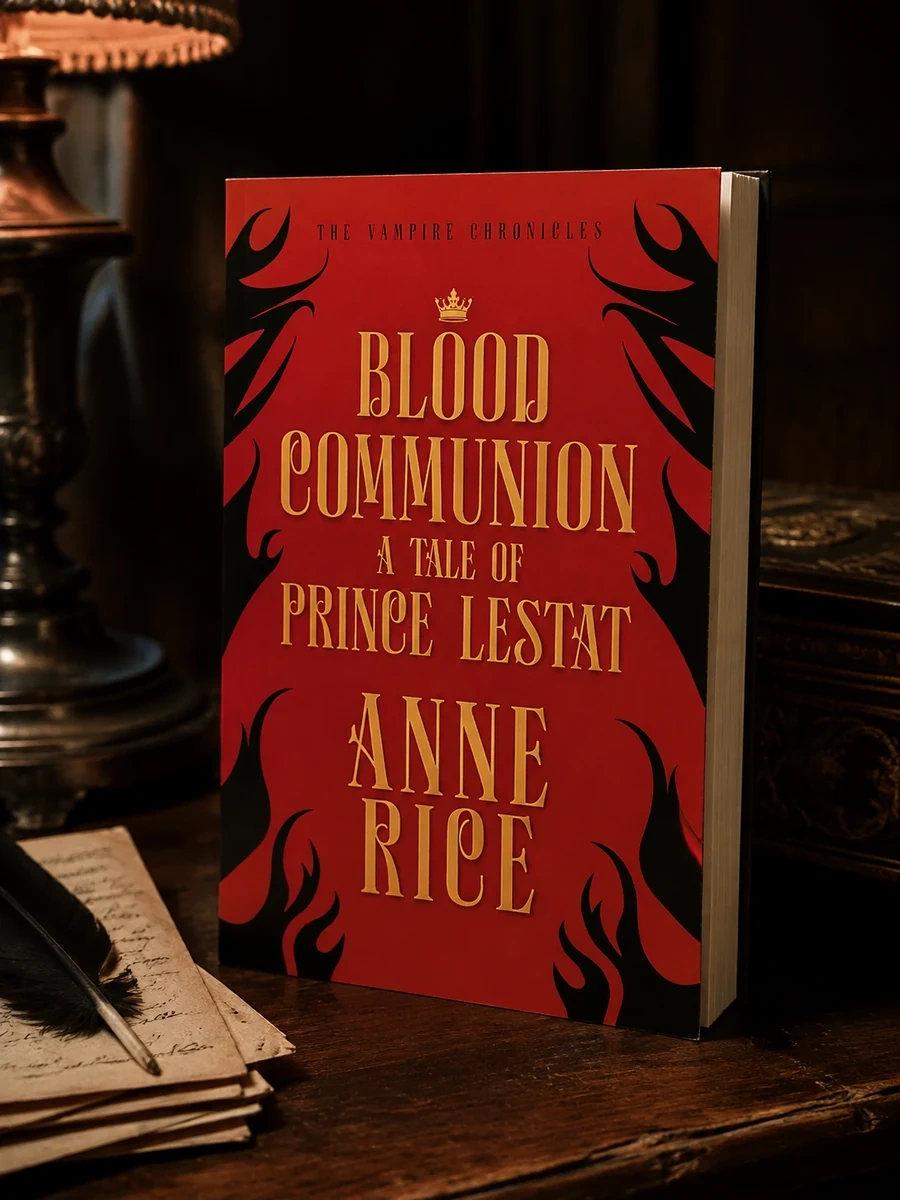
8. Blood Communion: A Tale of Prince Lestat (The Vampire Chronicles 13)
Lestat establishes a formal court and faces the trials of leading a fractured society of immortals into an uncertain era. This installment rewards longtime followers who have tracked Lestat's evolution from a rebellious mortal youth to a monarch of the night. It suits readers who appreciate internal political maneuvering among immortals over sudden, explosive violence, cementing the legacy of the entire series.
Choosing the Right Volume for Your Shelf
When selecting from Anne Rice's catalog, your choice depends entirely on your appetite for scale. If you prefer grounded, intimate confessions of eternal sorrow, begin with the early classics like Interview with the Vampire. If you are a dedicated collector chasing grand mythological world-building, Prince Lestat and the Realms of Atlantis: The Vampire Chronicles stands as the ultimate destination for seasoned fans of dark fantasy.