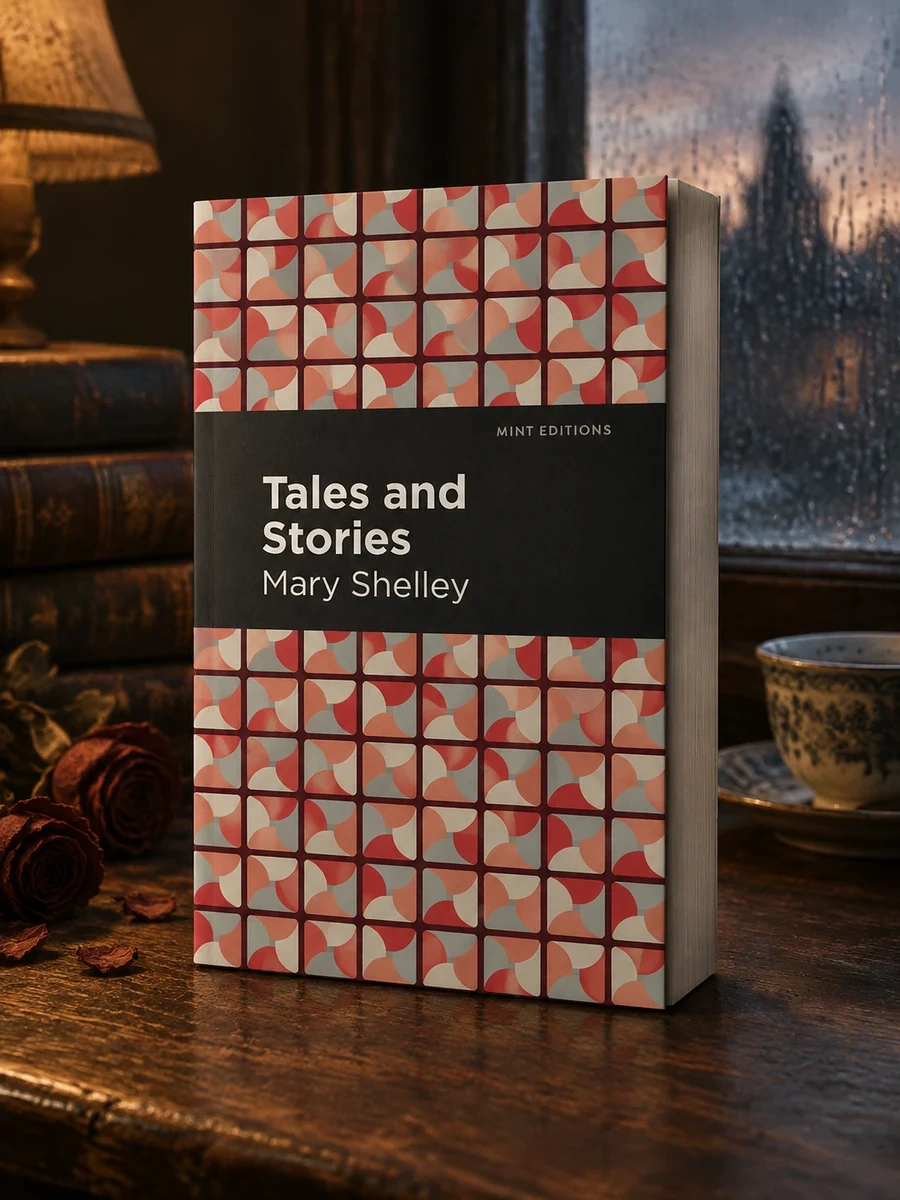
When readers pick up a book associated with early nineteenth-century literature, expectations often lean heavily toward standard Gothic tropes, supernatural creatures, or visceral terror. Mint Editions published Tales and Stories as an accessible volume that gathers disparate short stories into a single format, priced at around $14 on our gothic shelf. This collection provides a distinct look at the author's range in handling different genres, focusing on historical and personal drama rather than repeating the familiar elements of Frankenstein.
As an offering from our bookstore's catalogue, this medium-difficulty text sits firmly in the early nineteenth-century literary tradition. It draws heavily on a specific historical backdrop and personal tragedy, allowing readers to explore the broader literary output of a major historical figure without expecting modern jump scares or traditional monster tropes.
1. What it is about
The volume opens with an atmospheric scene on an Italian lake where a group gathers to watch the sunset. During this gathering, a narrator begins speaking with a beautiful Countess who shares a tragic tale. This frame narrative effectively sets the stage for the rest of the work, establishing an intimate tone built on specific character interactions.
From there, the collection shifts its focus to the violent and thrilling days of the Napoleonic Wars. These intense historical events are recounted by a storyteller during a time of peace, blending broader military conflict with intimate personal tragedies. The text relies heavily on character dynamics—particularly the dialogue and relationship between the Countess and the narrator—to drive the narrative forward through various shifts in perspective and setting.
The stories within this compilation showcase a distinct perspective on human suffering, ambition, and emotional resilience. Rather than relying on the supernatural mechanics that defined her most famous novel, the author grounds her narratives in the political and social realities of her time. The characters face moral dilemmas, heartbreak, and societal pressures that feel entirely grounded in historical experience.
Furthermore, the collection serves as a bridge between the Romantic literary sensibilities of the early 1800s and the rising interest in historical fiction. By setting various tales against the backdrop of real European conflicts and European landscapes, the volume provides texture and depth that appeal directly to readers who enjoy examining the historical environments that shaped nineteenth-century thought.
2. How it reads
The reading experience relies on a medium level of reading difficulty typical of early nineteenth-century prose. The pacing moves thoughtfully through the framing device on the Italian lake before transitioning into the historical accounts of the Napoleonic era. Rather than relying on rapid-fire action, fast-paced thrills, or visceral gore, the voice of the text is reflective, atmospheric, and character-driven.
Readers will find a distinct tone applied to personal tragedy and historical conflict. The atmosphere is shaped by romanticism and historical reflection, offering a quiet, deliberate exploration of human conflict and emotional fallout during a time of peace following immense war. The prose style exhibits the formal diction, lengthy descriptive passages, and emotional intensity characteristic of the Romantic period.
The pacing throughout the collection requires patience and attentiveness from the reader. Because the narratives often start with observational framing devices before moving into substantive historical or personal recollections, the momentum builds gradually. This structure encourages readers to absorb the psychological motivations of the characters and appreciate the rich environmental descriptions that establish the mood of each distinct tale.
For those accustomed to the brisk pacing of modern literature, transitioning into these nineteenth-century cadences may require a brief adjustment period. However, the reward for this patience is an immersive encounter with prose that prioritizes emotional resonance, philosophical reflection, and atmospheric nuance over superficial plot twists or cheap thrills.
3. Who it suits, and who it does not
This collection is ideal for readers interested in early nineteenth-century literature who wish to understand the author's broader literary output and versatility. Those fascinated by Napoleonic War tales, character-driven interactions like those between the Countess and the narrator, and Gothic frame narratives will find much to appreciate in this accessible format.
Conversely, it may not satisfy readers seeking only supernatural creatures, monsters, or modern jump scares. Because the text pivots away from fantastical horror into historical and personal drama, those looking for fast-paced genre scares should adjust their expectations accordingly. Readers who prefer contemporary storytelling styles with rapid plot advancement might also find the formal syntax and contemplative pacing challenging.
Additionally, enthusiasts of literary history will benefit significantly from engaging with this volume. It demonstrates that the author's creative capabilities extended far beyond science fiction and foundational horror tropes, offering valuable context for scholars and general readers alike who wish to view her entire body of work in a more comprehensive light.
4. If you liked this
Tales and Stories — Mary Shelley
You will love this if you admire early nineteenth-century literary nuances, Napoleonic history, or Shelley’s lesser-known narrative versatility. Check out Tales and Stories.
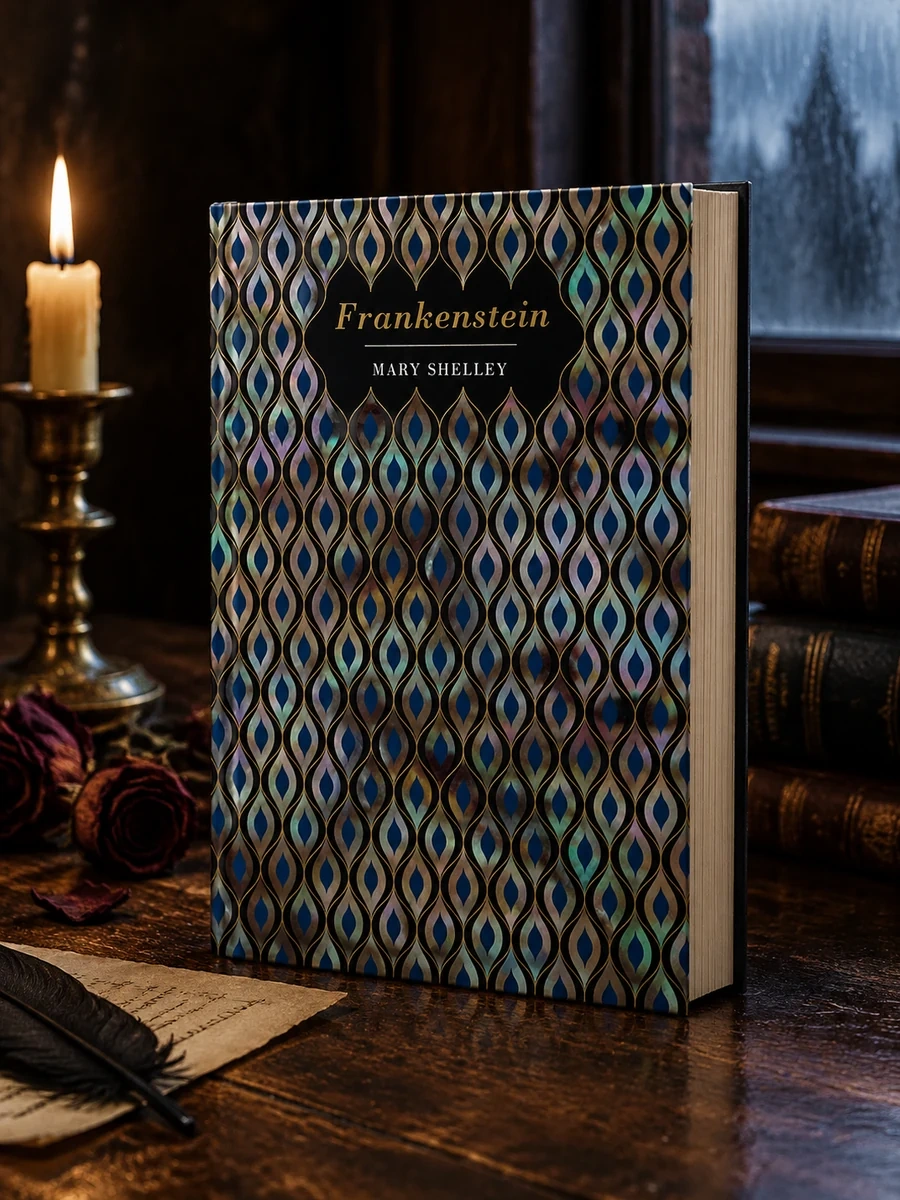
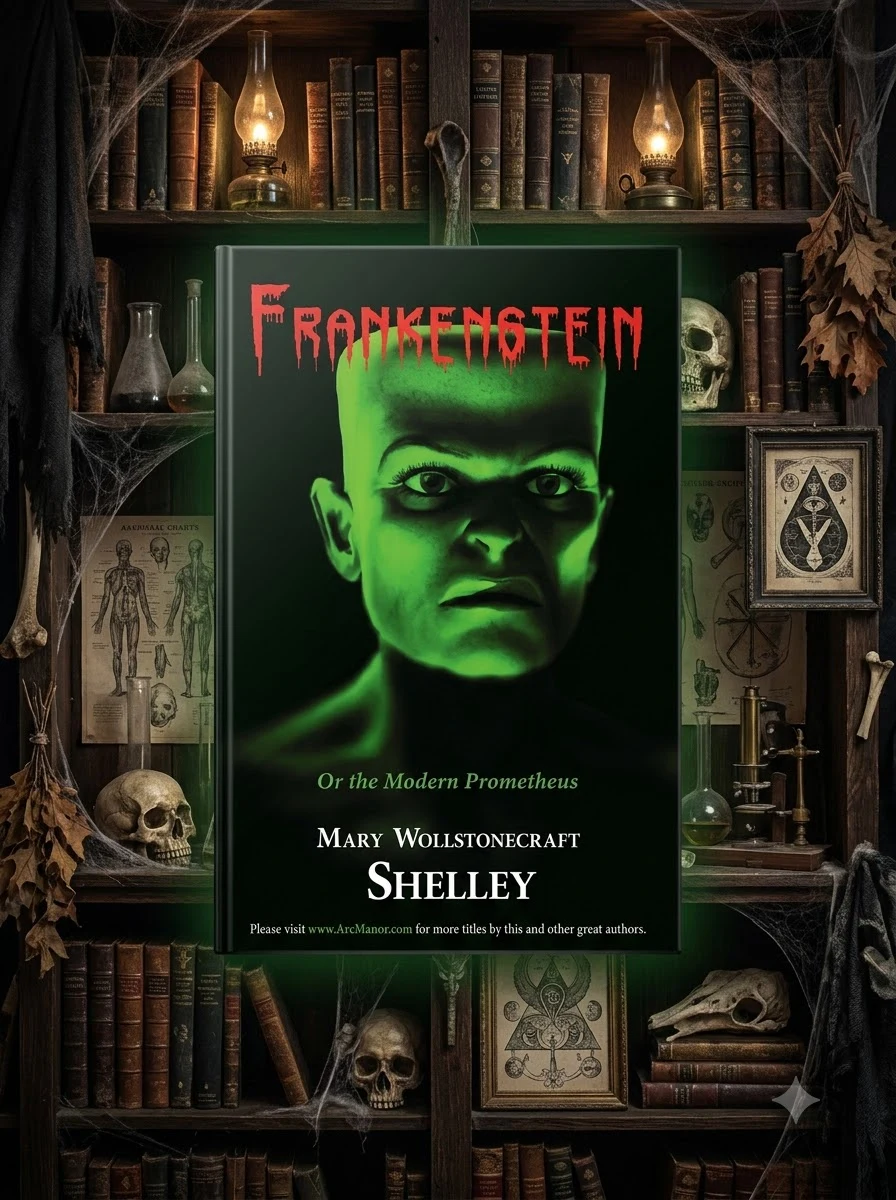
Frankenstein — Mary Wollstonecraft Shelley
Readers interested in exploring the foundational monster narrative by the same creator will find this classic essential. View details for Frankenstein.
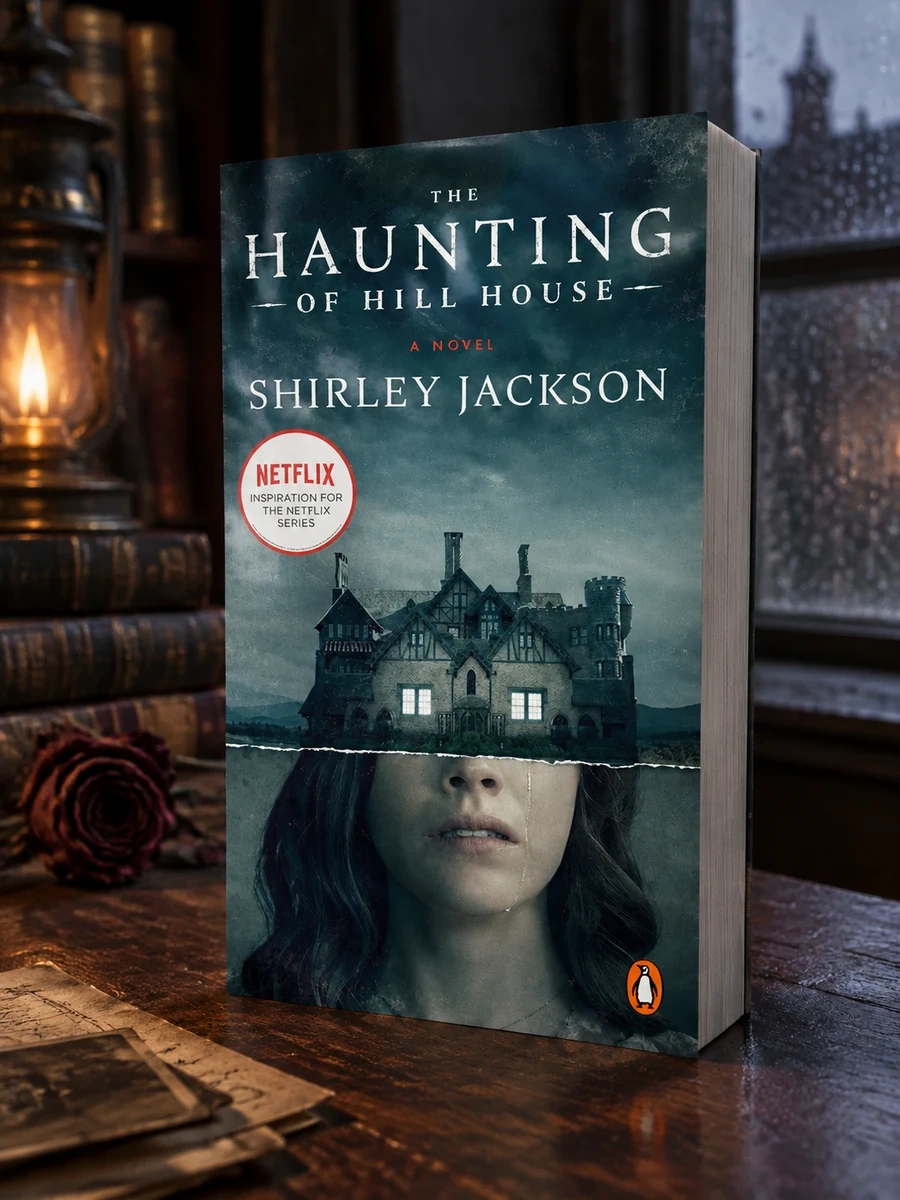
The Haunting of Hill House — Shirley Jackson
Seekers of psychological dread who appreciate slow-burn tension and complex character dynamics will adore this. If you prefer jump scares, look elsewhere. Explore The Haunting of Hill House.
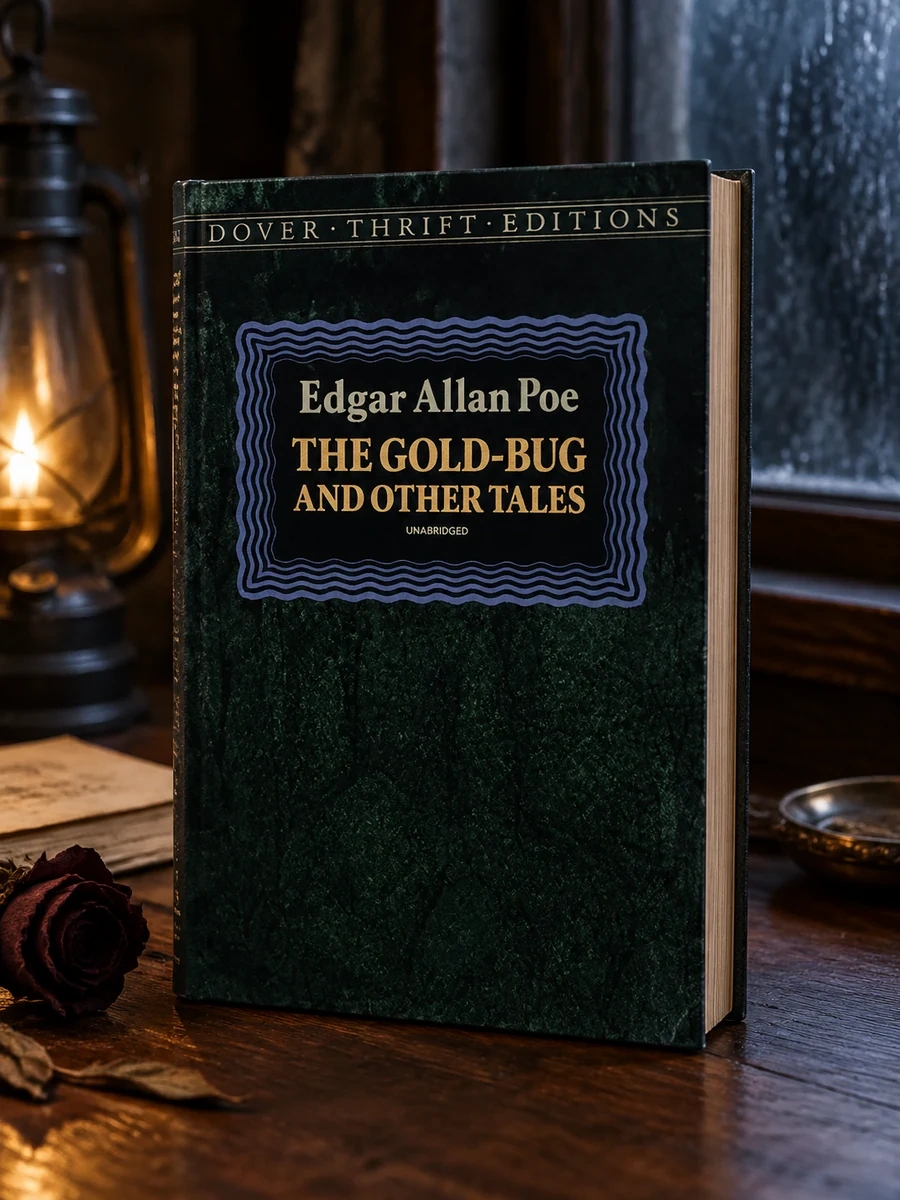
The Gold-Bug and Other Tales — Edgar Allan Poe
Fans of classic nineteenth-century short fiction and intricate narrative puzzles will appreciate these selected works. Discover The Gold-Bug and Other Tales.
Frankenstein (With Reproduction of the Inside Cover Illustration of the 1831 Edition) — Mary Shelley
This edition offers a historical window into the classic text with unique visual elements for collectors. See Frankenstein (With Reproduction of the Inside Cover Illustration of the 1831 Edition).
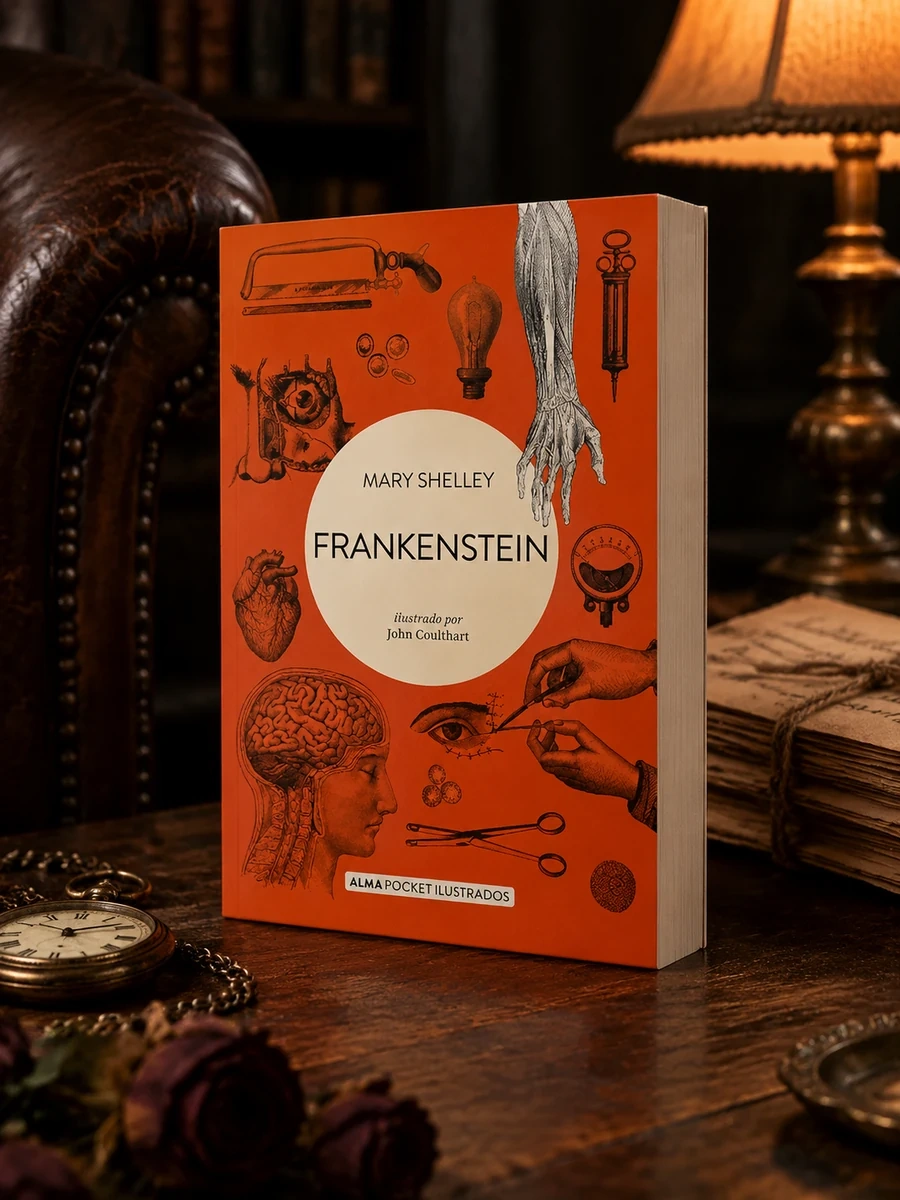
Frankenstein — Mary Shelley
An alternative printing of the classic gothic novel that established enduring science fiction tropes. Learn more about Frankenstein.
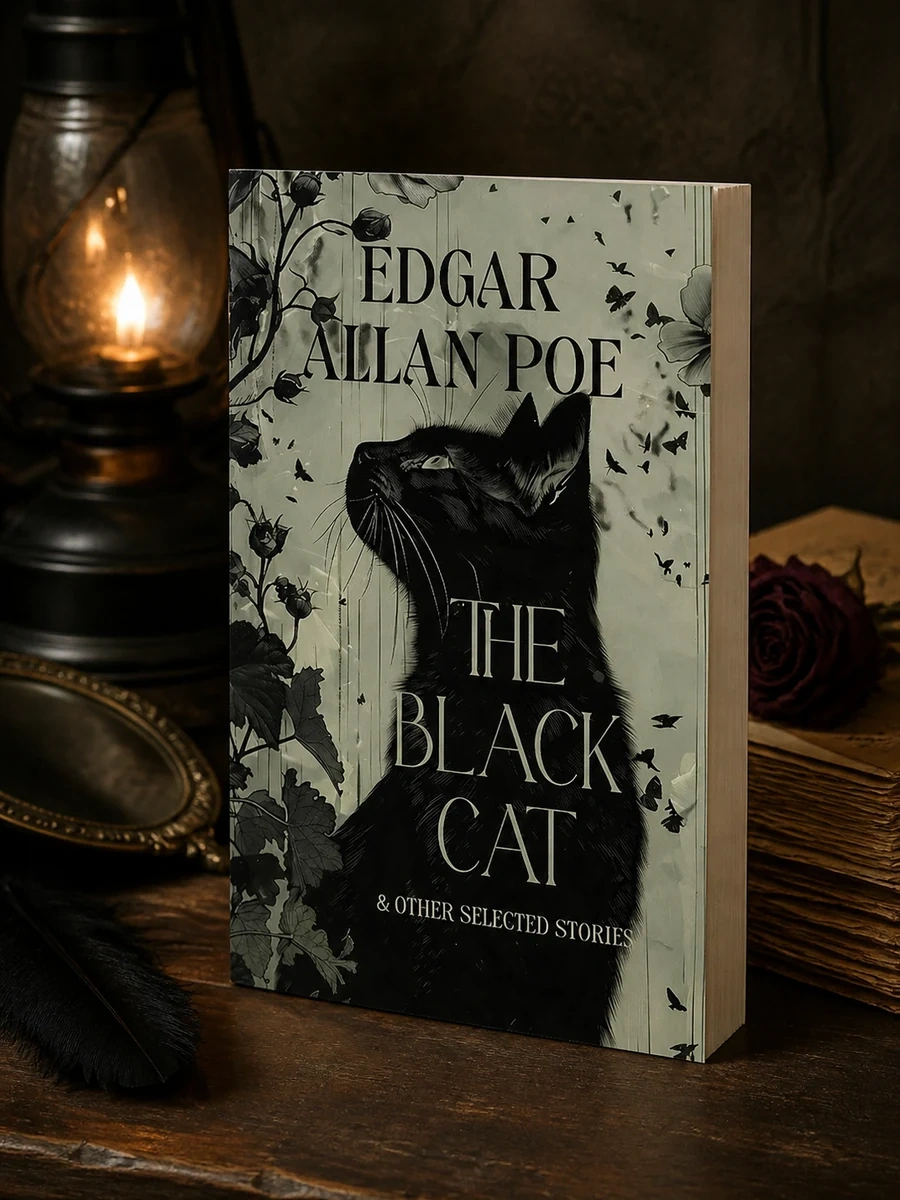
The Black Cat & Other Selected Stories — Edgar Allan Poe
Ideal for devotees of classic American Gothic and psychological dread who appreciate slow-burn atmospheric terror over visceral gore. See The Black Cat & Other Selected Stories.
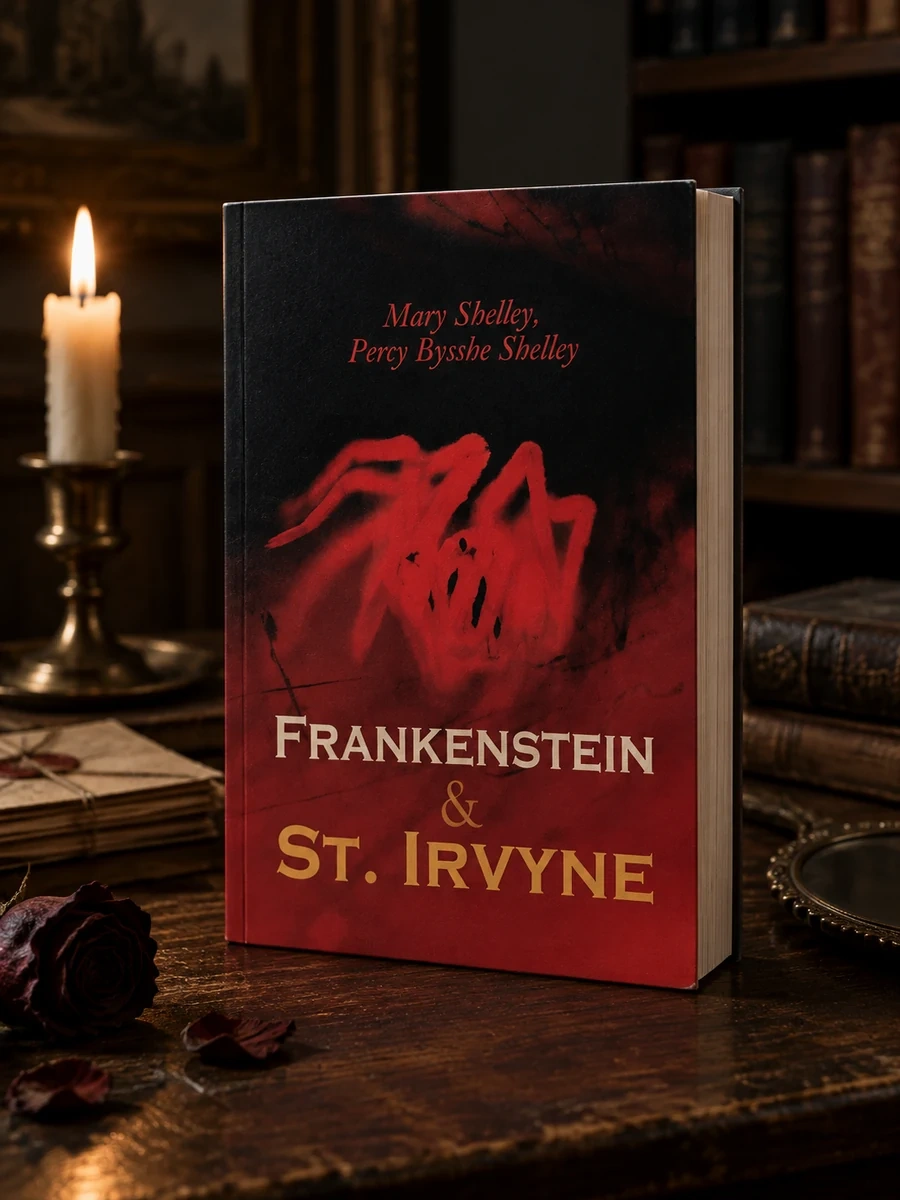
Frankenstein & St. Irvyne: Two Gothic Novels by the Shelleys — Mary Shelley
A paired volume showcasing dual Gothic explorations from the same literary circle. Find out about Frankenstein & St. Irvyne: Two Gothic Novels by the Shelleys.