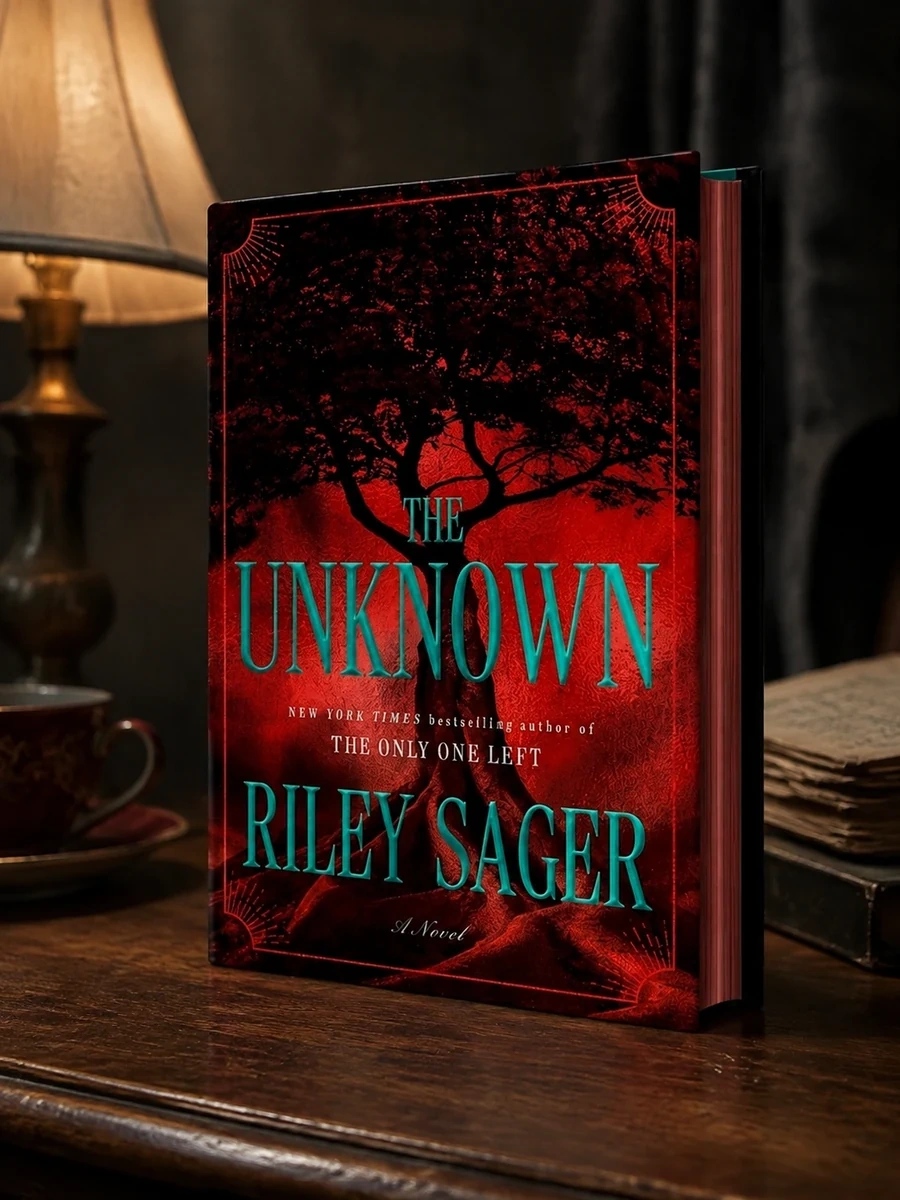
When a new title lands on our shelves, our team at Horror Reads takes the time to look closely at what it offers to readers who live for suspense. The Unknown arrives with a premise that immediately catches the eye of anyone drawn to isolated locations and dark historical echoes. Set against the backdrop of a remote Vermont island, it blends modern filmmaking with a century-old tragedy, leaning heavily into the conventions of classic gothic mysteries and spiritualist dread.
Priced in the $30-$35 range, this release brings a weighty narrative presence that fits comfortably within our horror-fiction catalogue. As a bookstore that caters to readers seeking genuine atmosphere rather than quick cheap scares, we examined how well the book sustains its tension, manages its dual timelines, and handles the claustrophobia of its setting. Here is our assessment of what works, what to expect, and who will find this story most rewarding.
1. What it is about
The narrative is anchored by struggling actress Marin Keane, who accepts a role in a film focusing on New Avalon, an island in Lake Faraday, Vermont. One century prior, in 1926, five women vanished from the island after a seance gone wrong, leaving behind a commune mystery that has lingered for generations. Marin joins a cast that includes legendary actress Violet Wright and director Ronan Peters for a research trip designed to inform the production.
Things quickly go wrong when a sudden health emergency strands the entire group on the remote island. As strange noises echo through the night and mysterious symbols begin to appear, the cast realizes that the island's dark history is actively resurfacing. The disappearances start again, mirroring the events of 1926 when five dresses were found hanging from an oak tree. To understand what truly happened to the commune members, Marin relies on the historical diary of Daisy Rue. The plot constantly questions whether a human saboteur is disrupting the production or if genuine supernatural forces are at work on the isolated landmass.
2. How it reads
The pacing of the book reflects a steady, atmospheric build rather than a breakneck sprint. By alternating between present-day filming and the historical context provided by Daisy Rue's diary entries, the narrative allows readers to piece together the truth alongside Marin. This structural choice builds tension through isolation and the uncanny, creeping resemblance between past and present events.
The writing relies on mounting fear and suspicion among the trapped actors rather than explicit gore. The tone is heavily atmospheric, drawing on the tradition of seance horror and isolated community mysteries. It reads as a deliberate investigation into past tragedies, keeping the reader guessing about the nature of the threat. The isolation of Lake Faraday compounds the psychological pressure, forcing every character to confront their own hidden motives and fears while the external environment closes in around them.
3. Who it suits, and who it does not
This book suits readers who enjoy gothic mysteries rooted in specific historical events and those who appreciate detailed investigations into past tragedies. If you adore dual timelines, trapped-island suspense, and the slow burn of psychological suspicion among characters cut off from the mainland, you will find plenty to appreciate here.
It may not appeal to those seeking lighthearted entertainment or fast-paced action without atmospheric dread. Readers who prefer immediate, high-octane thrills and straightforward monster features might find the historical diary segments and slow-building investigation too measured for their taste. The emphasis is squarely on psychological atmosphere, interpersonal paranoia, and historical deduction, making it an ideal choice for patient readers who savor every layer of a complex, winding mystery.
4. If you liked this
If the themes of The Unknown align with your reading tastes, consider exploring these related titles from our catalogue:
5. The Unknown — Riley Sager
If you adore atmospheric gothic thrillers with dual timelines and trapped-island suspense, this is your next read. However, readers preferring The Unknown will find a familiar yet distinct flavor of isolation and mystery.
6. The Yellow Wallpaper — Charlotte Perkins Gilman
A classic exploration of psychological confinement, historical framing of distress, and creeping dread. Find it in our collection at The Yellow Wallpaper.
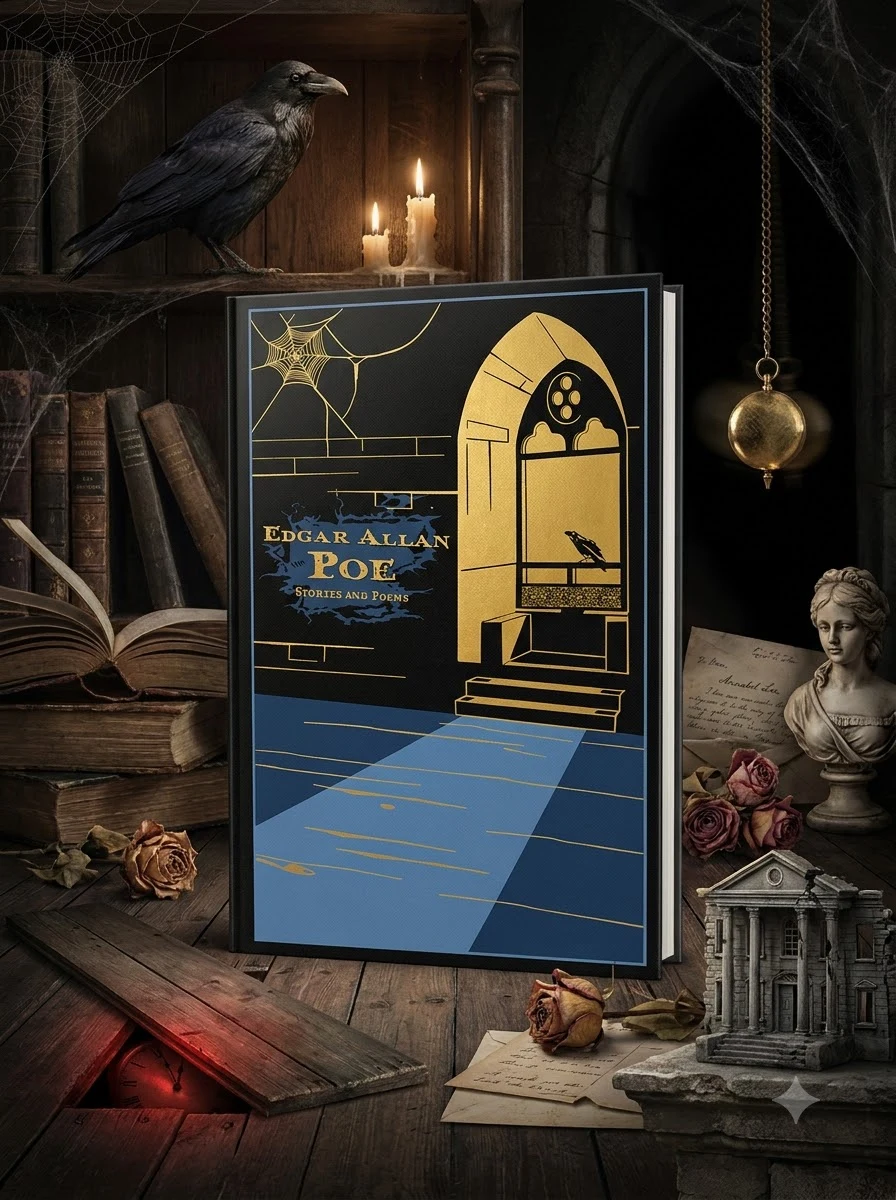
7. Edgar Allan Poe: Collected Works — Edgar Allan Poe
A comprehensive gathering of dark tales and macabre verse that established many foundational tropes of American gothic horror. Explore this essential volume at Edgar Allan Poe: Collected Works.
8. Frankenstein — Mary Wollstonecraft Shelley
A timeless masterwork examining ambition, isolation, and the terrifying consequences of scientific overreach. Discover details for Frankenstein.
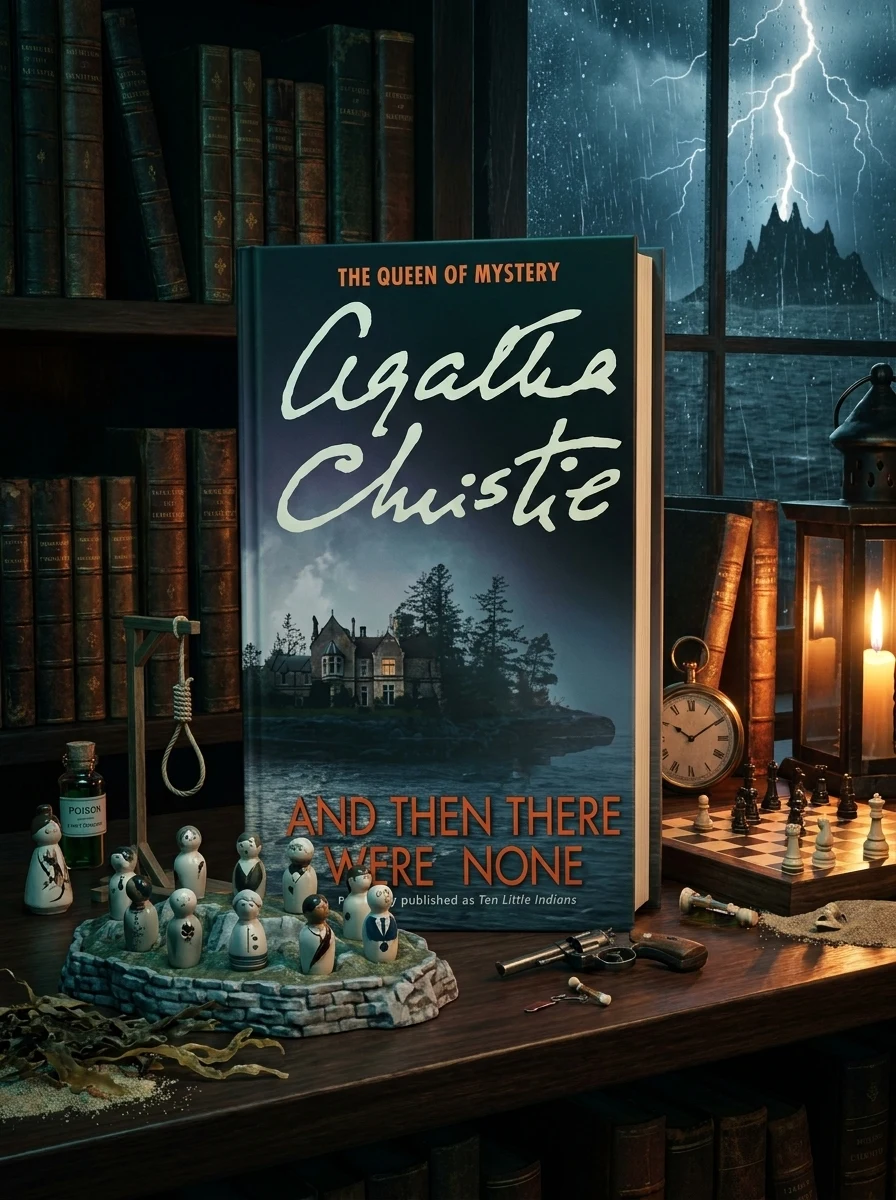
9. And Then There Were None — Agatha Christie
The ultimate blueprint for a trapped group on a remote location facing systematic disappearances and mounting paranoia. Explore details for And Then There Were None.
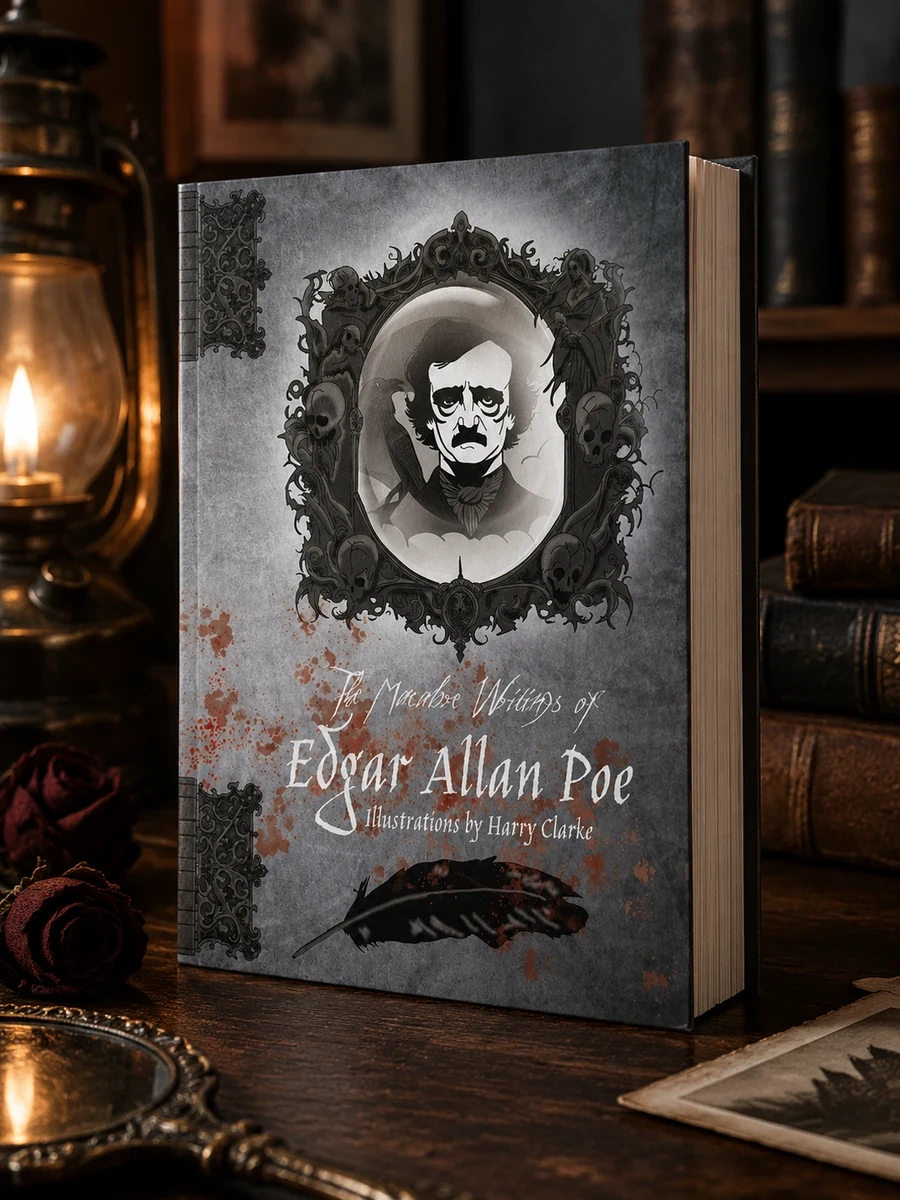
10. The Macabre Writings of Edgar Allan Poe — Edgar Allan Poe
Readers craving gothic atmosphere and psychological dread will adore this collection. However, those preferring fast-paced action or lighthearted escapism should approach with caution. Find more information on The Macabre Writings of Edgar Allan Poe.
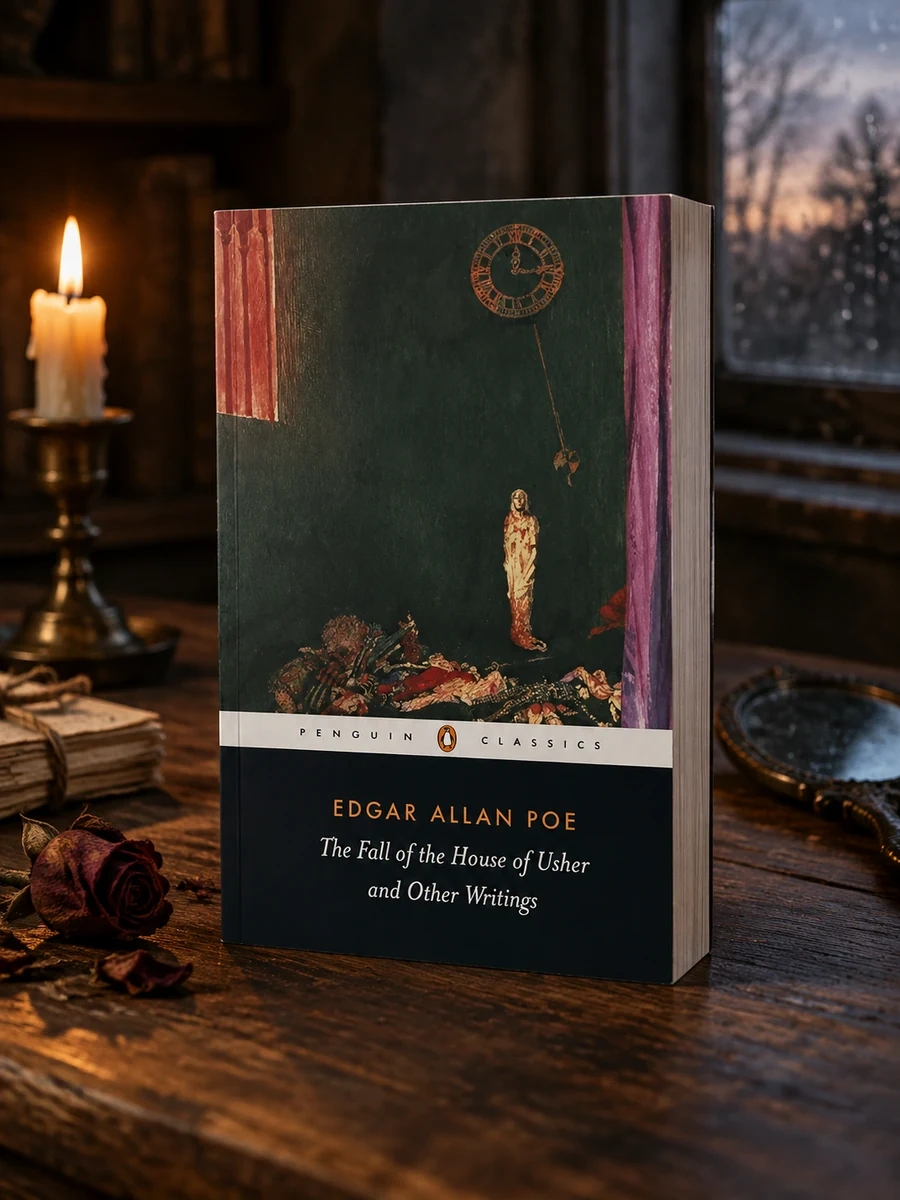
11. The Fall of the House of Usher and Other Writings: Poems, Tales, Essays, and Reviews — Edgar Allan Poe
Seekers of psychological dread, gothic atmosphere, and classic dark motifs will cherish this collection. Discover more via The Fall of the House of Usher and Other Writings: Poems, Tales, Essays, and Reviews.
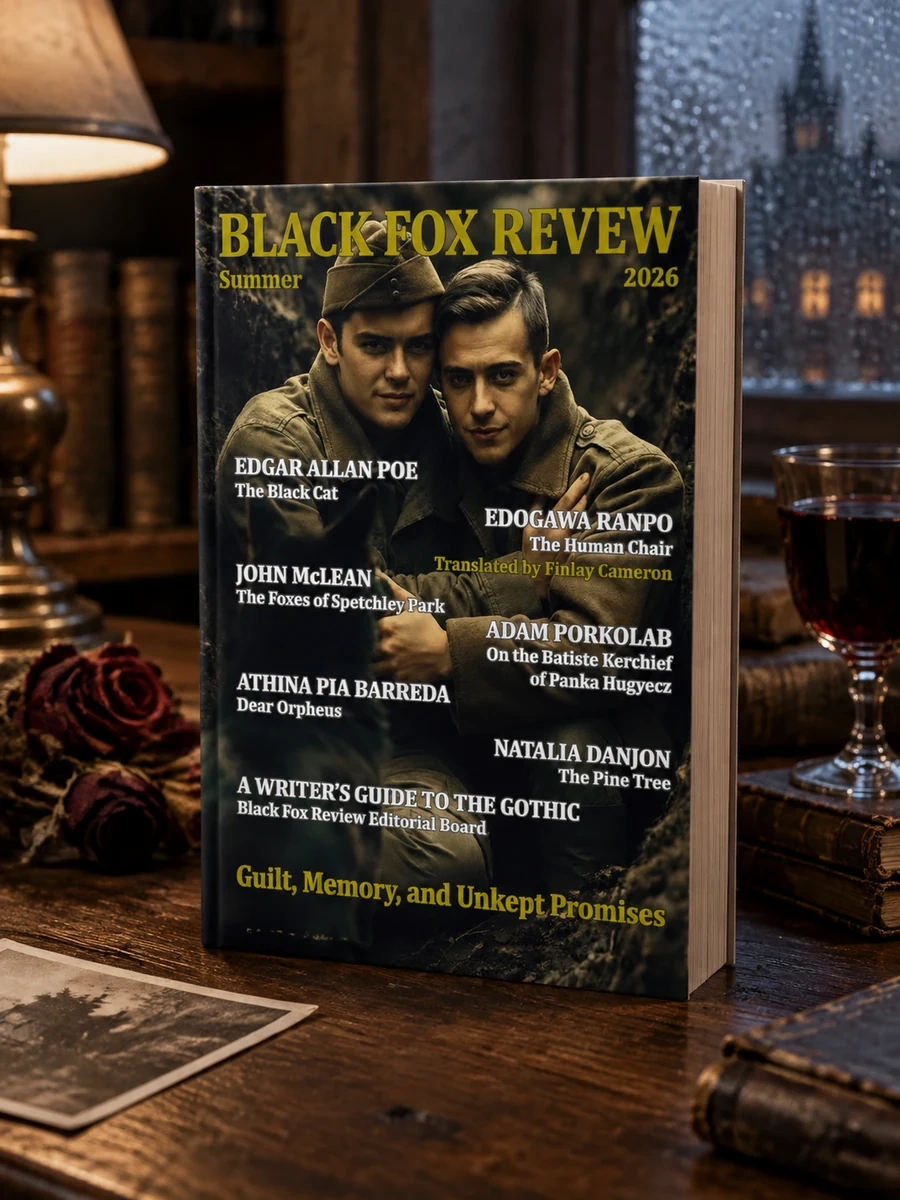
12. Black Fox Review - Summer 2026: Guilt, Memory, and Unkept Promises (Gothic Shorts) — Edgar Allan Poe
Seekers of classic dread and psychological torment will find this collection irresistible. If you prefer lighthearted tales or modern thrillers, check out Black Fox Review - Summer 2026: Guilt, Memory, and Unkept Promises (Gothic Shorts).
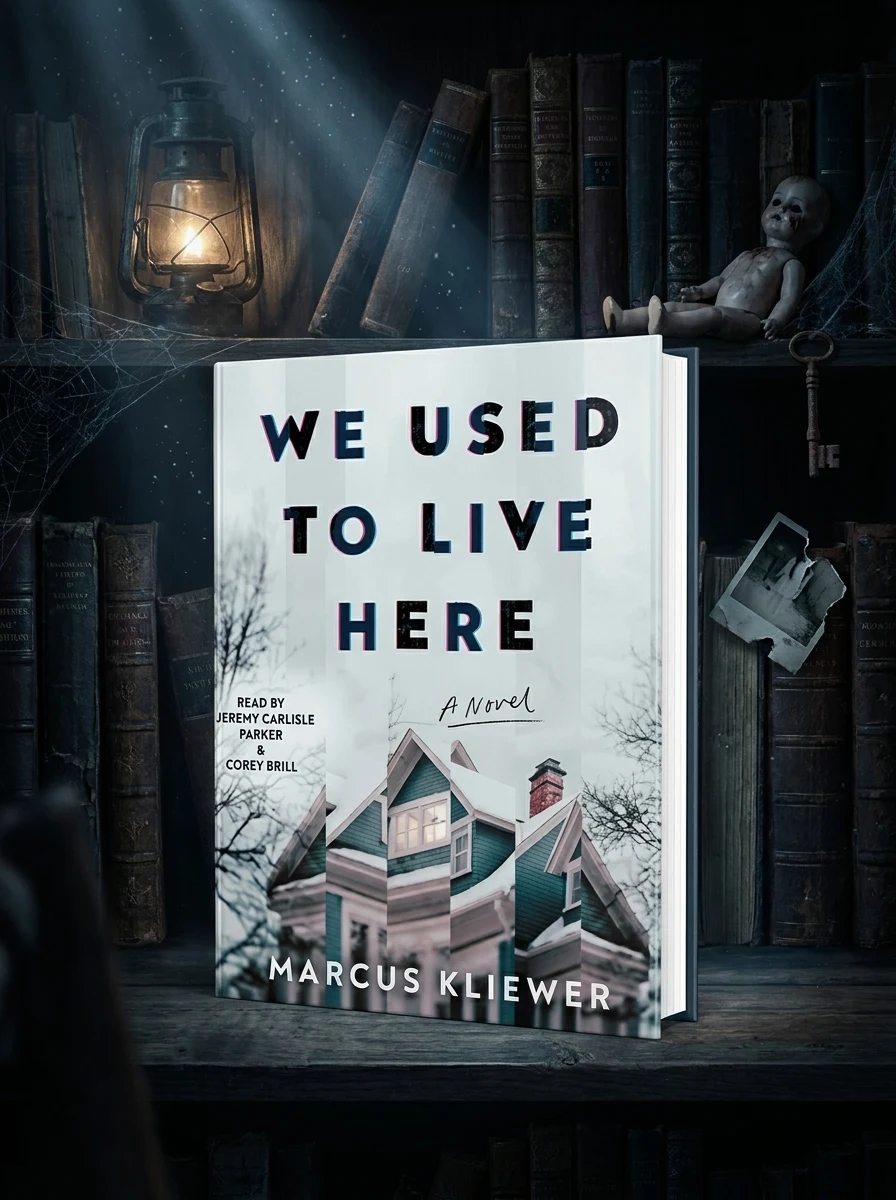
13. We Used to Live Here — Marcus Kliewer
A modern tale of psychological tension, strange occurrences within a confined home space, and unsettling revelations. Learn more about We Used to Live Here.
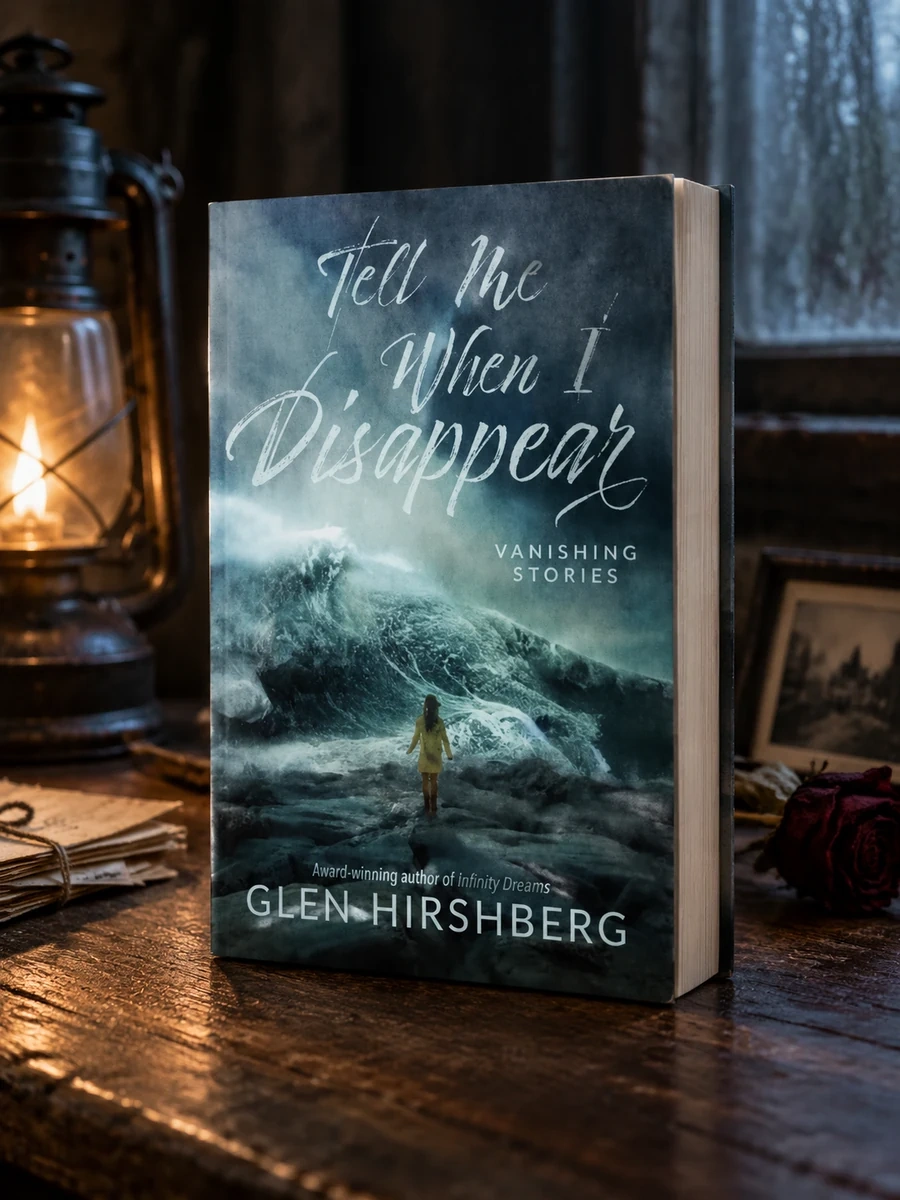
14. Tell Me When I Disappear — Glen Hirshberg
An eerie narrative dealing with disappearance, mystery, and haunting past events. Browse our catalogue listing for Tell Me When I Disappear.