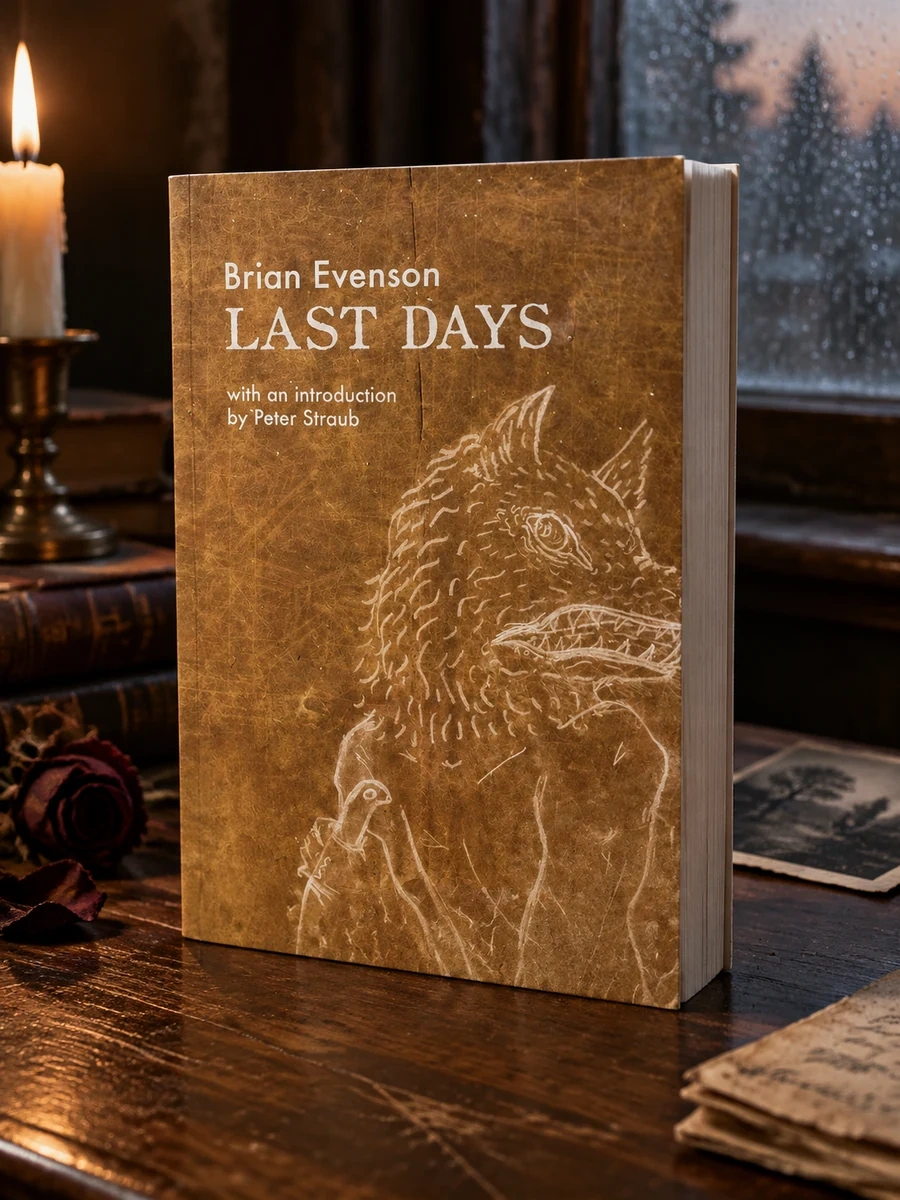
When looking for a novel that completely immerses you in the unsettling mechanics of religious fanaticism and extreme psychological pressure, contemporary horror fiction offers few works as uncompromising as Last Days. Published by Coffee House Press in 2016 and priced in the eighteen-dollar range, this challenging title delivers a dark, atmospheric exploration of belief, coercion, and bodily autonomy. It sits squarely within traditions of gothic horror, leaning heavily into supernatural dread without relying on conventional, lighthearted tropes or straightforward mystery resolutions.
For readers who appreciate complex narratives where the horror stems from human fanaticism intertwined with cosmic dread, this work provides a rigorous test of endurance. It avoids comforting narrative arcs, choosing instead to focus tightly on the grim realities of forced recruitment and the shattering of personal agency under extreme duress. Every chapter builds upon a foundation of relentless psychological pressure, challenging the protagonist and the audience to confront the darkest corners of human motivation and obsessive faith.
The structural pacing matches the oppressive atmosphere of the narrative, refusing to grant easy reprieves or quick structural releases. Instead, the novel forces a slow, methodical march through institutionalized madness, making every revelation feel earned and every confrontation heavier than the last. This deliberate approach ensures that the terror is not merely situational, but systemic, woven into the very fabric of the cult's daily existence and its terrifying demands.
1. Thematic Foundations and Core Premise
The narrative centers on Kline, a man who is forcibly recruited and kidnapped by a dark, underground sect. This secretive group holds the intense belief that physical removal brings an individual closer to God, practicing an extreme form of religious extremism centered around amputation.
Kline is brought into the fold to investigate the murder of the cult's leader. Thrust directly into internal affairs and violent expectations, his journey involves trying to uncover the truth behind the assassination while navigating his own survival. As he moves deeper into the sect's inner workings, he faces grim alternatives: securing his own escape, taking on the mantle of prophet, or destroying everything he witnesses with biblical violence. The story remains closely grounded in Kline's specific actions and the oppressive, violent expectations of the sect he is forced to serve.
Within this grim ecosystem, individual identity is systematically dismantled. The cult operates as a closed loop of ideological purity, where every member has surrendered their autonomy to the overarching dogma. Kline's investigation serves as the reader's primary lens into this grotesque reality, exposing the meticulous mechanics of psychological conditioning and physical coercion. The writing details the slow erosion of free will, emphasizing how ordinary people can be molded into instruments of fanaticism through isolation, fear, and systematic trauma.
2. Stylistic Execution and Reading Experience
The reading experience is distinctly challenging and intellectually demanding. Rather than offering fast-paced thrills, the book relies on a dense, atmospheric style to capture the heavy psychological toll of recruitment into a fanatical environment. The prose reflects a distinct voice within the genre, drawing on traditions of supernatural fiction and religious extremism to create a constant sense of unease.
The pacing reflects Kline's forced participation and captivity, forcing the reader to sit with the mounting dread and the claustrophobic dynamics of the cult. It is not designed to be an easy or comforting read; instead, it confronts readers with graphic and disturbing conceptual territory regarding faith, violence, and bodily sacrifice.
Furthermore, the linguistic construction of the novel mirrors its thematic weight. Sentences are constructed with deliberate density, creating an auditory and cognitive rhythm that feels suffocating and relentless. There are no moments of comedic relief or narrative breathing room; the author maintains an unyielding grip on the audience's attention, ensuring that the psychological weight of Kline's predicament is felt on every single page. This level of commitment to tone and atmosphere establishes the work as a masterclass in sustained dread.
3. Audience Alignment and Suitability
This book suits readers who enjoy complex plots involving intricate cult dynamics, supernatural elements, and dark psychological pressure. It is ideal for enthusiasts of dark fantasy and cosmic horror who appreciate stories grounded in intense character actions and rigorous examinations of fanaticism.
Conversely, it may not appeal to those seeking lighthearted entertainment, casual reads, or straightforward mystery solutions devoid of horror undertones. Anyone sensitive to depictions of religious extremism, bodily mutilation, or severe psychological torment should approach with caution.
For the right reader, however, the rewards are profound. It offers a rare type of intellectual horror that challenges preconceptions about safety, community, and belief systems. It demands patience and active engagement, rewarding those who are willing to withstand its darkest passages with a deeply memorable and intellectually stimulating reading experience that lingers long after the final page is turned.
4. Catalog Connections and Further Reading
If the dark psychological torment and complex cult dynamics of Last Days appeal to you, consider exploring these similar titles from our catalogue:
Mary Wollstonecraft Shelley — Frankenstein
A classic exploration of scientific hubris and psychological isolation that laid the groundwork for modern gothic horror. Explore Frankenstein.
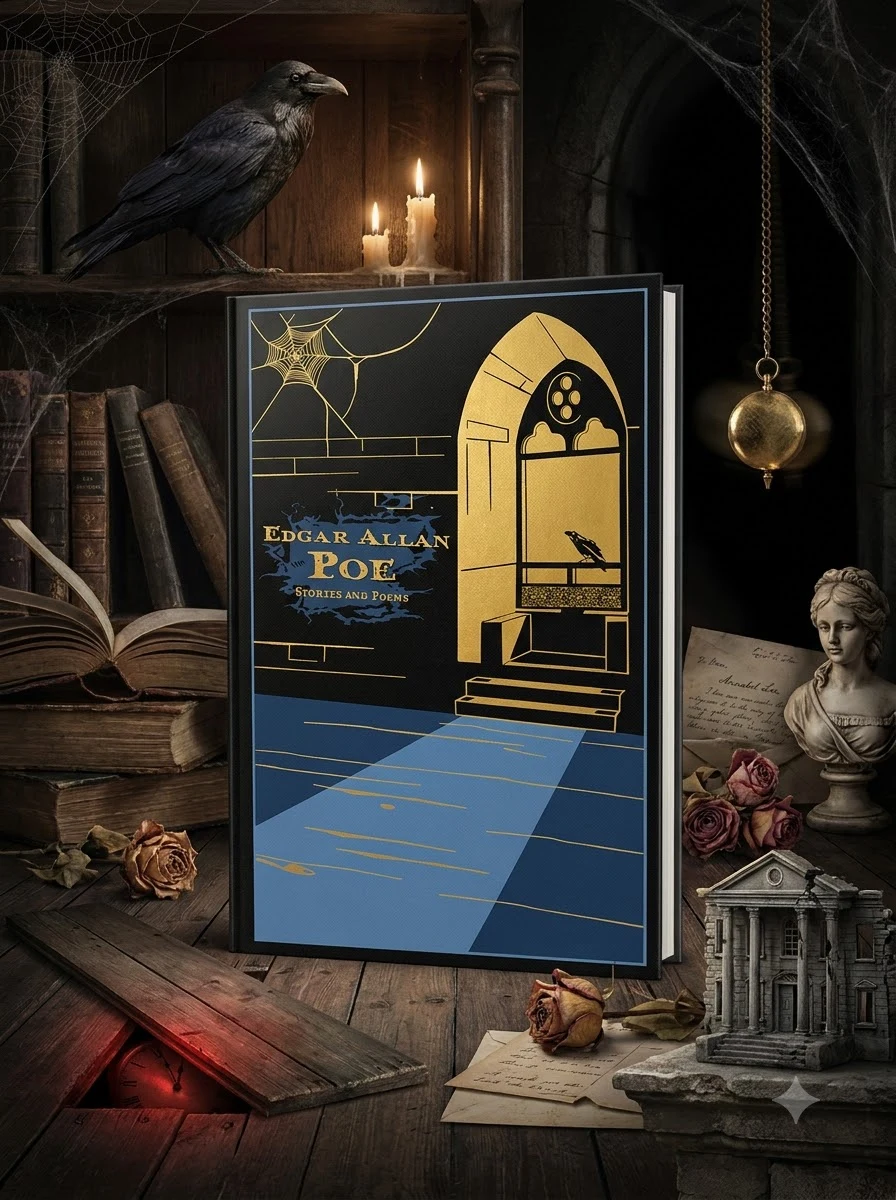
Edgar Allan Poe — Edgar Allan Poe: Collected Works
An essential volume of macabre tales and psychological dread from a master of atmospheric horror. Discover Edgar Allan Poe: Collected Works.
Charlotte Perkins Gilman — The Yellow Wallpaper
A chilling, claustrophobic look at psychological deterioration and confinement. Check out The Yellow Wallpaper.
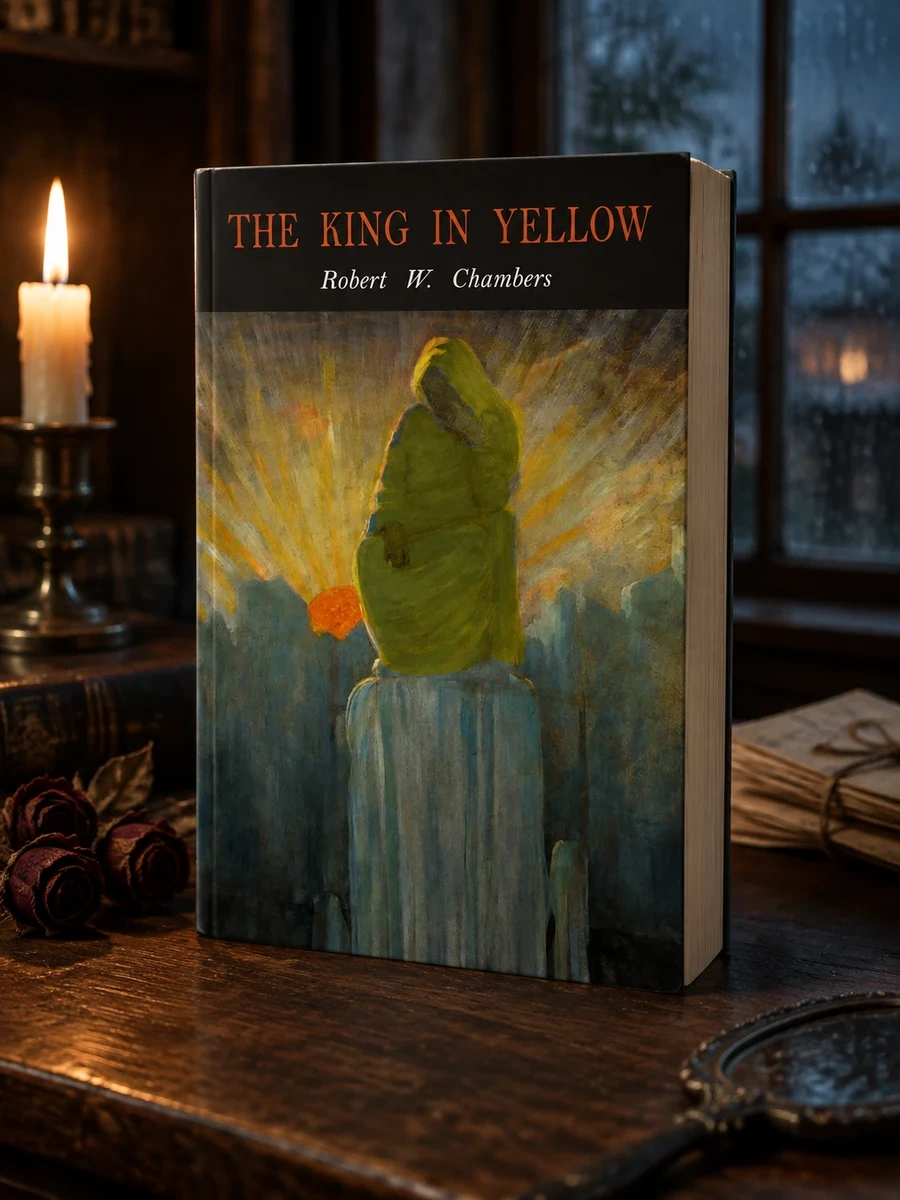
Robert W Chambers — The King in Yellow
A collection of eerie, interconnected weird fiction stories that plays heavily with themes of madness and supernatural dread. Read The King in Yellow.
Joseph Sheridan Le Fanu — In a Glass Darkly
A classic collection of supernatural mystery and haunting psychological horror tales. Take a look at In a Glass Darkly.
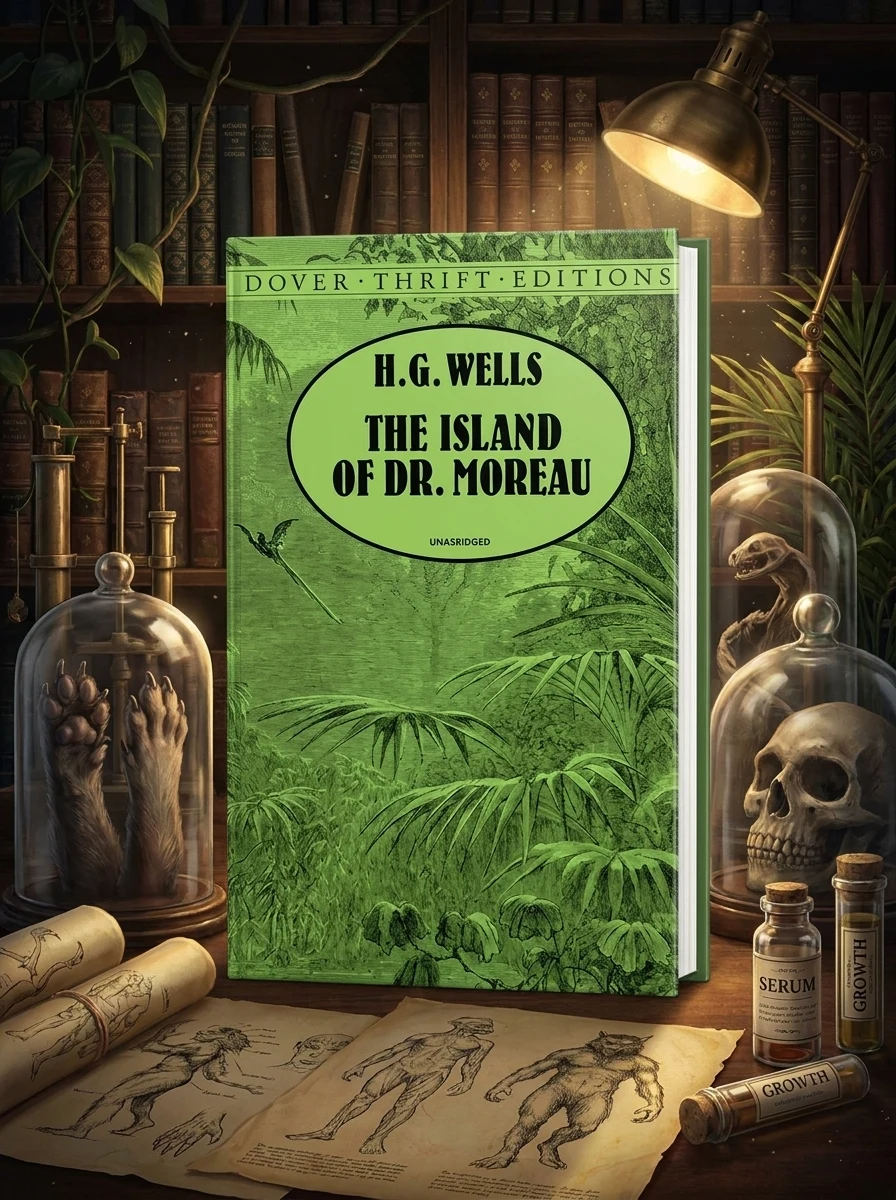
H G Wells — The Island of Dr. Moreau
A disturbing narrative examining biological tampering, ethics, and physical transformation under extreme isolation. Explore The Island of Dr. Moreau.
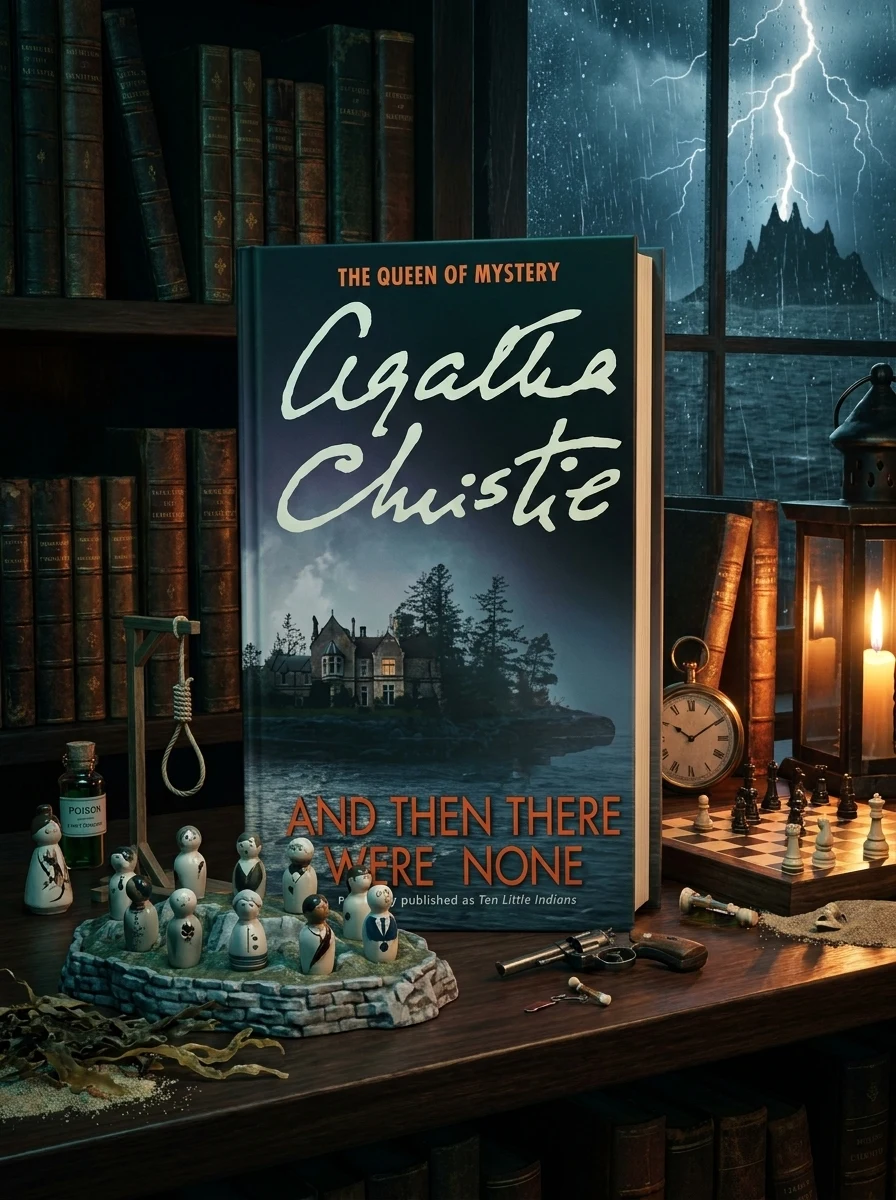
Agatha Christie — And Then There Were None
A masterclass in isolation, suspicion, and psychological unraveling among a trapped group of individuals facing systematic elimination. Discover And Then There Were None.
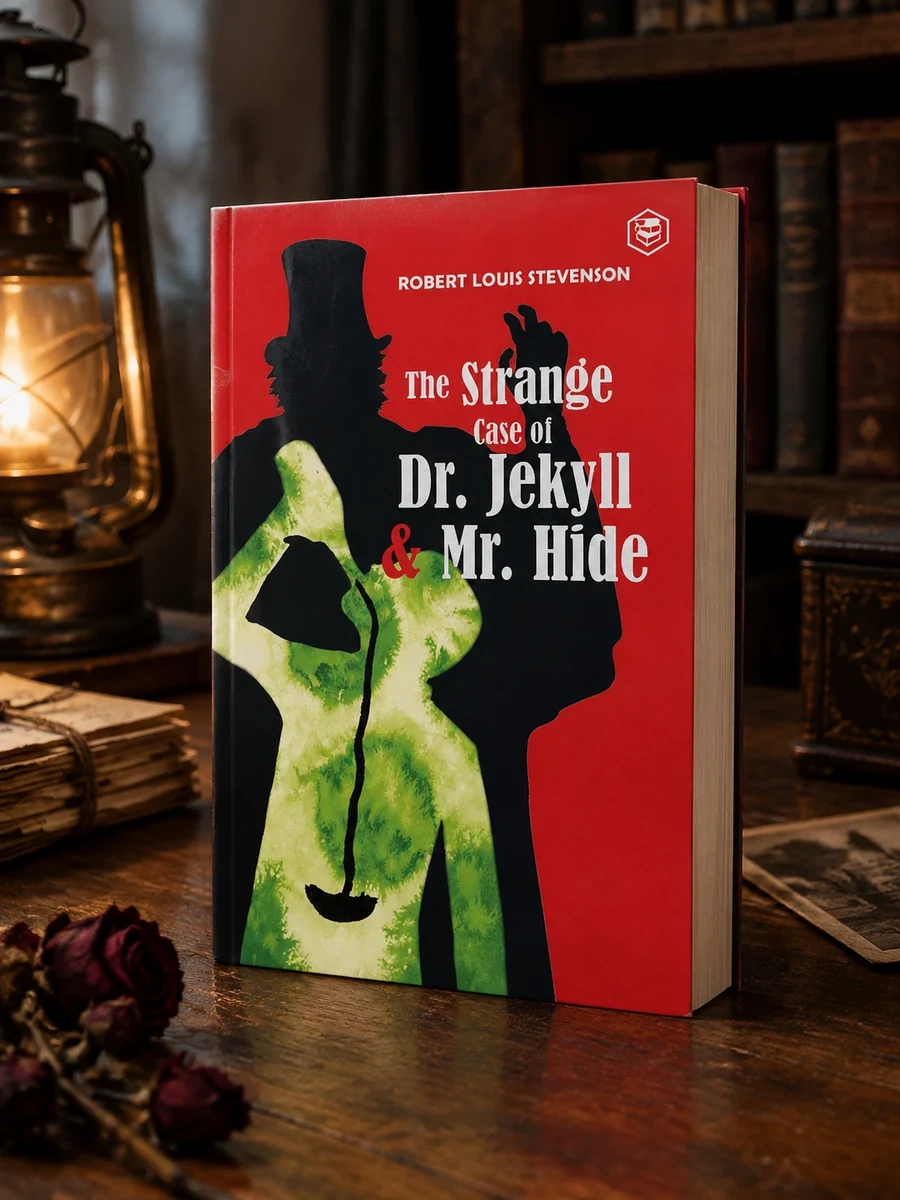
Robert Stevenson Louis — The Strange Case of Dr. Jekyll and Mr. Hyde
A seminal investigation into dual identities, moral degeneration, and the terrifying depths of the human psyche. Explore The Strange Case of Dr. Jekyll and Mr. Hyde.