When customers browse our horror fiction shelves, they often look for stories that examine profound isolation, psychological distress, and the weight of legacy. Stephen King presents a candid memoir detailing his life as the son of a bishop within the classical Pentecostal tradition, capturing a specific kind of institutional and familial pressure that resonates deeply with dark, introspective reads. Published by WestBow Press in 2015, this book sits on our shelves at a price point in the thirty-to-forty-dollar range, offering readers an unfiltered look at a life shaped behind the pulpit. The atmospheric gravity of the text establishes a distinct sense of unease, drawing readers into a world where institutional demands weigh heavily on every personal choice and familial bond.
This work is not a fictional nightmare crafted to thrill, but rather a document of real emotional and spiritual friction. It explores the complex emotional landscape of pastors' children who serve in ministry alongside their parents, examining the pressures, stereotypes, and spiritual wounds often inflicted in these environments. It addresses why many pastors' children leave the faith and run from their calling, stripping away religious jargon to reveal the raw truth of experiences in a denomination the author eventually stopped loving. By documenting these interpersonal conflicts and institutional shortcomings, the text presents a haunting study of faith under duress, capturing the lingering psychological scars left by years of unrelenting public scrutiny and private isolation within the church community.
1. What it is about
The narrative centers on the author's upbringing as the son of a bishop in classical Pentecostalism, focusing on the heavy expectations placed on clergy families during the mid-2010s in the United States. Readers follow the personal journey of accepting the call to lead a historic church after his father's death, offering an authentic look at leadership trials and failures. The text questions the high rate of departure among pastors' children and invites readers to understand a complex heart for a father and the local congregation he served for over three decades.
Throughout the pages, the text examines the scars left by serving in ministry alongside parents who were clergy. It discusses the subsequent struggle to find purpose within a church structure no longer valued, offering a record of truth rather than a celebration of achievement. The narrative records vulnerability and disappointment, touching on the difficulty of navigating parental authority and institutional legacy. Every chapter underscores the friction between personal autonomy and the rigid expectations demanded by a high-pressure religious community, creating a compelling portrait of familial strain and spiritual disillusionment.
2. How it reads
The reading difficulty is easy, allowing the prose to communicate its heavy subject matter without dense theological barriers. The author strips away religious jargon entirely, creating a direct and conversational tone that feels strikingly personal. There is no triumphant success story here; instead, the pacing reflects a slow, deliberate reckoning with past disappointments and the emotional fallout of religious expectations. Sentences remain straightforward and accessible, ensuring that the psychological weight of the narrative is communicated with maximum emotional resonance.
While it is categorized under horror fiction due to its dark psychological weight and exploration of severe spiritual trauma, it reads strictly as a memoir of crisis. The atmosphere is heavy with disillusionment and vulnerability, making it feel harrowing in its honesty rather than through supernatural terror. Readers accustomed to conventional genre tropes will find that the genuine human suffering and institutional rigidity depicted in these pages provide a distinct kind of dread, grounded entirely in the harsh realities of clerical family life and spiritual alienation.
3. Who it suits, and who it does not
This book is suitable for Christians who are critical of clergy families, or those seeking healing from ministry-related pain. It serves as a vital resource for individuals seeking recovery from ministry-related difficulties or those critically examining the clergy family dynamic, offering profound insight into the emotional landscape of pastors' children who feel trapped by religious expectations. It is particularly suitable for Christians questioning their faith journey after leaving the church or those struggling with the weight of parental authority. Catalog notes highlight that this memoir suits readers fascinated by the psychological toll of religious upbringing or those navigating their own faith crises.
However, it may not appeal to readers looking for a triumphant success story, as it focuses on vulnerability and disappointment rather than victory. Those seeking fast-paced action, lighthearted entertainment, or traditional fictional scares will find this memoir entirely outside their preferred style. Readers who prefer neat resolutions and uplifting spiritual conclusions will likely find the unvarnished reality of these pages challenging and discomforting, as the narrative refuses to offer simple answers to complex systemic grief.
4. If you liked this
If you appreciated the psychological toll of religious upbringing and faith crises explored in this memoir, you may also enjoy these selections from our catalogue:
Running Away: The Memoir of a Bishop's Son — Stephen King
Readers fascinated by the psychological toll of growing up in ministry families will find this raw account compelling. Check out Running Away: The Memoir of a Bishop's Son for another edition.
Running Away: The Memoir of a Bishop's Son — Stephen King
Readers fascinated by the psychological toll of growing up in ministry families will find this raw account compelling. If you seek tradition, check out Running Away: The Memoir of a Bishop's Son for an alternative listing.
The Bishop's Legacy — Lincoln Cole
This title shares thematic overlaps regarding clerical legacy and institutional pressure. Explore The Bishop's Legacy for further reading.
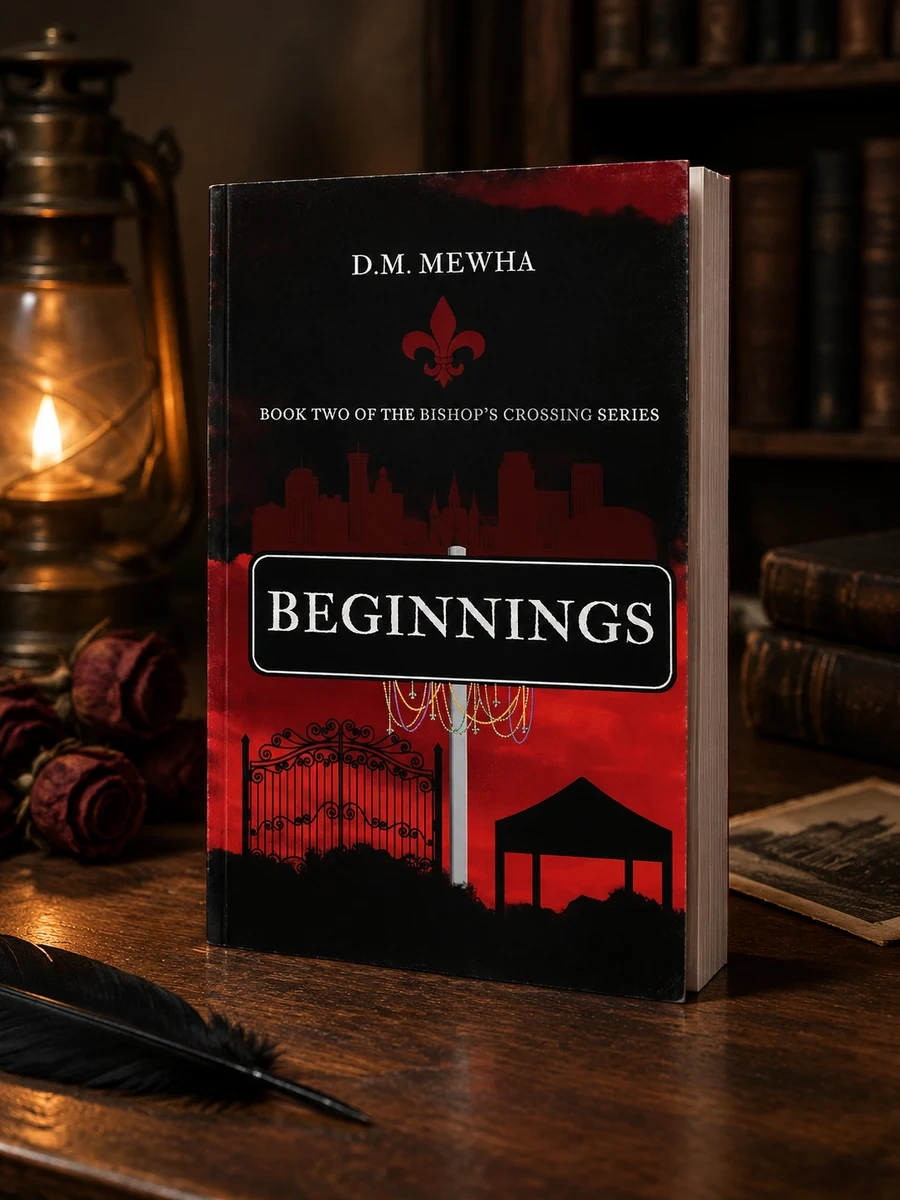
Beginnings: Bishop's Crossing Book 2 — D M Mewha
A dark fantasy selection that touches on parallel community structures and generational dynamics. Learn more via Beginnings: Bishop's Crossing Book 2.
The Bishop's Legacy — Lincoln Cole
Another look at the complicated burdens carried within leadership structures. Discover The Bishop's Legacy.
Indiana Horror Review 2019 — Dona Fox
An anthology offering localized explorations of dark themes and regional storytelling. View Indiana Horror Review 2019.
Indiana Horror Review 2021 — Dona Fox
Continues the exploration of unsettling regional narratives and psychological tension. Check out Indiana Horror Review 2021.
Indiana Horror Review 2016 — John D Stanton
A collection geared toward readers interested in dark regional commentary and haunting accounts. Browse Indiana Horror Review 2016.