When autumn leaves fall and the nights grow long, our thoughts naturally turn to the mechanics of terror. Few volumes capture the anatomy of fear quite like Stephen King's defining non-fiction exploration of the genre. For decades, readers and writers alike have turned to these pages to understand why we scare ourselves on purpose, examining everything from classic monster myths to the psychological undercurrents of suburban dread.
As a bookseller who spends every waking hour surrounded by dark fiction, I view this masterwork not merely as a piece of literary criticism, but as an architectural blueprint for the entire genre. It connects the dots between Victorian nightmares and modern cinematic terrors, offering an invaluable lens through which to read our darkest literature. Whether you are hunting for atmospheric Gothic dread or building a collector's showcase for the colder months, this guide sets the stage for a profound reading journey.
Understanding the architecture of horror requires studying both the theoretical foundations and the practical applications found in master storytelling. Stephen King spent years formulating his thoughts on what makes horror function across different mediums, separating cheap thrills from lasting psychological impact. By examining the structural components of fear, readers gain a much deeper appreciation for the craft and the cultural forces that shape our collective nightmares. This examination spans decades of media evolution, highlighting the exact moments when societal anxieties transformed into physical monsters on the page and screen.
The Anatomy of Terror: What Makes Danse Macabre Essential
Stephen King’s comprehensive survey of horror across media does something rare: it treats the genre with absolute seriousness while maintaining the infectious enthusiasm of a lifelong fan. Covering literature, radio, film, and television from roughly 1950 to 1980, the book analyzes the social pressures and psychological triggers that give rise to our favorite monsters. It is a masterclass in dissecting why certain archetypes endure while others fade into obscurity.
For writers and dedicated collectors, engaging with this work transforms how you experience a narrative. You begin to notice the subtle pacing choices, the deliberate deployment of the uncanny, and the way cultural anxieties manifest as physical horrors. Below, we examine the definitive masterwork itself alongside seven essential companion books from our catalog that reflect the very traditions, monsters, and psychological depths King champions.
The cultural context surrounding horror fiction often dictates the longevity of a monster or a narrative style. As atomic anxieties, suburban expansion, and changing family dynamics shifted the American landscape, horror fiction adapted to reflect those exact fears. King's critical eye captures these shifts with remarkable clarity, providing readers with a historical roadmap that explains why certain stories continue to resonate across generations of horror aficionados.
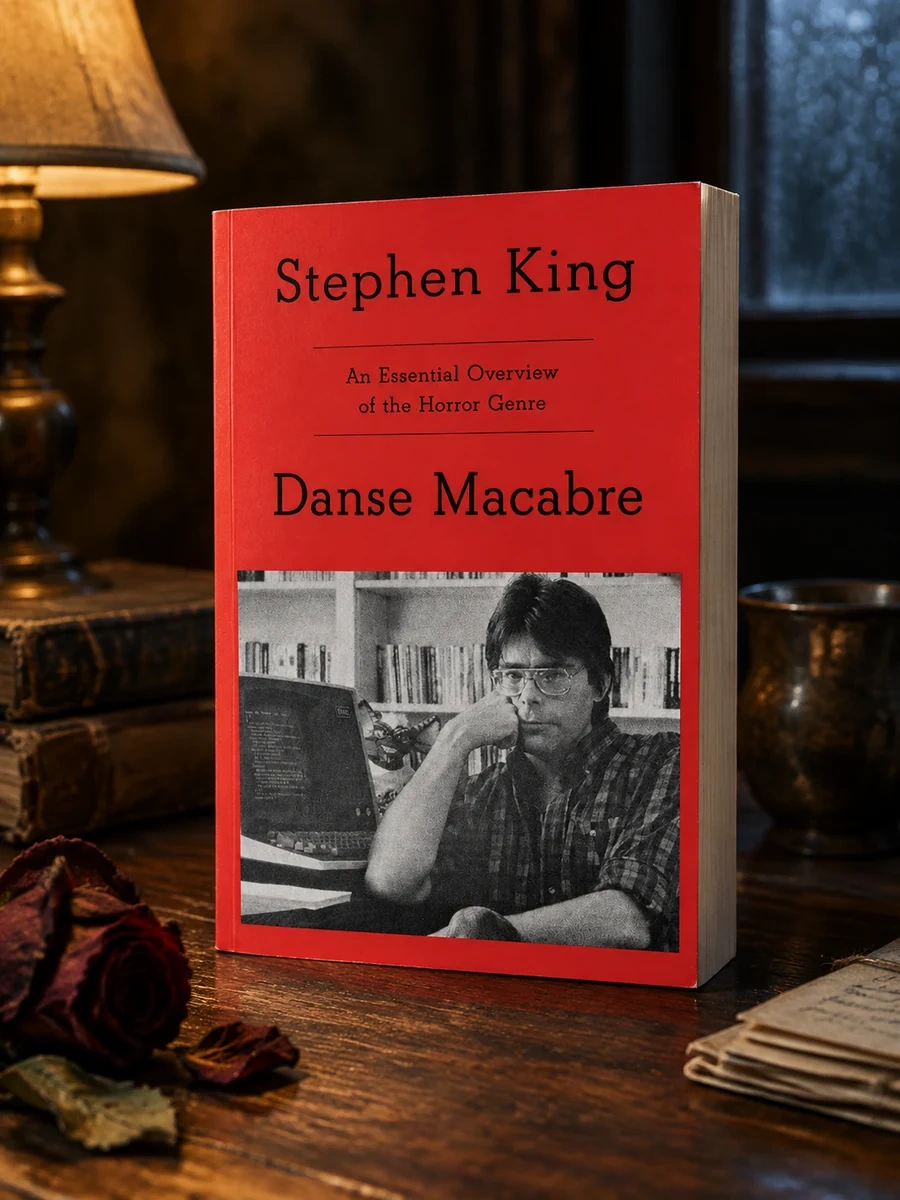
1. Danse Macabre — Stephen King
This volume is essential for writers dissecting terror’s mechanics and readers craving deep cultural critique of the genre. King breaks down the archetypes of the monster, the-thing-without-a-name, and the specter of the inevitable, providing an unmatched intellectual framework for horror fans. It stands as a cornerstone reference for any serious dark fiction library.
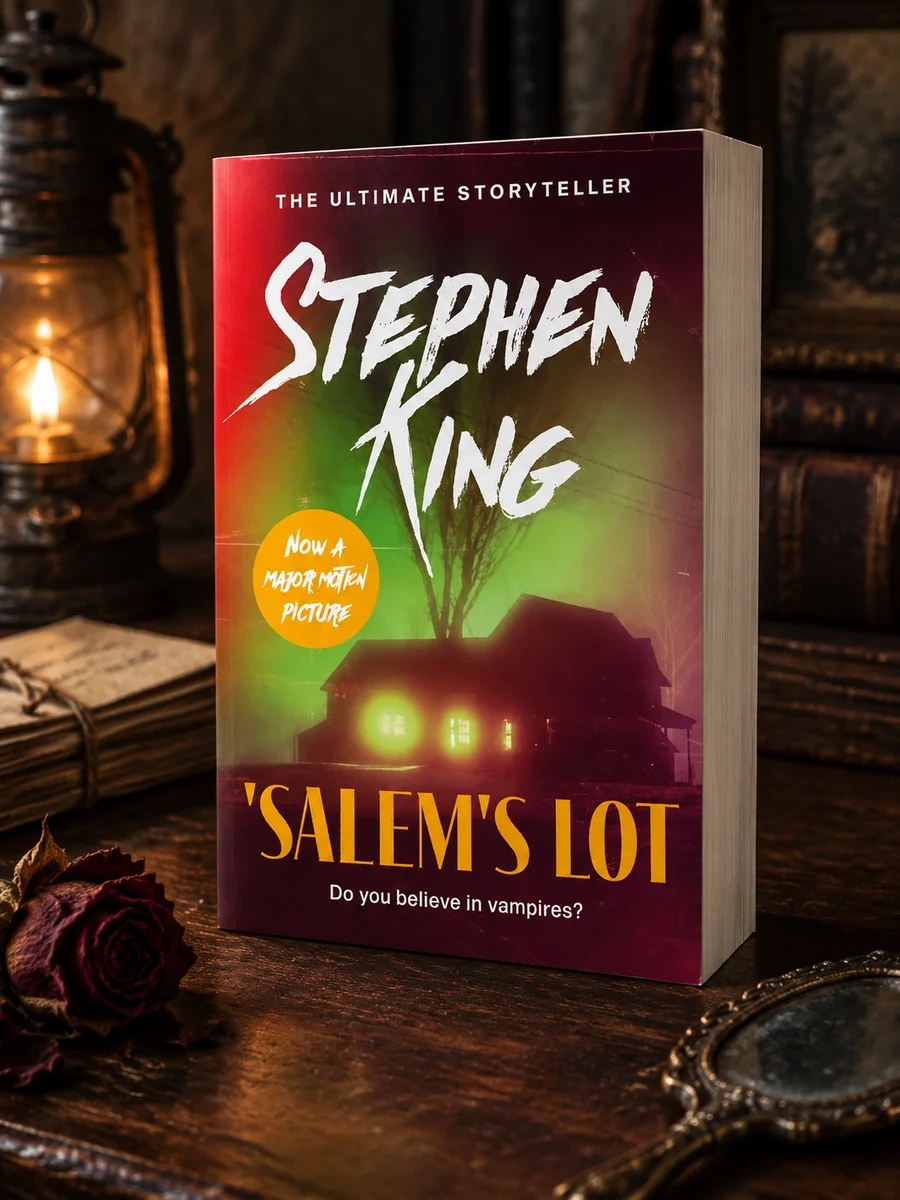
2. 'Salem's Lot — Stephen King
If you crave atmospheric dread and tight-knit community horror, you will adore this tale of a small town succumbing to darkness. King took the traditional Gothic vampire mythos and transplanted it into a modern American setting, a structural move he discusses extensively in his non-fiction critiques. It is ideal for readers who prefer slow-burn psychological tension and creeping small-town decay.
3. El Resplandor / The Shining — Stephen King
Readers drawn to psychological horror and isolated, claustrophobic settings will find this masterpiece indispensable. The narrative examines domestic instability, alcoholism, and supernatural pressure under a harsh winter lens. It represents the very pinnacle of the haunted house subgenre that King analyzes with such precision.
4. Night Shift — Stephen King
This early collection is perfect for devotees of visceral dread and psychological terror who relish Stephen King's unpolished edge. Featuring iconic short stories that test the boundaries of urban legends and rural nightmares, it showcases the raw storytelling power praised in his critical surveys. It is a must-have for short fiction enthusiasts.
Expanding the Dark Canon: Gothic Roots and Modern Masters
Beyond his own fiction, King’s critical taxonomy rests heavily on the shoulders of historical giants and contemporary innovators. To build a truly comprehensive collection, one must trace the bloodline of horror from the foggy streets of Victorian London to the cosmic expanses of modern weird fiction. These selections represent the exact lineages celebrated in critical dark literature.
Tracing horror back to its earliest literary roots reveals how foundational authors established the enduring tropes that modern writers continue to subvert. The transition from Gothic manors to claustrophobic modern interiors mirrors humanity's changing relationship with safety and isolation. By collecting these historical texts alongside critical breakdowns, enthusiasts gain a panoramic view of how the genre evolved from epistolary chillers to modern psychological nightmares.
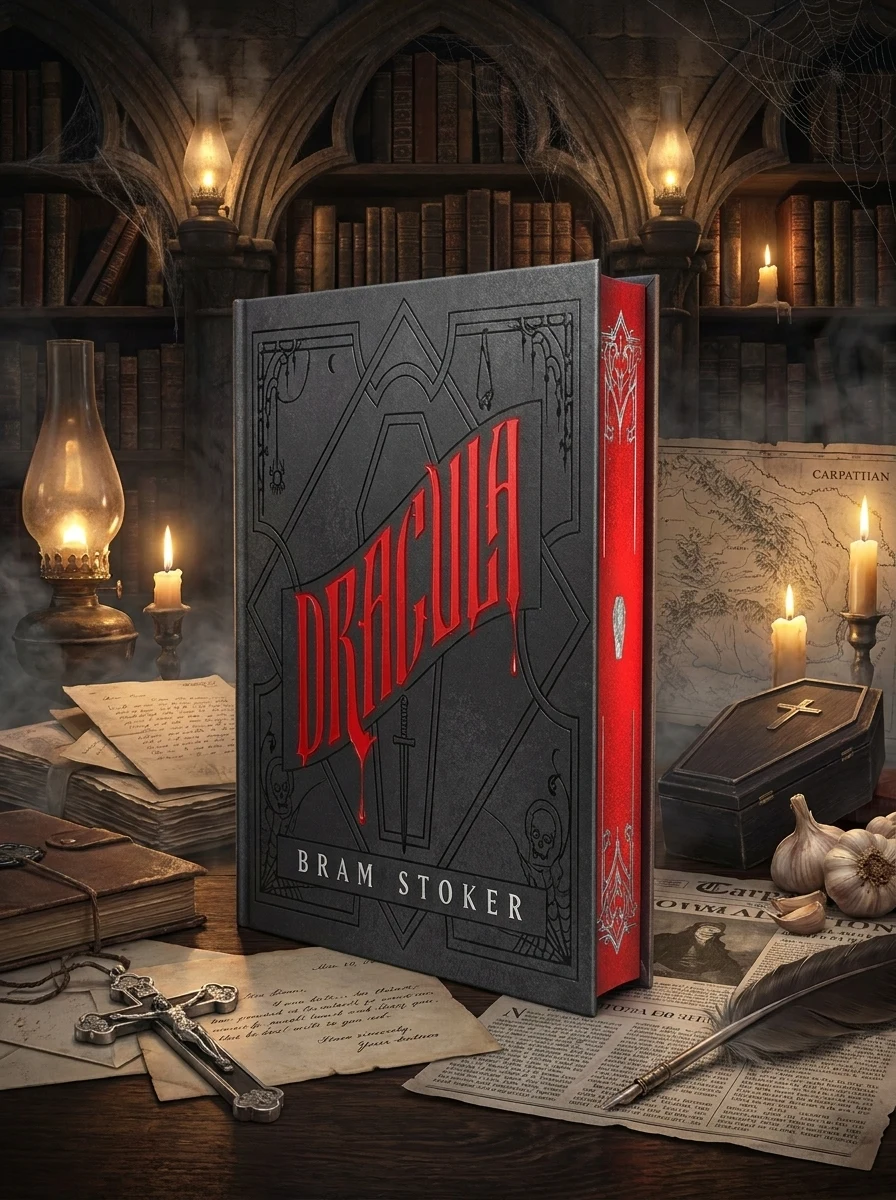
5. Dracula: A Deluxe Hardcover Collector's Edition of the Bestselling Vampire Classic — Bram Stoker
Scholars of Gothic literature and serious collectors will appreciate this definitive hardcover presentation of the ultimate epistolary vampire novel. Stoker's foundational myth of ancient evil invading modern civilization is a text King references as a primary pillar of horror architecture. It makes an extraordinary centerpiece for any seasonal display.
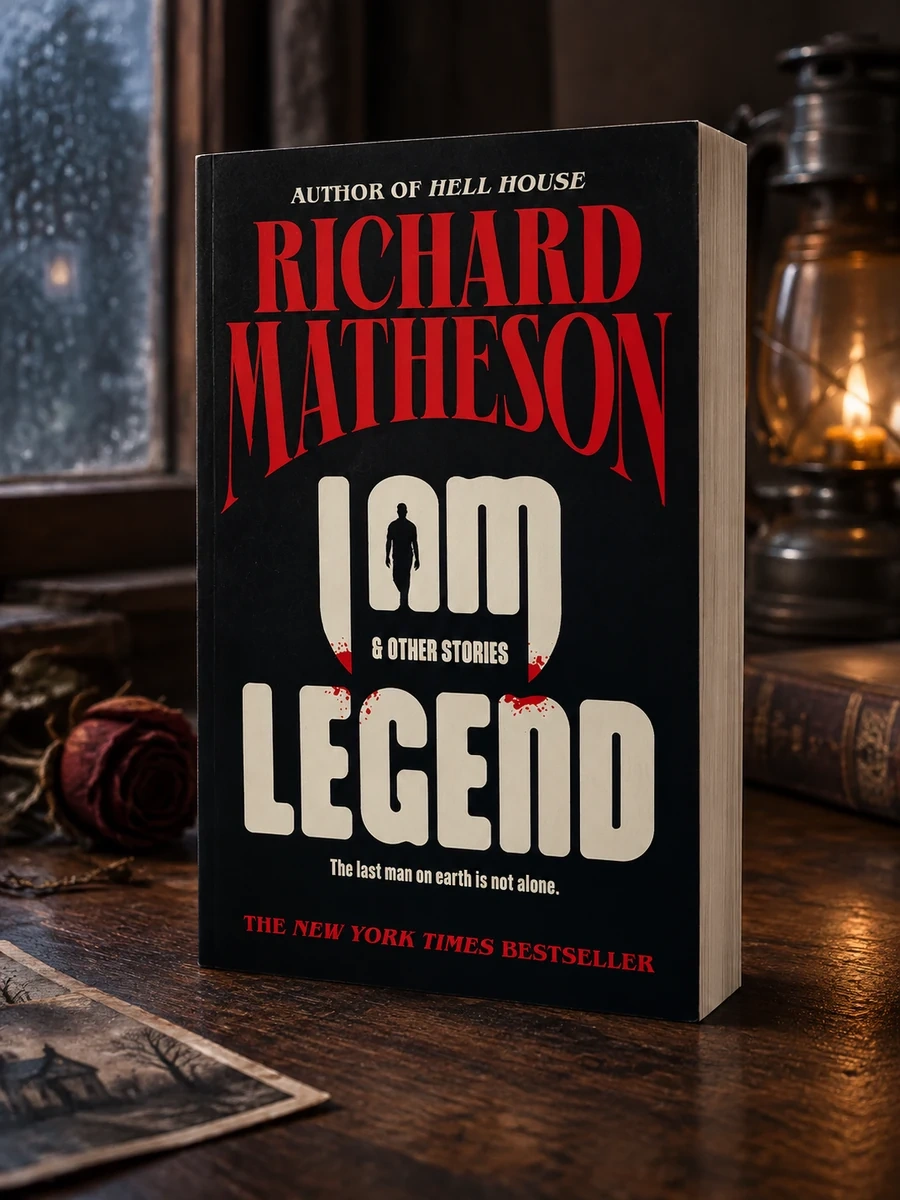
6. I Am Legend: And Other Stories — Richard Matheson
Readers who cherish psychological dread, post-apocalyptic narratives, and the deconstruction of vampire mythology will find this collection vital. Matheson modernized the creature feature by grounding it in scientific isolation and daily survival, a major influence on post-war horror writing. His sharp pacing and lonely protagonists redefined the genre.
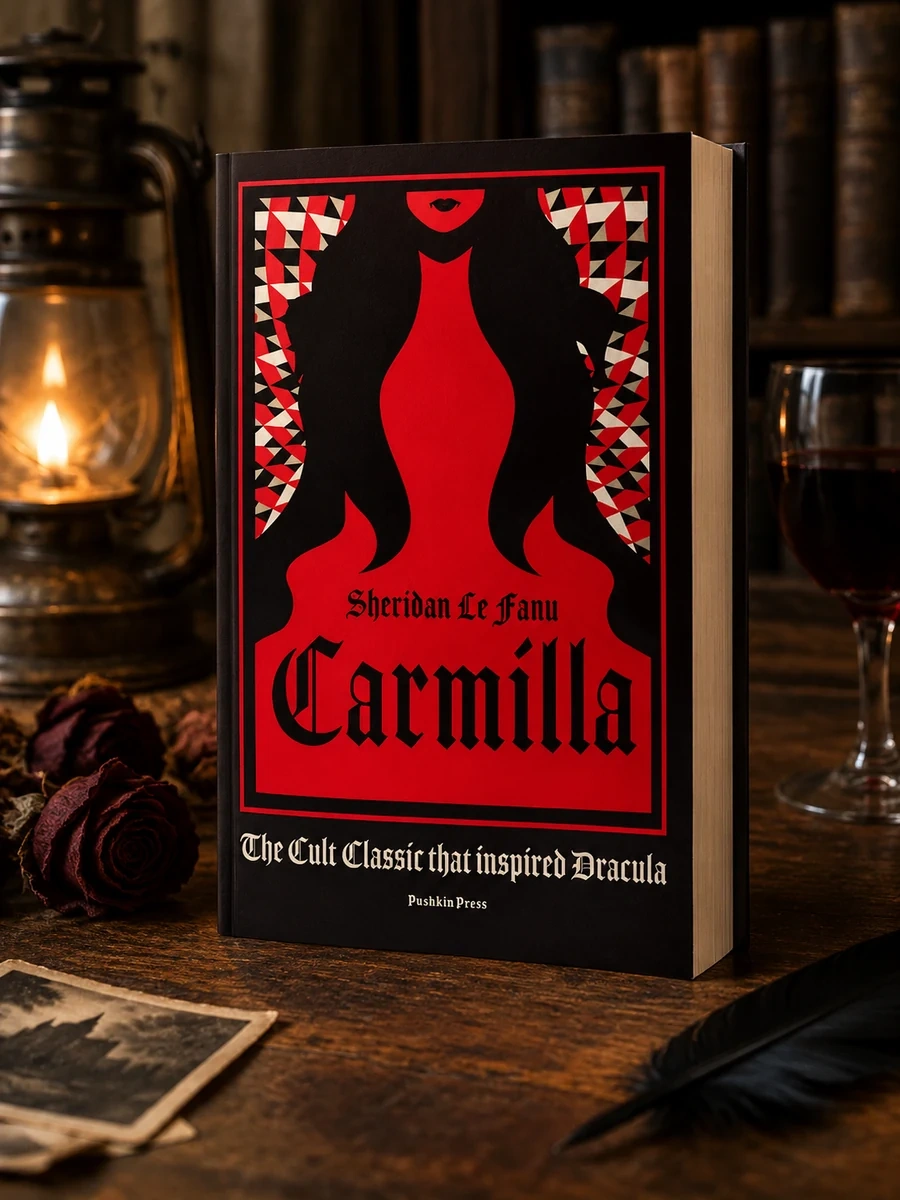
7. Carmilla, Deluxe Edition: The Dark Sapphic Romance That Inspired Dracula — Sheridan Le Fanu
Devotees of atmospheric nineteenth-century prose and foundational vampire lore will prize this gorgeously styled edition. Le Fanu established many of the atmospheric tropes—sensual dread, isolated manors, and ambiguous loyalties—that later authors would weaponize. It is an essential historical stepping stone for understanding how horror evolved.
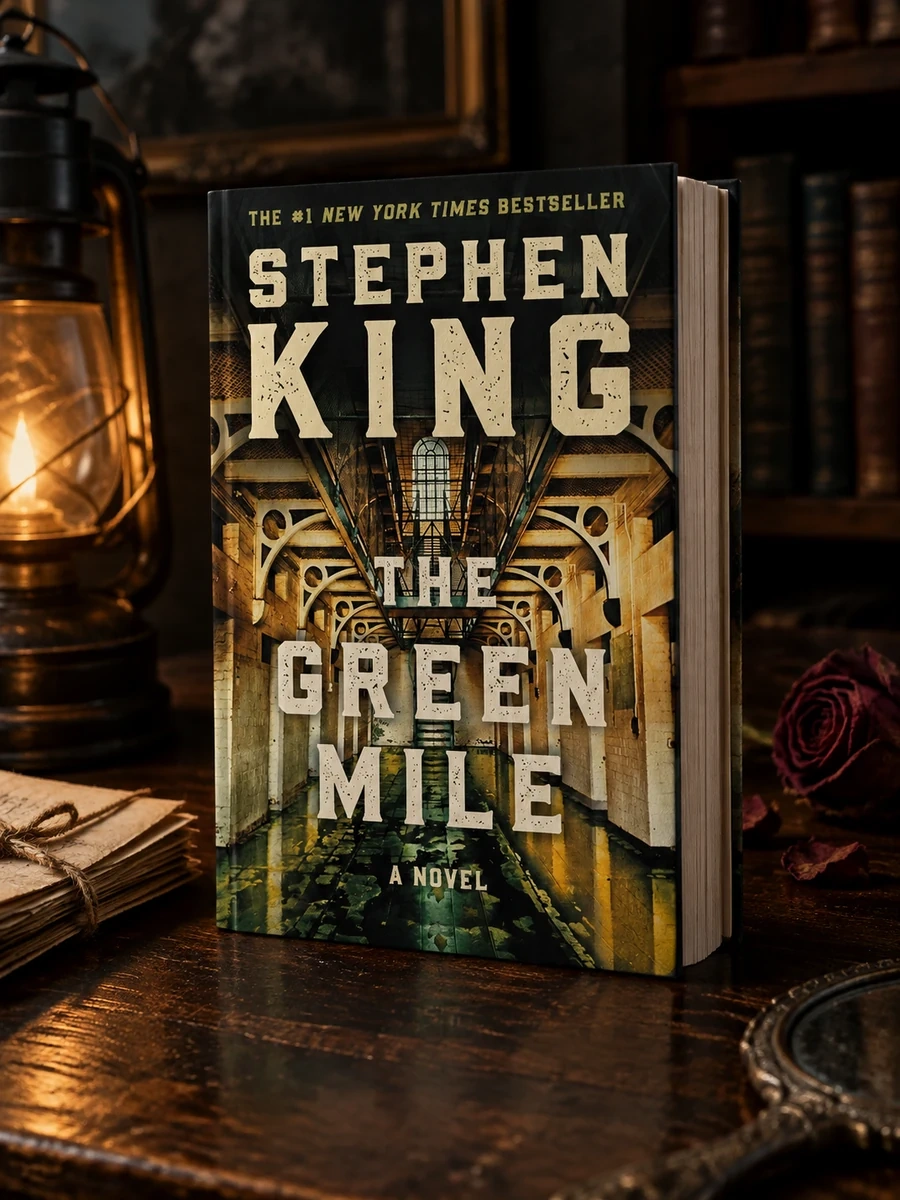
8. The Green Mile: The Complete Serial Novel — Stephen King
Devotees of epic supernatural thrillers and long-form narrative structure will find deep satisfaction here. Collectors craving a tangible link to King's historical experiment in serialized publishing will want this complete edition on their shelves. It balances emotional resonance with dark, speculative mystery in a way few modern works achieve.
Curating Your Library for the Long Nights
Building a robust horror library is about more than accumulating scares; it is about curating a lineage of human fears across generations. When you place critical masterworks side by side with foundational Victorian texts and modern psychological chillers, you create a dynamic ecosystem of dread. Start with the foundational essays to understand the rules, then branch out into the novels that broke them.
For autumn gifting or personal collection building, opt for sturdy hardcover editions that withstand repeated re-readings. Pair a critical guide with a classic Gothic novel or an atmospheric small-town thriller to give yourself or a fellow bibliophile a complete, multi-layered reading experience. After all, the best horror books are the ones that stay with you long after the final page is turned and the house goes quiet.