🩸Horror Tradition
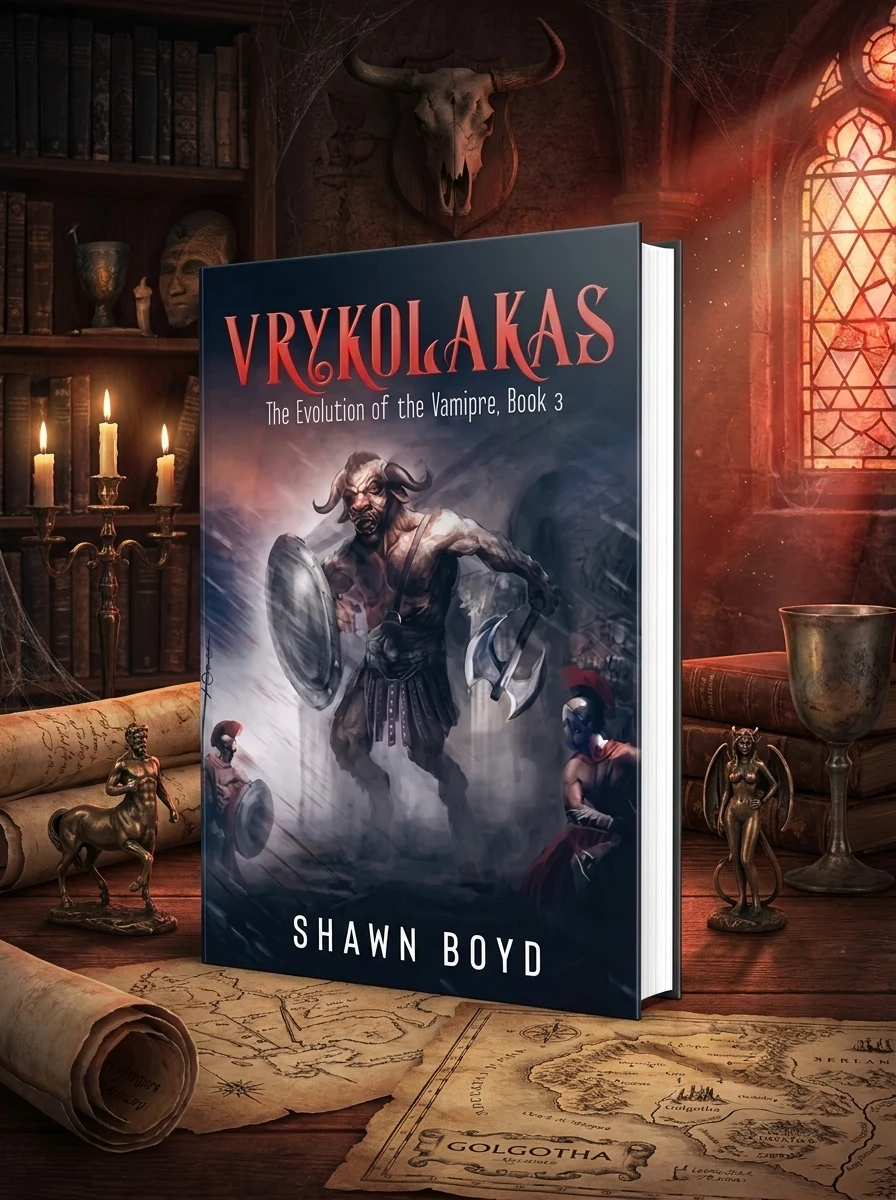
Vrykolakas
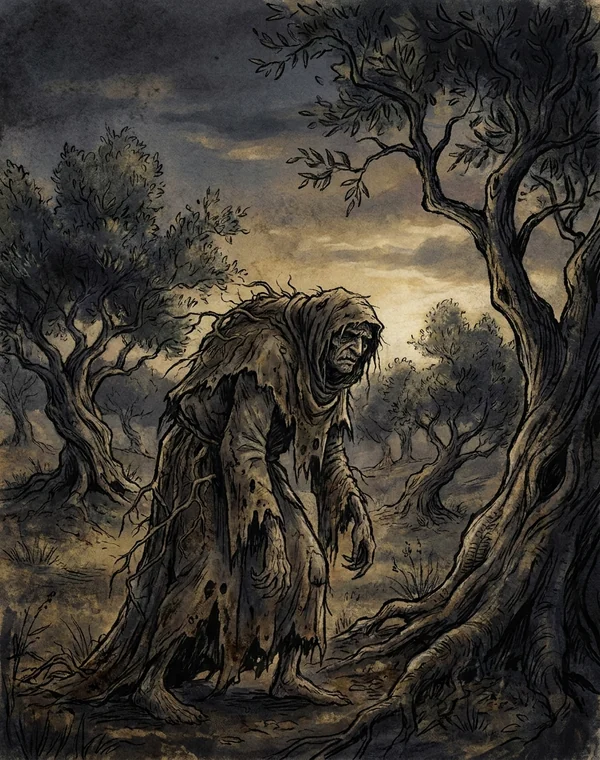
A malevolent undead revenant originating from Greek folklore, known for rising from the grave to terrorize the living and spread pestilence.
Etymology & Origin
Where the word comes from
Derived from the Greek vrykolakas, ultimately tracing back to Slavic terms for a werewolf or undead creature.
Full Definition
In depth
Origins The vrykolakas is a prominent and terrifying figure rooted deeply in Greek folklore and Balkan traditions, with historical and oral roots stretching back centuries. Unlike the classical Western vampire, which is often tied to aristocratic gothic imagery, the vrykolakas represents an older, more rustic folk superstition regarding the dead who refuse to rest. In traditional Greek belief, a person might become a vrykolakas through various means, including excommunication from the Church, dying a violent or untimely death, committing grave sins, being cursed, or even having a cat jump across a corpse before burial. This figure embodies the anxieties of rural agrarian communities dealing with inexplicable plagues, sudden deaths, and the eerie permanence of the grave.
What It Is Said to Do In folklore, the vrykolakas is described as bloated, drum-tight, and glowing, capable of moving about with surprising agility despite being dead. Rather than merely drinking blood like a cinematic vampire, the vrykolakas is said to knock on doors, call out family members by name—who would die shortly after hearing the call—spread disease, and cause general chaos in its home village. It cannot enter a house unless invited or unless it steals the household keys, but its presence brings blight to crops and sickness to livestock. To protect a community, traditional methods involved impaling the corpse with iron nails, decapitating it, or completely incinerating the body on a Saturday, the only day the creature was believed to return to its grave and remain vulnerable.
In Horror Fiction Horror fiction and dark fantasy utilize the vrykolakas to evoke a gritty, earthbound brand of terror distinct from modern, sanitized vampire tropes. Writers draw upon its associations with contagion, familial guilt, and inescapable rural doom. Rather than operating in sleek urban castles, the vrykolakas haunts sun-baked Mediterranean villages, dusty olive groves, and forgotten churchyards, reminding characters that ancestral sins and local taboos cannot be easily buried.
Why It Still Frightens It frightens because it represents the ultimate betrayal of the community and the soil, transforming a familiar neighbor into a localized vector of death that cannot be reasoned with or easily destroyed.
Connected Concepts
Related horror terms
Further Study