🩸Horror Tradition
Pontianak
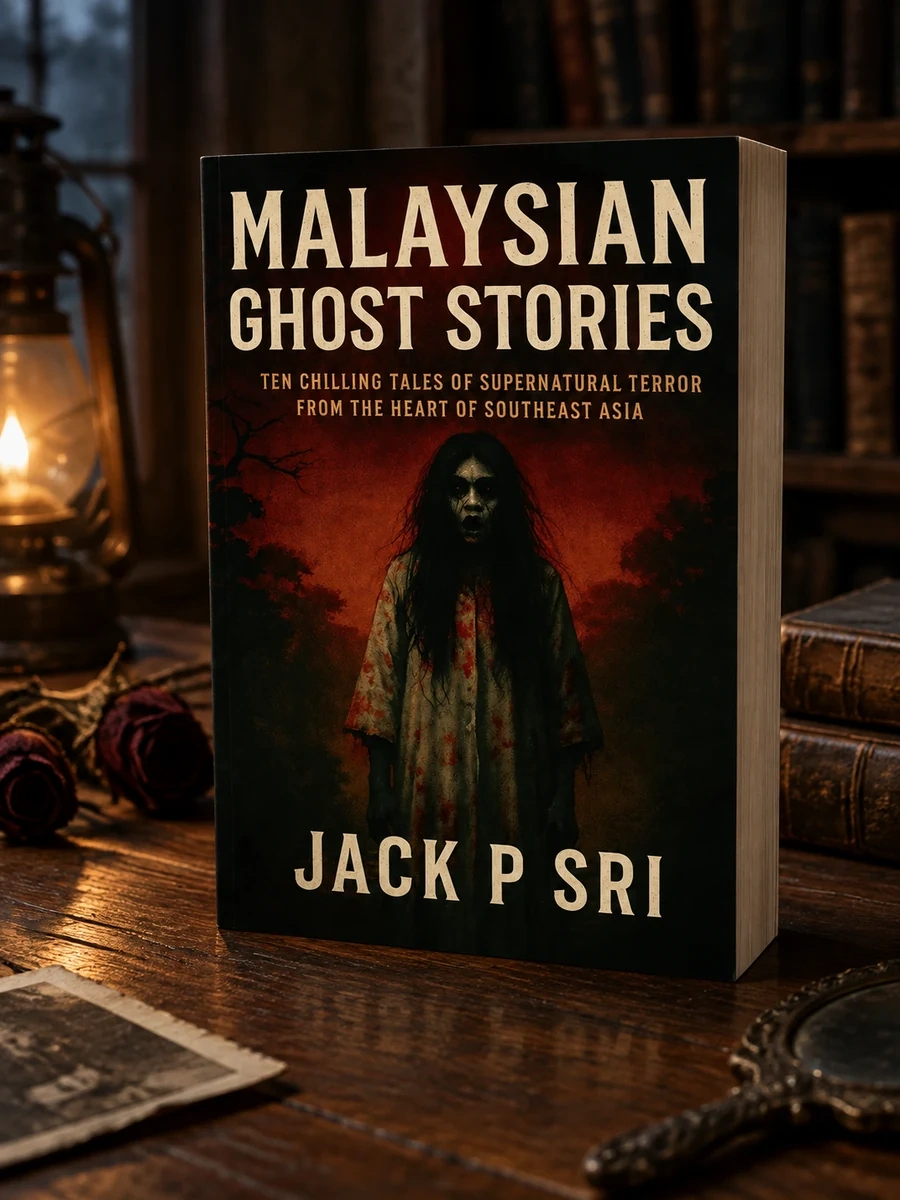
The pontianak is a malevolent female vampiric ghost from Malay folklore, originating in maritime Southeast Asia, particularly associated with women who die during childbirth.
Etymology & Origin
Where the word comes from
The name pontianak is widely believed to be a contraction of the Malay words perempuan (woman) and mati beranak (dying in childbirth).
Full Definition
In depth
Origins In the oral traditions of maritime Southeast Asia, particularly within Malay folklore spanning modern-day Malaysia, Indonesia, and Singapore, the pontianak occupies a deeply ingrained place in regional superstition. The legend stretches back centuries, evolving through agrarian and coastal communities as a cautionary tale and an explanation for tragic maternal mortality. According to traditional belief, a pontianak is formed when a woman dies during pregnancy or childbirth while experiencing intense emotional distress or unmet desires. Because her transition from life to death was violent and incomplete, her spirit remains tethered to the earthly plane, consumed by a fierce bitterness and a predatory hunger for the living.
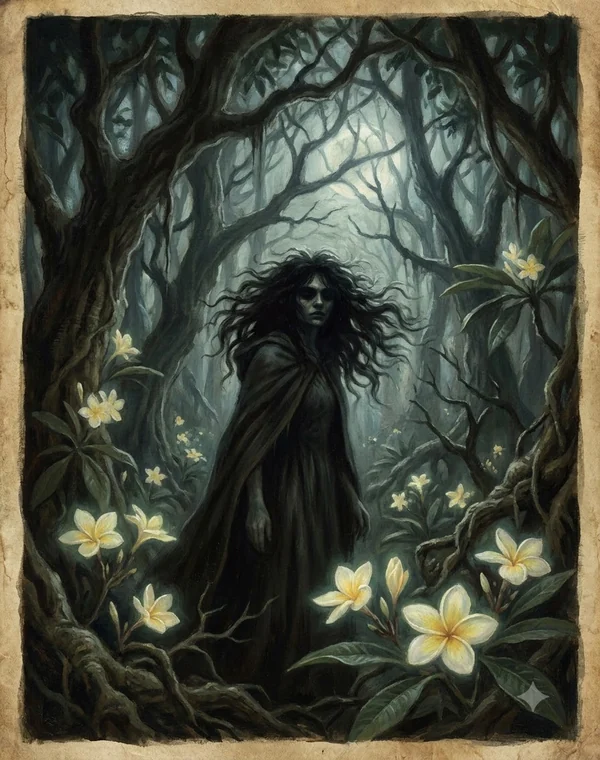
What It Is Said to Do In folklore narratives, the pontianak typically manifests as a stunningly beautiful woman with long, flowing dark hair designed to conceal the hollow in the back of her neck or a gaping wound in her abdomen. She is frequently said to announce her presence with the haunting cry of a baby or the sweet, cloying fragrance of frangipani flowers, which abruptly turns into a horrific stench when she is near. The creature preys primarily upon pregnant women, infants, and men, using her supernatural allure to lure victims before ripping open their abdomens with razor-sharp fingernails to consume their internal organs. To protect against a pontianak, traditional folklore advises driving a sharp iron nail directly into the back of her neck, which instantly transforms her into a docile, ordinary woman until the nail is removed.
In Horror Fiction Horror writers and regional gothic novelists have long drawn upon the pontianak to explore themes of maternal trauma, repressed societal guilt, and the psychological weight of vengeance. In literature, the creature functions as a physical manifestation of domestic anguish, turning the traditional sanctuary of the home into a place of inescapable dread. Authors utilize the sensory duality of the pontianak—the intoxicating floral scent masking absolute putrid corruption—to disorient characters and readers alike, anchoring the horror in visceral, sensory details that linger long after the page is turned.
Why It Still Frightens This enduring terror persists because the legend transforms the most sacred maternal bonds into a weapon of pure retribution, reminding the living of unresolved grief and the inescapable ghosts of historical tragedies.
Connected Concepts
Related horror terms
Further Study