🩸Horror Tradition
Hastur
Hastur is an ancient cosmic entity and Great Old One originally created within Ambrose Bierce's short fiction before being expanded heavily in the Cthulhu Mythos.
Etymology & Origin
Where the word comes from
The name likely originated from Ambrose Bierce, though its linguistic roots remain obscure and debated among literary scholars.
Full Definition
In depth
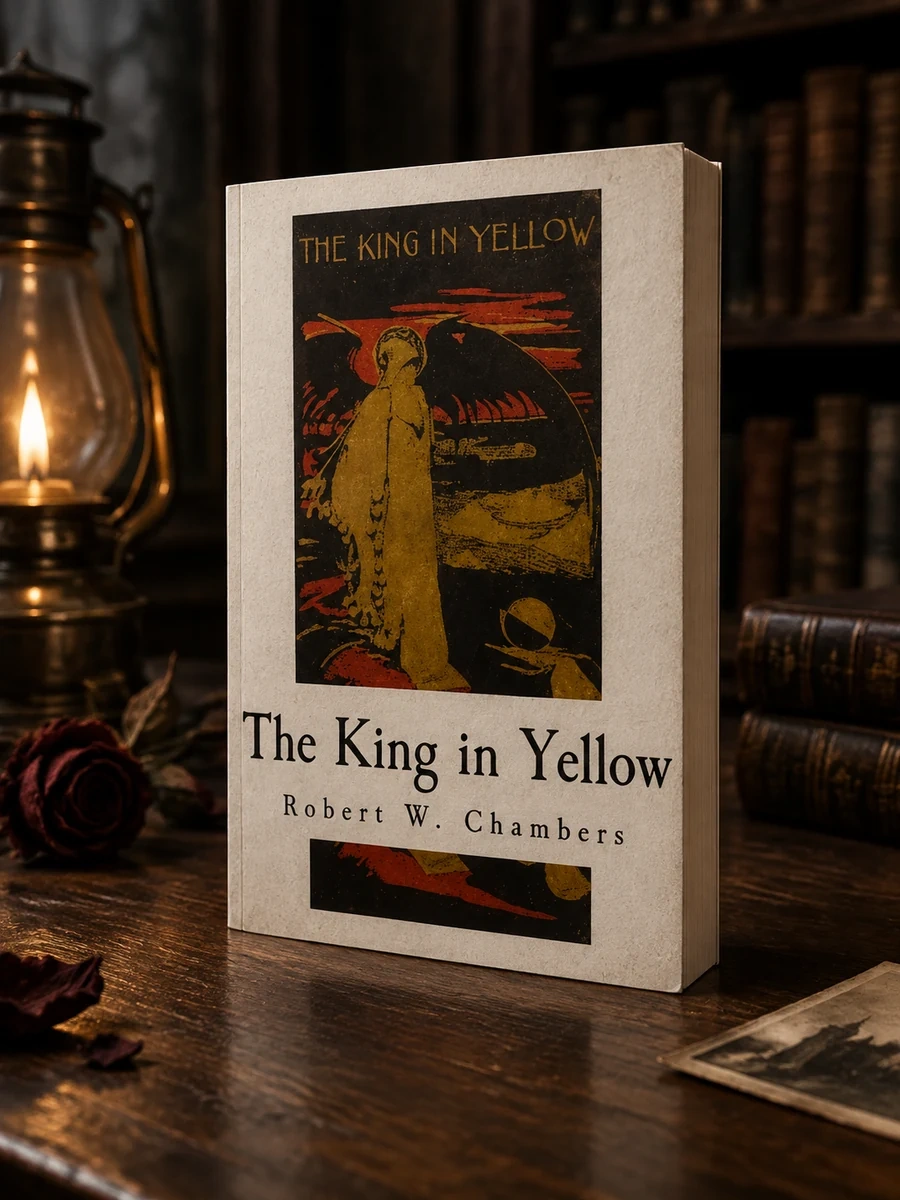
Origins Hastur originated in the 1893 short story "Haïta the Shepherd" by American writer Ambrose Bierce, where it appeared as a benevolent shepherd god. The concept was later adopted and dramatically transformed by Robert W. Chambers in his 1895 collection of interconnected weird fiction stories, The King in Yellow. Chambers associated Hastur and the mysterious Yellow Sign with a cursed theatrical play that drives anyone who reads its second act to absolute madness. H.P. Lovecraft subsequently incorporated Hastur into his broader cosmic horror mythos, transforming the name into an incomprehensible, star-born deity dwelling near the distant star Aldebaran in the Hyades cluster, cementing its place in weird fiction.
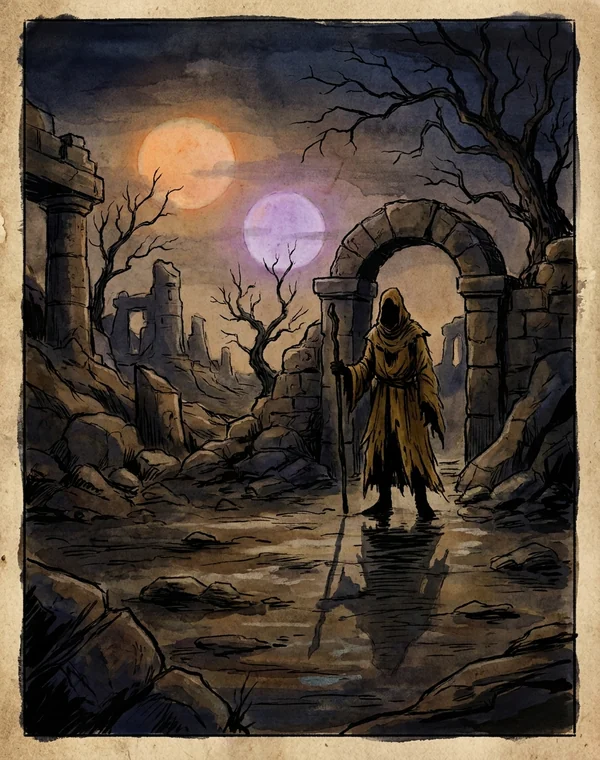
What It Is Said to Do Hastur is depicted as a malevolent, formless cosmic entity or Great Old One rather than a physical creature with a fixed shape, though it is frequently associated with the dread monarch known as the King in Yellow and the ominous Yellow Sign. Its primary power is psychological and existential rather than physical; simply viewing the Yellow Sign or reading the forbidden play of the same name unravels the human mind, inducing profound paranoia, hallucinations, and inescapable psychological collapse. Because Hastur is an incomprehensible cosmic force operating far beyond human comprehension, traditional wards, religious protections, or physical defenses are utterly useless against its corrupting influence.
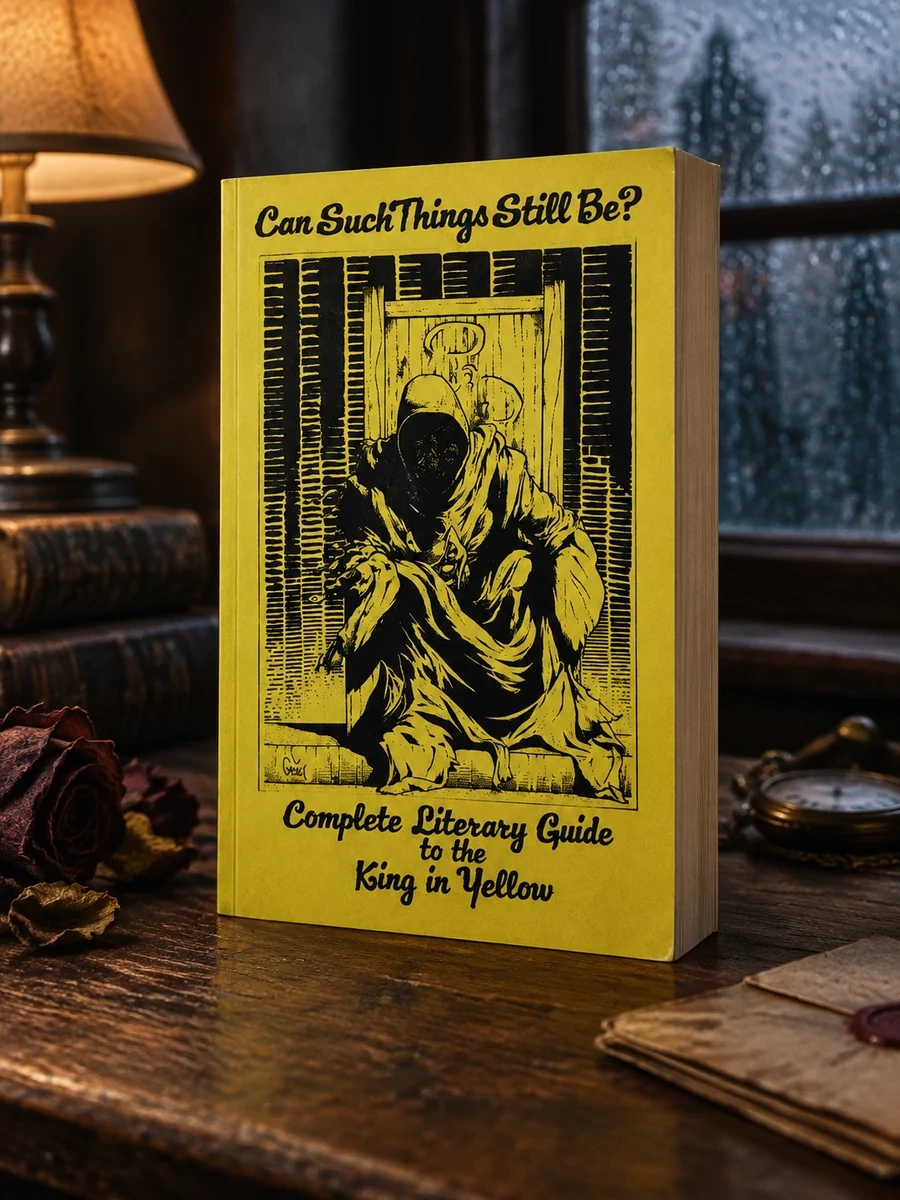
In Horror Fiction In horror fiction, authors utilize Hastur to explore the terrifying fragility of human sanity when confronted with cosmic indifference and forbidden artistic works. Unlike monsters that attack the physical body, stories featuring Hastur typically focus on creeping dread, obsession, and the slow erosion of reality as characters realize they are trapped within a cosmic tragedy. Landmark works exploring this entity include Robert W. Chambers's The King in Yellow, August Derleth's various Cthulhu Mythos expansions, and modern weird fiction masterpieces such as Laird Barron's short stories and Nic Pizzolatto's television masterpiece True Detective.
Why It Still Frightens Hastur remains deeply frightening because it weaponizes art, human curiosity, and culture against us, suggesting that madness and cosmic terror can be summoned simply by looking upon the wrong symbol or reading the wrong words.
Connected Concepts
Related horror terms
Voices
Authors working in this mode
Further Study