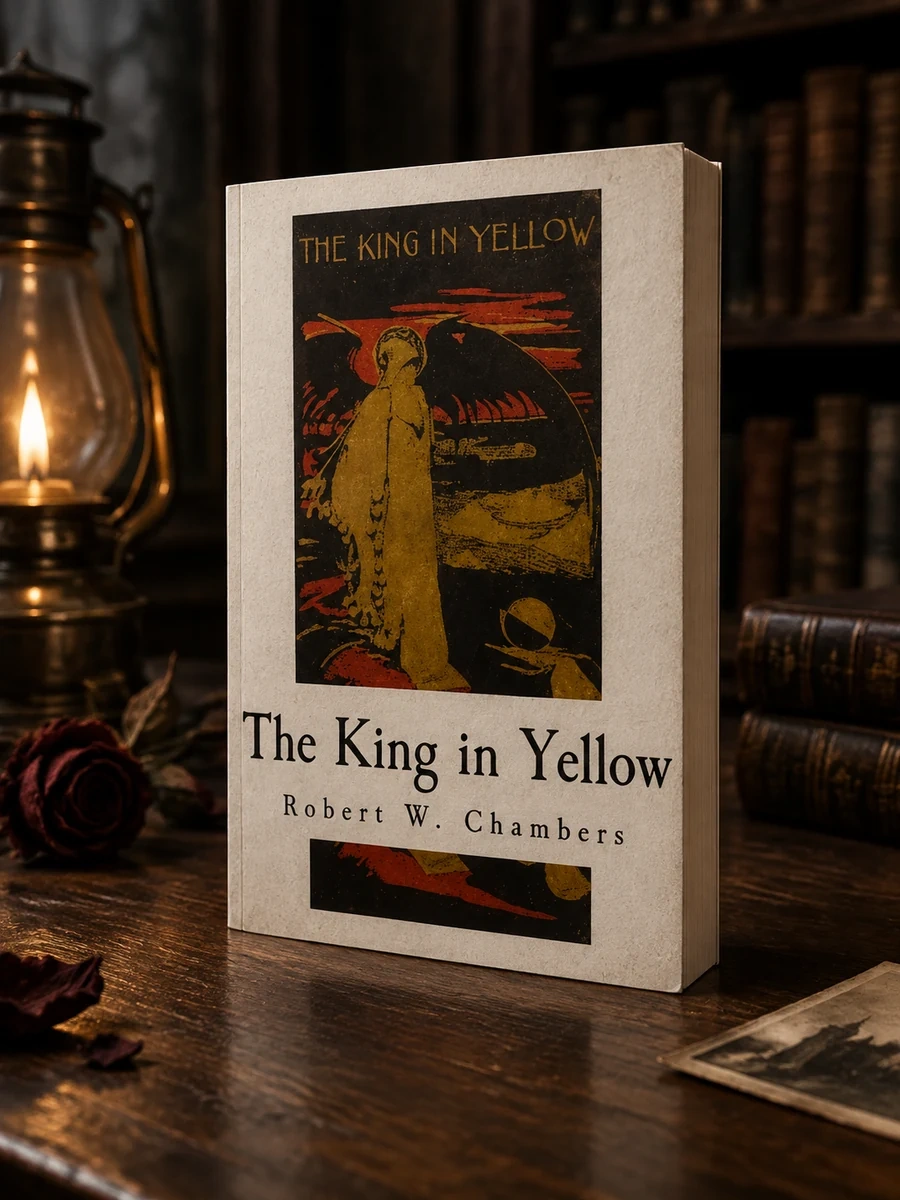
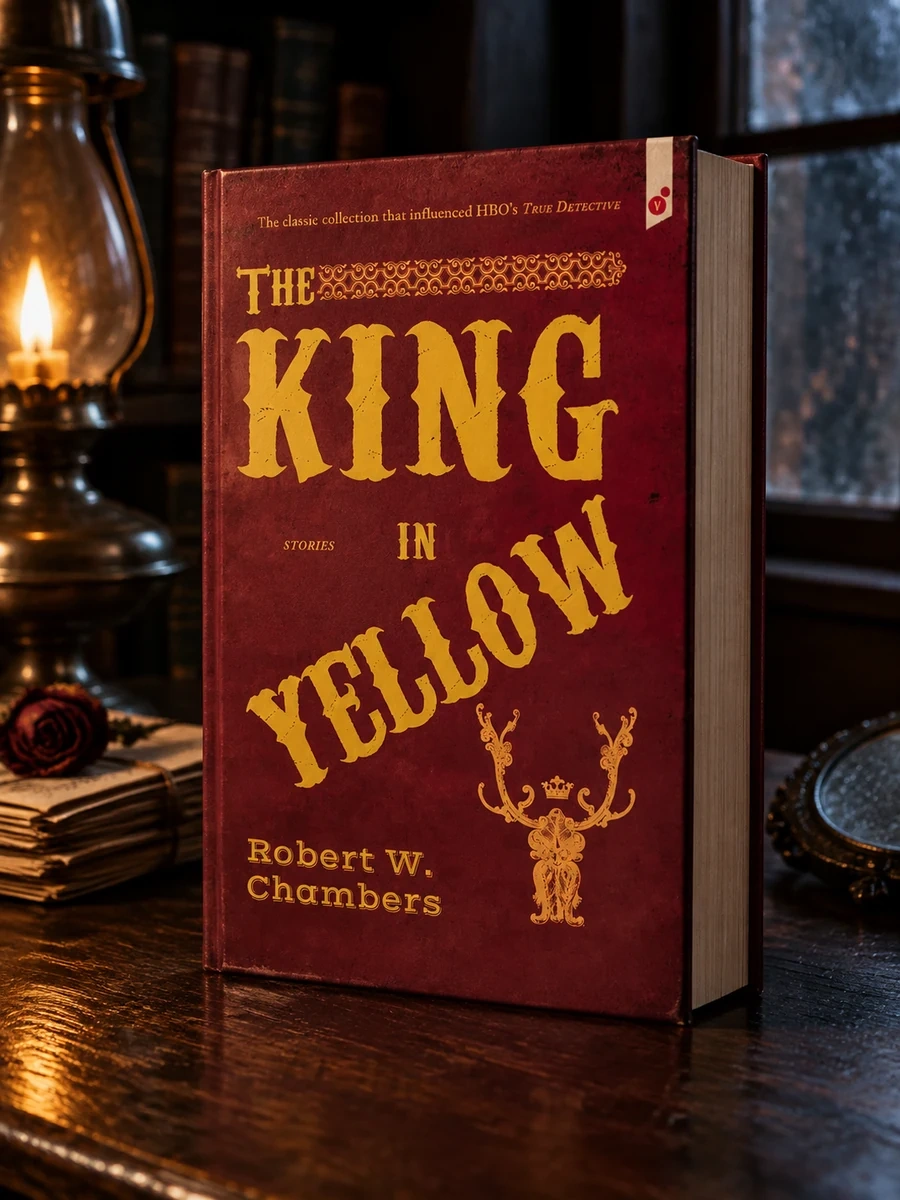
The King in Yellow
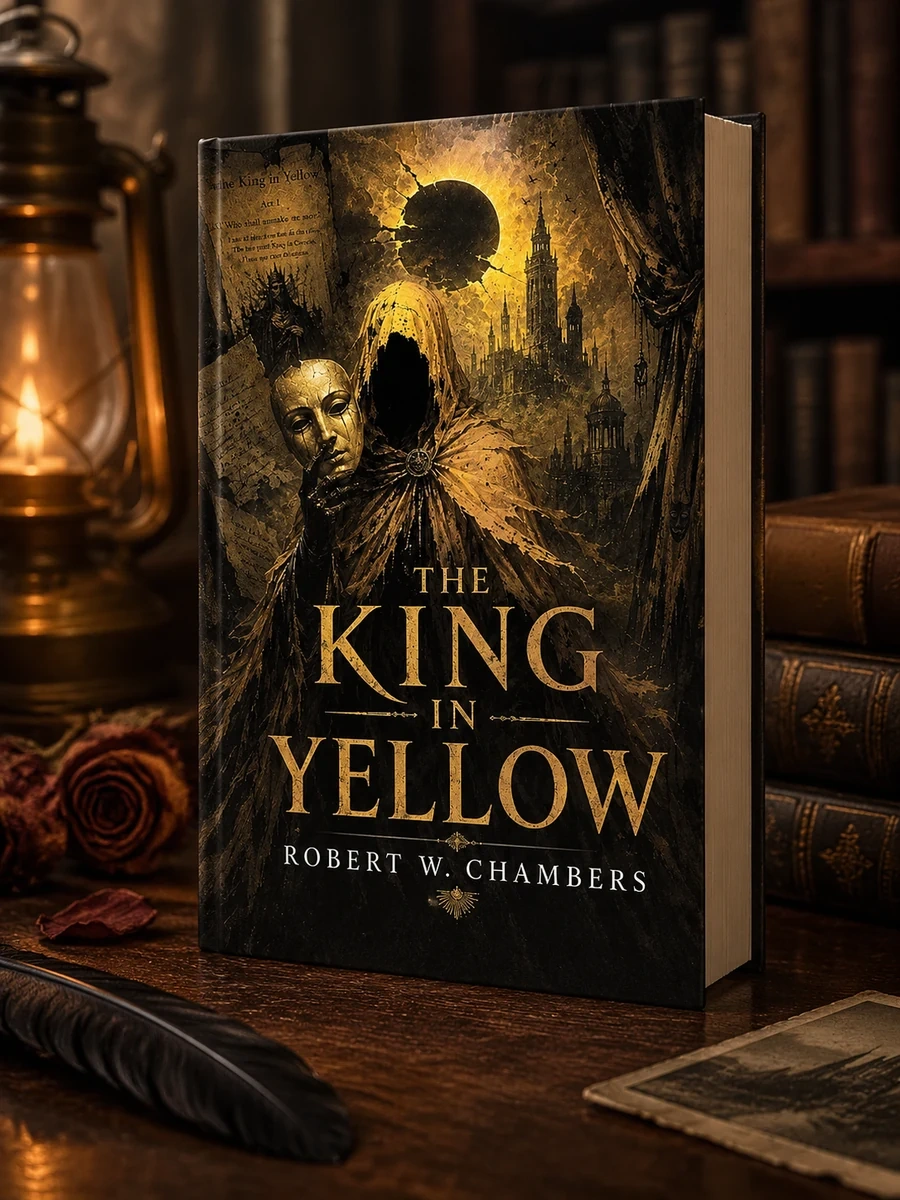
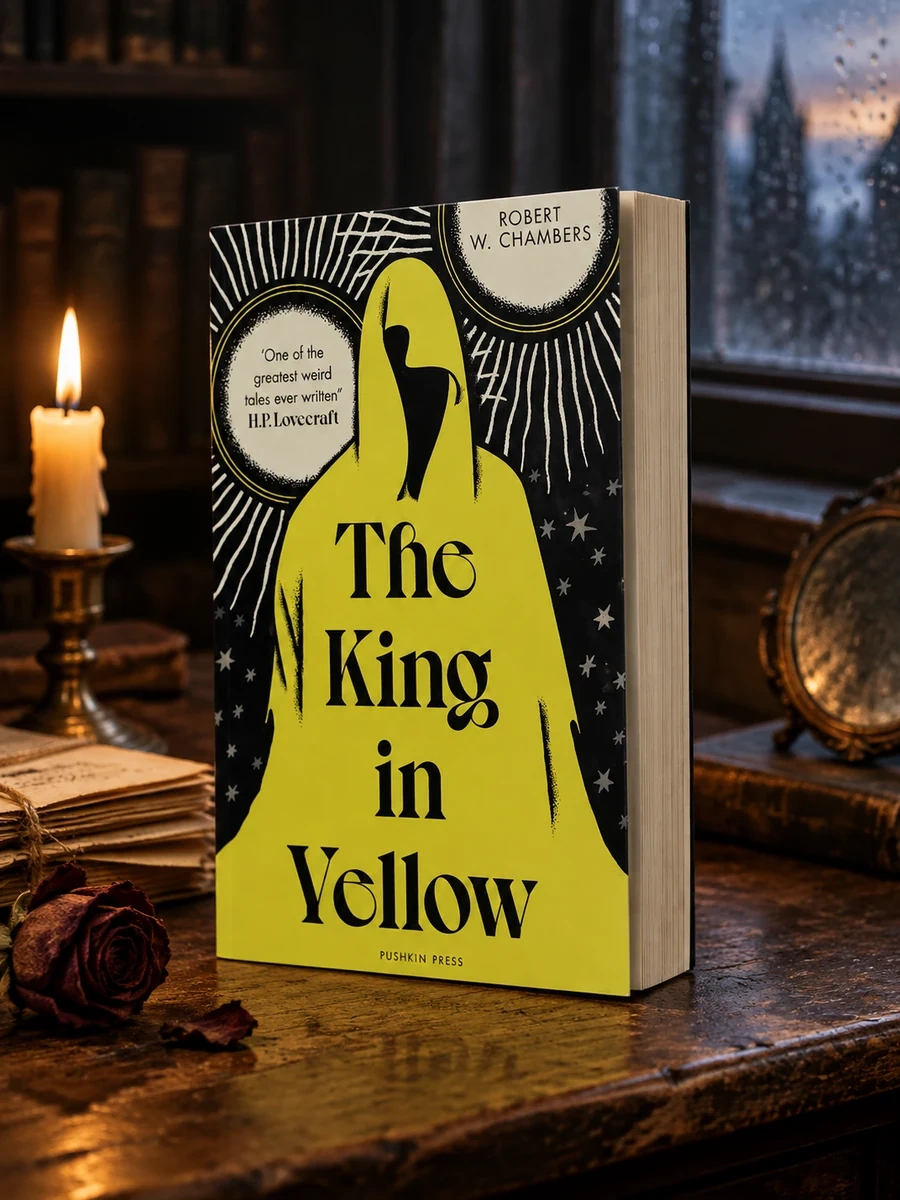
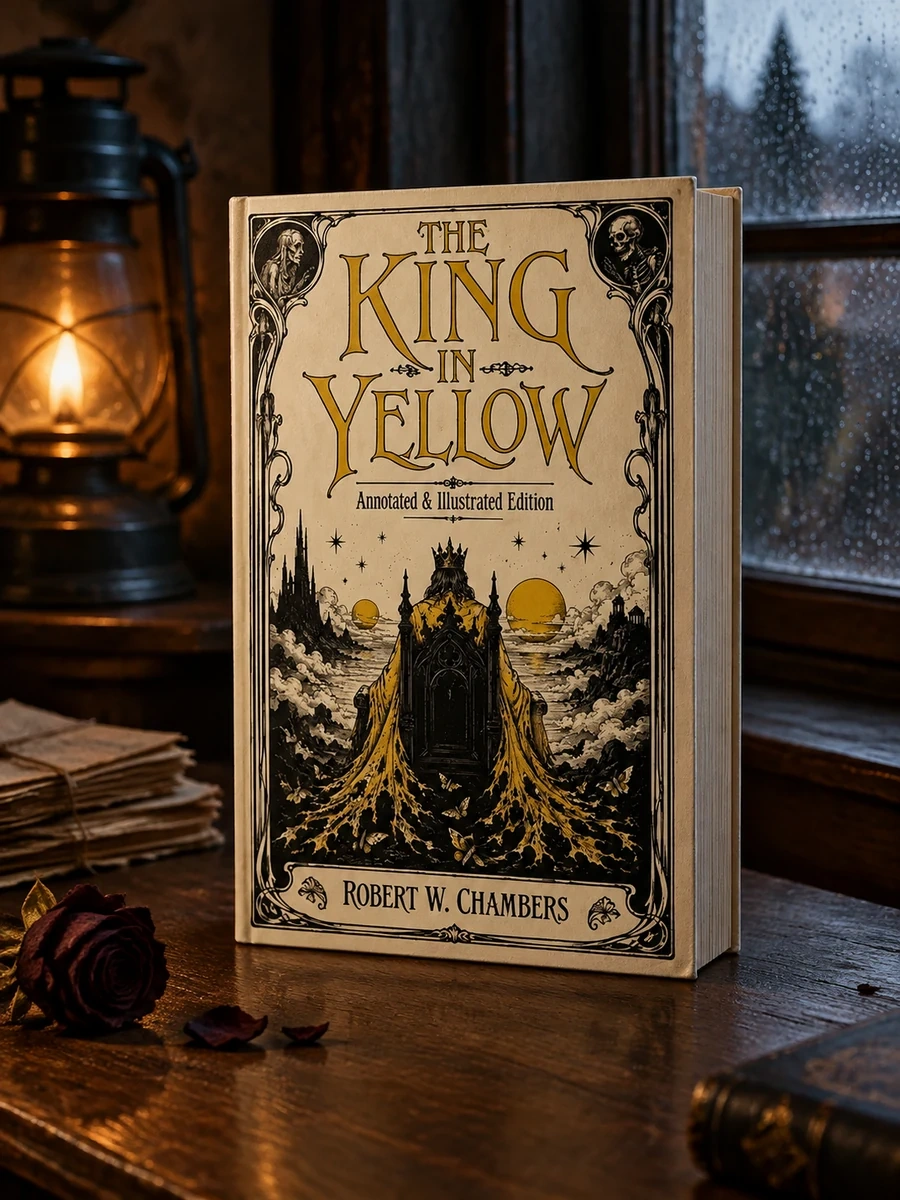
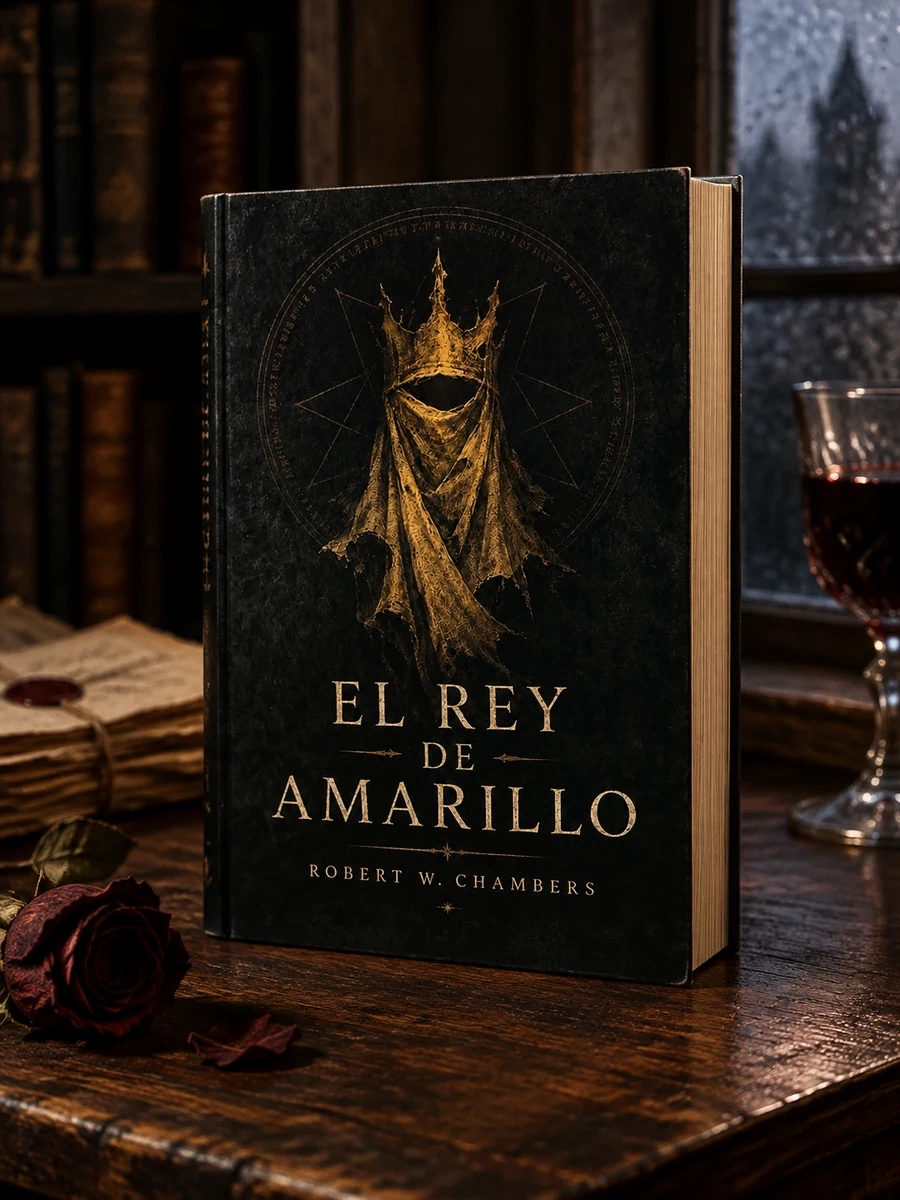
A collection of horror stories centered on a cursed fictional play and its mythological namesakes.
This work examines the impact of a mysterious theatrical piece through various character perspectives. The inclusion of Carcosa and Hastur links the text to earlier literary traditions without directly copying their meanings. Readers encounter a world where reality frays around the edges of the play’s influence. The structure allows for different interpretations of the Stranger’s identity. It remains a primary source for understanding the development of weird fiction in America during the late Victorian era.
Chambers published this collection in 1895 through F. Tennyson Neely. He borrowed specific names from Ambrose Bierce’s stories An Inhabitant of Carcosa and Haita the Shepherd. This places the work firmly within late nineteenth century American literature, bridging gothic traditions with emerging weird fiction.


📝 Description: The King in Yellow
💎 Our verdict on The King in Yellow
📖 Why choose it
Why this book is worth reading
Readers interested in the origins of American weird fiction will find this collection essential for its exploration of a cursed theatrical piece that induces madness. It suits those who appreciate atmospheric tales of cosmic dread over straightforward plots. The text offers a direct look at how late nineteenth-century authors wove together established literary names to build new mythologies. Those seeking contemporary pacing may find the structure less engaging, but enthusiasts of gothic fiction will value the unsettling presence of the play within the narratives. It provides insight into the fraying edges of reality and the development of horror tropes that influenced later generations.
⭐ Reader reviews
Reader rating
Chambers crafts an atmospheric collection where reality frays around the influence of a mysterious play. The book excels in building cosmic dread through character perspectives rather than external action. It suits readers who enjoy late Victorian gothic fiction and psychological horror. The structure allows for varied interpretations of key figures like The Stranger, enriching the thematic depth. While those seeking fast-paced narratives might find it slow, fans of weird fiction will appreciate its historical significance. It effectively demonstrates how borrowed terms from earlier tales were repurposed to create a unique mythological framework. This volume remains a vital text for understanding the evolution of horror literature and the enduring power of cursed art.
📖 Read on the blog
✍️ More books by this author Robert W Chambers
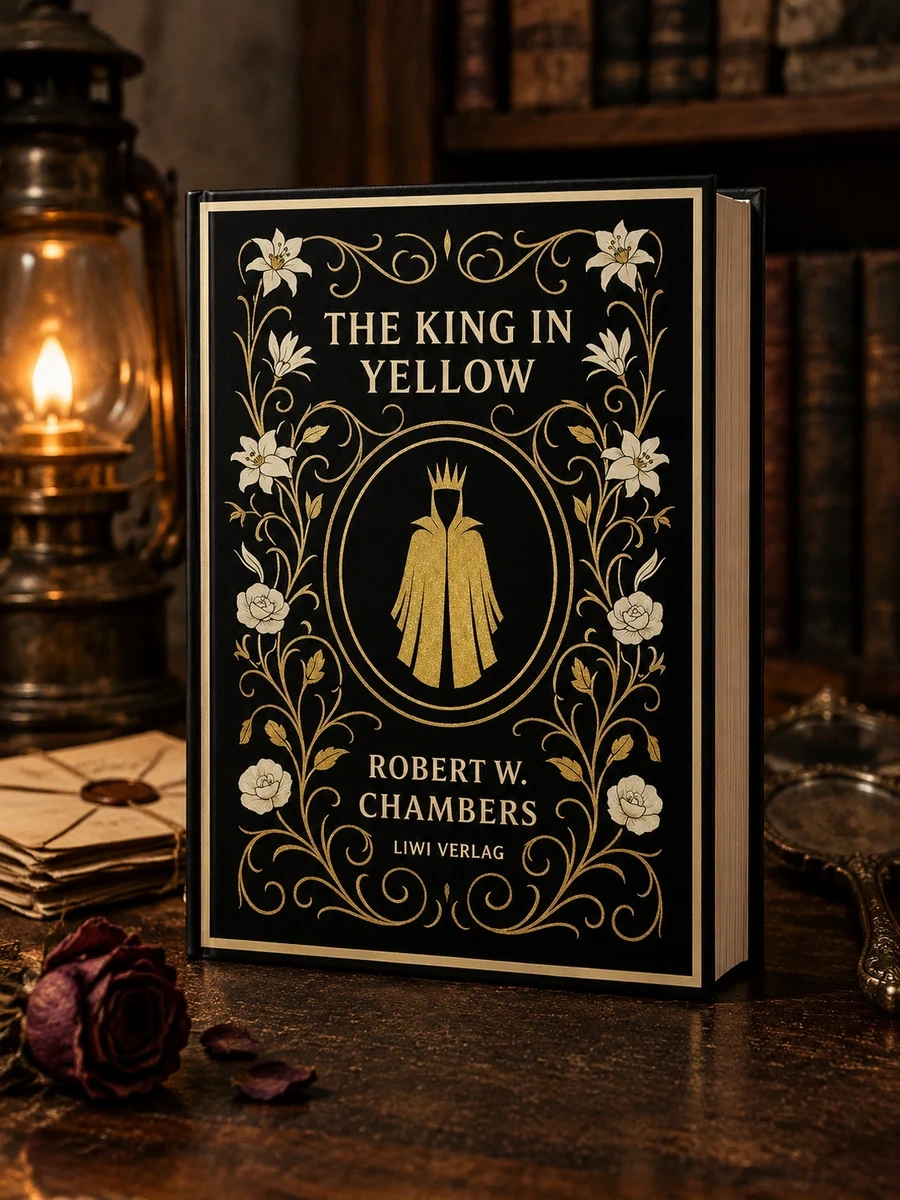


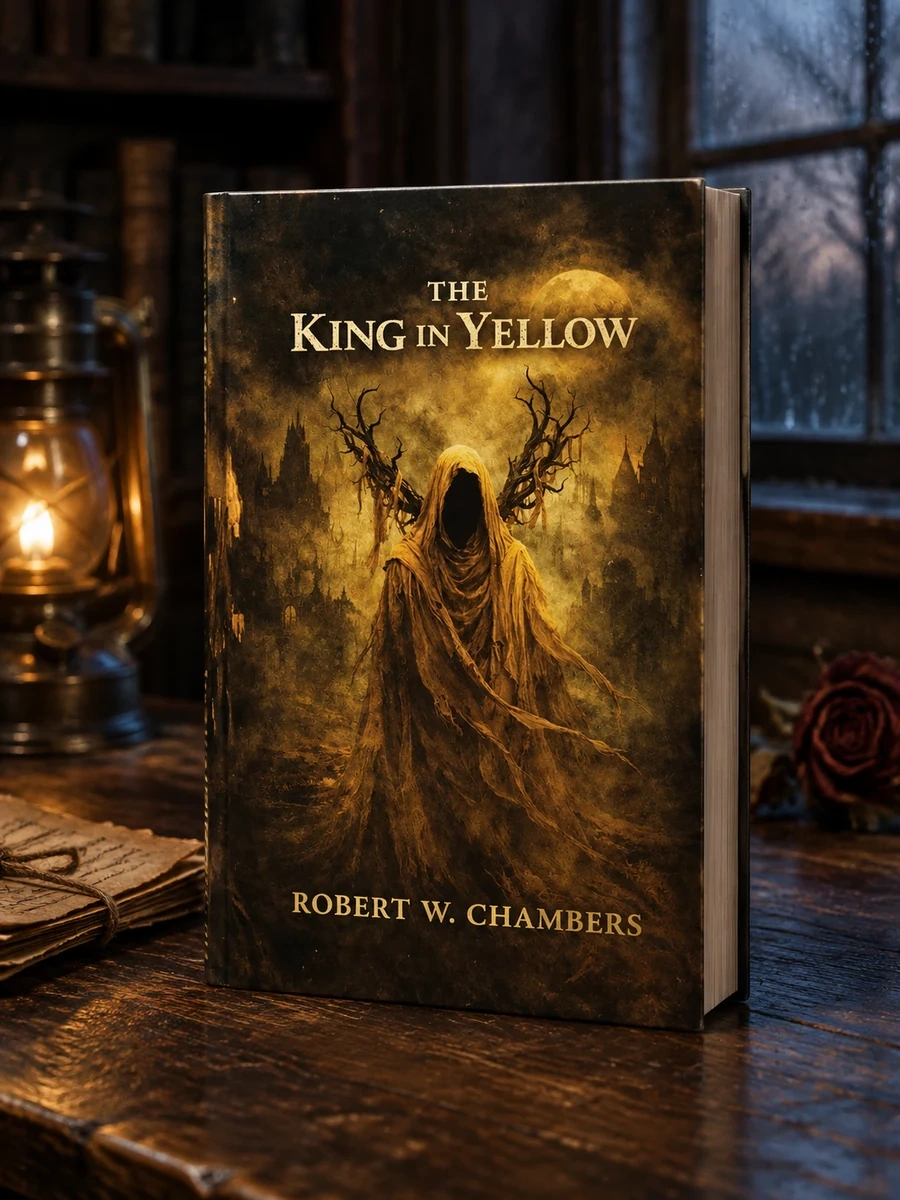
🏛 Books from this publisher Createspace Independent Publishing Platform

You might also like
See more →

Have a question about this item?
Ask about the edition, condition, delivery or anything else — we reply by email or phone, usually within a day.
