🩸Horror Tradition
Bogeyman
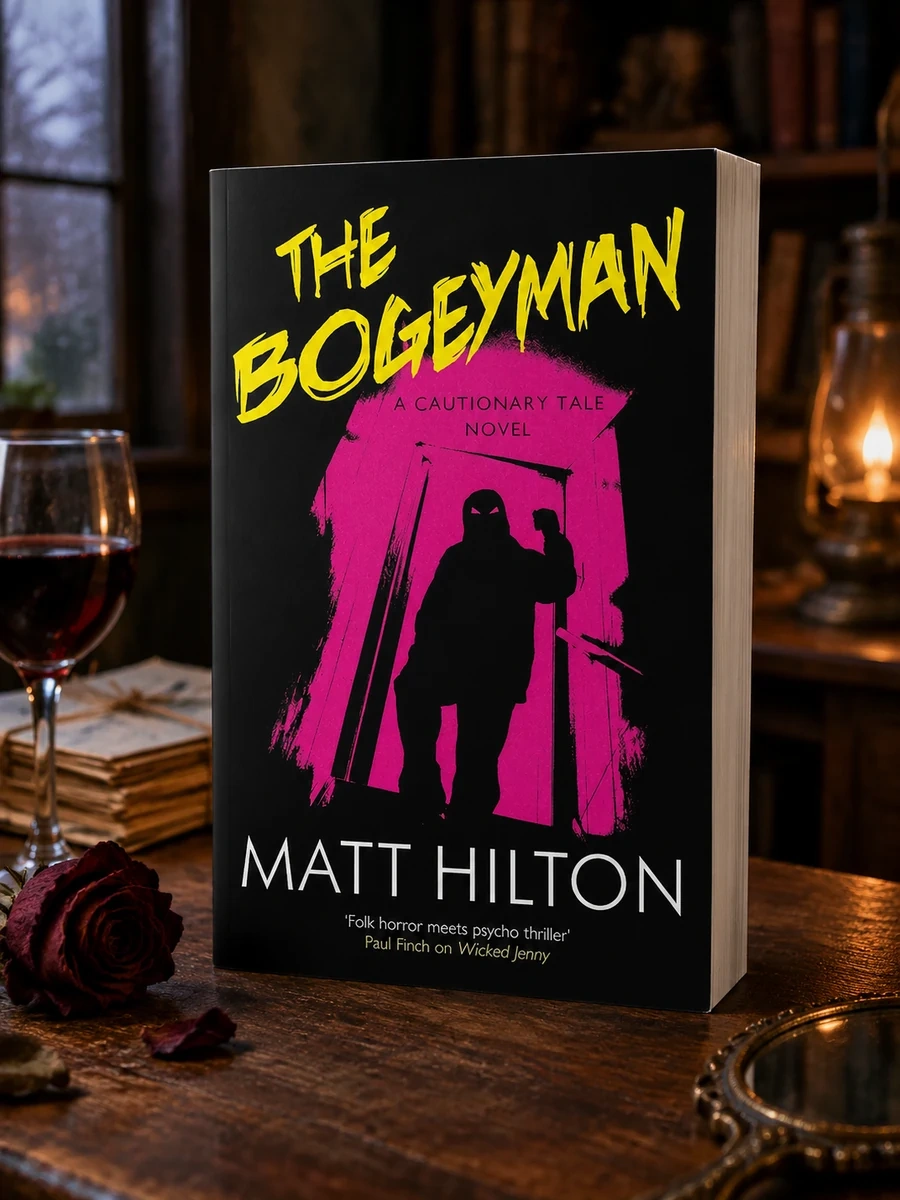
The bogeyman is a mythical shapeless or grotesque entity originating from British and European folklore, historically used by parents to frighten children into obedient behavior.
Etymology & Origin
Where the word comes from
Derived from Middle English and Scottish dialect terms such as bogle and bogge, ultimately related to the Middle High German pusand or Old Norse ghosts and goblins.
Full Definition
In depth
Origins The figure of the bogeyman emerges from centuries of British, Germanic, and broader European folklore, with roots tracing back to early modern terms for goblins, specters, and mischievous spirits. Variants appear across European traditions, such as the Scottish bogle, the English boggart, and similar Germanic bogles or bogies linked to damp or hidden places. Historically, communities invoked these vague, menacing entities to personify the perils of the unknown, transforming formless dread into a cautionary household tool designed to keep wandering children close to home.
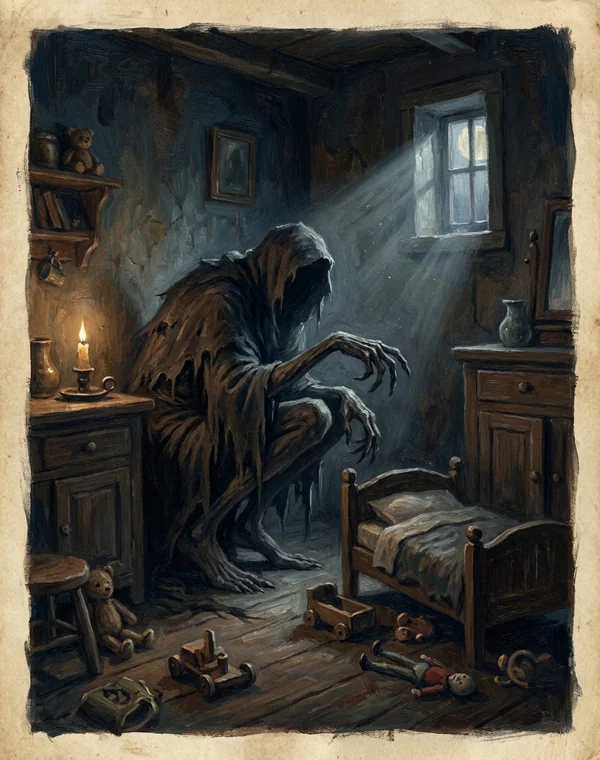
What It Is Said to Do In traditional lore, the bogeyman lacks a fixed physical form, allowing it to adapt to whatever shape a child's imagination or local superstition fears most. It is typically described as lurking in dark, neglected corners—beneath beds, inside closets, or just outside bedroom windows—waiting for darkness and vulnerability. It is said to snatch away disobedient children, spirit them into shadows, or punish those who stay up past their bedtime. Protection against the bogeyman traditionally relied on simple domestic rituals, such as keeping bedroom lights on, checking under furniture, or maintaining good behavior to avoid drawing its malevolent attention.
In Horror Fiction Horror writers leverage the amorphous nature of the bogeyman to explore foundational anxieties surrounding childhood trauma, domestic vulnerability, and the corruption of safe spaces. Because the creature has no definitive shape, authors project adult and childhood terrors onto it, making it a powerful metaphor for repressed memories, abuse, and the inescapable nature of fear. In Stephen King's famous short story "The Boogeyman," the entity serves as a horrifying predator that feeds on children while exploiting a father's profound guilt and grief.
Why It Still Frightens The bogeyman endures because it represents the universal childhood terror of the dark, turning every unlit corner and closet door into a threshold for potential nightmare.
Connected Concepts
Related horror terms
Further Study