🩸Horror Tradition
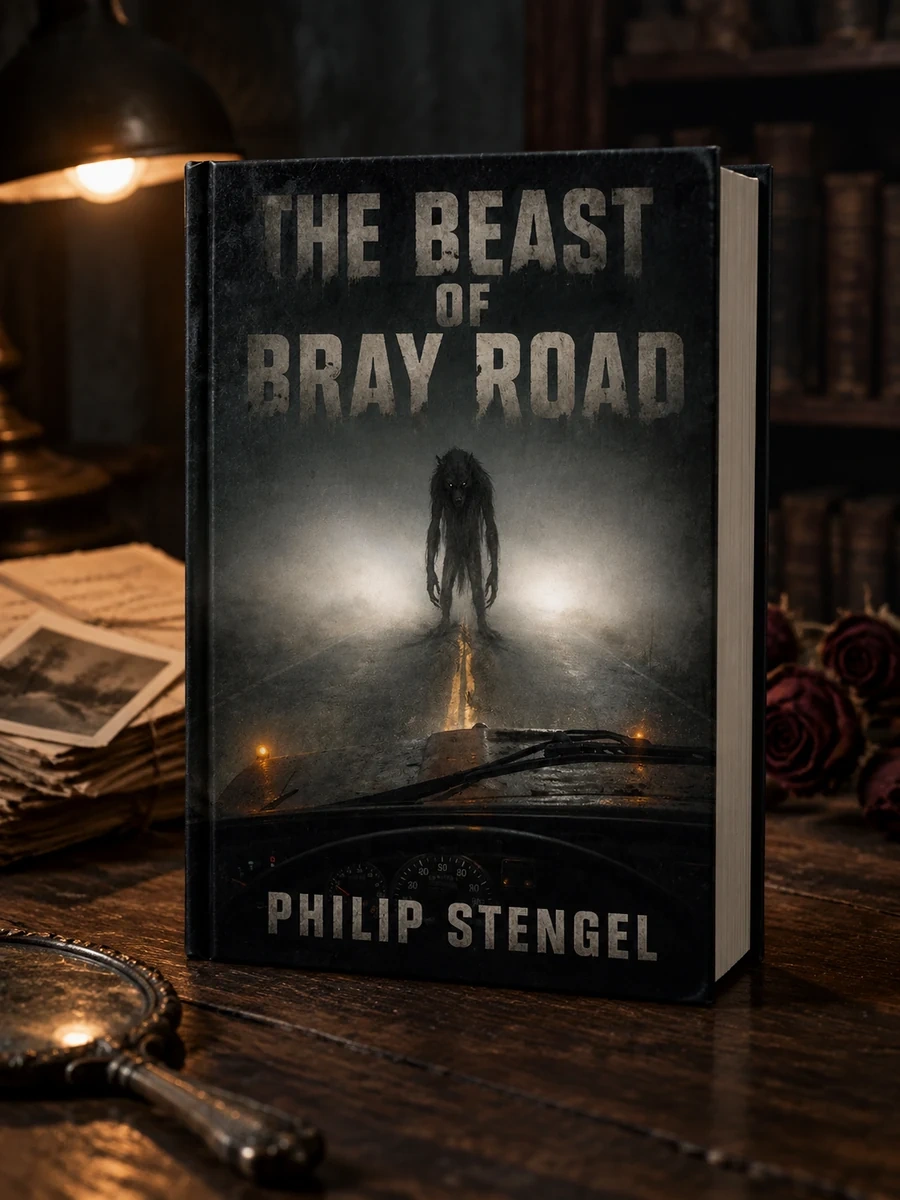
Beast of Bray Road
A large, bipedal canine cryptid that emerged from rural twentieth-century folklore in southeastern Wisconsin, frequently described as a modern American werewolf.
Etymology & Origin
Where the word comes from
Named after Bray Road, the rural asphalt lane in Walworth County, Wisconsin, where multiple concentrated sightings were reported.
Full Definition
In depth
Origins The legend of the Beast of Bray Road traces back to rural Walworth County, Wisconsin, centering specifically on a quiet stretch of country pavement outside the town of Elkhorn. While isolated accounts date back as early as the 1930s, the phenomenon erupted into public consciousness during the late 1980s and 1990s. Local newspaper reporter Linda S. Godfrey investigated a wave of bizarre eyewitness testimonies describing an anomalous creature lurking near fields, farms, and wooded stretches. Rather than originating from deep ancient indigenous myth, the creature belongs to modern American cryptid folklore, sharing conceptual space with classic werewolf legends and regional monster traditions.
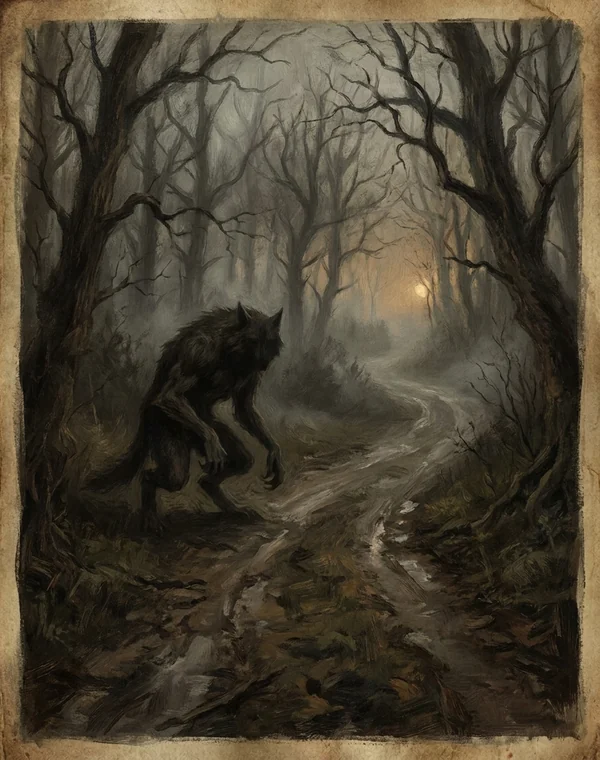
What It Is Said to Do Eyewitnesses typically describe the beast as a massive, muscular creature standing between five and seven feet tall, capable of moving on all fours or striding upright on its hind legs like a man. It is said to possess thick gray-brown or black fur, glowing or reflective eyes, pointed ears, and sharp claws. Some accounts emphasize a foul, putrid odor accompanying its presence. Rather than magical transformation, local folklore treats it as a physical beast of flesh and blood, leaving behind disturbed earth, mutilated animal carcasses, and deep track impressions. Locals and investigators offer no specific ritual protections, leaving drivers and pedestrians to rely on caution, locked doors, and avoidance of isolated back roads after dark.
In Horror Fiction In horror literature and storytelling, the creature represents the chilling intersection of desolate rural isolation and untamed wilderness. Writers use the entity to evoke the primal fear of being hunted in the dark, turning ordinary, familiar Midwestern landscapes into zones of existential dread. Its ambiguous nature—sitting uneasily between a wild animal, a human, and a supernatural manifestation—taps into anxieties about the thin veneer of civilization breaking down right at the edge of a lonely highway.
Why It Still Frightens The creature endures as a source of terror because it haunts ordinary, everyday settings, reminding people that terrifying unknowns can exist just beyond the headlights of a car on any quiet country road.
Connected Concepts
Related horror terms
Further Study