We Sang in the Dark
A sociology professor confronts her erased past when a survivor from a deadly cult reappears.
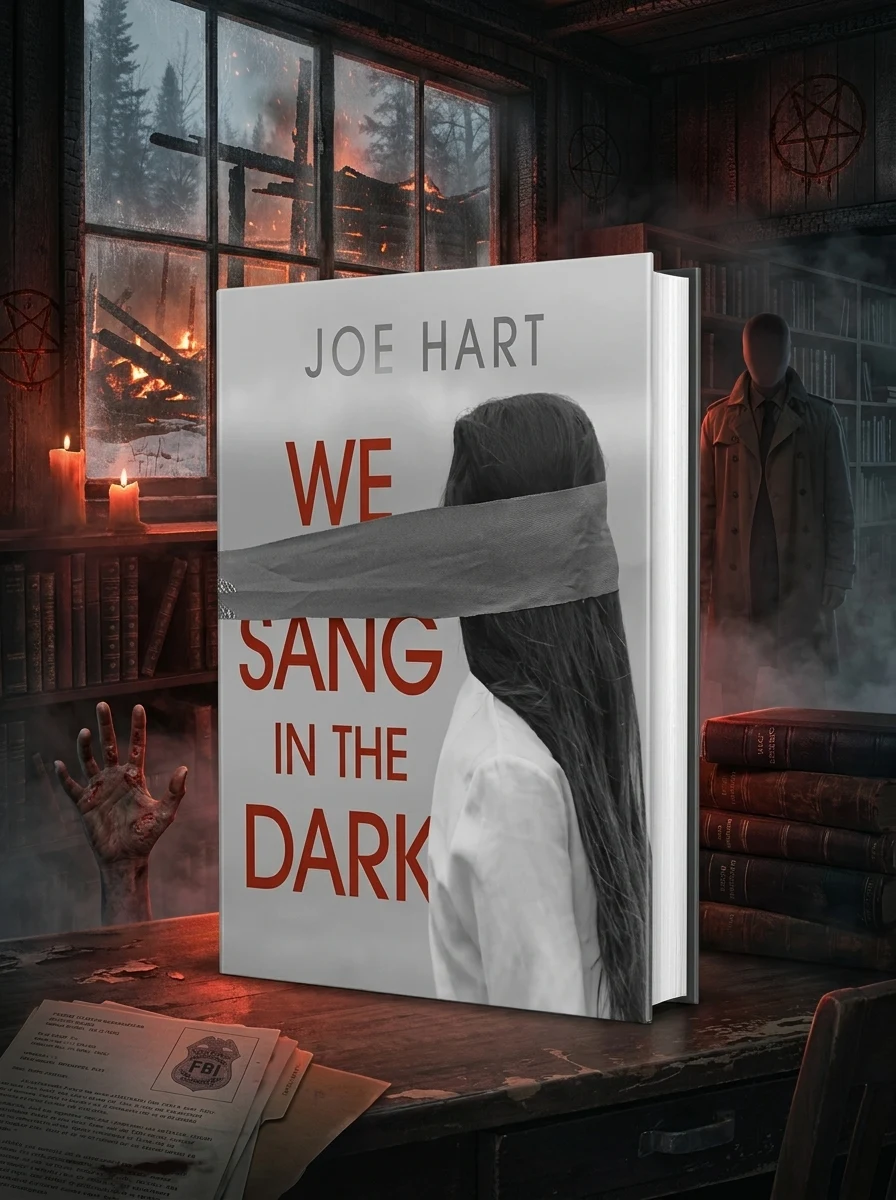
The narrative follows Clare as she navigates the return of traumatic memories linked to The Refuge cult in northern Minnesota. Her professional expertise in cult behavior contrasts sharply with her personal vulnerability, as she struggles against the legacy of her father's mental illness. The arrival of a woman claiming to be her sister Shanna forces Clare to revisit the site of the tragedy that claimed forty lives. As she investigates, she encounters stalking and hallucinations that blur the line between reality and delusion. Hart uses this premise to examine how trauma persists across generations. The story does not offer easy answers but instead focuses on the psychological toll of suppressed history. Readers will find a character study that prioritizes internal conflict over external plot twists. The tension arises from Clare's deteriorating grip on her own mind rather than traditional monster hunting.
The story is set in northern Minnesota and draws on the real-world phenomenon of cult suicides and compound fires. It examines the sociological impact of such tragedies on survivors and their families, focusing on the long-term psychological effects rather than just the event itself.


📝 Description: We Sang in the Dark
💎 Our verdict on We Sang in the Dark
📖 Why choose it
Why this book is worth reading
Readers seeking deep character studies over action will find this title compelling. Those interested in cult psychology and the unreliable narrator trope will appreciate the nuanced exploration of trauma. It suits individuals who enjoy internal conflict and psychological ambiguity. The book offers a stark look at how suppressed history affects the present. Fans of slow-burn tension and mental deterioration narratives will engage with Clare's journey. It is ideal for those willing to sit with discomfort and unanswered questions. The focus on generational trauma provides a rich, if unsettling, reading experience.
⭐ Reader reviews
Reader rating
Hart crafts a tense examination of sanity through Clare’s deteriorating grip on reality. The narrative effectively contrasts professional expertise in cult dynamics with personal vulnerability, creating sharp psychological tension. By focusing on internal conflict rather than external plot twists, the story prioritizes the toll of suppressed history. The blurring of hallucination and reality challenges the reader to question Clare’s perception. This approach rewards patience with a profound character study. However, those seeking fast-paced action or clear resolutions may find the ambiguity frustrating. The book excels in atmosphere and thematic depth regarding memory and identity.