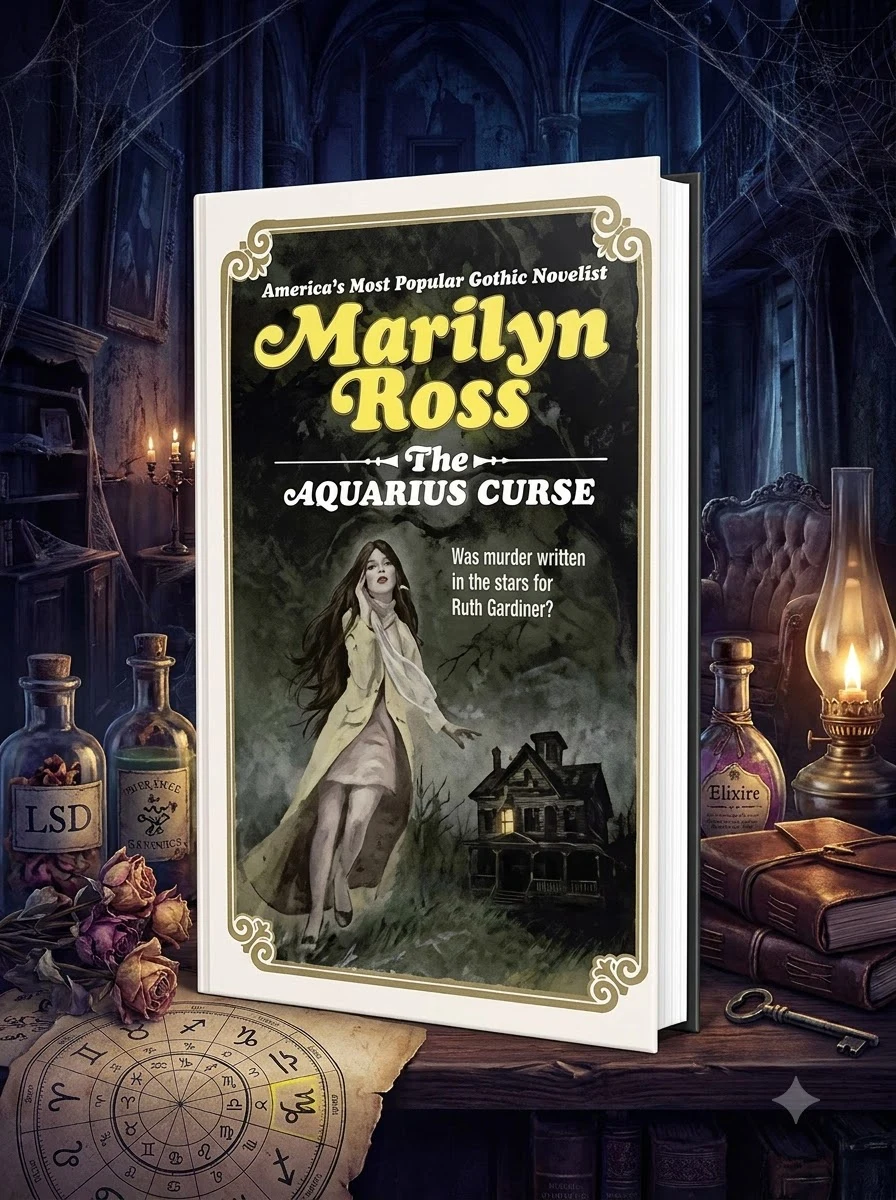
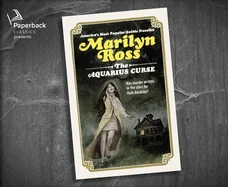
The Aquarius Curse
A woman investigates her sister's disappearance at a sinister drug cult hotel.
The narrative follows Ruth as she confronts the mystery of Mary's vanishing act at Cranston House. Dr. Eric Palmer controls this run-down hotel with his youthful followers. The plot hinges on Ruth's realization that she is trapped and that Mary's fate is tied to dangerous experiments. The story relies on the tension between Ruth's past love for Mary and her current peril. It examines how isolation and drug culture create a claustrophobic environment where truth is hidden.
Published in 2021 by Paperback Classics, this work draws on the tradition of gothic horror and supernatural fiction. It reflects themes associated with the counterculture movement through its depiction of drug experiments and cult dynamics within a confined, sinister setting.


📝 Description: The Aquarius Curse
💎 Our verdict on The Aquarius Curse
📖 Why choose it
Why this book is worth reading
Readers who crave claustrophobic suspense and gothic atmospheres will find value in this narrative. It appeals to those intrigued by the intersection of supernatural elements and psychological terror within a confined space. The story offers a tense exploration of isolation, making it suitable for fans of mystery-driven horror. Those interested in the dark undercurrents of drug culture and sinister cult dynamics will appreciate the setting's role in building dread. It is ideal for audiences who enjoy protagonists trapped in dangerous environments, investigating disappearances while facing their own peril. The book provides a classic suspense experience focused on confinement and unknown threats rather than complex historical detail.
⭐ Reader reviews
Reader rating
The narrative effectively builds tension through the confinement of Cranston House, placing Ruth in a virtual prison managed by Dr. Eric Palmer. Ross utilizes the gothic tradition well, emphasizing isolation and the threat of hidden experiments to create a claustrophobic mood. The plot hinges on the mystery of Mary's disappearance, kept deliberately vague to maintain suspense. This approach suits readers who prefer atmospheric dread over explicit details. The story excels in portraying psychological fear through the lens of drug culture and power dynamics. It is best for those seeking classic horror fiction with a focus on mystery and supernatural undertones. The book avoids historical accuracy in favor of mood, delivering a tight, suspenseful experience centered on survival and truth-seeking within a sinister environment.