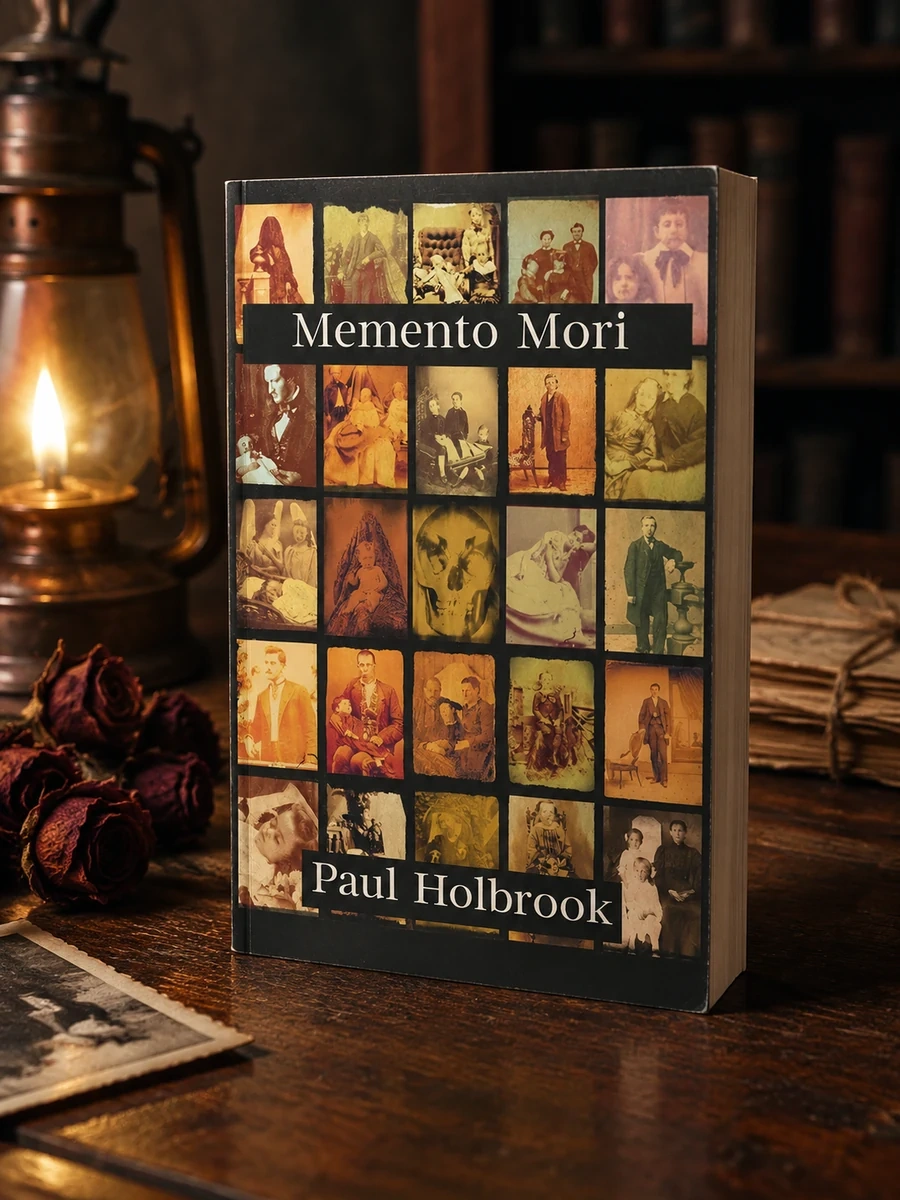
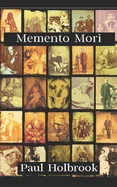
Memento Mori
A photographer hunts a demon in 1877 Whitechapel.
Holbrook constructs a narrative where professional ambition collides with supernatural terror. Sibelius Darke navigates a world where the dead are subjects for his lens, yet he becomes the target of a beast from his past. The text examines how grief and power intersect in Victorian society. Darke’s role as an artist allows him to see details others miss, but also marks him as an outsider. The conflict arises when a mythological demon uses a child’s voice to issue warnings. This forces Darke to act outside the law to stop the killer. The story does not offer easy answers for the protagonist.
This work is situated in Whitechapel, London, during 1877. It draws on late Victorian social structures and the era’s fascination with death rituals. The setting provides a backdrop for exploring class dynamics through Darke’s interactions with the rich and powerful.


📝 Description: Memento Mori
💎 Our verdict on Memento Mori
📖 Why choose it
Why this book is worth reading
Readers who appreciate atmospheric horror rooted in historical settings will find this narrative compelling. The story offers a unique perspective by centering on a post-mortem photographer, blending professional ambition with supernatural terror. Those interested in the psychological weight of grief and the power dynamics of Victorian society will engage with Darke’s isolation. The plot provides tension through a cat-and-mouse game involving a mythological demon, appealing to fans of cosmic and gothic horror who enjoy complex protagonists navigating moral ambiguities without easy resolutions.
⭐ Reader reviews
Reader rating
Holbrook effectively merges historical detail with supernatural elements, creating a tense atmosphere in late nineteenth-century London. The protagonist’s profession provides a distinct lens for exploring death and memory, adding depth to the traditional murder mystery structure. While the narrative avoids offering simple answers, it succeeds in building dread through Darke’s personal history and the eerie warnings delivered by a dead child. This work suits readers who prefer psychological horror over action-driven plots. It is particularly recommended for those fascinated by the intersection of art, grief, and the uncanny in Victorian settings.