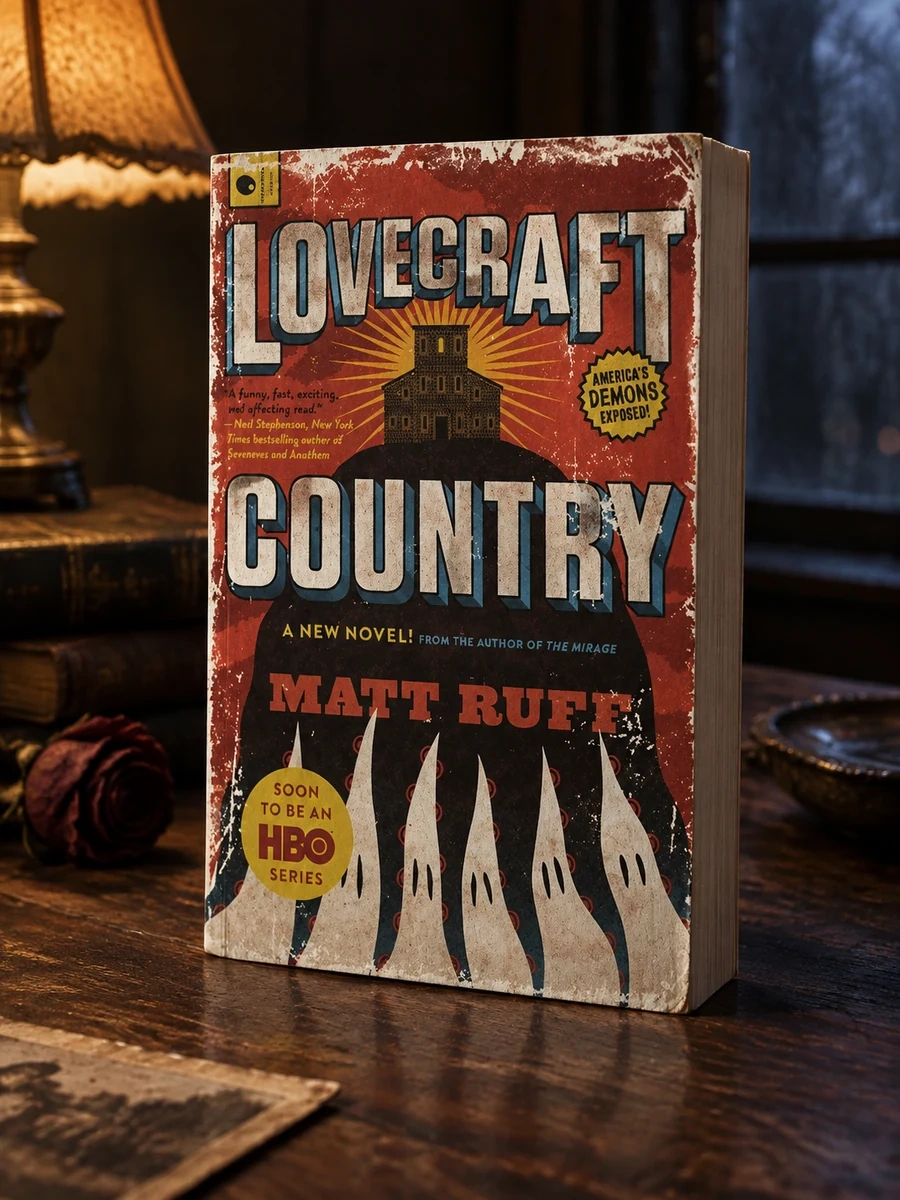
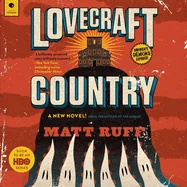
Lovecraft Country
A 1954 road trip blends horror with the realities of Jim Crow America.
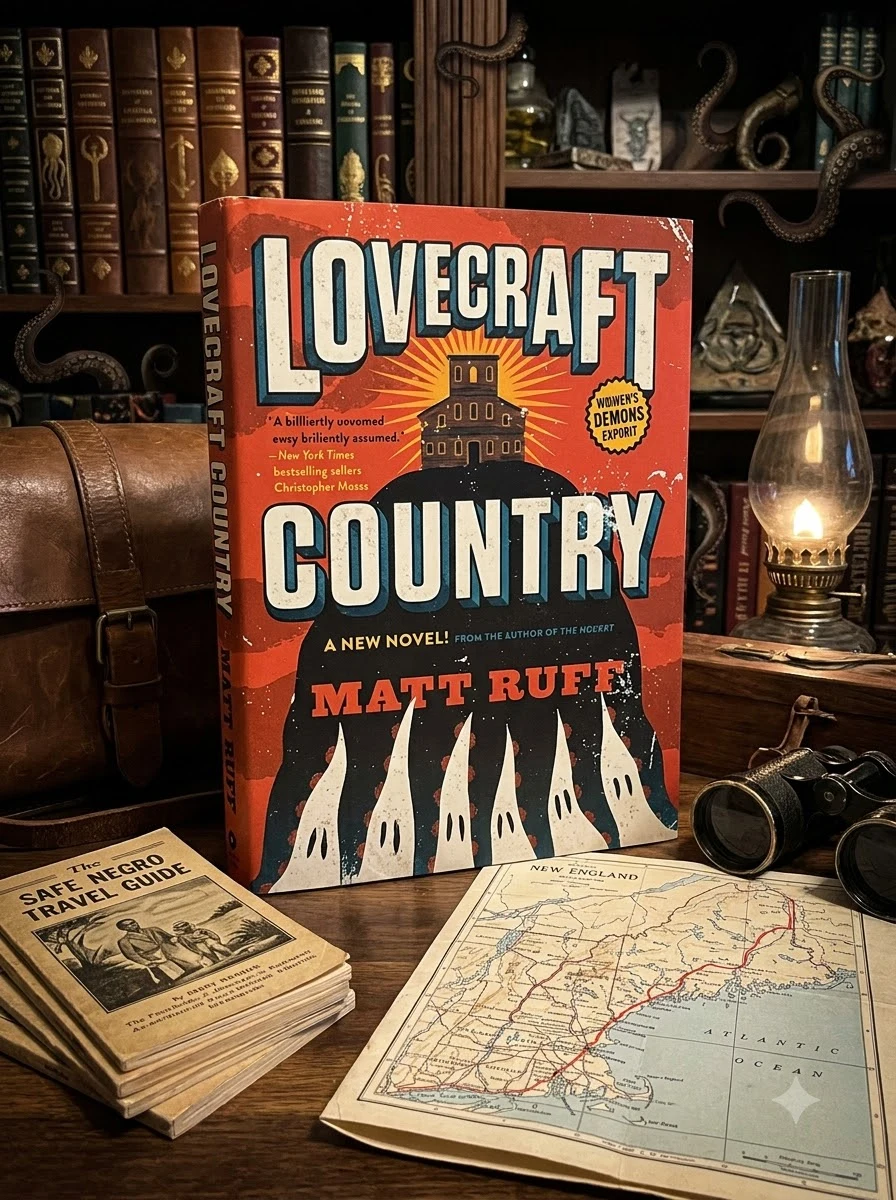
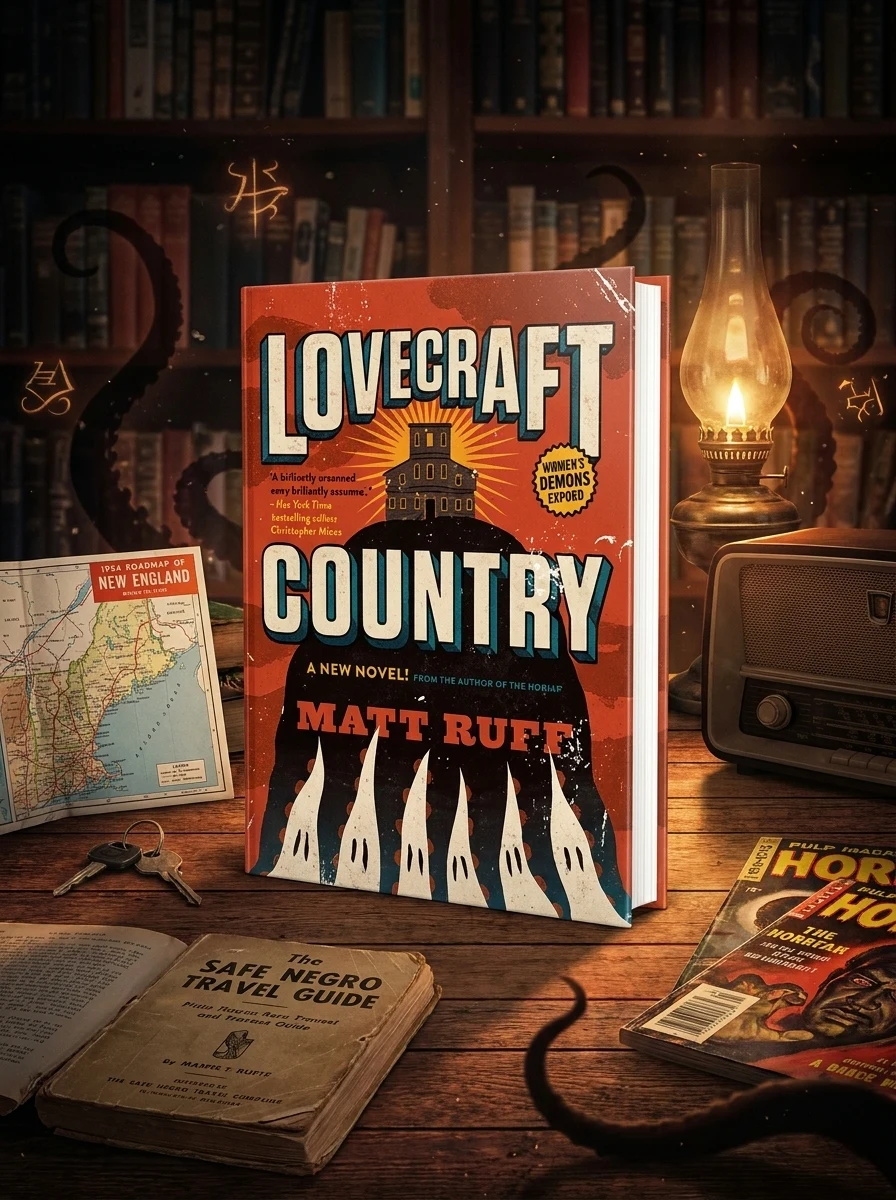
This novel reimagines the classic monster hunt by placing it within the context of mid-century racial segregation. Atticus Turner’s quest to locate his father becomes a confrontation with both supernatural entities and human prejudice. The presence of Mr. Braithwhite ties the current mystery to ancestral ownership and legacy. George’s guidebook underscores the constant vigilance required for Black travelers during this period. The story does not separate the horror of ghosts from the horror of society. Instead, it weaves them together to show how fear operates on multiple levels. The narrative spans different generations, connecting the experiences of Atticus with those of his forebears. This structure allows Ruff to examine how history repeats itself in new forms. The result is a story that feels both urgent and deeply rooted in the past.
Set in 1954 Chicago and New England, the book addresses the specific fears of Black Americans during the Jim Crow era. It draws on pulp noir traditions and Lovecraftian weird tales to critique historical injustice.


📝 Description: Lovecraft Country
💎 Our verdict on Lovecraft Country
📖 Why choose it
Why this book is worth reading
This book is essential for readers who appreciate horror fiction that does not shy away from the visceral realities of historical trauma. It offers a unique narrative experience by weaving together the terrors of supernatural entities with the mundane, yet equally deadly, dangers of Jim Crow America. Those interested in how fear operates on multiple levels will find this story urgent and deeply rooted in the past. It is ideal for audiences seeking a kaleidoscopic portrait of racism through the eyes of two Black families. The novel connects personal family histories to broader societal fears, making abstract concepts of injustice immediate. Readers who enjoy dark fantasy grounded in real-world social commentary will gain much from this exploration of legacy and survival across generations.
⭐ Reader reviews
Reader rating
Ruff successfully merges historical fiction with pulp noir to create a compelling narrative that confronts both supernatural entities and human prejudice. The story follows Atticus Turner’s quest to locate his father, intertwining magical elements with the constant vigilance required for Black travelers in 1954. By placing the horror of ghosts alongside the horror of society, the novel demonstrates how fear operates on multiple levels simultaneously. The narrative structure effectively links personal experiences to broader historical injustices, showing how history repeats itself in new forms. This approach makes systemic racism feel visceral and immediate. While the political weight may be heavy for some, the book is a powerful examination of hope and freedom, suited for those interested in supernatural fiction grounded in real historical trauma.