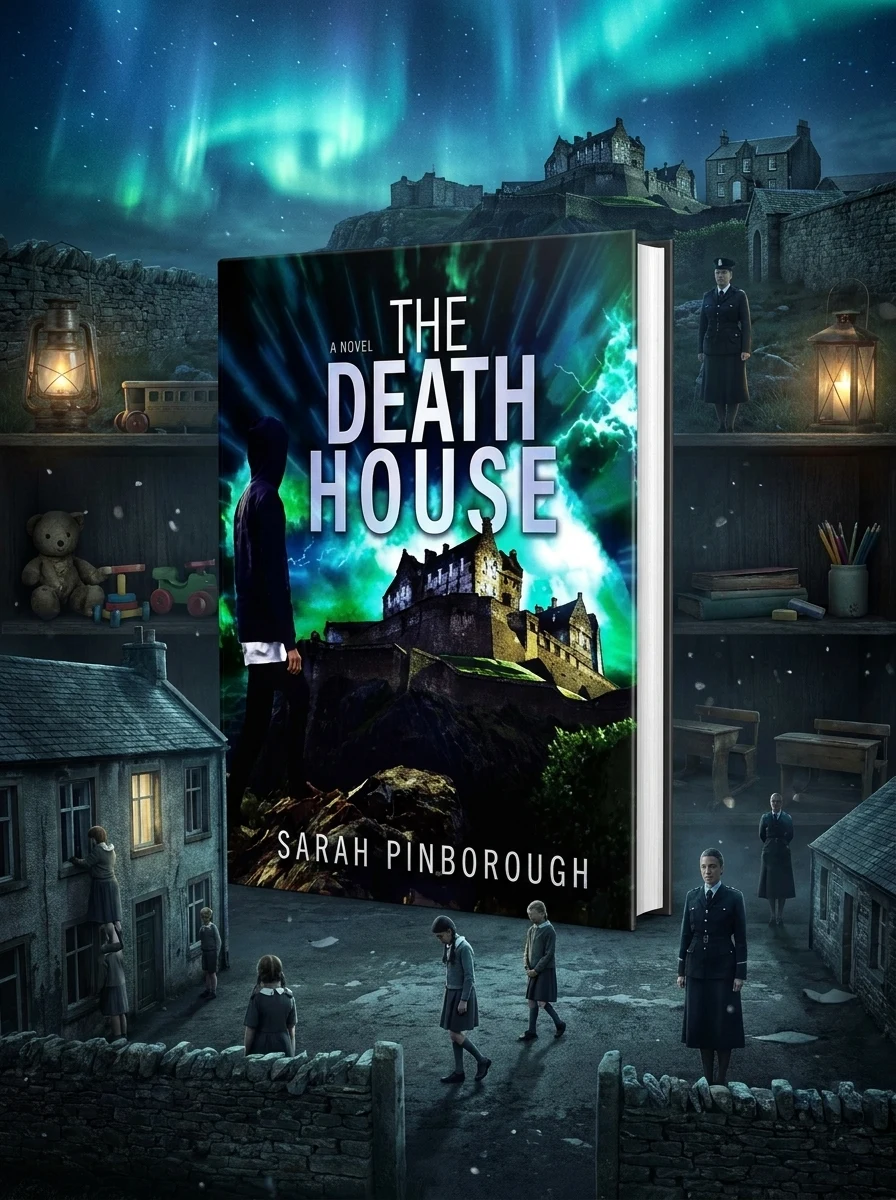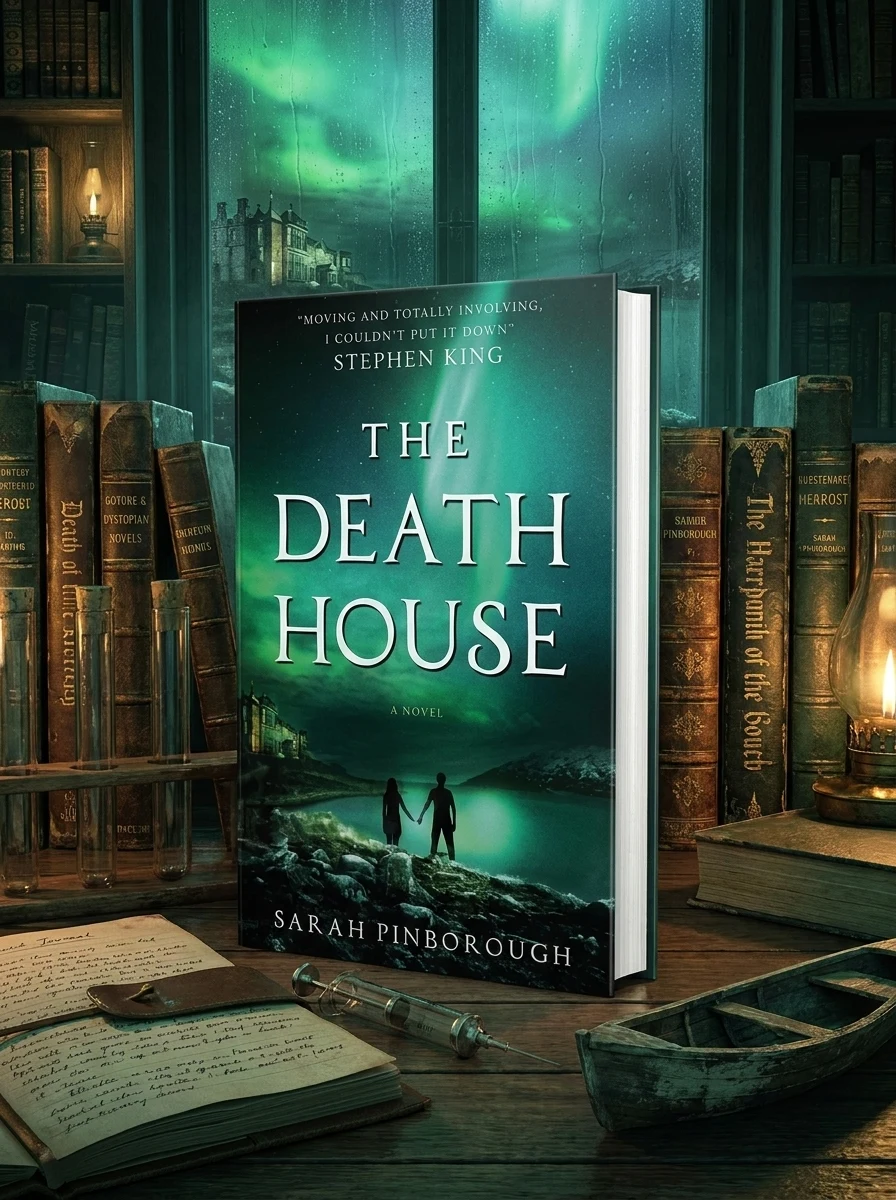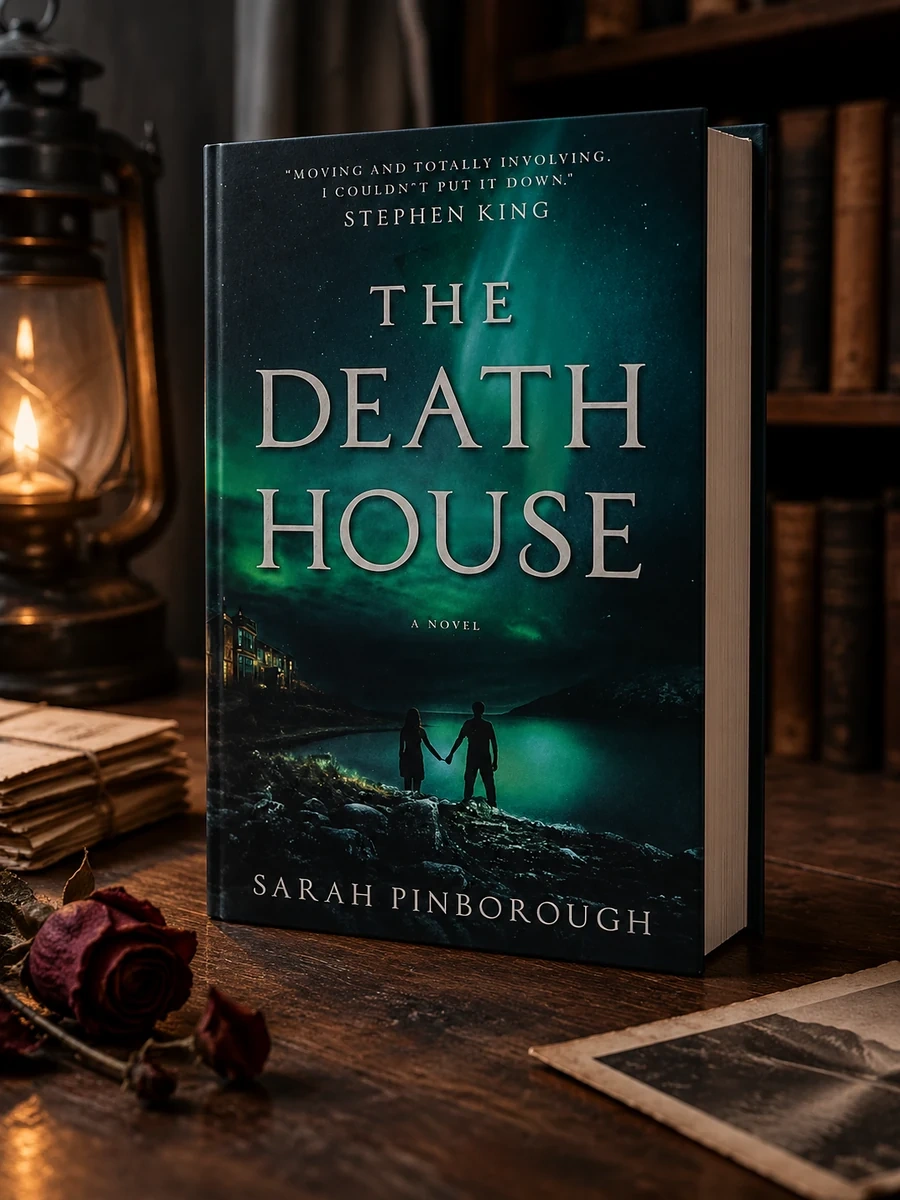
The Death House
Currently unavailable
This book is sold out right now. Leave your email — we'll let you know if it comes back, and you'll get 10% off any book today.
In stock now — readers of this book also loved:


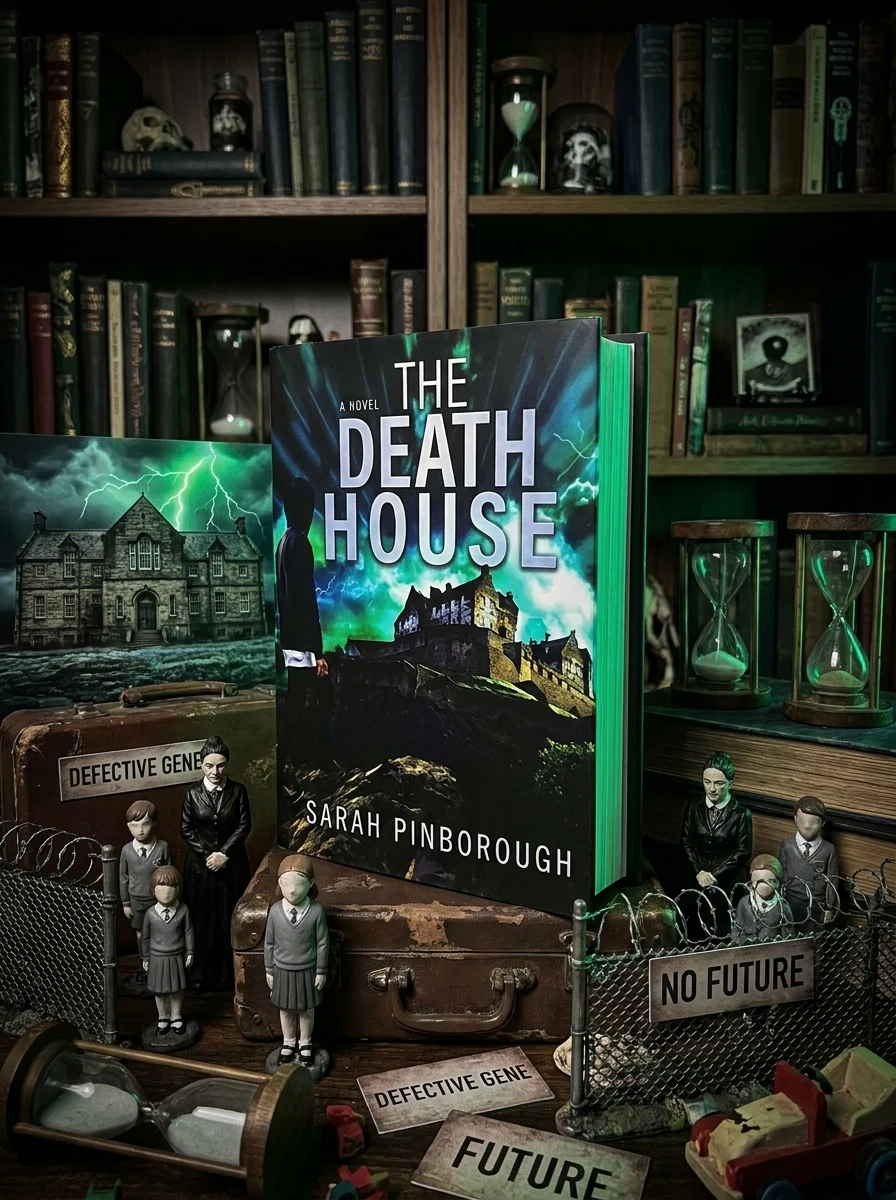
A dystopian tale of children destined to die in a remote boarding school.
Pinborough explores the psychological impact of institutionalized death through Toby's eyes. The setting is a stark, isolated island where time loses meaning. Students are stripped of their identities and reduced to biological defects. The narrative structure follows Toby's internal journey as he moves from passive acceptance to active resistance. New arrivals disrupt the status quo, introducing hope and danger in equal measure. The story examines how authority figures maintain control through fear and neglect. It highlights the fragility of human connection when faced with absolute powerlessness.
The book sits within the tradition of British dystopian fiction, echoing themes found in Lord of the Flies and Never Let Me Go. It reflects contemporary anxieties about genetic determinism and institutional control. The setting evokes mid-twentieth-century educational structures repurposed for sinister ends.


📝 Description: The Death House
💎 Our verdict on The Death House
📖 Why choose it
Why this book is worth reading
Readers seeking bleak, character-driven speculative fiction will find this narrative compelling. It appeals to those interested in the psychological impact of institutionalized death and the loss of innocence. The book offers a deep exploration of human connection against absolute powerlessness. It is ideal for fans of social commentary blended with horror elements. Those who enjoy stories about agency within oppressive systems will appreciate Toby’s internal journey. However, it may be too heavy for those preferring lighthearted adventure or traditional ghost stories. The narrative focuses on the struggle for identity in a rigid environment.
⭐ Reader reviews
Reader rating
Sarah Pinborough delivers a stark, isolated exploration of mortality through Toby’s eyes. The setting on the remote island effectively strips away identity, reducing students to biological defects. The narrative structure tracks a poignant shift from passive acceptance to active resistance. Pinborough excels at depicting how authority maintains control through fear and neglect. The tone is appropriately heavy, focusing on the fragility of human connection. This work suits readers who appreciate psychological horror over conventional scares. It challenges the reader to confront the terrifying future awaiting its protagonist. The comparison to classic dystopian literature highlights its thematic depth.
![We Live Here Now: A Novel [Limited Stenciled Edge Edition]](/img/we-live-here-now-a-novel-limited-stenciled-edge-edition-43826-scene.webp)