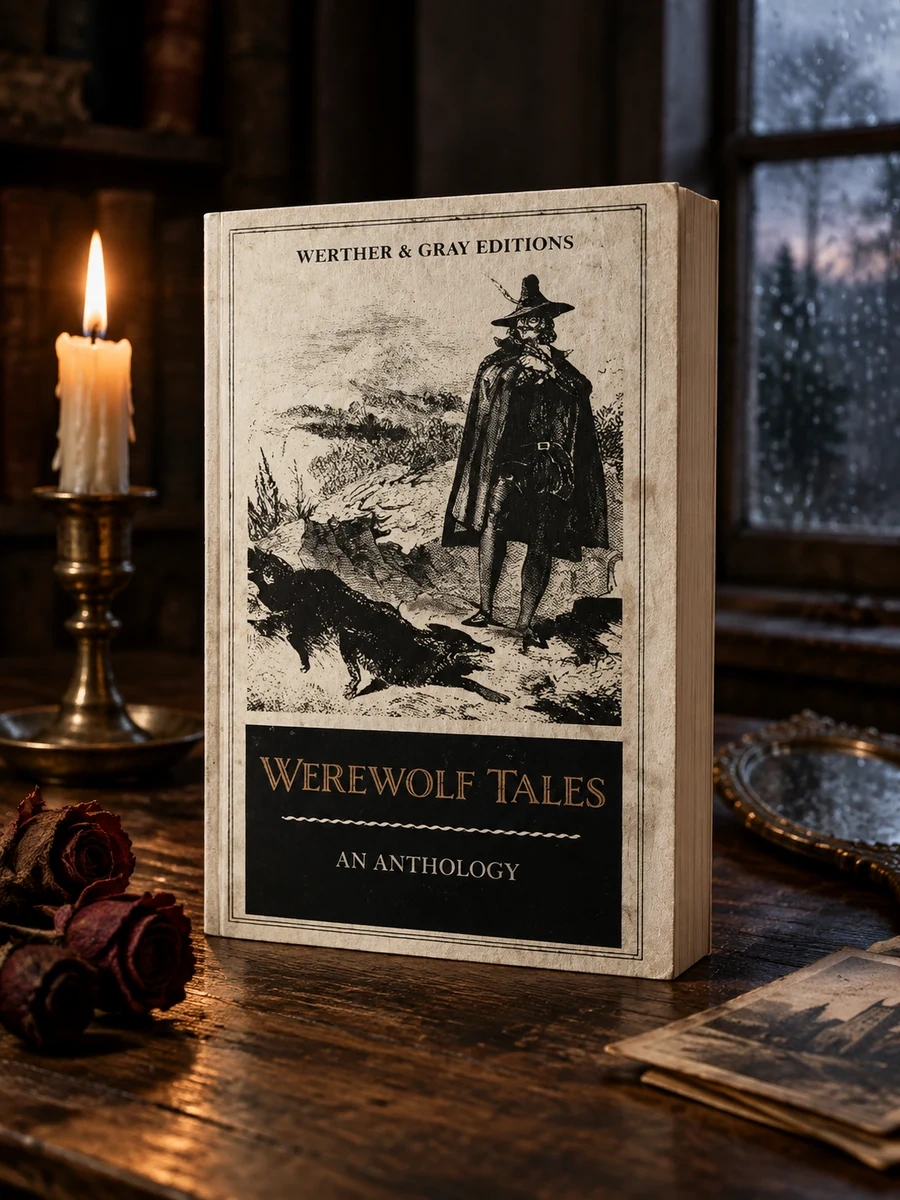

Werewolf Tales: An Anthology
A ten-story anthology tracing werewolf lore from Victorian times to 1941.
The volume organizes its content to show how legends of the wolf-man changed over time. It begins with early gothic influences and moves toward more established tropes. Blackwood’s two stories offer a specific style of atmospheric writing that differs from the other selections. Erckmann-Chatrian’s work provides a Victorian foundation for the genre. Ball’s 1941 tale introduces elements that became standard in later horror fiction. This structure allows readers to see the shift in storytelling techniques and thematic focus across different decades.
The anthology spans one hundred years of werewolf legends, starting with Victorian gothic fantasy and ending with mid-twentieth century popular culture. It highlights the transition from early literary traditions to the widespread adoption of specific mythological elements like silver bullets.


📝 Description: Werewolf Tales: An Anthology
💎 Our verdict on Werewolf Tales: An Anthology
📖 Why choose it
Why this book is worth reading
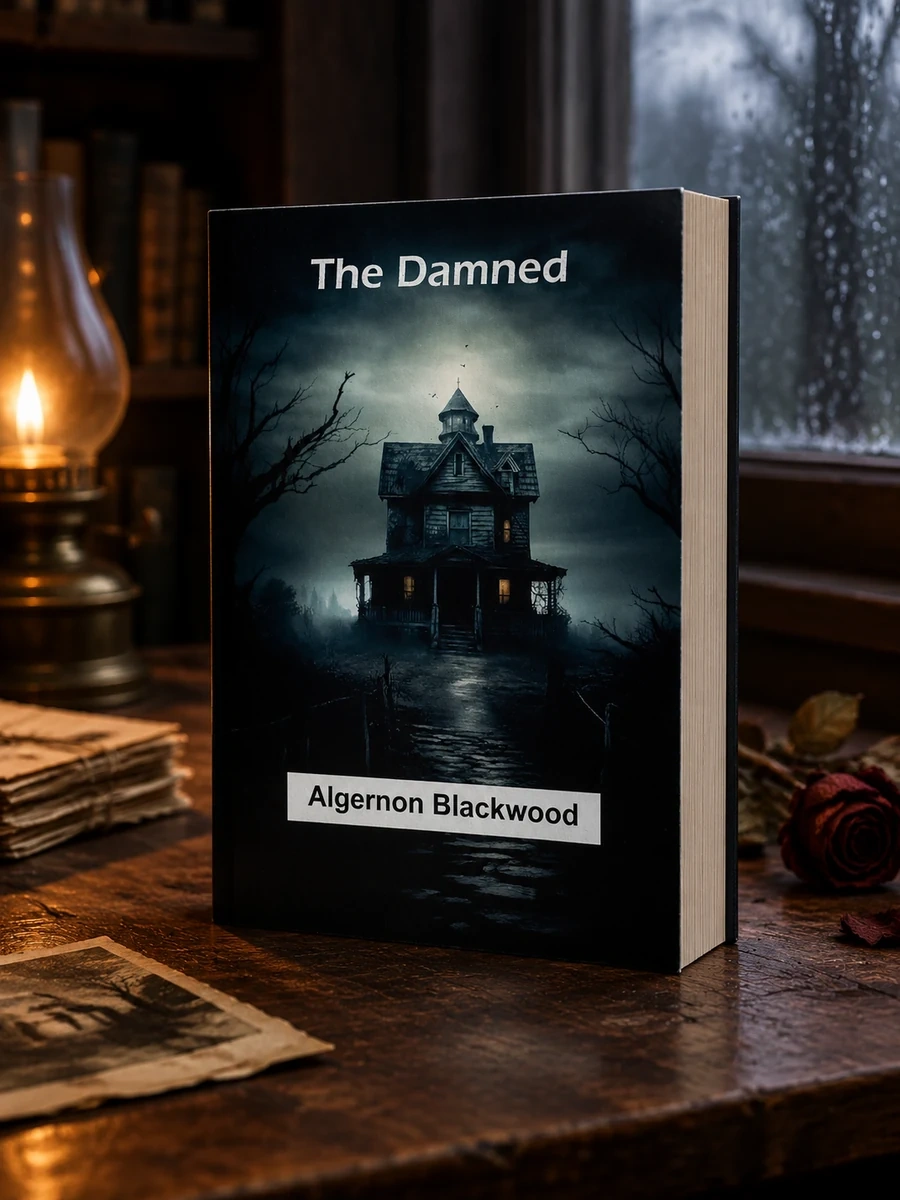
Readers interested in the historical development of werewolf lore will find this collection invaluable for understanding how legends transformed over time. It suits those who appreciate traditional supernatural fiction rooted in gothic fantasy rather than modern scientific explanations. The anthology offers a unique window into storytelling techniques across different decades, particularly through Algernon Blackwood’s atmospheric writing and Erckmann-Chatrian’s foundational Victorian work. By avoiding contemporary interpretations, it preserves the authentic tone of early horror literature. Those seeking to trace the origins of tropes like silver bullets and full moons will gain insight into their literary origins within this curated selection of ten narratives spanning a century of occultism.
⭐ Reader reviews
Reader rating
This anthology excels in mapping the shift in werewolf storytelling from Victorian gothic influences to mid-twentieth-century conventions. Blackwood’s two atmospheric tales anchor the volume, providing a distinct tone that contrasts with Erckmann-Chatrian’s foundational work and Ball’s later popular tropes. The structure effectively highlights the evolution of thematic focus across decades. It is best suited for enthusiasts of classic supernatural fiction who value literary history over modern horror innovations. While it may not appeal to those seeking scientific analysis or contemporary twists, it remains a strong resource for understanding the roots of lycanthropy in gothic fantasy.
📖 Read on the blog
✍️ More books by this author Algernon Blackwood



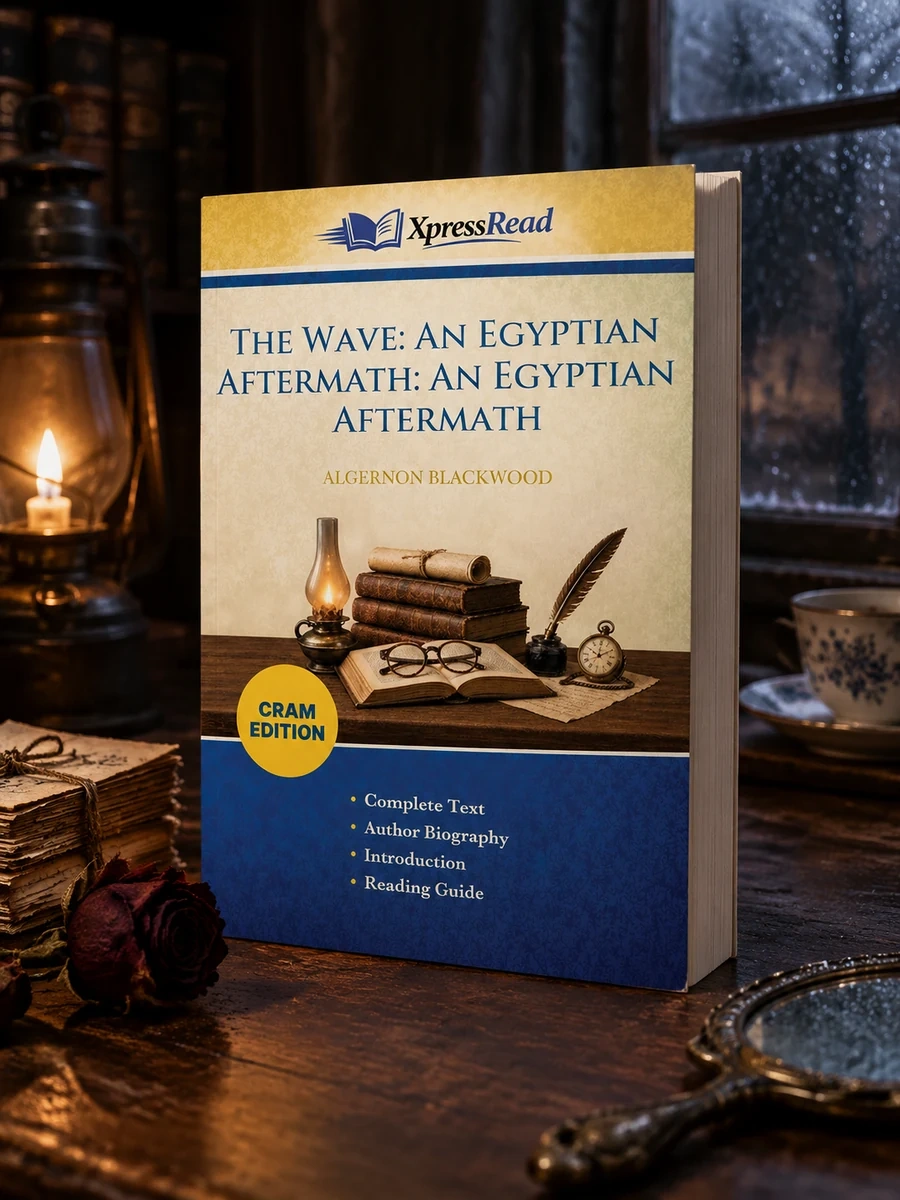
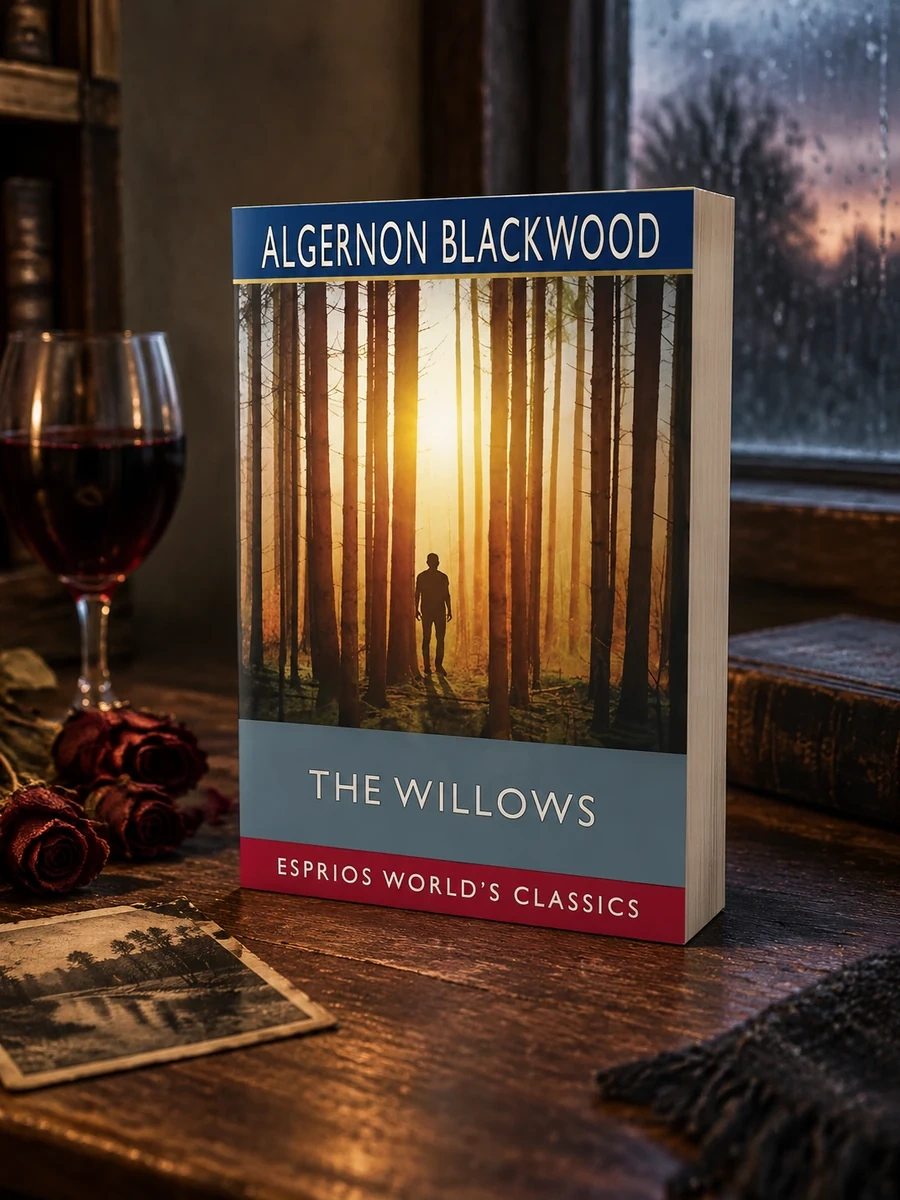
🏛 Books from this publisher Darley Press
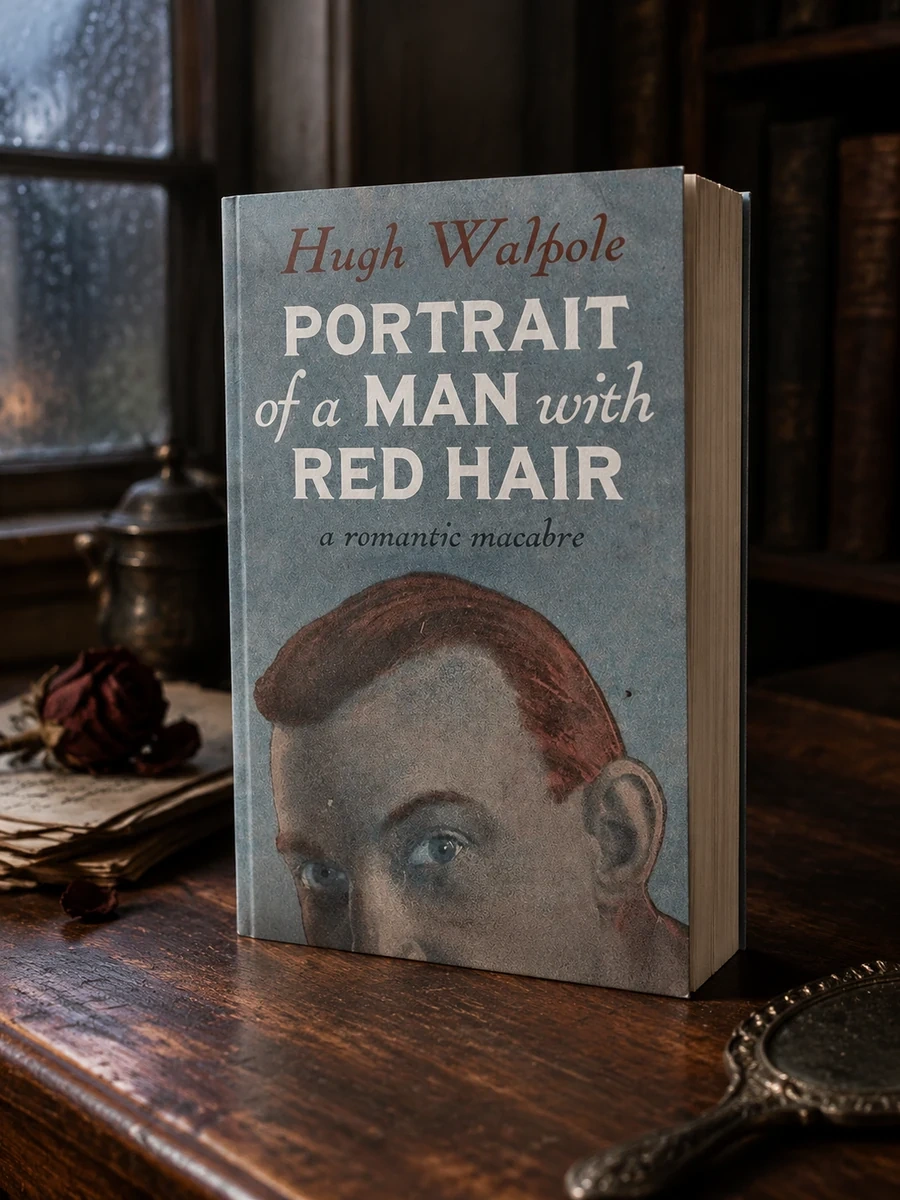
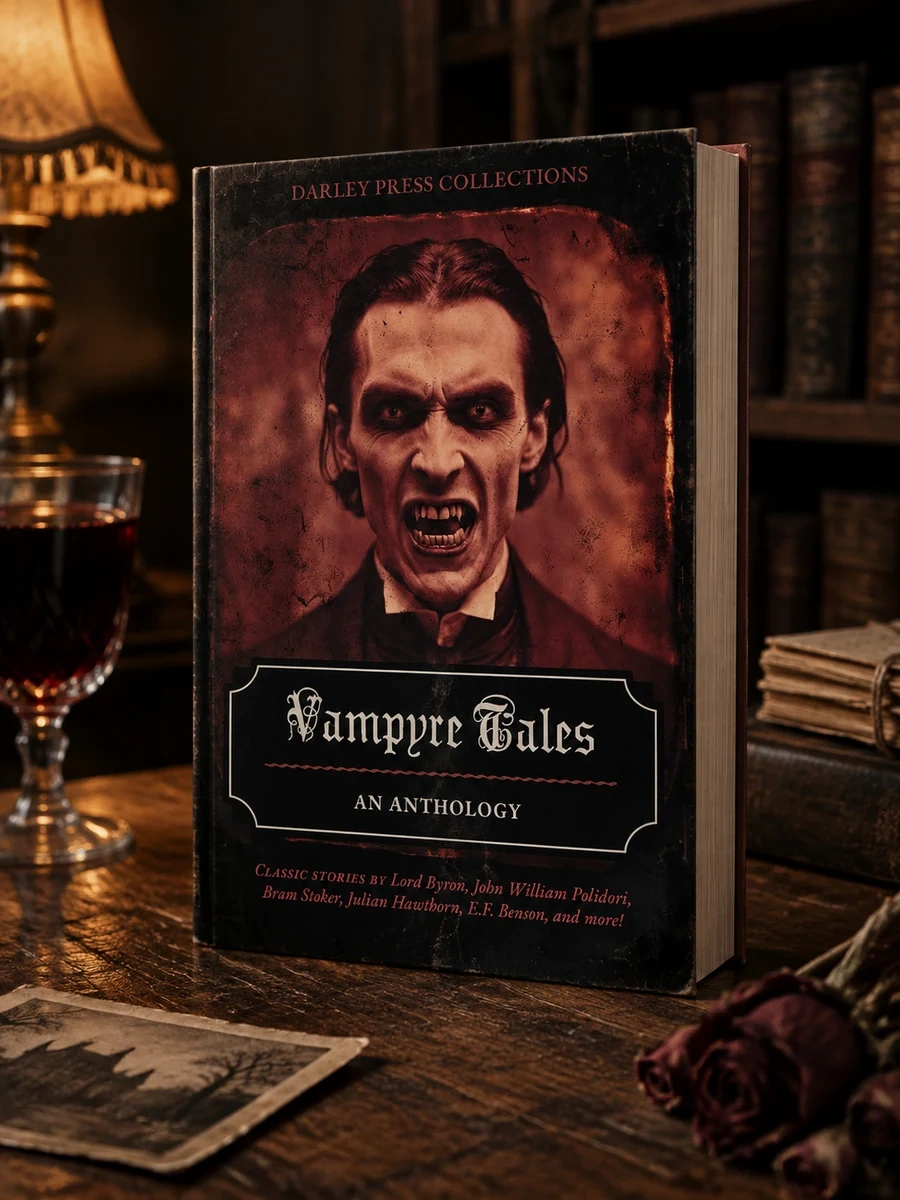

You might also like
See more →
Have a question about this item?
Ask about the edition, condition, delivery or anything else — we reply by email or phone, usually within a day.
