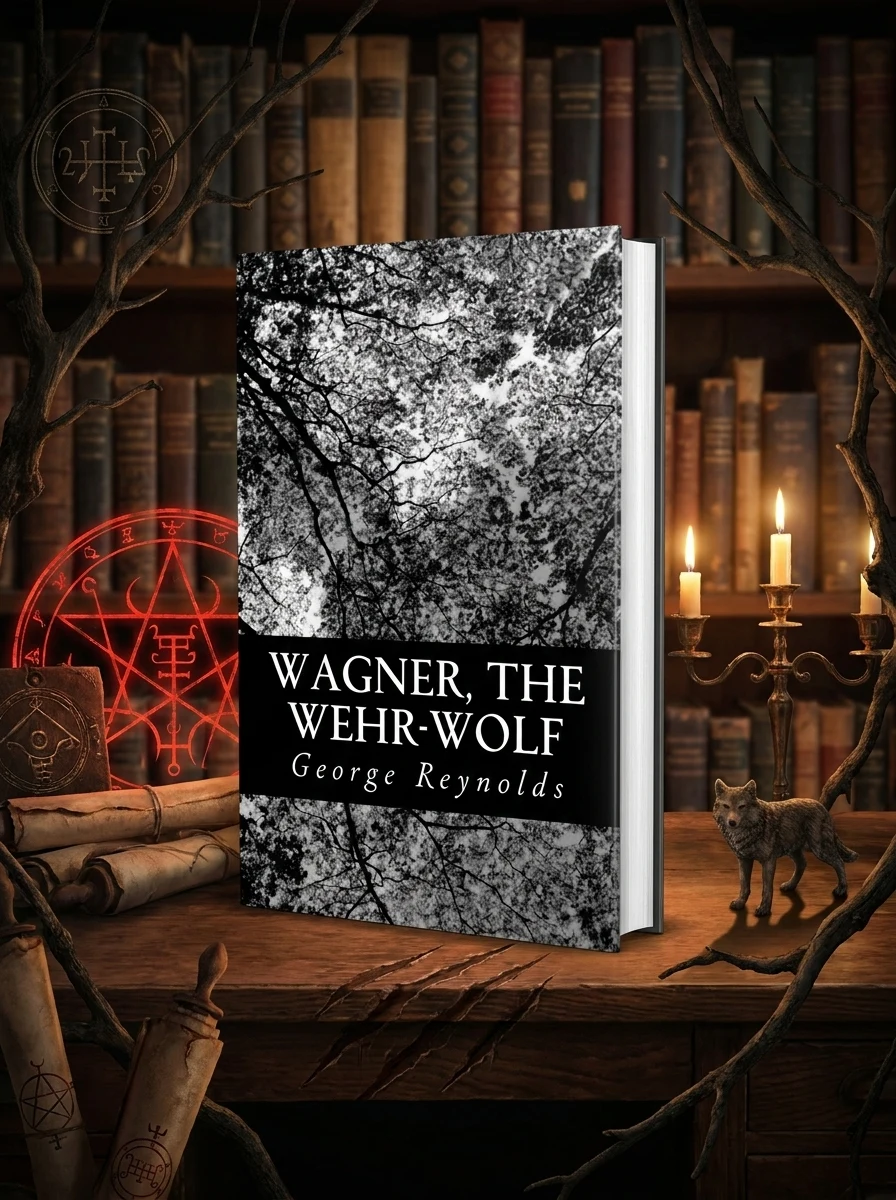

Wagner, the Wehr-Wolf
A 19th-century penny dreadful about a Black Forest man who becomes a werewolf through a demonic pact.
This volume presents George W M Reynolds's 1847 novel, Wagner, the Wehr-Wolf. The story follows an old man in the Black Forest who makes a deal with demonic forces. This pact results in his transformation into a werewolf. The text reflects the conventions of penny dreadfuls, focusing on sensational and supernatural events. It does not shy away from the lurid tone characteristic of pulp fiction from that era. Reynolds aimed to entertain through high drama and occult themes. The narrative structure relies on clear cause and effect within its magical framework. Readers will find a straightforward account of horror tropes established in the mid-19th century. The work serves as a historical artifact of popular literature rather than a modern reinterpretation.
George W M Reynolds wrote during the 19th century, a time when penny dreadfuls dominated popular entertainment. This genre, now recognized as early pulp fiction, relied on sensationalism and supernatural themes to attract readers. The work reflects the cultural fascination with occult stories in Victorian England.


📝 Description: Wagner, the Wehr-Wolf
💎 Our verdict on Wagner, the Wehr-Wolf
📖 Why choose it
Why this book is worth reading
Readers interested in the historical evolution of horror literature will find this volume essential. It provides a direct look at 19th-century sensationalism without modern reinterpretation, preserving the raw energy of the source material. Those seeking insight into how supernatural fiction evolved before becoming mainstream entertainment will appreciate its value as a primary example of early pulp fiction. The book appeals to enthusiasts of gothic horror and dark fantasy who wish to understand the conventions established during this pivotal period. It offers a straightforward account of horror tropes, making it suitable for scholars of Victorian popular culture or casual readers curious about the roots of the werewolf genre. This text allows audiences to experience the intense appeal and dramatic structure characteristic of its time.
⭐ Reader reviews
Reader rating
Reynolds distinguishes himself by crafting narratives with greater depth while maintaining the genre's intense appeal. The narrative draws heavily on European folklore traditions regarding lycanthropy, offering a straightforward account of horror tropes established in the mid-19th century. Readers seeking modern psychological thrillers may find the style dated, but enthusiasts of early pulp fiction will appreciate its historical significance. The book does not shy away from the lurid tone characteristic of its era, focusing on sensational events rather than subtle character study. It stands as a vital resource for understanding how occult themes were presented to mass audiences. This work succeeds in delivering high drama and supernatural elements typical of the period, making it an engaging read for those interested in the history of horror literature.
📖 Read on the blog
✍️ More books by this author George W M Reynolds


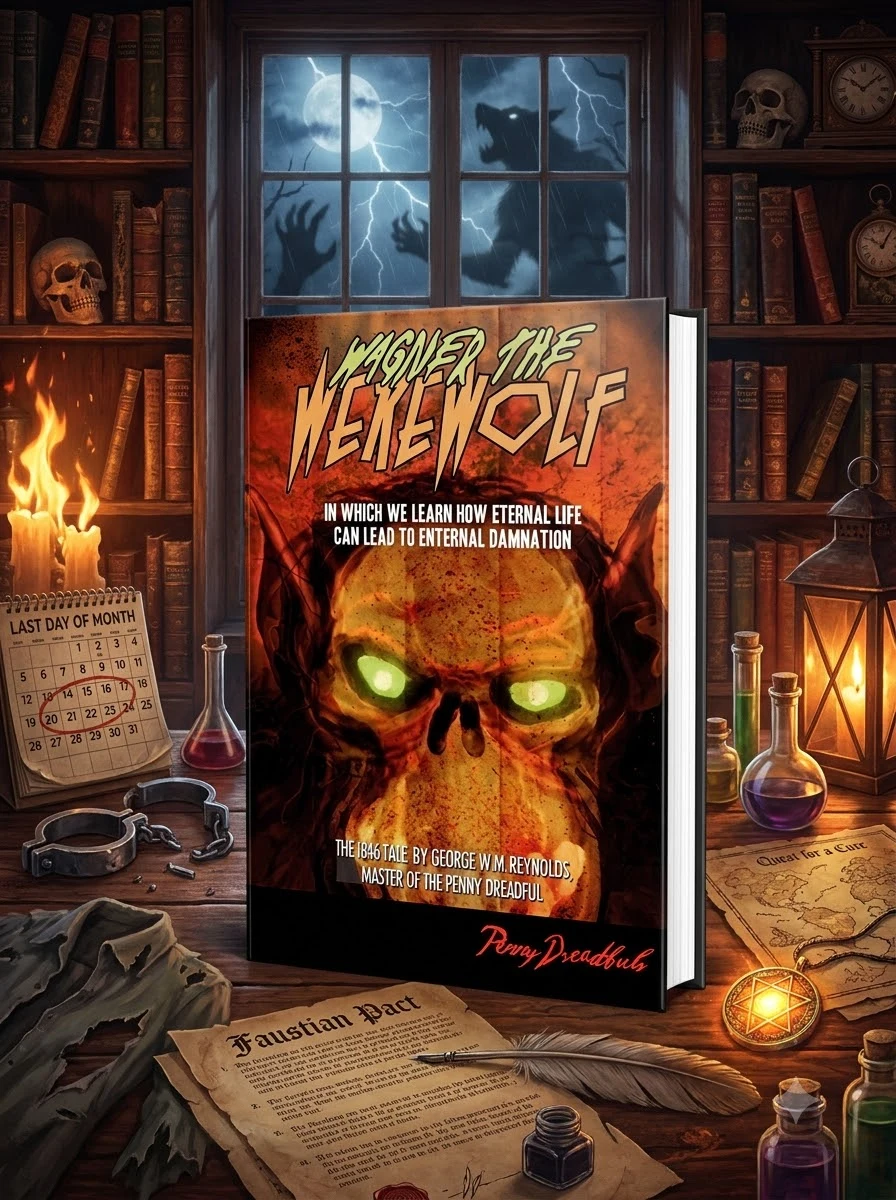
🏛 Books from this publisher Createspace Independent Publishing Platform



You might also like
See more →


Have a question about this item?
Ask about the edition, condition, delivery or anything else — we reply by email or phone, usually within a day.
