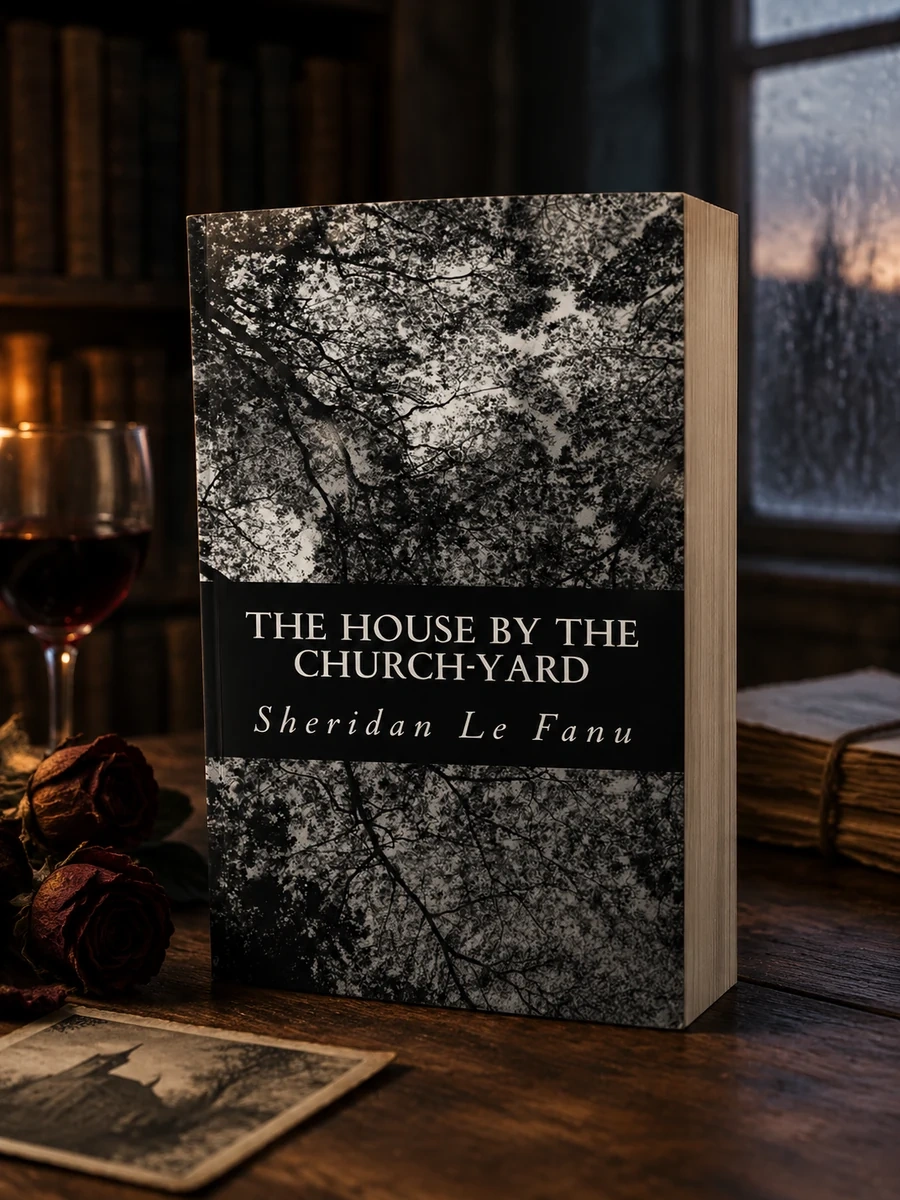

The House by the Church-Yard
A gothic mystery set in eighteenth-century Ireland influencing James Joyce.
This novel examines the intersection of superstition and rationality in pre-modern Ireland. Le Fanu uses the setting of Chapelizod to explore how communities react to unexplained violence. The story moves from the initial discovery of murders to the unraveling of a deeper, supernatural truth. It reflects the cultural anxieties of its time, where the churchyard represented both safety and danger. The narrative structure mirrors the confusion of the villagers as they search for answers. Le Fanu does not provide easy resolutions, leaving readers with lingering questions about the nature of evil. The work stands as a bridge between traditional folklore and modern psychological horror. It invites analysis of how place influences perception and fear. The text is dense with atmospheric detail rather than plot twists. Readers should approach it as a literary artifact as much as a thriller.
Set in eighteenth-century Ireland, this work influenced James Joyce's Finnegan's Wake. It reflects the cultural context of Chapelizod, where churchyards held significant social and spiritual weight for the community.


📝 Description: The House by the Church-Yard
💎 Our verdict on The House by the Church-Yard
📖 Why choose it
Why this book is worth reading
Readers who appreciate literary artifacts over cheap thrills will find deep value in this atmospheric exploration of fear and place. Those interested in the evolution of gothic fiction from supernatural ghost stories to psychological terror will gain insight into how Le Fanu influences later modernists like James Joyce. The book suits those willing to engage with dense, descriptive prose that prioritizes mood and cultural context over fast-paced action. It offers a compelling look at how communities react to unexplained violence and the lingering questions about the nature of evil that resist easy resolution.
⭐ Reader reviews
Reader rating
Le Fanu crafts a masterful gothic mystery where the atmosphere of Chapelizod drives the narrative more than plot twists. The work excels in its dense, eerie descriptions of the Irish landscape and the psychological confusion of villagers facing unexplained murders. It serves as a significant bridge between traditional folklore and modern psychological horror, offering readers a slow-burn experience grounded in cultural anxiety rather than shock value. While it lacks the immediacy of modern thriller tropes, its literary depth and historical influence make it essential for students of the genre. This is not for those seeking quick scares, but for those who wish to dissect the shadows lurking within the human psyche through a meticulously constructed, unsettling narrative.
📖 Read on the blog
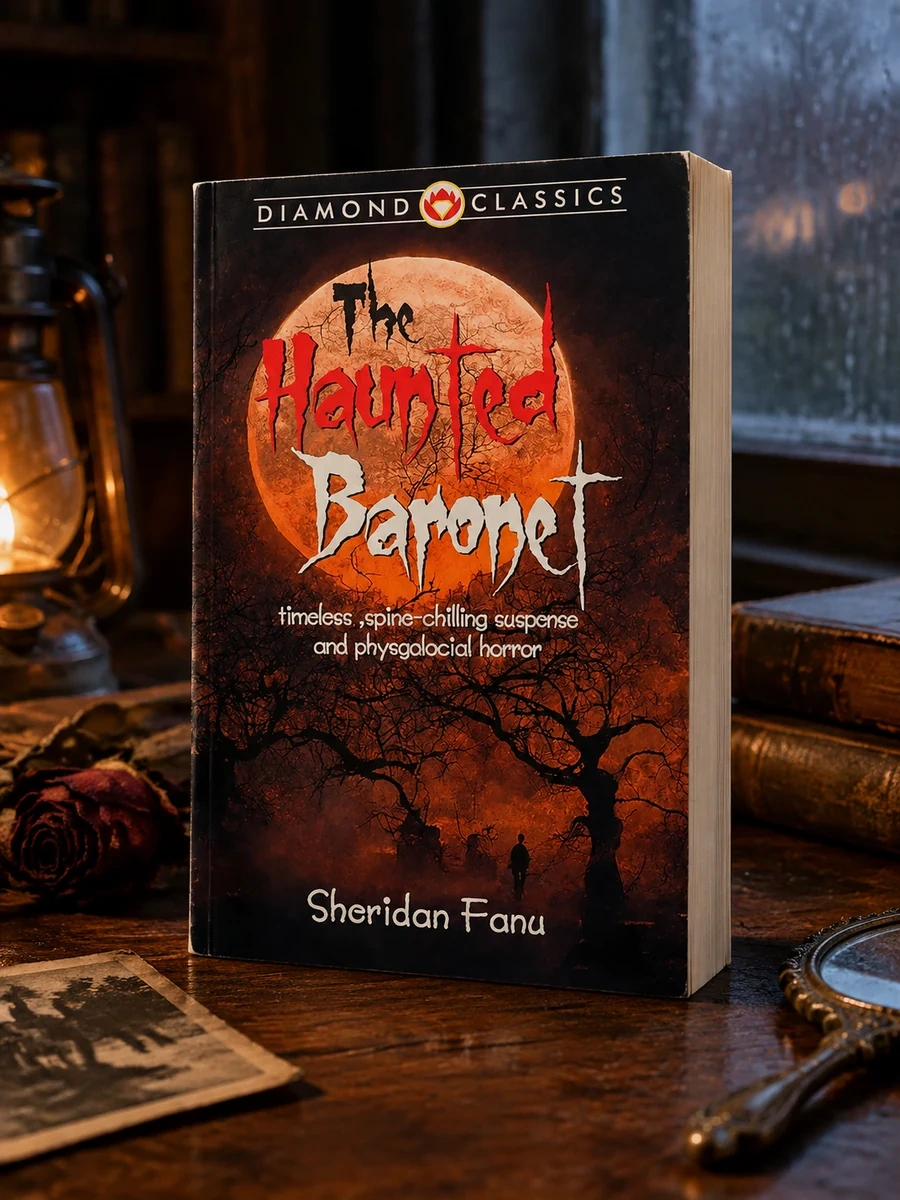
✍️ More books by this author Sheridan Le Fanu




🏛 Books from this publisher Createspace Independent Publishing Platform






You might also like
See more →


Have a question about this item?
Ask about the edition, condition, delivery or anything else — we reply by email or phone, usually within a day.
