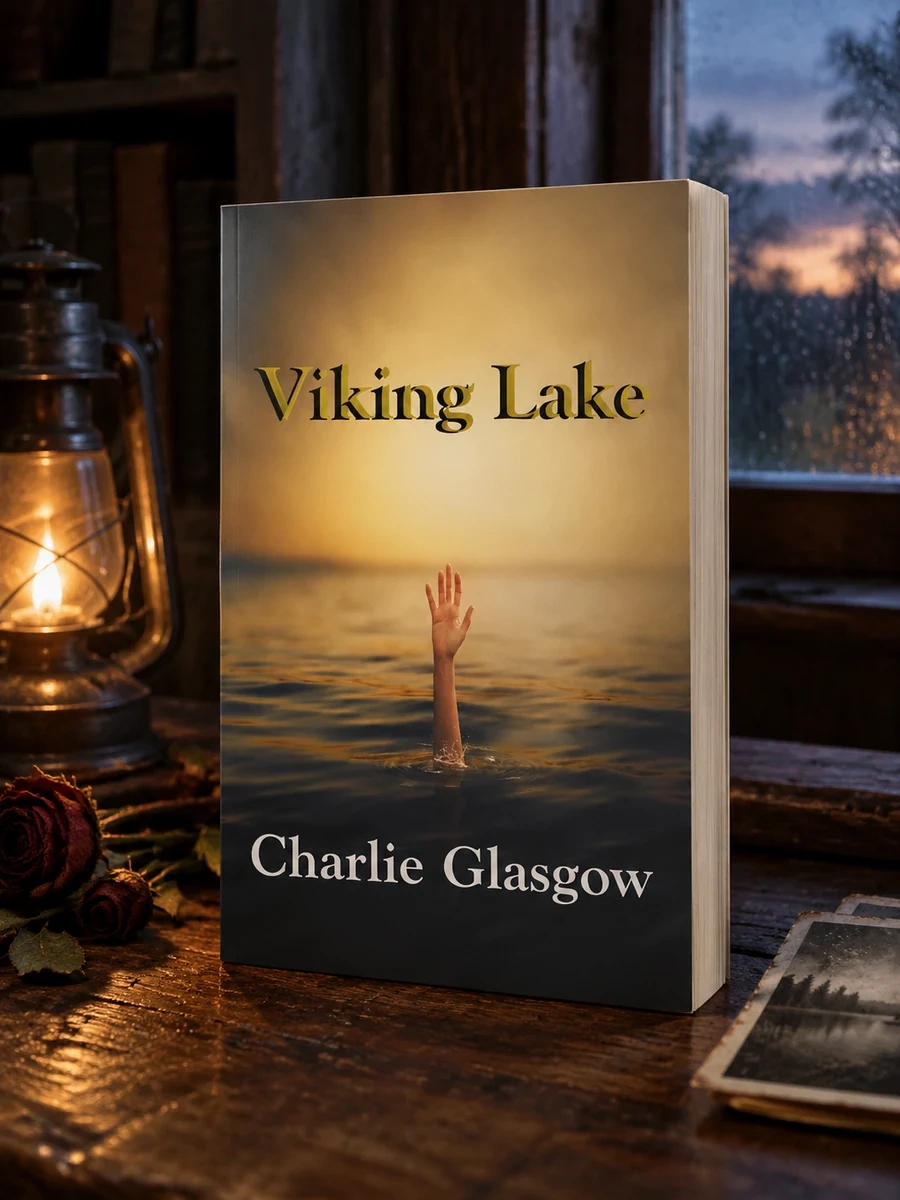
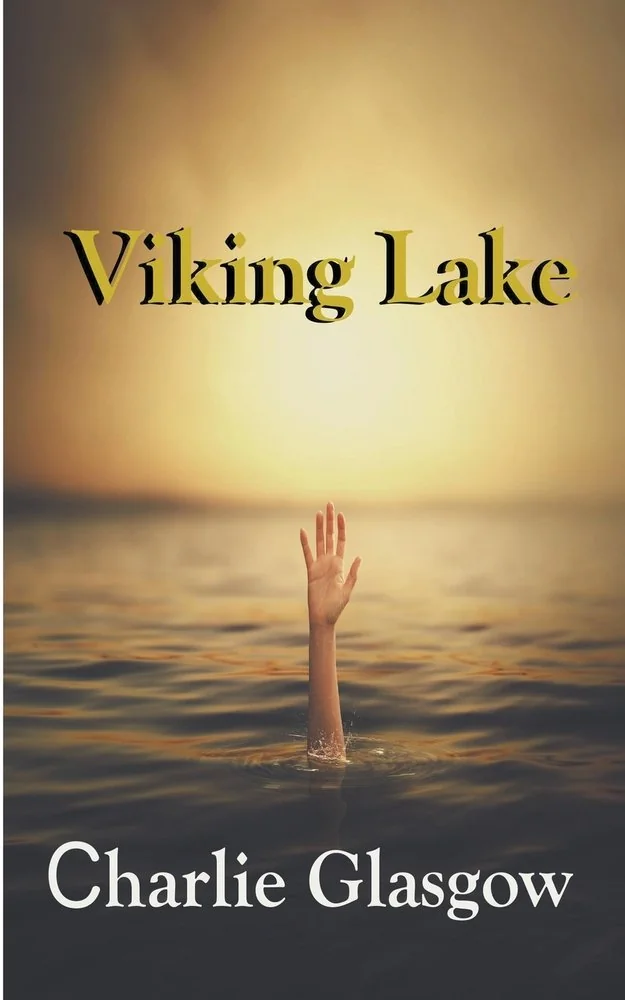
Viking Lake
A professor faces demonic hauntings while seeking love across time in 1972 Iowa.
Glasgow writes a novella where Professor William Bates retreats to Iowa for a sabbatical. He aims to write but encounters ghosts and demons instead. The setting involves a lake that connects different times. Love waits twenty-seven years in the past. Crying babies disturb the nights at the lakeside house. Odd events follow the protagonist through the story. The romance is strange and intertwined with the supernatural elements. This structure creates a dense atmosphere of dread. The author uses these specific details to build tension without relying on action sequences.
The story is set in Iowa in 1972. It reflects the era’s interest in supernatural fiction and gothic themes. The setting emphasizes isolation and the past. This period allows for exploration of historical distance. The narrative uses the lakeside location to bridge temporal gaps.


📝 Description: Viking Lake
💎 Our verdict on Viking Lake
📖 Why choose it
Why this book is worth reading
Readers who appreciate slow-burn dread and psychological unease will find this novella compelling. It suits those drawn to gothic atmospheres where the supernatural intertwines with personal grief. The narrative offers a dense atmosphere of dread built through specific details rather than action sequences. Those seeking clear resolutions or non-supernatural plots may not connect with the tone. However, fans of strange romances and haunting settings will engage with the protagonist's isolation. The book appeals to individuals who enjoy exploring themes of time displacement and encroaching paranormal activity. It provides a unique entry point into psychological horror that prioritizes mood over plot clarity.
⭐ Reader reviews
Reader rating
Charlie Glasgow constructs a dense atmosphere of dread in Viking Lake by focusing on Professor William Bates’s isolation and the encroaching paranormal activity surrounding him. The novella excels at building tension through specific details like crying babies and odd events, rather than relying on traditional action sequences. The romance that develops is equally bizarre and unsettling, enhancing the gothic tone. This work suits readers interested in supernatural fiction traditions that explore time displacement and haunted locations. It is particularly effective for those who enjoy psychological unease and slow-burn horror. However, it may disappoint readers seeking historical accuracy or clear resolutions. The narrative successfully intersects personal grief with external horror, creating a compelling, if unsettling, reading experience for fans of the genre.