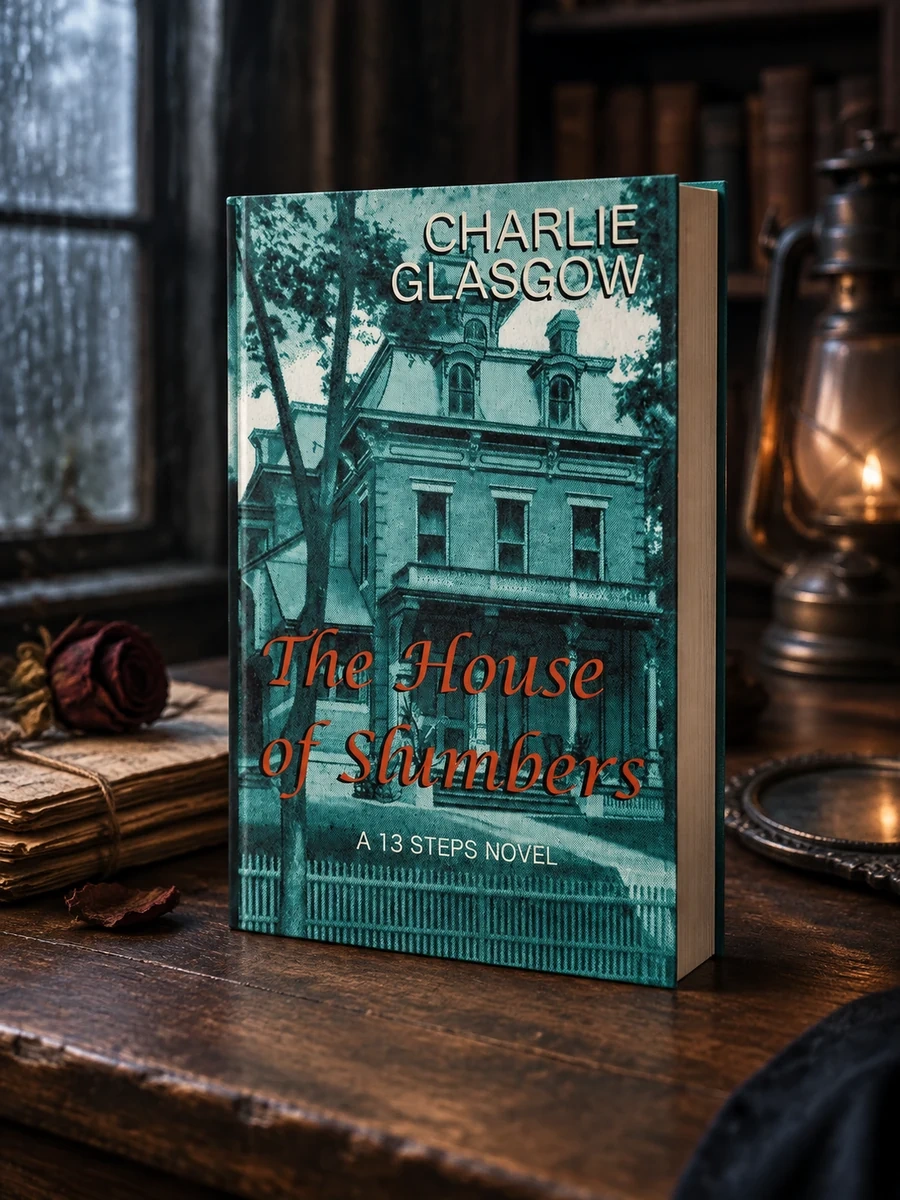
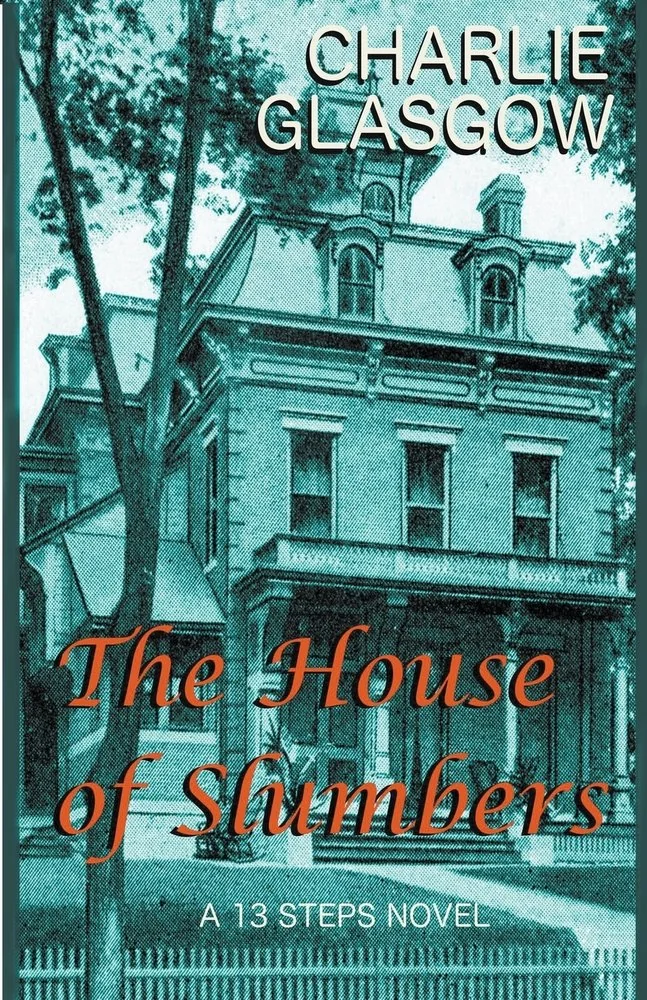
The House of Slumbers
A novel about a haunted mansion and a sanitarium for the wealthy.
The narrative follows the consequences of a specific fire that allowed thirteen coven members to gain burial rights on sacred ground. Their anger manifested as havoc alongside demons, threatening a small Illinois town. After a fifty-year period of silence, the arrival of two doctors who established a wealthy sanitarium disturbed the peace. The spirits awakened to reclaim their property, initiating a deadly confrontation. This conflict draws in figures from history and the graveyard, turning the estate into a battlefield for humanity's survival. The story relies on the tension between the sanctity of burial grounds and the wrath of those denied proper rest.
The story is set in downstate Illinois, drawing on American folklore regarding coven traditions and the significance of sacred ground for burial. It reflects a period where rural communities relied on church authority for spiritual matters, contrasting with the supernatural forces unleashed by the fire.


📝 Description: The House of Slumbers
💎 Our verdict on The House of Slumbers
📖 Why choose it
Why this book is worth reading
Readers who appreciate rural gothic atmospheres and the classic haunted house trope will find this narrative compelling. The book offers a unique exploration of American folklore concerning sacred ground, blending supernatural horror with historical resonance. Those interested in the consequences of denied burial rights and the wrath of the dead will engage with the central conflict. It is ideal for fans of coven lore who enjoy tales where the boundary between life and death is violently contested. The story provides a dense, atmospheric experience for those seeking traditional horror rather than contemporary psychological thrillers or non-fiction accounts.
⭐ Reader reviews
Reader rating
Glasgow constructs a vivid tale where the sanctity of burial grounds clashes with supernatural vengeance. The narrative effectively utilizes rural gothic settings to heighten the tension between the living and the deceased. By focusing on the specific lore of thirteen coven members and their demonic allies, the book creates a distinct flavor of horror rooted in American folklore. The transition from a fifty-year silence to a deadly confrontation provides a solid structural backbone for the story. It suits readers who enjoy classic haunted mansion tropes and historical figures drawn into supernatural battles. While it may not appeal to those seeking psychological depth or factual history, it delivers on its promise of atmospheric, folklore-based horror with clear stakes and a contested boundary between worlds.