Gravity
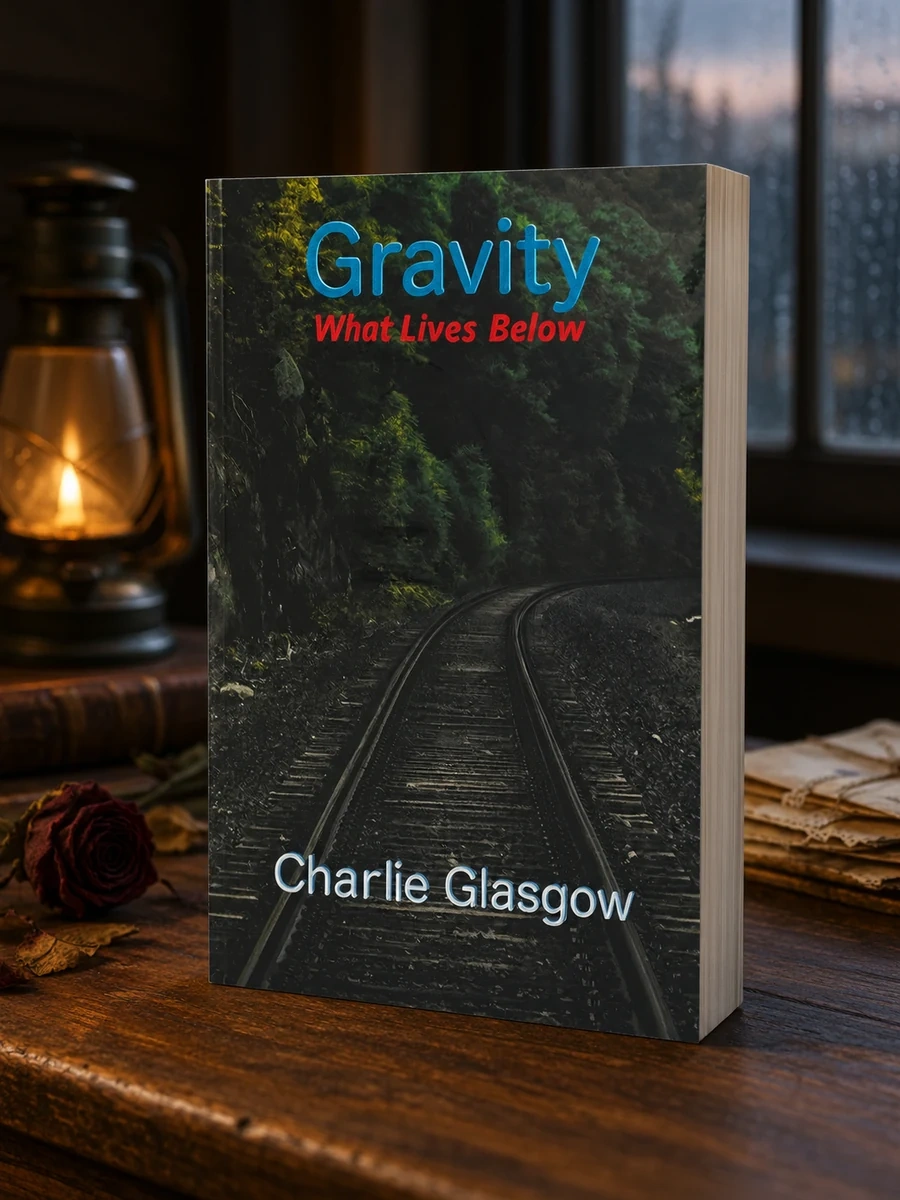
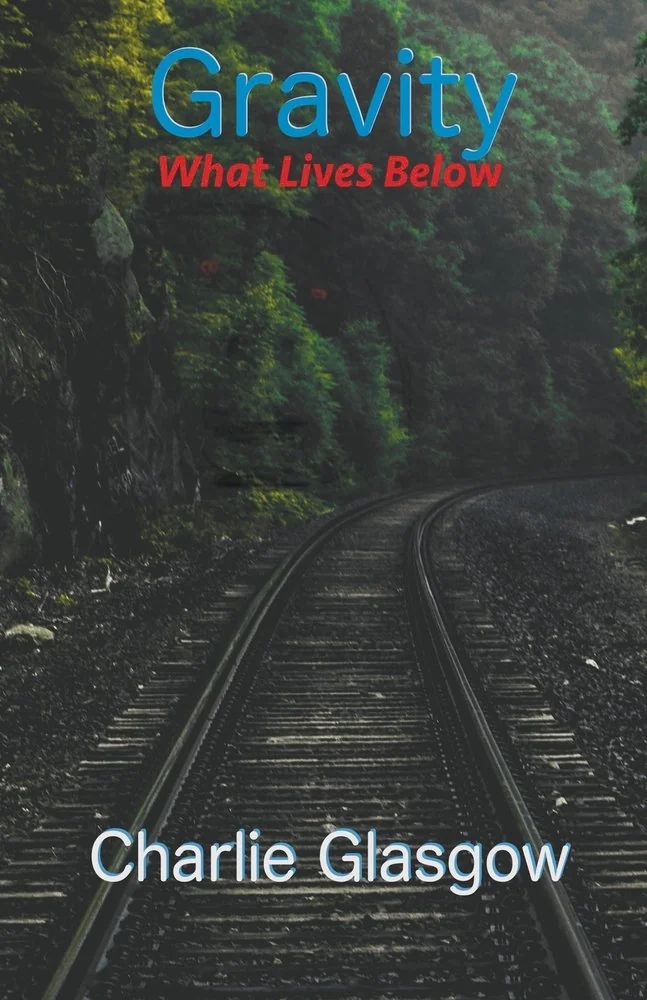
A retelling of an FBI agent's disappearance in a ghost town, recorded by a professor.
The narrative shifts perspective to Professor William Bates, who travels to Iowa to investigate the legend of Gravity. He records the testimony of Agent Flick Anderson, who vanished in 1958 and returned unchanged. The book details the barren sidewalks and boarded-up post office that characterize the location. It explores the myth of a midnight train that brings the dead town back to life. The account mentions a burning man and dark secrets hidden in the number nine shaft. Bates writes from Morrow Bay, California, framing the story as a collected oral history. This method allows for a layered presentation of the supernatural events. The focus remains on the specific details of the investigation and the strange phenomena observed by Anderson.
The story is set in Iowa, specifically the town of Gravity. It references events from 1958 and a period of nearly twenty years later. The narrative is recorded by Professor William Bates, who resides in Morrow Bay, California. This setting places the supernatural elements within a specific American geographic and temporal context.


📝 Description: Gravity
💎 Our verdict on Gravity
📖 Why choose it
Why this book is worth reading
Readers fascinated by the intersection of law enforcement investigations and supernatural phenomena will find this account compelling. The narrative offers a unique perspective through Professor Bates’s documentation of Agent Anderson’s experiences, grounding eerie events in an investigative framework. Those who enjoy decoding mid-century American folklore and exploring the mysteries of vanished towns will appreciate the layered presentation of oral history. The book appeals to fans of psychological horror who prefer structured storytelling over chaotic exposition. It provides a detailed look at desolate landscapes and sealed histories, satisfying curiosity about places trapped in time. This work is ideal for those seeking atmospheric dread rather than traditional linear records.
⭐ Reader reviews
Reader rating
Glasgow effectively constructs an atmosphere of lingering dread through the lens of official documentation. The choice to frame the story as collected oral history allows for a nuanced exploration of the supernatural, making the impossible feel grounded and plausible. The depiction of Gravity, Iowa, with its empty sidewalks and sealed post office, serves as a potent symbol of forgotten secrets. Agent Anderson’s return unchanged after nearly two decades adds a chilling layer to the mystery. While unconventional for those expecting straightforward historical records, this structure enhances the eerie tone. It suits readers who appreciate detailed world-building within horror contexts. The focus on specific investigative details keeps the narrative engaging without relying on cheap jumpscares.