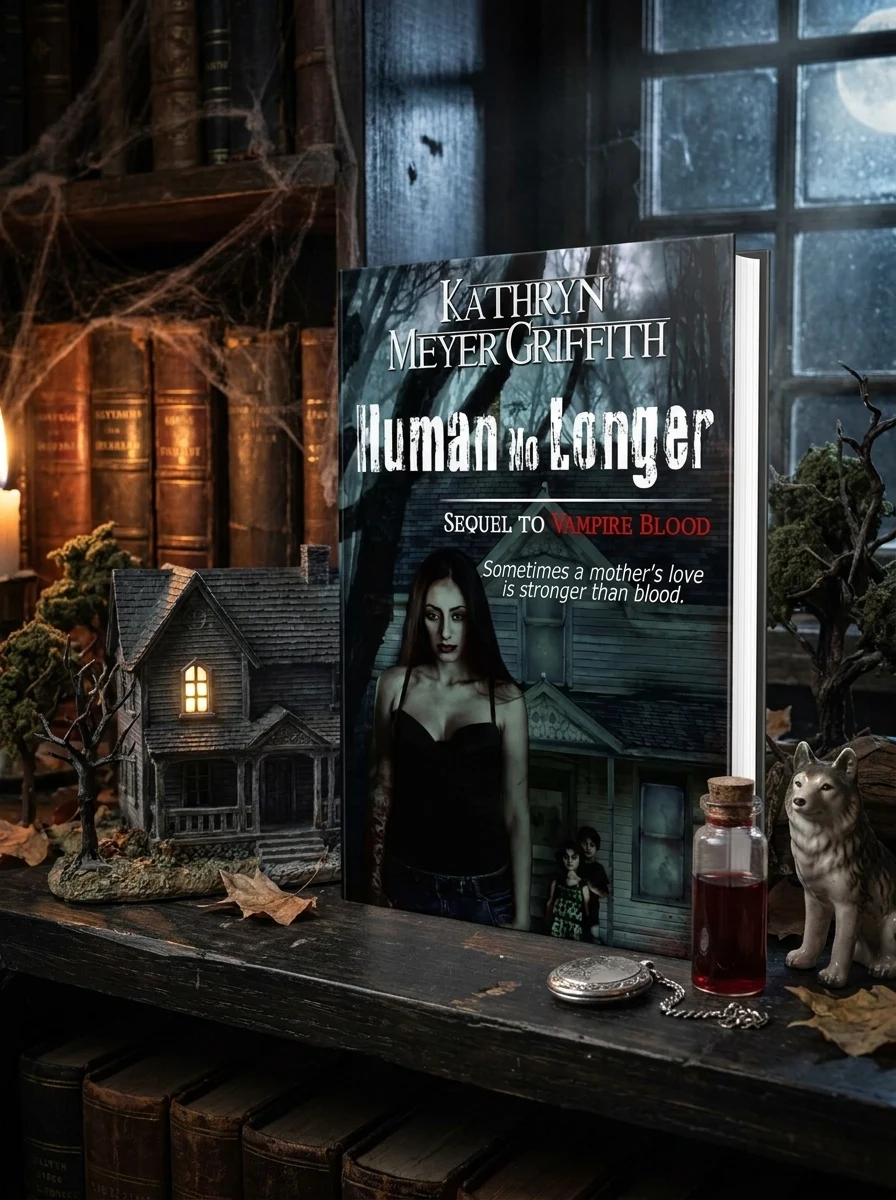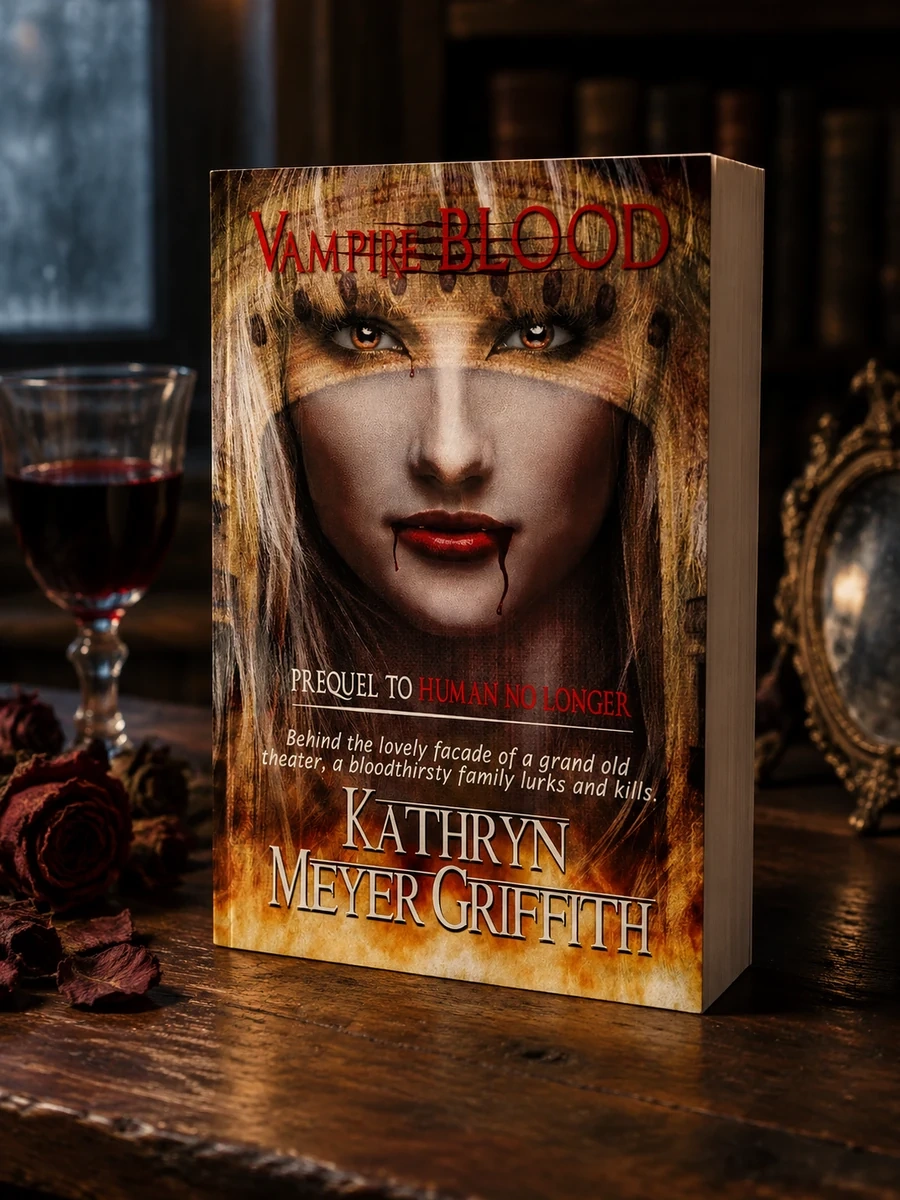
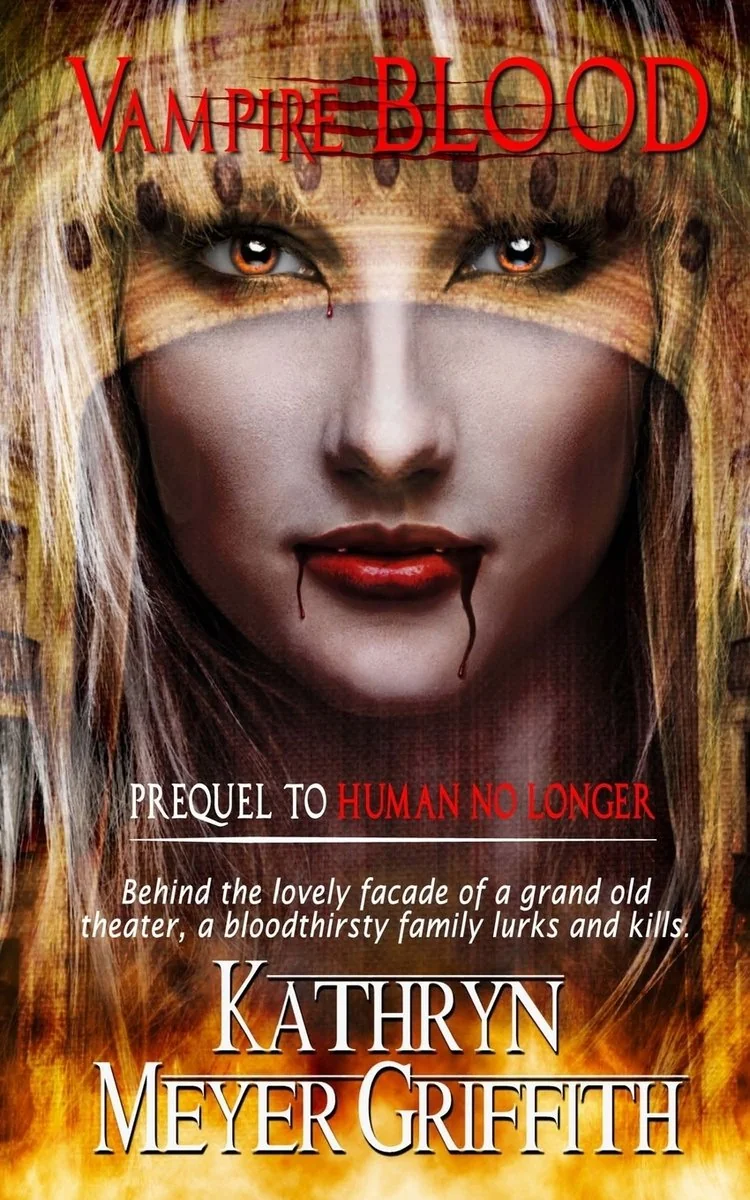
Vampire Blood: Prequel to Human No Longer
A prequel novel about a vampire family's descent into chaos in Florida.
The narrative focuses on the breakdown of control within a vampire clan that has lived in shadows for years. As the younger generation rejects their parents' rules, they start killing indiscriminately in Summer Haven. The Grand Theater becomes the focal point of this violence, serving as both home and crime scene. Jenny Lacey’s arrival to renovate the building forces her into direct conflict with these undead beings. Her brother Joey and ex-husband Jeff join the fight to stop the destruction. Dominique presents a story where personal relationships clash with supernatural survival instincts, highlighting the cost of breaking ancient taboos.
Set in Summer Haven, Florida, this work draws on traditional vampire mythology and gothic horror tropes. It places these elements within a modern American context, focusing on small-town life disrupted by hidden supernatural threats.


📝 Description: Vampire Blood: Prequel to Human No Longer
💎 Our verdict on Vampire Blood: Prequel to Human No Longer
📖 Why choose it
Why this book is worth reading
Readers who enjoy supernatural fiction centered on family dynamics and urban legends will find this prequel compelling. It offers a look at the origins of an undead clan, exploring the tension between ancestral rules and youthful rebellion. The narrative appeals to those interested in how hidden worlds disrupt mundane lives, particularly through the lens of renovation and local mystery. Fans of stories where personal relationships clash with survival instincts against dark forces will appreciate the focus on community fear and the breakdown of control within a secretive society.
⭐ Reader reviews
Reader rating
Dominique effectively blends traditional vampire lore with modern suburban horror, creating a tense atmosphere in Summer Haven. The setting of the Grand Theater serves as a strong focal point for the unfolding violence and secrets. By focusing on the youngest generation's rejection of restraint, the book highlights the cost of breaking ancient taboos. The story suits readers who prefer supernatural conflicts rooted in family dysfunction over historical accuracy. While it lacks deep folklore scholarship, it delivers a solid narrative about the disruption of quiet daily life by hidden evils. It is best for those seeking accessible horror that prioritizes character-driven suspense and the clash between the mundane and the monstrous.