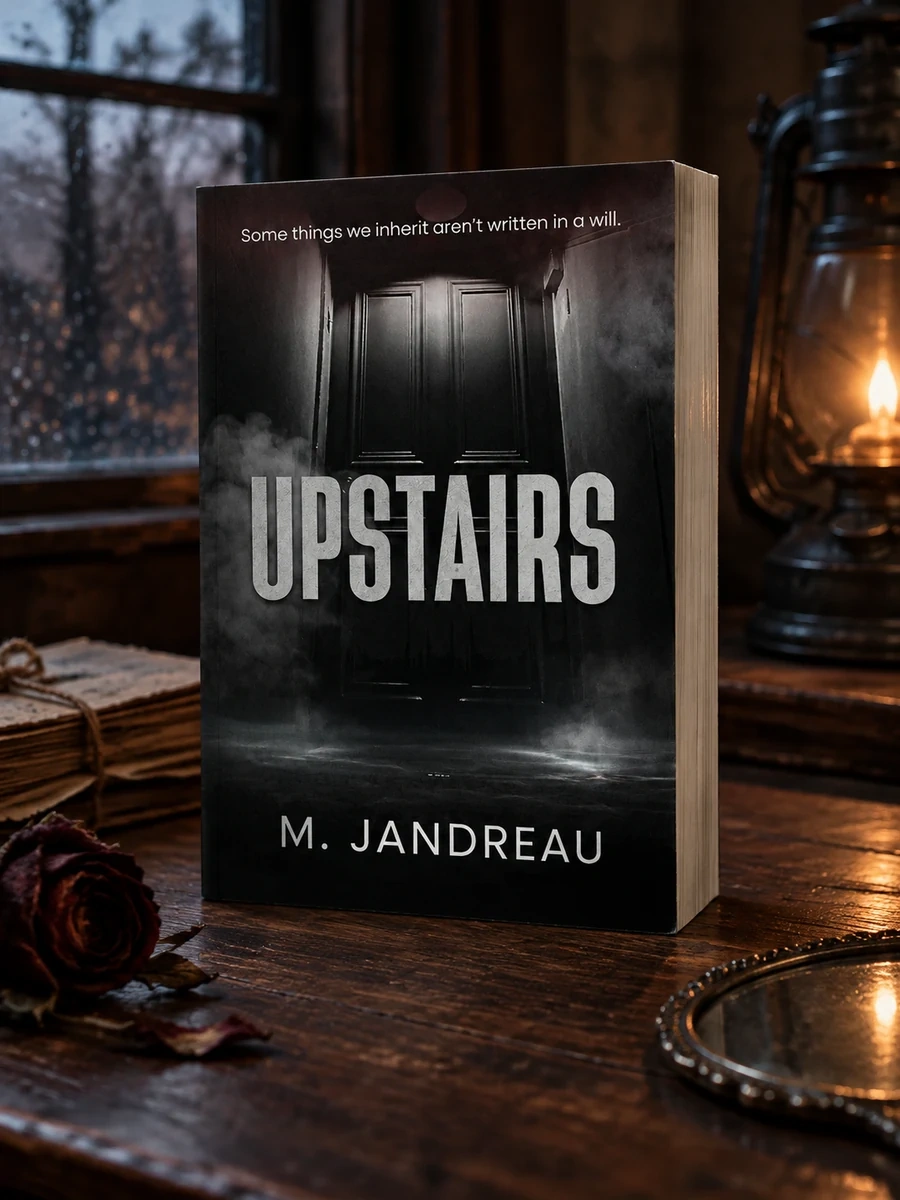
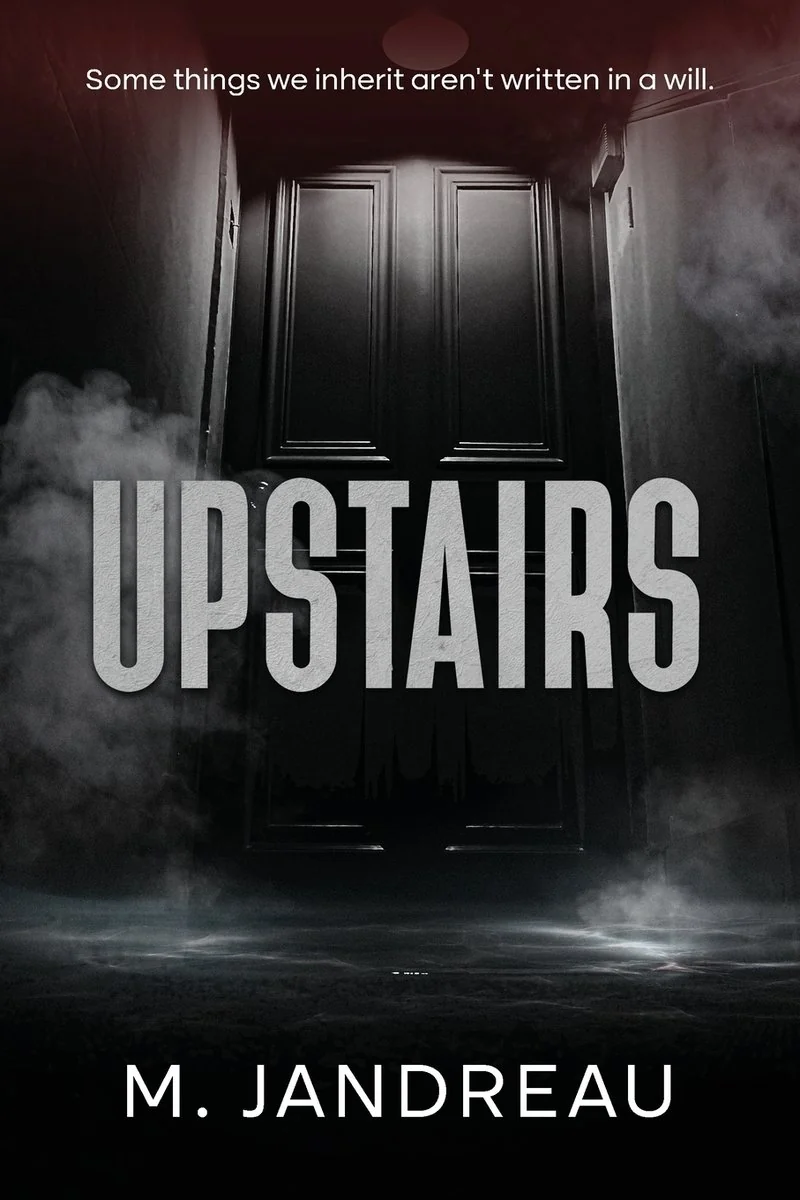
Upstairs
A man inherits a haunted mansion and fights to prove his sanity against his family's denial.
Max and Courtney relocate to the inherited estate, bringing with them the memory of a shared passion for model trains. The attic holds the physical remnants of this bond. Soon after arrival, Max perceives a presence that others refuse to acknowledge. His father, already estranged, adds to the tension by labeling Max as unstable. The staff echoes this sentiment, creating an environment where Max is isolated in his fear. He must balance his respect for his grandfather’s legacy with the immediate danger posed by the upstairs entity. The narrative does not offer easy answers about the nature of the monster. Instead, it focuses on Max’s desperate attempts to communicate his experience and safeguard his wife from harm.
This work sits within the contemporary American horror tradition, focusing on domestic spaces turned hostile. It reflects modern anxieties about mental health and familial estrangement. The setting of a large private estate highlights themes of wealth and isolation. The narrative structure relies on psychological realism to ground the supernatural elements.


📝 Description: Upstairs
💎 Our verdict on Upstairs
📖 Why choose it
Why this book is worth reading
Readers who appreciate psychological tension and the fragility of sanity will find this narrative compelling. It suits those who enjoy stories where grief and isolation amplify supernatural threats, creating a claustrophobic atmosphere. Fans of domestic horror that focuses on family dynamics under pressure will appreciate the exploration of gaslighting and denial. The book offers a focused look at a man's desperate struggle to validate his reality against collective disbelief. It is ideal for audiences who prefer atmospheric dread and character-driven fear over complex world-building or extensive historical context. The emphasis on the bond between generations, twisted by horror, provides an emotional anchor for the terror.
⭐ Reader reviews
Reader rating
Jandreau effectively utilizes the haunted house trope to explore themes of grief and isolation. By centering the narrative on Max’s struggle against his family’s denial, the author creates a potent sense of psychological pressure. The setting acts as a character itself, with the attic serving as a focal point for both memory and menace. The story avoids easy answers regarding the entity, maintaining an unsettling ambiguity that enhances the horror. This approach suits readers who value atmospheric tension and domestic dread over action-driven plots. While it lacks extensive historical depth, its focus on family dynamics under supernatural stress provides a compelling emotional core. The narrative succeeds in making the reader feel Max’s isolation, offering a tight, intense experience for fans of psychological gothic fiction.
📖 Read on the blog
✍️ More books by this author M Jandreau


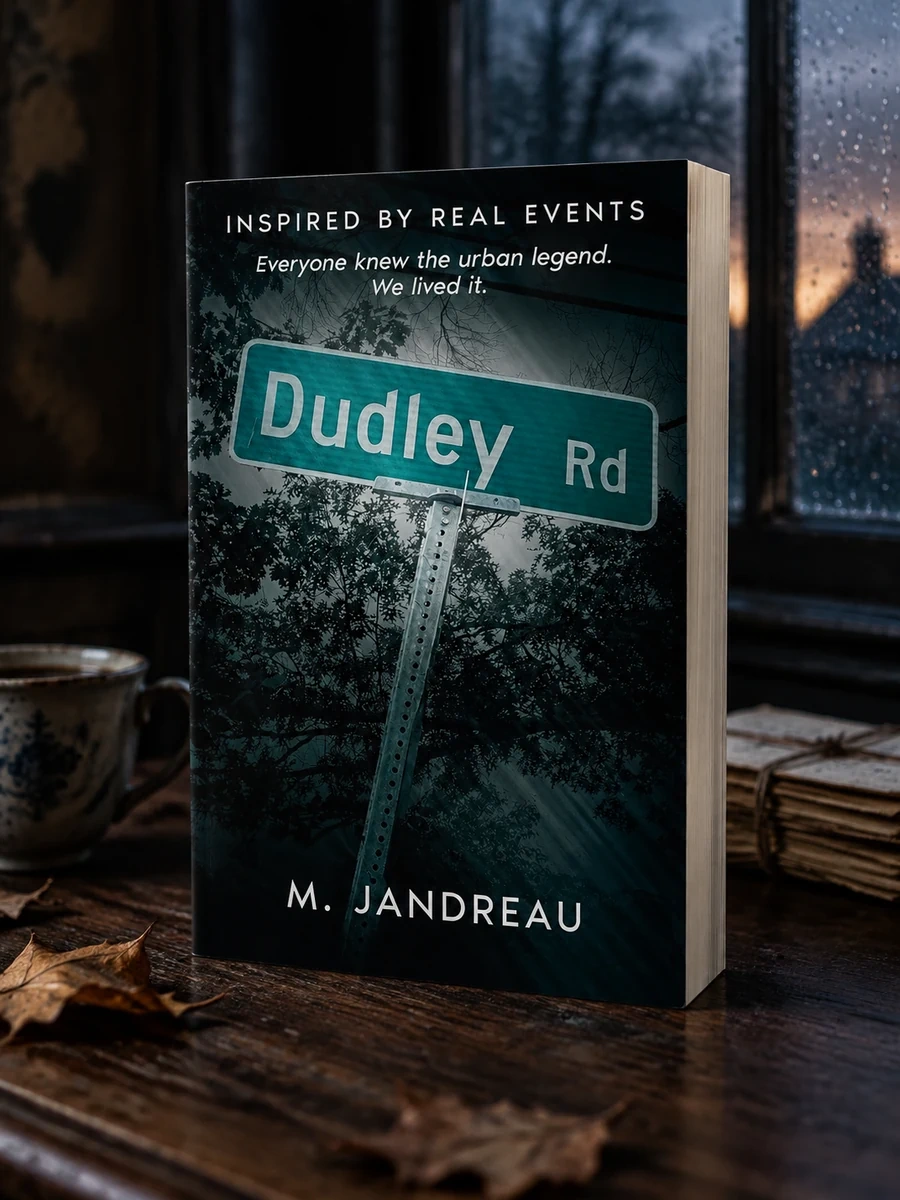
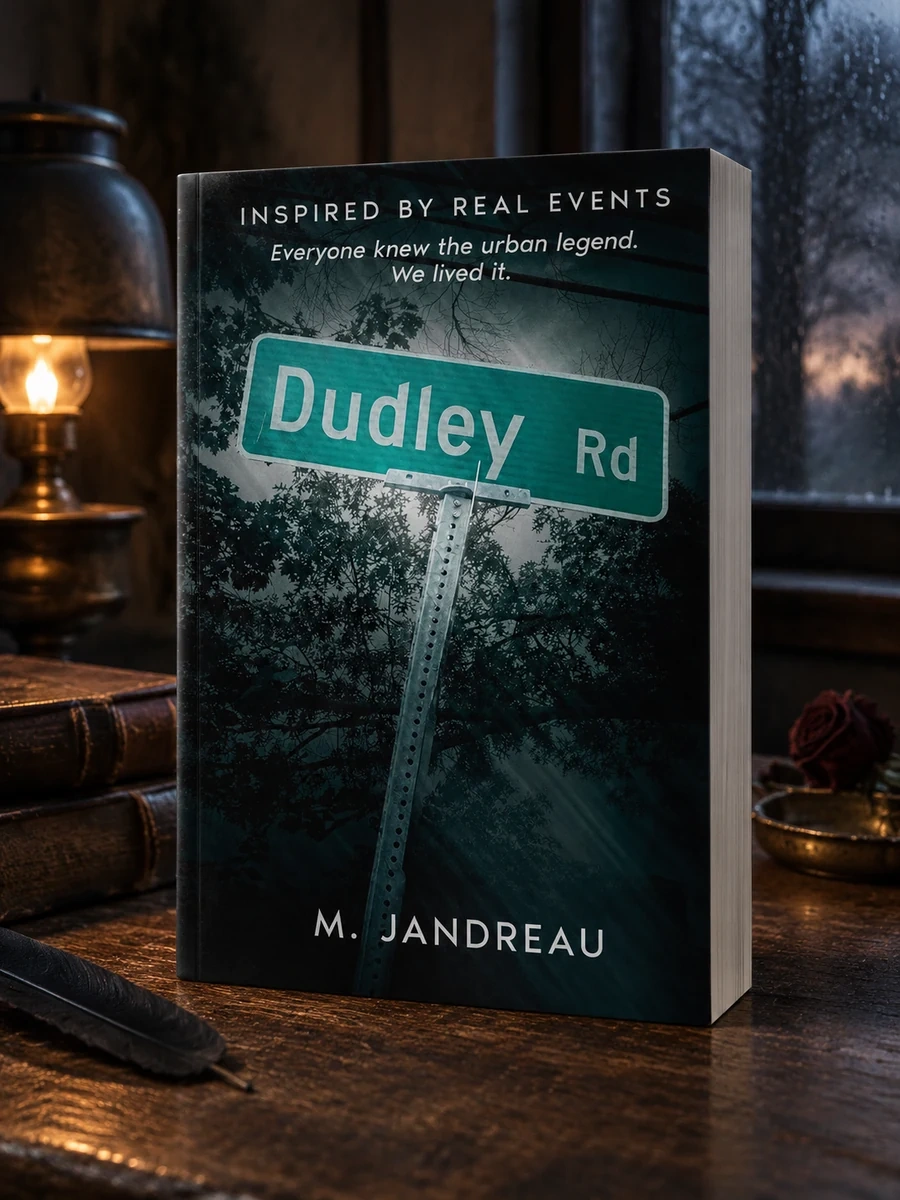
🏛 Books from this publisher M. Jandreau
You might also like
See more →



Have a question about this item?
Ask about the edition, condition, delivery or anything else — we reply by email or phone, usually within a day.
