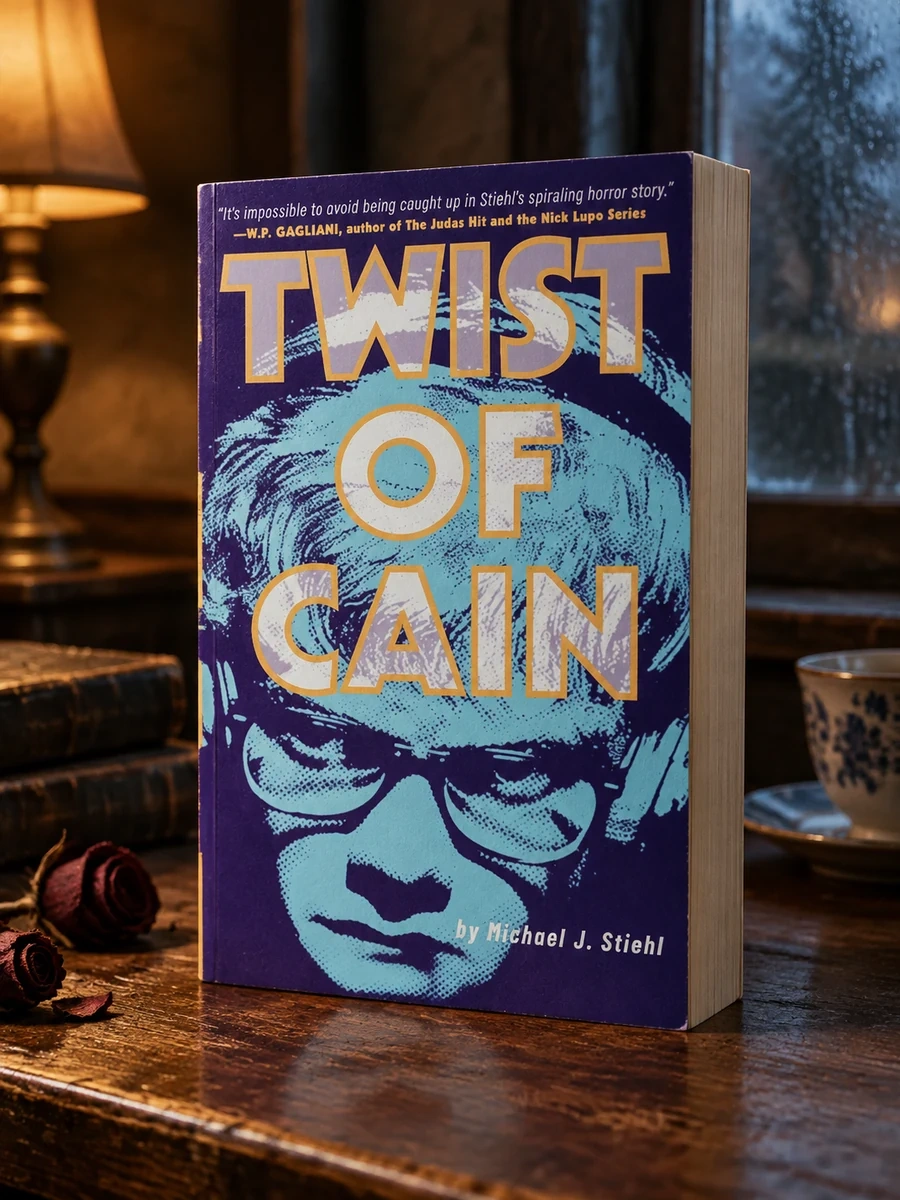
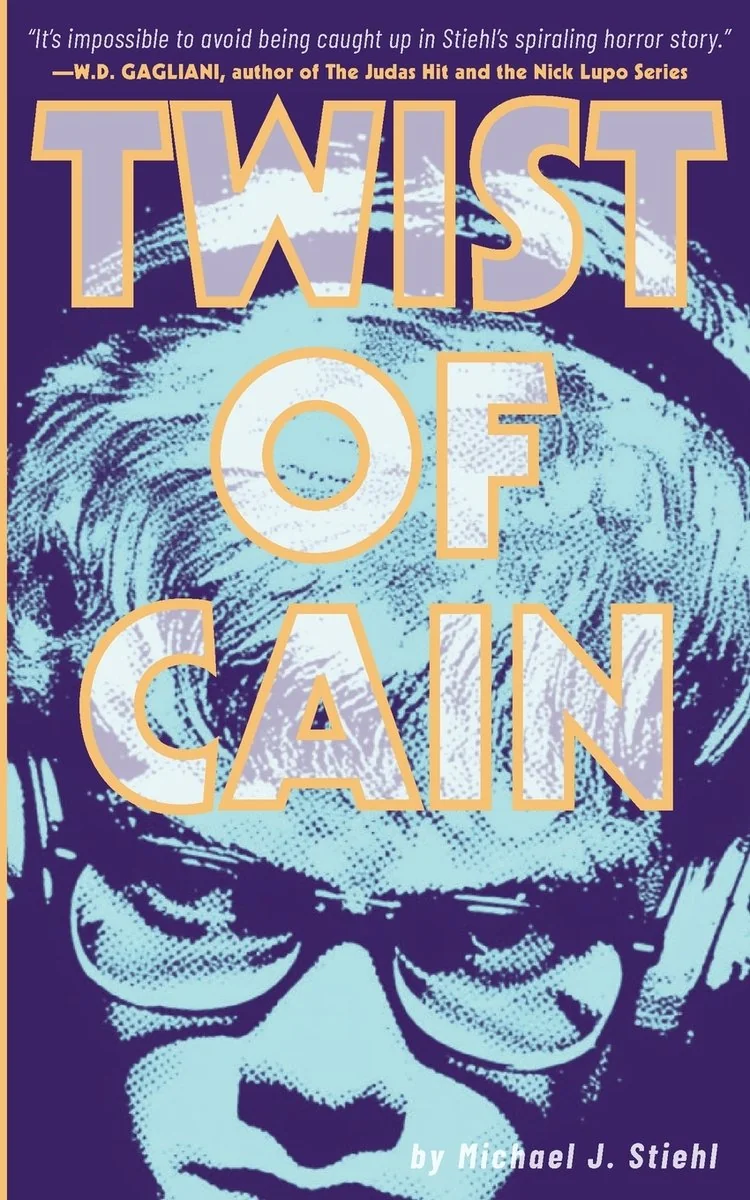
Twist of Cain: A Coming-of-Age Horror Novel
A metalhead hunts a cursed mix tape in 1989 Milwaukee to confront his grief.
Stiehl presents a thriller centered on Chris Beckwith, a young man dealing with the death of a friend. The plot revolves around the search for a mysterious final mix tape that allegedly changes listeners. This object acts as a catalyst for exploring deeper emotional wounds. The narrative structure follows Beckwith’s investigation into the tape's origins and effects. It blends supernatural elements with realistic depictions of mourning. The story avoids typical horror tropes by focusing on psychological impact rather than gore. Readers will find a slow-burn tension that builds through character interaction and atmosphere.
The novel is set in Milwaukee in 1989, capturing the era's metalhead subculture. It draws on the tradition of coming-of-age horror and supernatural fiction. The setting provides a specific backdrop for exploring universal themes of loss and memory.


📝 Description: Twist of Cain: A Coming-of-Age Horror Novel
💎 Our verdict on Twist of Cain: A Coming-of-Age Horror Novel
📖 Why choose it
Why this book is worth reading
Readers seeking grounded horror with significant emotional weight will find value in this narrative. Those who enjoy supernatural fiction intertwined with stories about loss should engage with this text. It appeals to individuals interested in how grief warps reality and memory, offering a slow-burn tension built through character interaction rather than gore. Fans of psychological impact over action set pieces will appreciate the focus on internal struggle. The book is ideal for those who want to explore buried secrets and guilt without the comfort of easy redemption arcs or lighthearted adventure.
⭐ Reader reviews
Reader rating
Stiehl crafts a compelling coming-of-age horror narrative that prioritizes atmosphere and character interiority over traditional scares. By utilizing a cursed mix tape as a catalyst, the story effectively explores themes of grief, guilt, and the psychological toll of mourning. The depiction of 1989 subculture feels authentic, grounding the supernatural elements in a tangible reality. This approach avoids typical horror tropes, focusing instead on the protagonist's internal journey. It suits readers who prefer slow-burn tension and complex emotional wounds over visceral horror. The lack of redemption arcs adds to the lingering impact, making it a challenging but rewarding experience for those willing to sit with uncomfortable questions about loss.
You might also like
See more →




Have a question about this item?
Ask about the edition, condition, delivery or anything else — we reply by email or phone, usually within a day.
