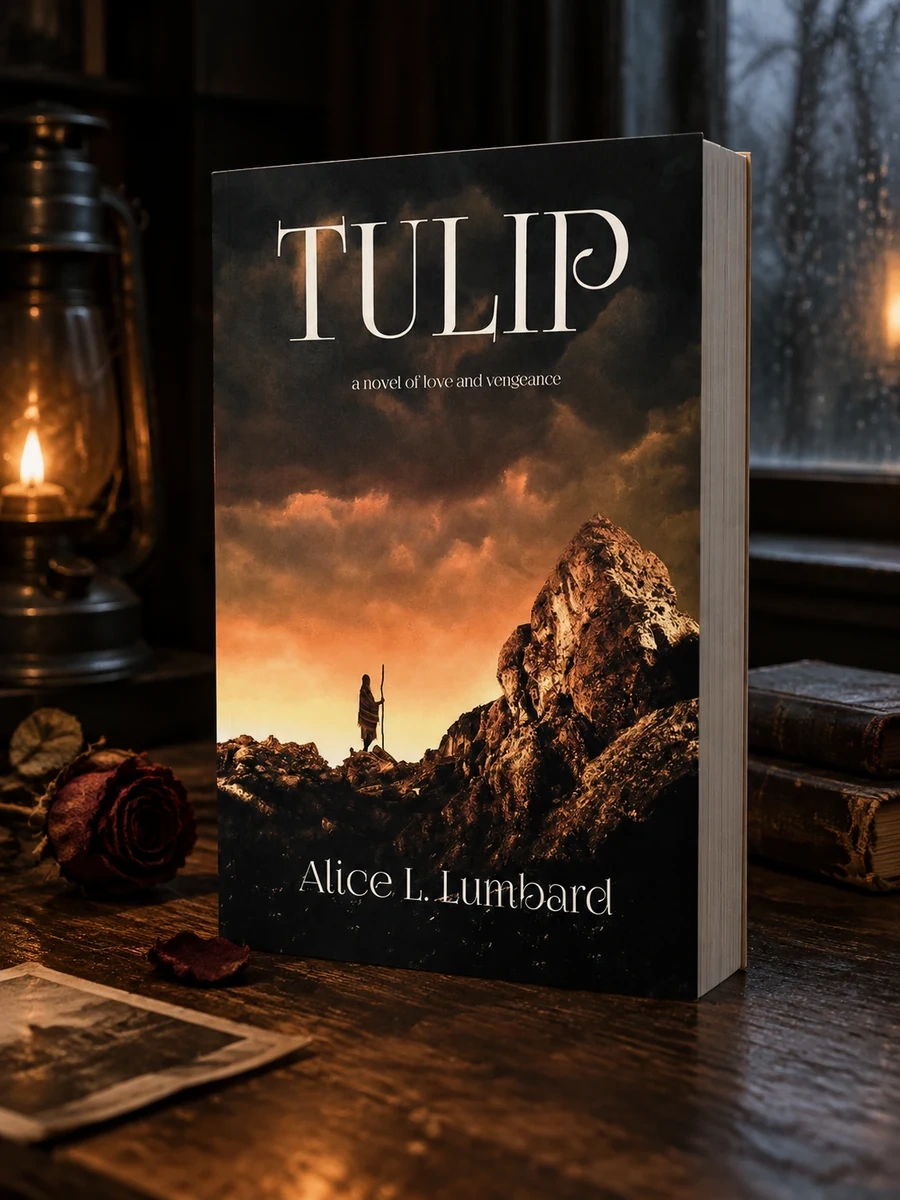
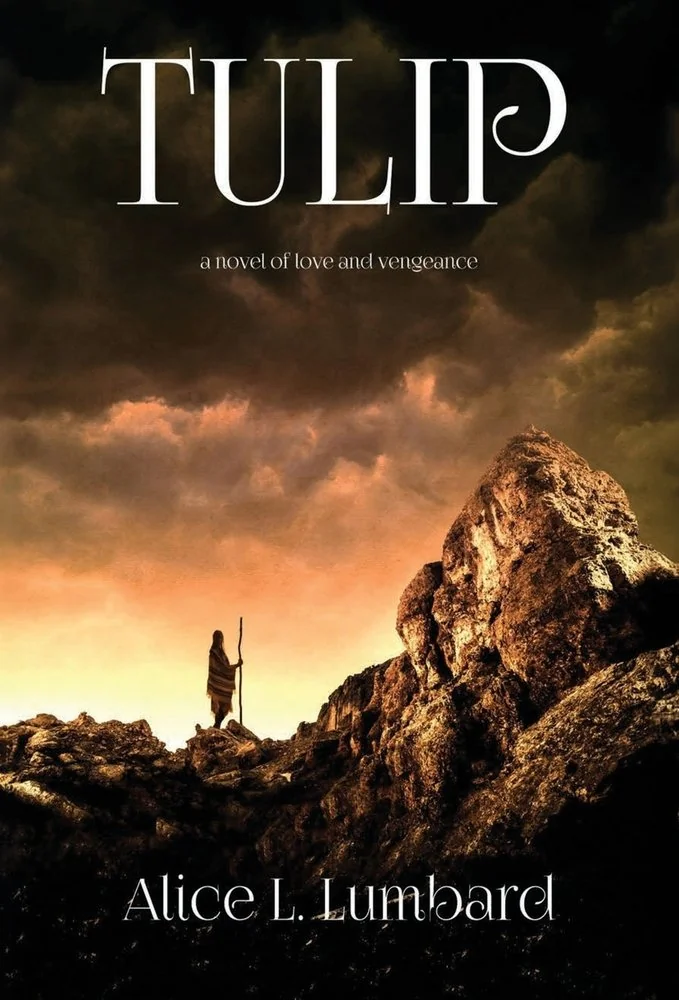
Tulip
A cursed bundle of tulip bulbs unleashes supernatural horror upon a dockworker's family in 1880s Holland.
The novel traces the path of a rare botanical discovery from a shaman’s garden in Central Asia to a Dutch household. A botanist acquires tulip bulbs through a ritualistic exchange that binds him to supernatural forces. His subsequent theft and disappearance trigger a chain of events involving his son, a constable, and the unsuspecting dockworker who possesses the cursed items. The narrative focuses on the intersection of these lives as the curse manifests within the family unit. Lumbard uses this structure to examine how past actions ripple through time and distance, affecting those who never knew the original transgressor. The story relies on the tension between the mundane reality of dock work and the encroaching supernatural threat.
The narrative is grounded in the historical context of Central Asia during the 1880s, specifically referencing a shaman's garden. It then moves to Holland, reflecting the era’s interest in rare botanical specimens and the global trade networks that facilitated their movement across continents.


📝 Description: Tulip
💎 Our verdict on Tulip
📖 Why choose it
Why this book is worth reading
Readers who appreciate atmospheric horror rooted in historical settings will find this narrative compelling. It offers a deep dive into complex character dynamics as mundane dock work collides with supernatural dread. The book explores themes of familial bonds under extreme duress, making it ideal for those interested in psychological tension over action. It suits fans of gothic fiction who enjoy tracing the consequences of greed and ritualistic exchanges across time and distance.
⭐ Reader reviews
Reader rating
Lumbard effectively weaves a dark narrative where botanical discovery intersects with supernatural horror. The story excels in building tension through the encroachment of the mystical upon the mundane reality of a dockworker’s family. By focusing on intimate collisions between seven distinct characters, the author examines how past actions ripple forward to cause heart-wrenching consequences. This approach creates a chilling atmosphere that relies on psychological dread rather than jump scares. The historical grounding in 1880s Holland adds texture to the supernatural elements, offering a sophisticated exploration of transgression and its enduring impact on innocent lives.
You might also like
See more →






Have a question about this item?
Ask about the edition, condition, delivery or anything else — we reply by email or phone, usually within a day.
