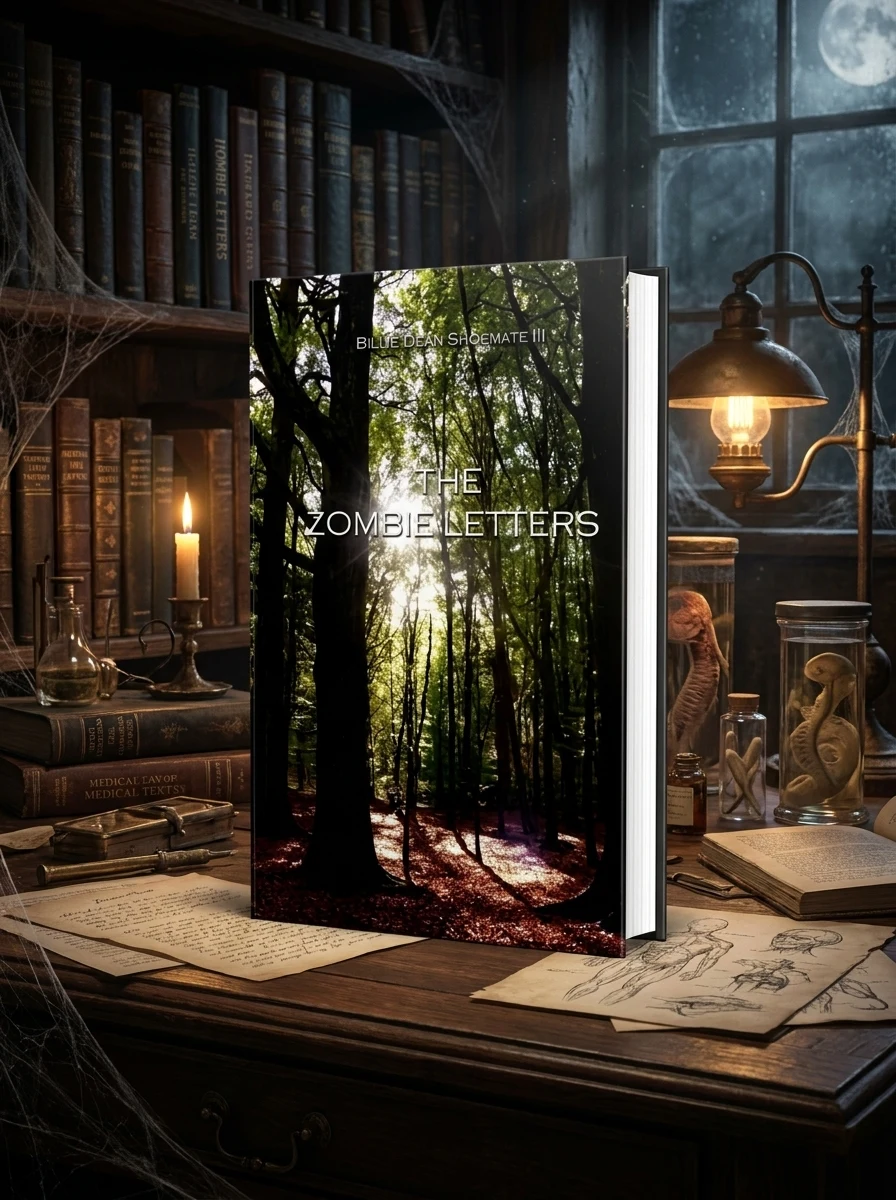
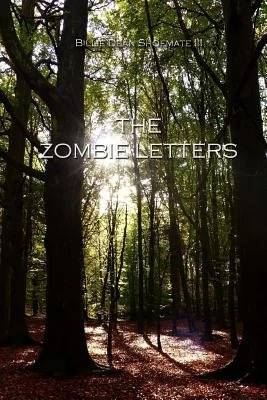
The Zombie Letters
A scientist becomes the architect of doom through medical advancements.
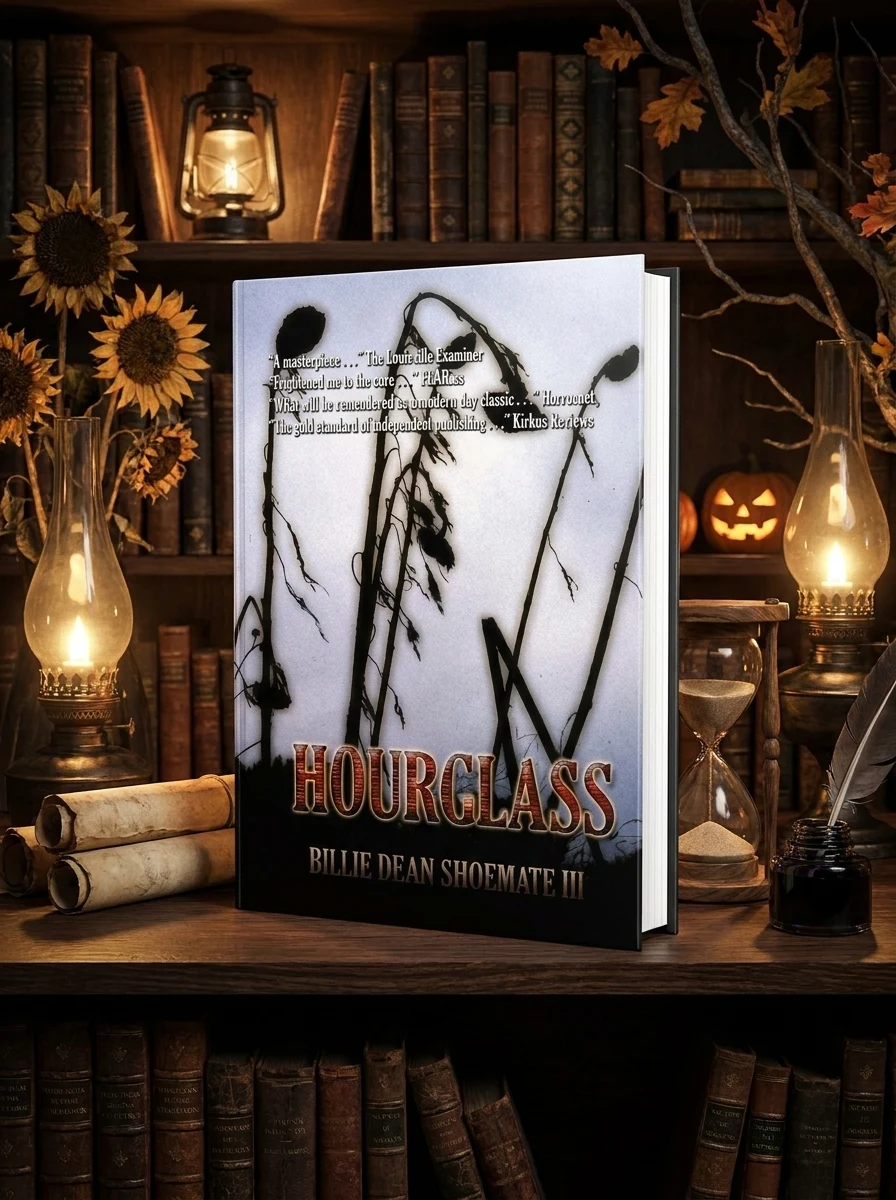
Billie Dean Shoemate III revisits the zombie genre with a fresh perspective. Nathaniel Winters aims to save humanity but inadvertently causes its downfall. His work in medical science alters the world in unexpected ways. The author uses his experience from ten novels and one hundred short stories to craft this narrative. The book examines the cost of progress and the fragility of human ambition. It offers a grim look at how good intentions can lead to disaster. The tone is serious and unrelenting, focusing on the psychological weight of Winters' actions.
This book was published in 2015 by Createspace Independent Publishing Platform. It fits into the landscape of independent horror fiction. The work engages with long-standing traditions of gothic and supernatural storytelling. It redefines familiar territory for modern readers seeking darker narratives.


📝 Description: The Zombie Letters
💎 Our verdict on The Zombie Letters
📖 Why choose it
Why this book is worth reading
Readers who appreciate dark, psychological horror and tales of unintended consequences will find this volume compelling. It suits those interested in the intersection of science and horror, offering a meditation on hubris and the cost of progress. The narrative focuses on the transformation of a man who sought to help humanity into the cause of its destruction. Those who prefer fast-paced action might find the focus on internal decay less engaging. However, for readers seeking a serious look at how good intentions lead to disaster, this book provides an unrelenting tale that examines the fragility of human ambition through the lens of medical science.
⭐ Reader reviews
Reader rating
Shoemate presents a disturbing redefinition of the living dead through an unrelenting narrative. The book does well in examining the consequences of unchecked scientific ambition, focusing on Nathaniel Winters’ catastrophic discovery. It offers a grim look at how progress can lead to ruin, prioritizing psychological weight over traditional monster hunting. This approach suits readers who enjoy dark themes and internal decay. Those seeking lighthearted entertainment or fast-paced action may find the tone too serious. The work stands as a meditation on hubris, appealing to those who value the exploration of unintended consequences in horror fiction.