
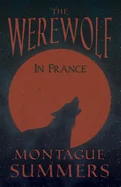
The Werewolf in France
A scholarly examination of French werewolf trials and folklore by Montague Summers.
This text compiles historical accounts of French lycanthropy, focusing on specific legal cases and regional legends. Summers analyzes the trial of Jean Grenier and the dread surrounding the loup-garou. He draws from chronicles and demonological texts to argue for the reality of these beings. Stewart’s essay complements this by exploring the cultural roots of the myth. The work bridges the gap between historical record and supernatural belief, offering a detailed view of early modern French attitudes toward witchcraft and wolf-like creatures.
Montague Summers wrote this in 1933, reflecting his belief in the reality of witches and werewolves. The material covers sixteenth and seventeenth century France, a period marked by intense witch-hunts and legal proceedings against alleged shape-shifters.


📝 Description: The Werewolf in France
💎 Our verdict on The Werewolf in France
📖 Why choose it
Why this book is worth reading
Readers interested in the historical roots of werewolf mythology and the legal mechanisms used to prosecute alleged lycanthropes will find this text invaluable. It offers a dense, scholarly examination of French trials, such as those involving Gilles Garnier and Jean Grenier, providing insight into how society processed fear through the lens of the supernatural. The inclusion of Caroline Taylor Stewart’s essay adds depth by exploring psychological origins, contrasting with Summers’ earnest belief in physical reality. This book is ideal for those studying early modern attitudes toward witchcraft and folklore, rather than casual readers seeking entertainment or scientific debunking.
⭐ Reader reviews
Reader rating
Summers presents a rigorous, albeit conviction-driven, analysis of French werewolf trials, treating historical accounts as genuine supernatural events rather than metaphors. The text excels in compiling specific legal cases and regional legends, offering a detailed view of early modern French society’s dread regarding the loup-garou. While Summers’ earnest academic tone may feel dated to some, his integration of demonological sources provides a unique window into historical belief systems. Stewart’s complementary essay on cultural development balances the volume. This work suits scholars and enthusiasts of European folklore and legal history, though it lacks appeal for those seeking modern horror fiction or scientific skepticism.
📖 Read on the blog
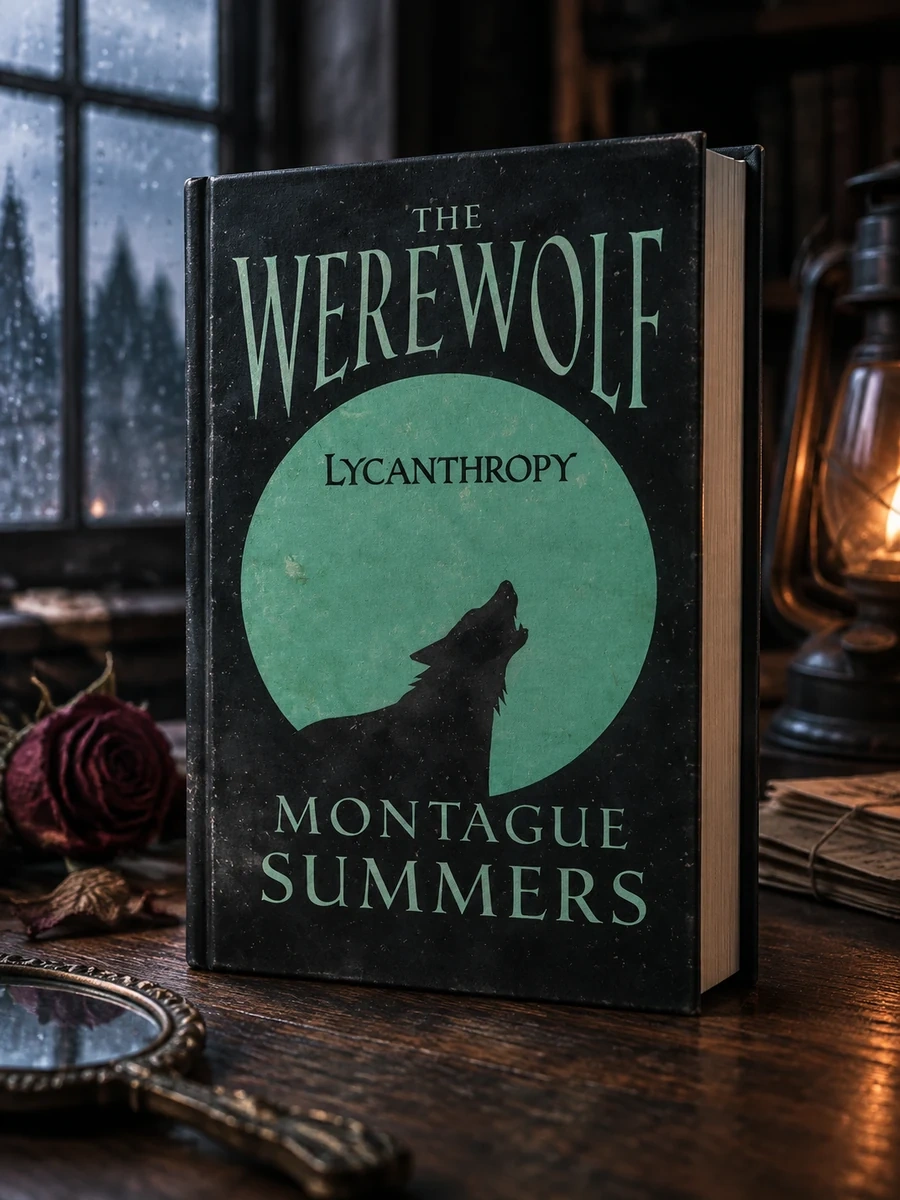
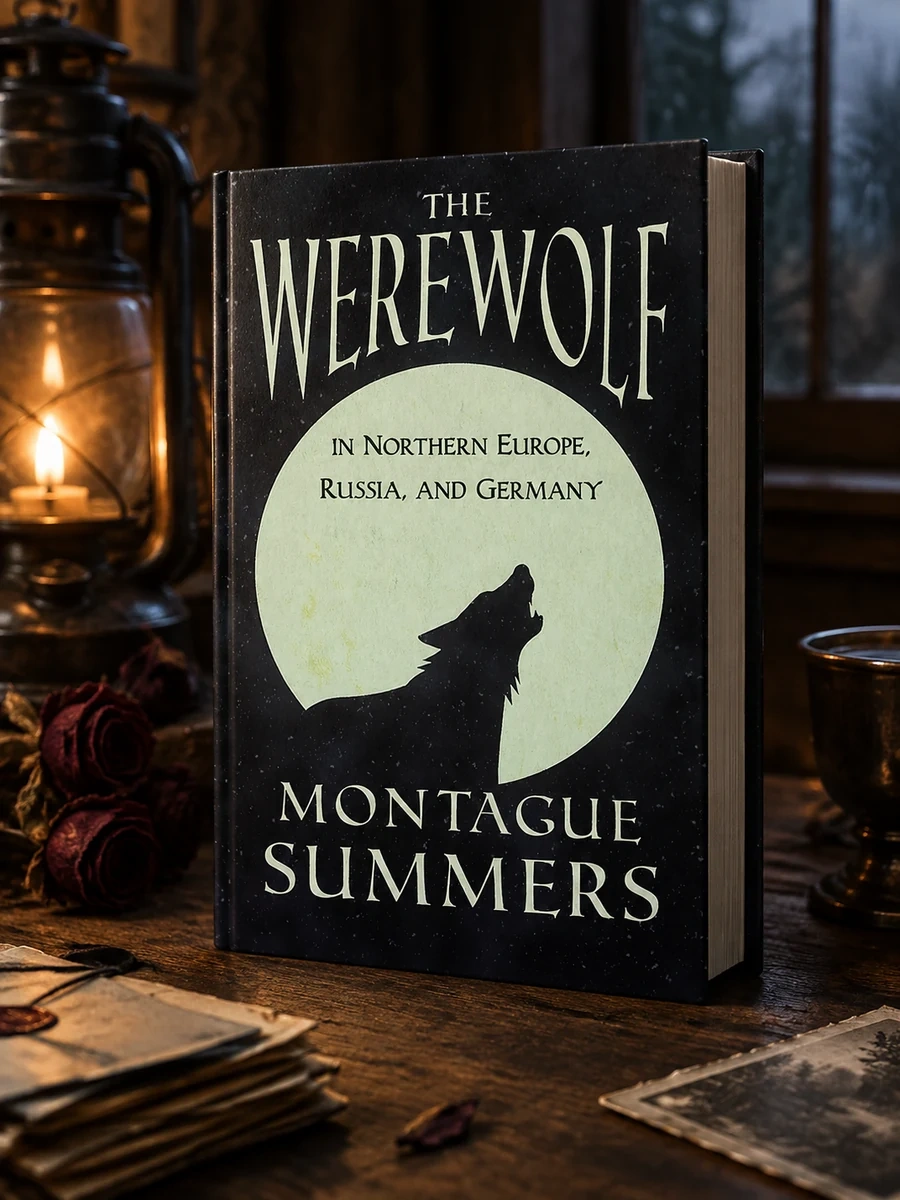
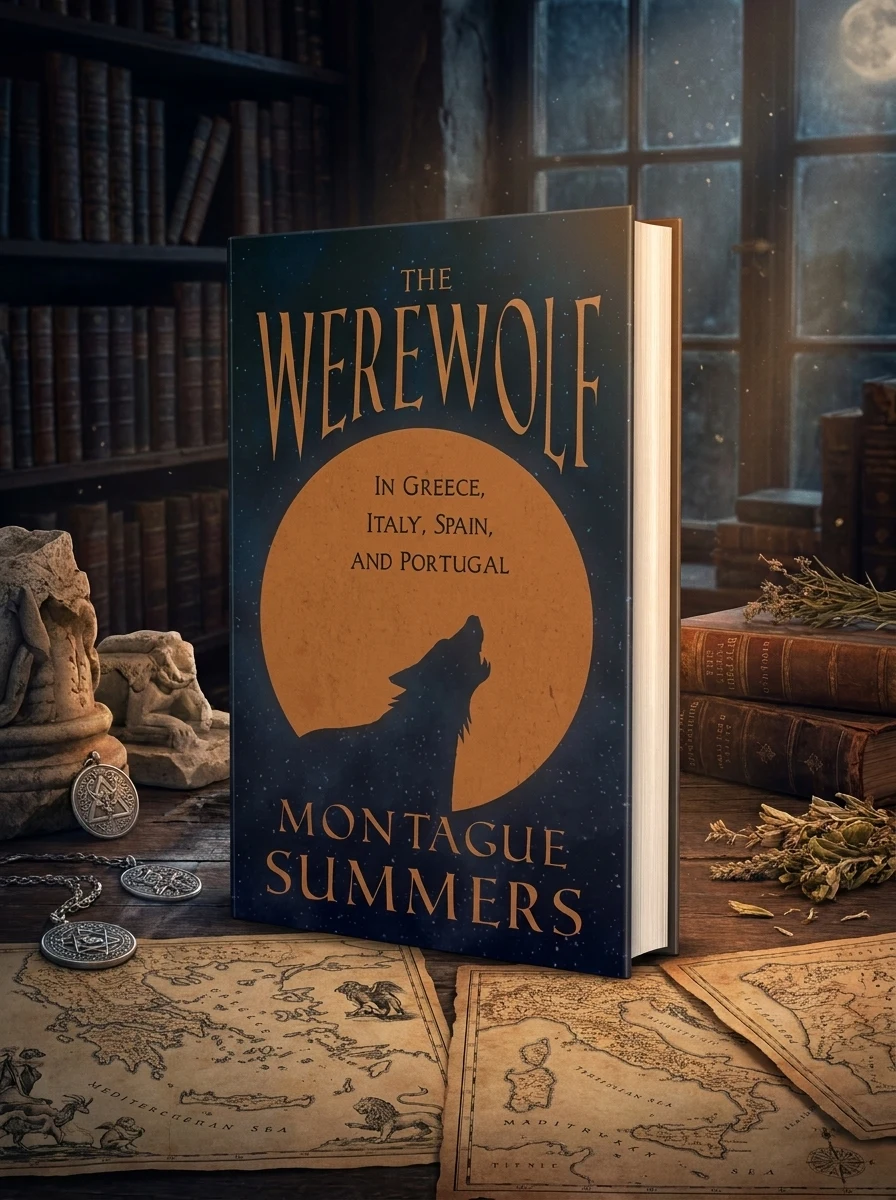
✍️ More books by this author Montague Summers


🏛 Books from this publisher Obscure Press

You might also like
See more →

Have a question about this item?
Ask about the edition, condition, delivery or anything else — we reply by email or phone, usually within a day.
