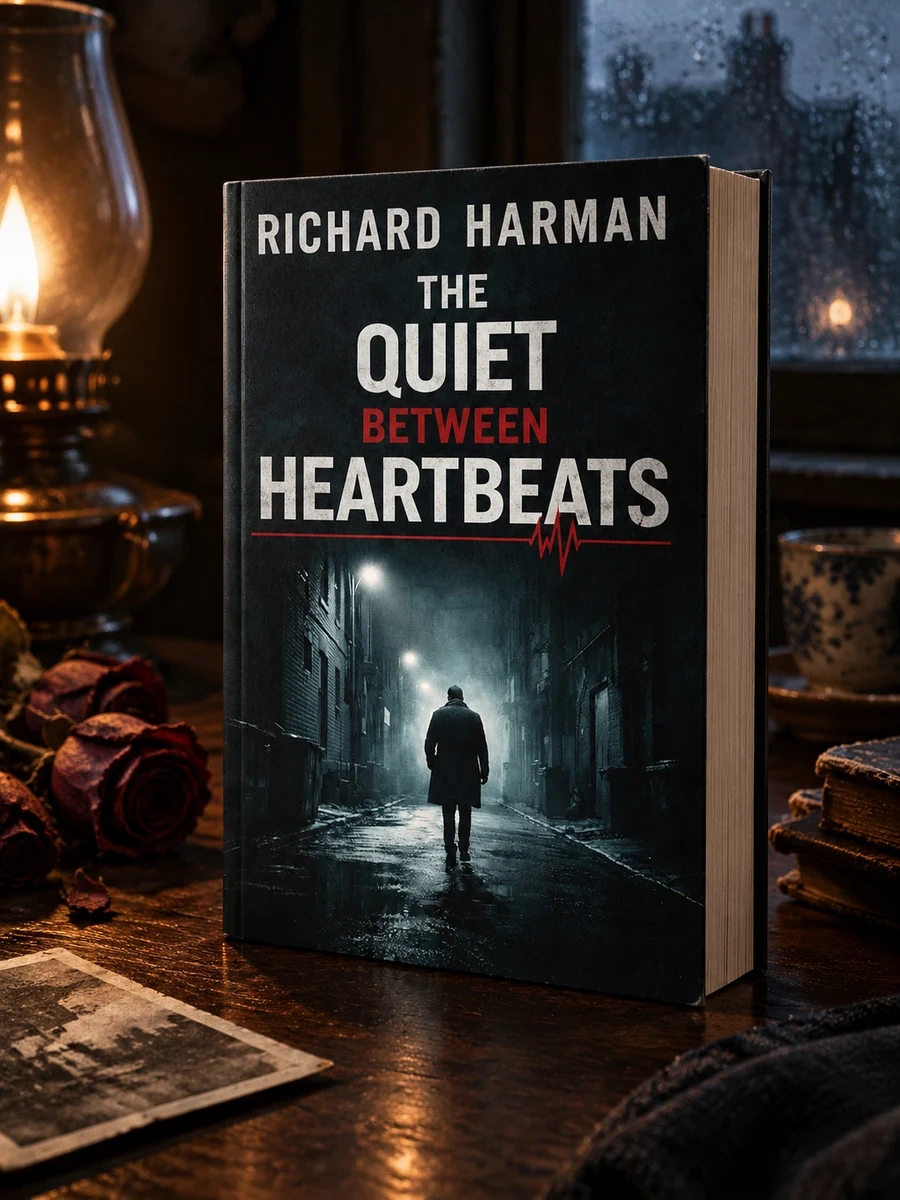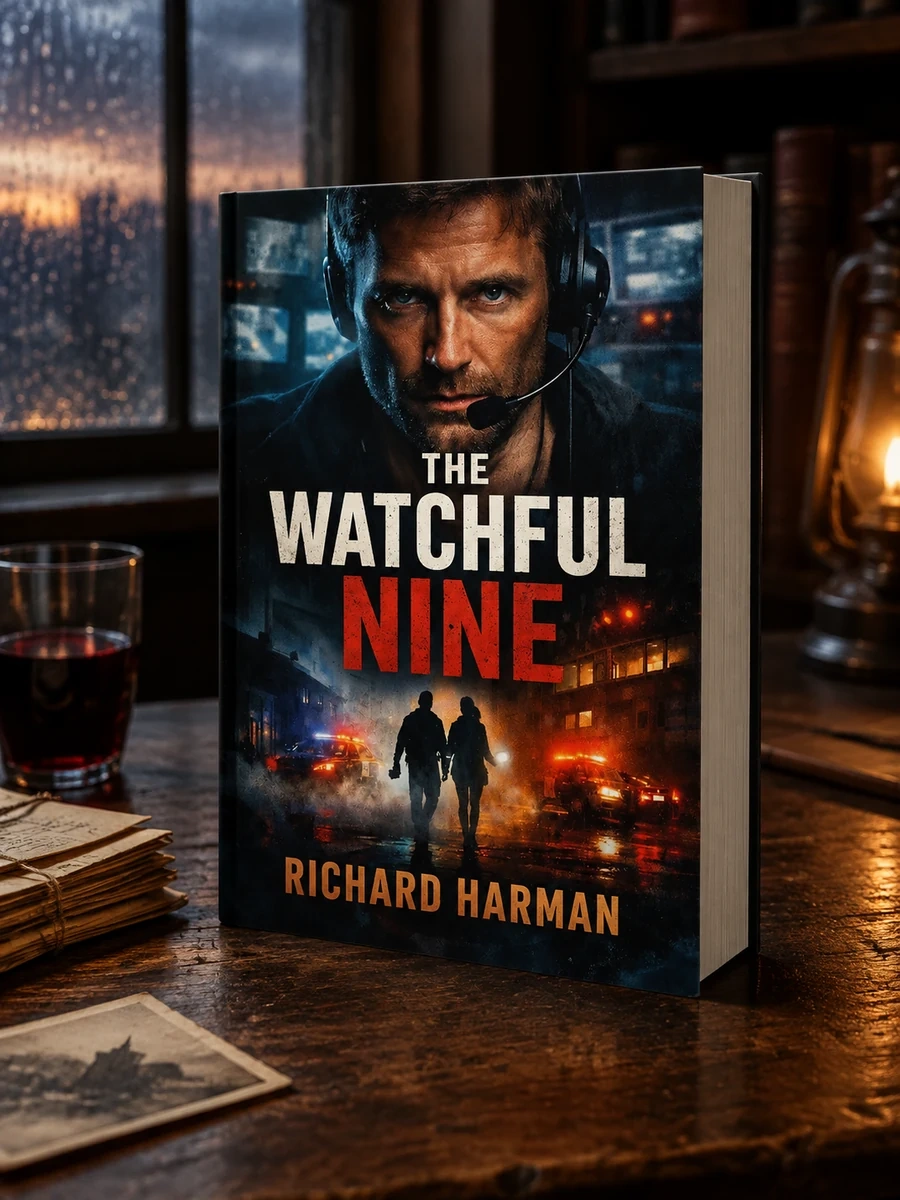
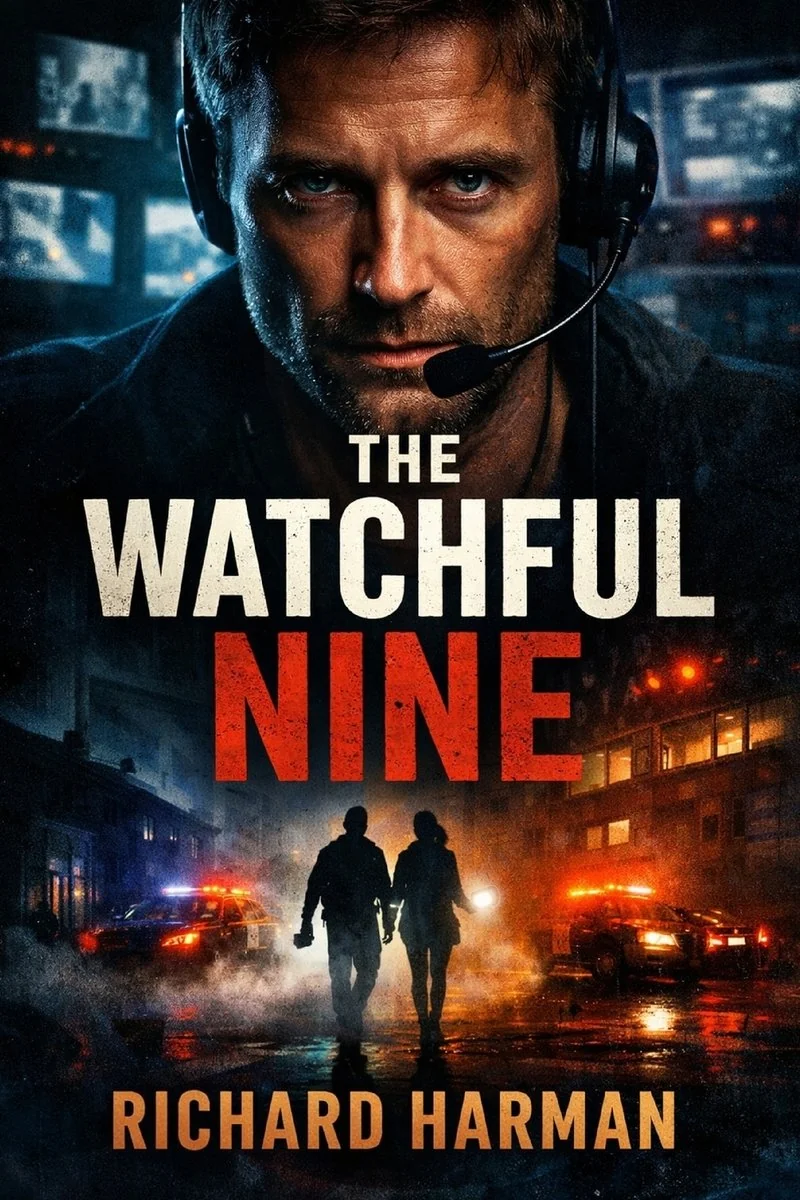
The Watchful Nine
A security monitor turns predator by exploiting the blind spots of his victims.
The protagonist works in a control room where alarms never stop. He uses this position to learn people’s routines and identify their moments of vulnerability. He selects nine targets and eliminates them without leaving traceable evidence. The FBI eventually detects a pattern in these deaths. Instead of fleeing, the narrator decides to engage with law enforcement directly. He manipulates the investigation by predicting agent movements and guiding them toward errors. This approach transforms the story from a simple crime procedural into a psychological duel. The tension arises from his belief that he is always one step ahead. His boredom drives him to take greater risks. The narrative focuses on his perspective, making the reader complicit in his observations of power and control.
The text reflects American anxieties about home security and privacy. It draws on the tradition of the unreliable narrator in horror fiction. The setting is a modern monitoring center, grounding the supernatural fear in technological reality.


📝 Description: The Watchful Nine
💎 Our verdict on The Watchful Nine
📖 Why choose it
Why this book is worth reading
Readers who enjoy tense, character-driven suspense will find this book compelling due to its unique focus on the violation of privacy rather than traditional monsters. It appeals to those fascinated by the psychology of control and the arrogance of the intelligent predator. The narrative immerses the audience in the killer’s perspective, creating a sense of complicity that challenges moral boundaries. Fans of procedural thrillers who prefer psychological duels over physical action will appreciate the cat-and-mouse dynamic between the narrator and law enforcement. It offers a chilling look at how technology can be weaponized, making it ideal for those who fear the invisible threats lurking within modern security systems.
⭐ Reader reviews
Reader rating
Richard Harman delivers a chilling descent into obsession, masterfully shifting the genre from simple crime procedural to psychological horror. The strength lies in the narrator’s voice, which forces readers to confront the seductive nature of power and control. By focusing on blind spots and routines, the text explores the fragility of perceived safety in the digital age. It suits fans of stalking narratives and domestic intrusion who prefer grounded terror over supernatural elements. While it lacks traditional jump scares, its tension is relentless, driven by the killer’s boredom and escalating risks. The book succeeds as a study of arrogance, making the reader complicit in the violence through intimate access to the antagonist's mind.