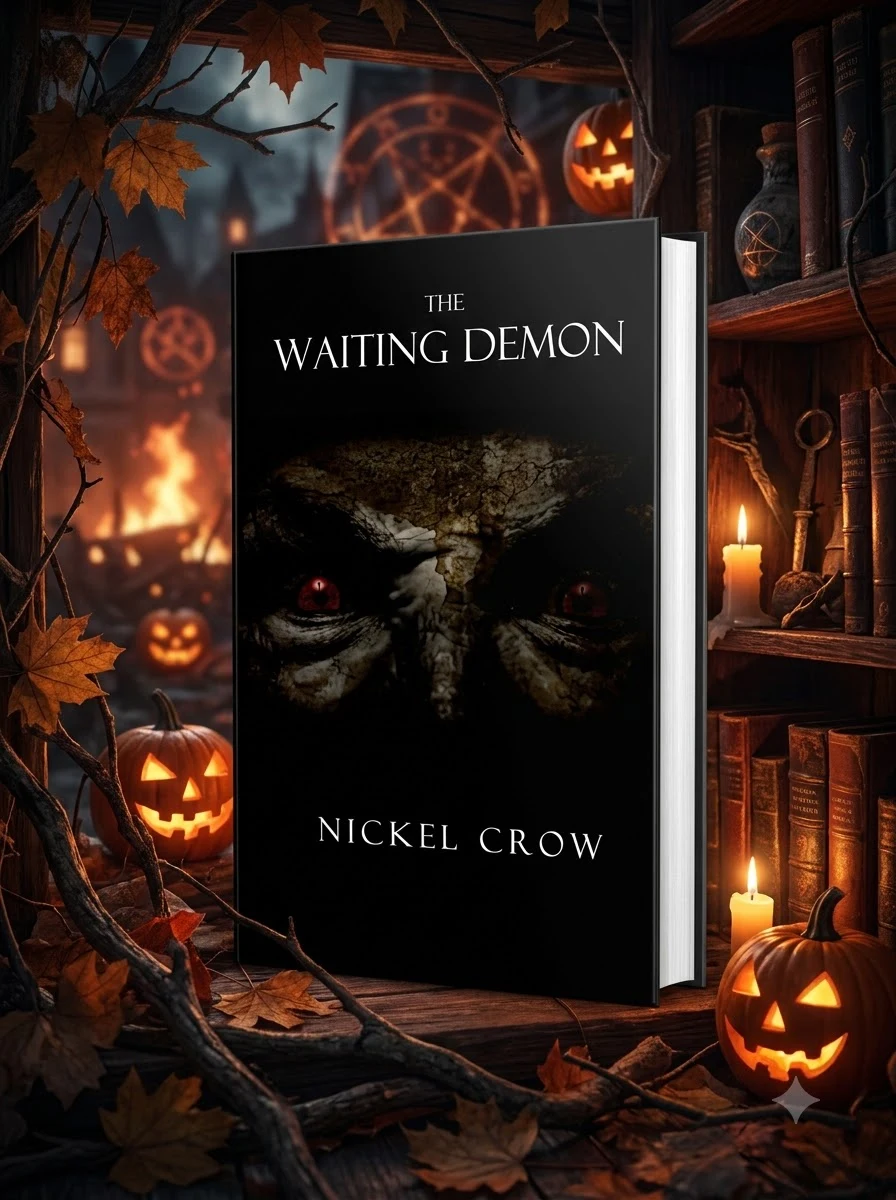
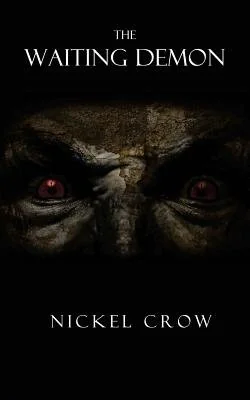
The Waiting Demon
A demon hidden in Devonshire, Illinois, reveals itself on Halloween night.
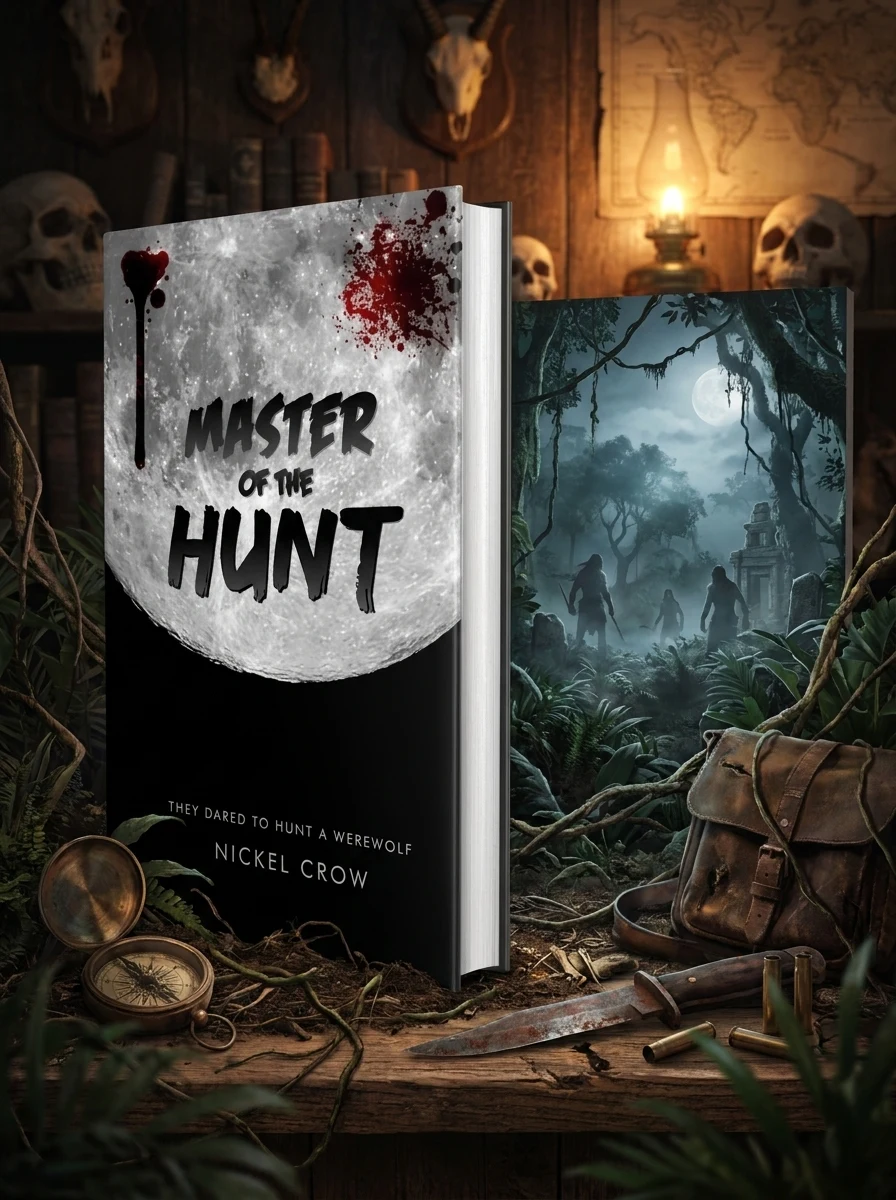
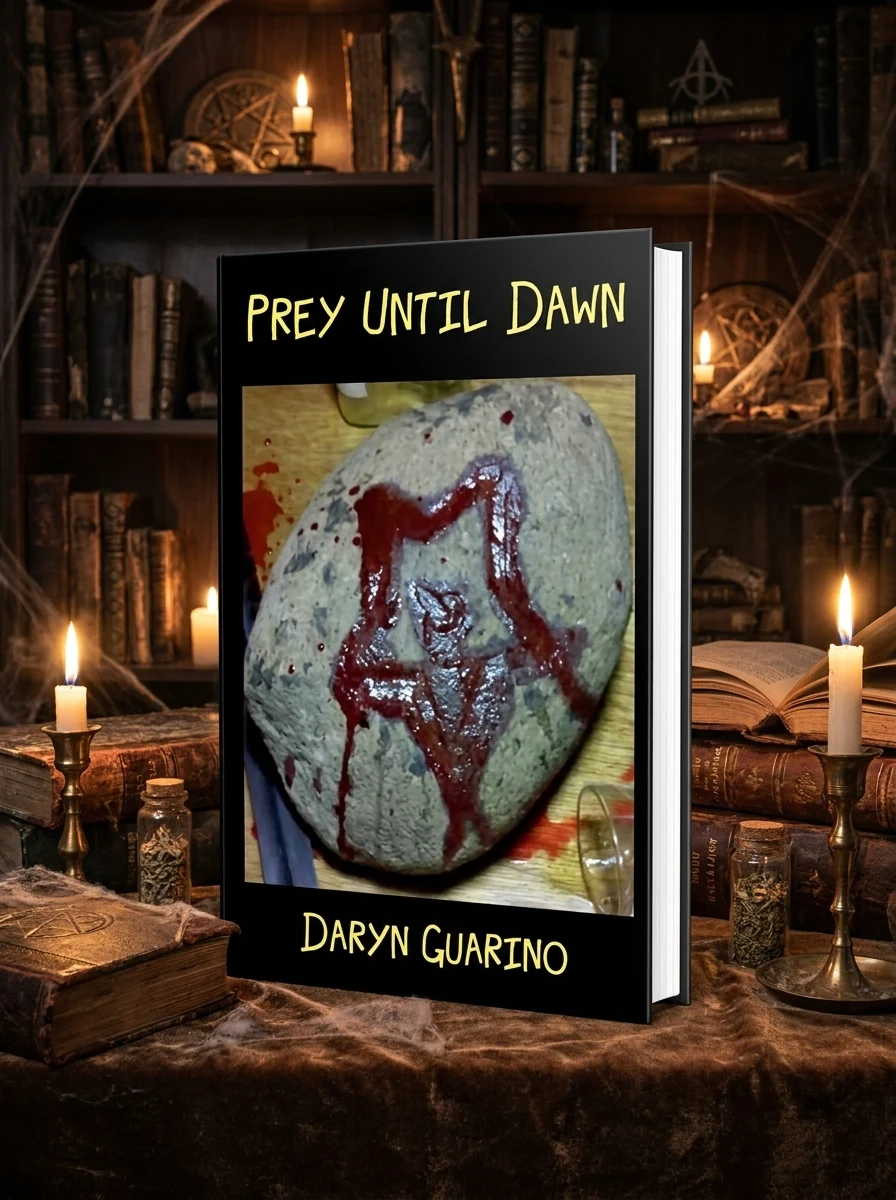
The novel follows Joe Madsen and his friends during a critical Halloween night in Devonshire, Illinois. A demon that has lived among the residents for four decades finally acts on its long-suppressed hunger. The group must find a way to stop the creature before it destroys the town with fire. This story explores the fear of hidden enemies within a close-knit community. It draws on traditions of seasonal horror and suburban dread. The narrative does not rely on ancient lore but on immediate, visceral danger. Readers who enjoy straightforward plots about ordinary teenagers facing extraordinary evil will find this work engaging. Those preferring slow-burn psychological horror may find it too direct.
This book sits within the tradition of American small-town horror fiction. It utilizes the Halloween setting to heighten the tension between the mundane and the supernatural. The story reflects fears of hidden threats in everyday communities, a common theme in late twentieth-century genre writing.


📝 Description: The Waiting Demon
💎 Our verdict on The Waiting Demon
📖 Why choose it
Why this book is worth reading
Readers who enjoy straightforward plots about ordinary teenagers facing extraordinary evil will find this work engaging, as it delivers immediate, visceral danger without the need for complex literary prose or slow-burn psychological buildup. The narrative appeals to those interested in small-town horror and seasonal terror, offering a clear tension between hidden supernatural threats and the everyday lives of students. It is particularly suitable for fans who prefer action-driven stories over non-fiction analysis or intricate character studies, providing a direct confrontation with a long-suppressed hunger that erupts on Halloween night.
⭐ Reader reviews
Reader rating
Nickel Crow delivers a tense tale of suburban horror, focusing on high school student Joe Madsen and his friends as they confront a demon hiding in plain sight for forty years. The book excels in maintaining immediate danger, avoiding complex lore in favor of visceral stakes. It suits readers seeking small-town terror and seasonal dread rather than those preferring slow-burn psychological depth. While the prose may not appeal to literary fiction enthusiasts, the straightforward narrative effectively explores the fear of hidden enemies within a close-knit community. The story’s strength lies in its clear conflict and urgent pacing, making it an accessible entry point for fans of Halloween-themed supernatural thrillers.