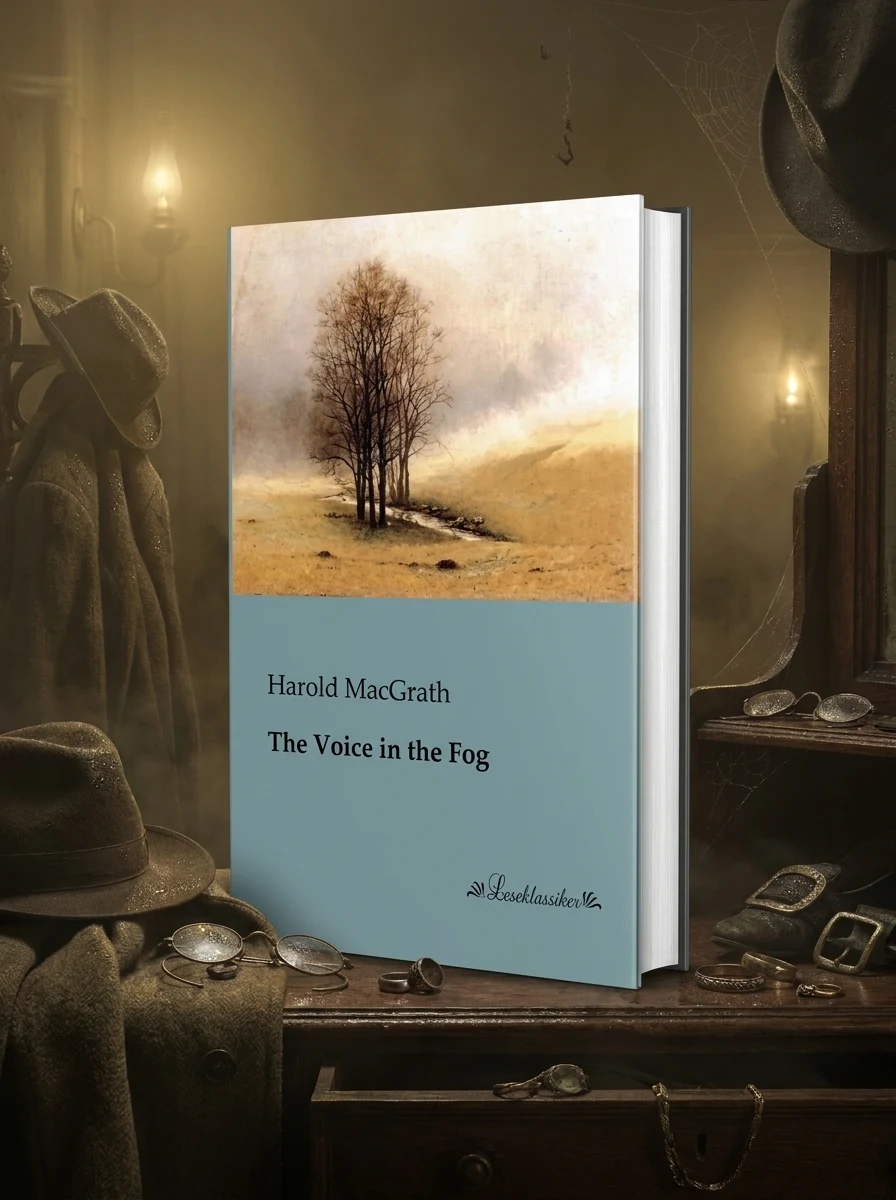
The Voice in the Fog
A 1915 reprint of Harold Macgrath's sensory-driven mystery set in a suffocating London fog.
The narrative focuses on the physical and psychological impact of a thick, yellow fog that envelops London. Macgrath describes how this substance blocks vision and forces reliance on touch alone. The environment becomes a tangible presence, beading on jewelry and penetrating garments. This sensory shift turns the city into an antechamber to Hades. The story explores themes of perception and reality through this oppressive weather event. It reflects the 1915 literary interest in the supernatural intruding upon the mundane. The text avoids standard mystery tropes, instead focusing on the immediate experience of dread. Readers will encounter a world where the eye is useless and the skin conveys all truth. This approach creates a unique reading experience that prioritizes mood over plot resolution.
This 2013 Leseklassiker reprint preserves Harold Macgrath’s 1915 work. It sits within the tradition of early twentieth-century gothic fiction. The story reflects the period's fascination with the supernatural and psychological horror. It bridges the gap between classic mystery and modern atmospheric dread.


📝 Description: The Voice in the Fog
💎 Our verdict on The Voice in the Fog
📖 Why choose it
Why this book is worth reading
Readers who prioritize atmospheric immersion over conventional plot resolution will find profound value in this sensory-driven experience. It appeals to those interested in the psychological impact of isolation and the breakdown of perception under extreme duress. The book offers a unique exploration of dread through tactile rather than visual means, making it ideal for connoisseurs of gothic horror who appreciate the blurring of lines between hallucination and reality. Those seeking comfort or clear answers should look elsewhere; this text rewards patience with a deep, suffocating engagement with the unknown.
⭐ Reader reviews
Reader rating
Macgrath successfully crafts a suffocating environment where the fog acts as a tangible antagonist, rendering sight useless and forcing reliance on touch. The narrative excels in building tension through sensory deprivation rather than traditional mystery mechanics, creating a somnambulistic nightmare that feels both immediate and timeless. While it lacks standard plot resolution, its strength lies in its unwavering commitment to mood and psychological unease. This work is best suited for readers who appreciate early gothic traditions and are willing to endure discomfort for the sake of artistic immersion. It is a compelling, if disorienting, study of how the mundane can dissolve into the underworld.
📖 Read on the blog
✍️ More books by this author Harold Macgrath
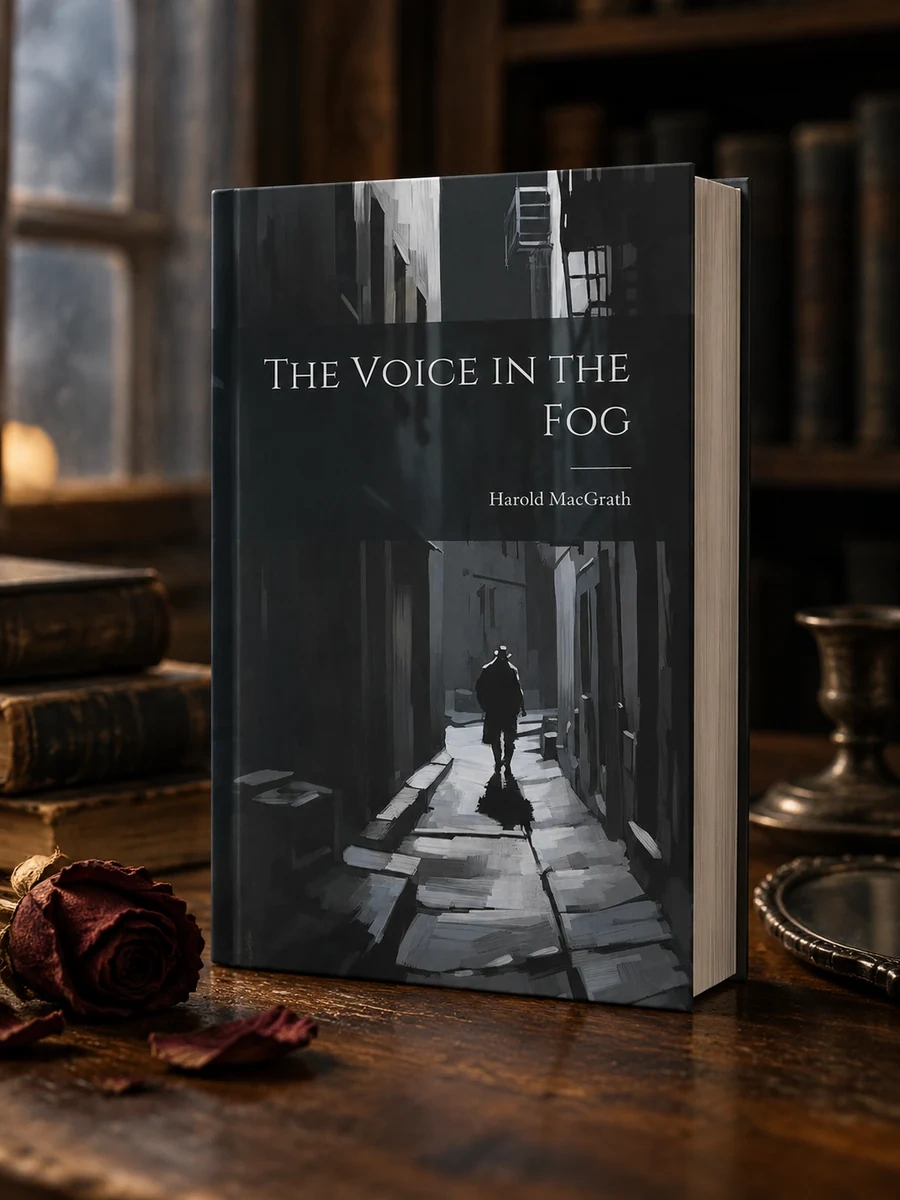


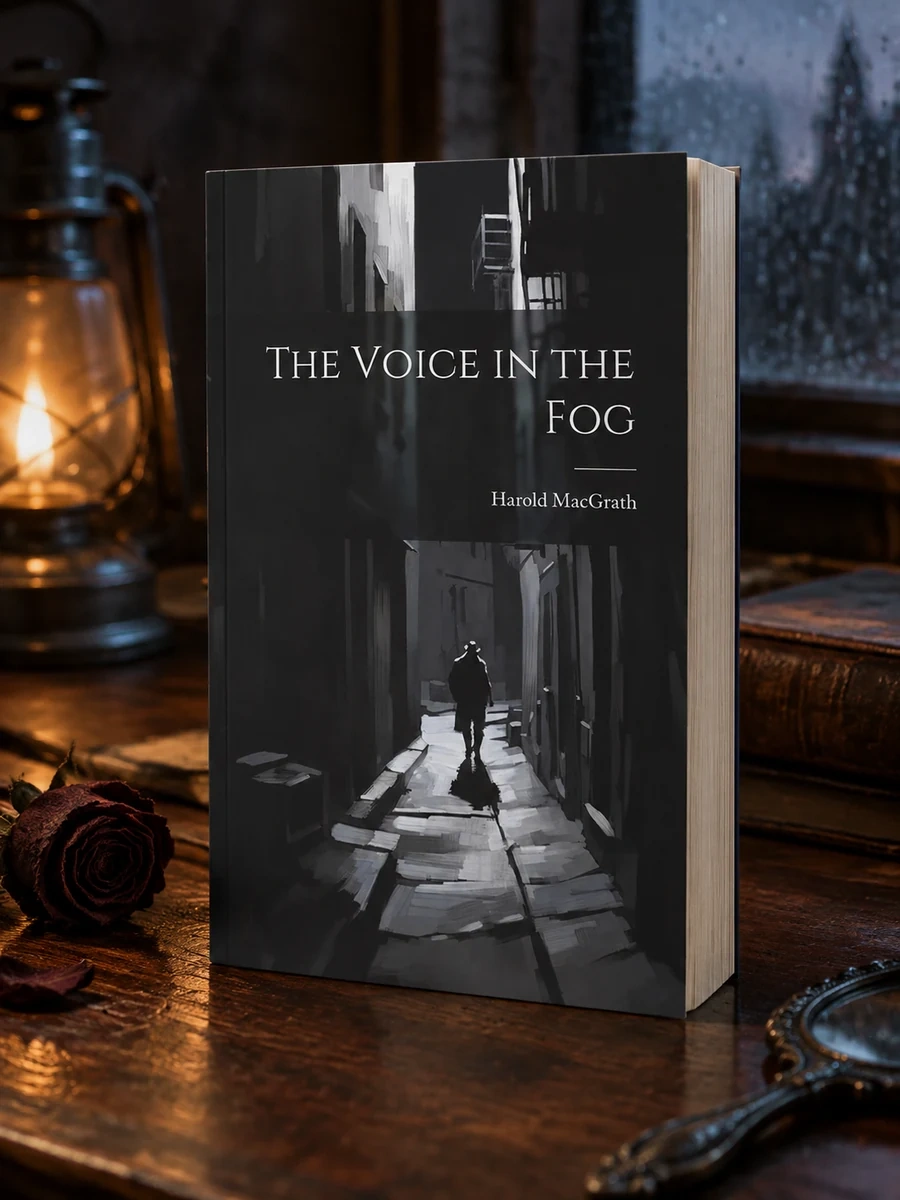
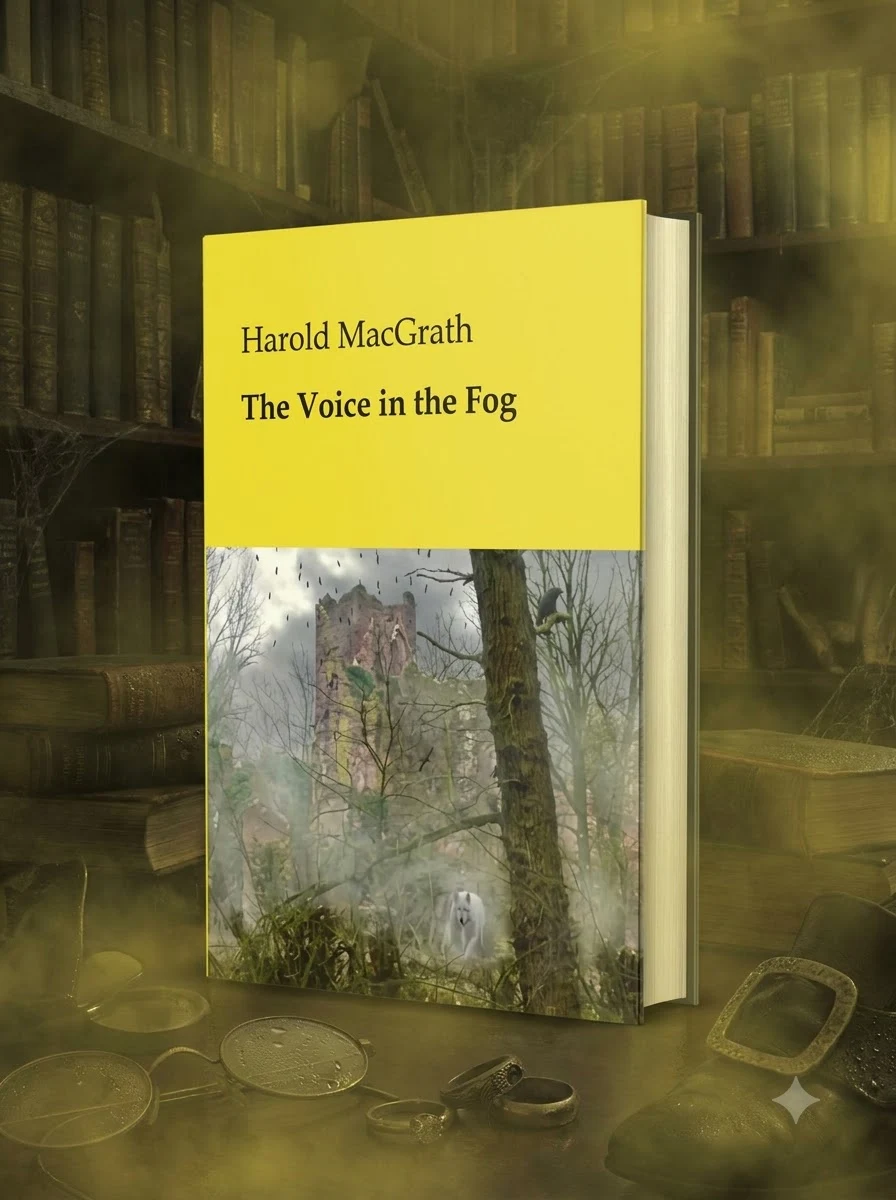
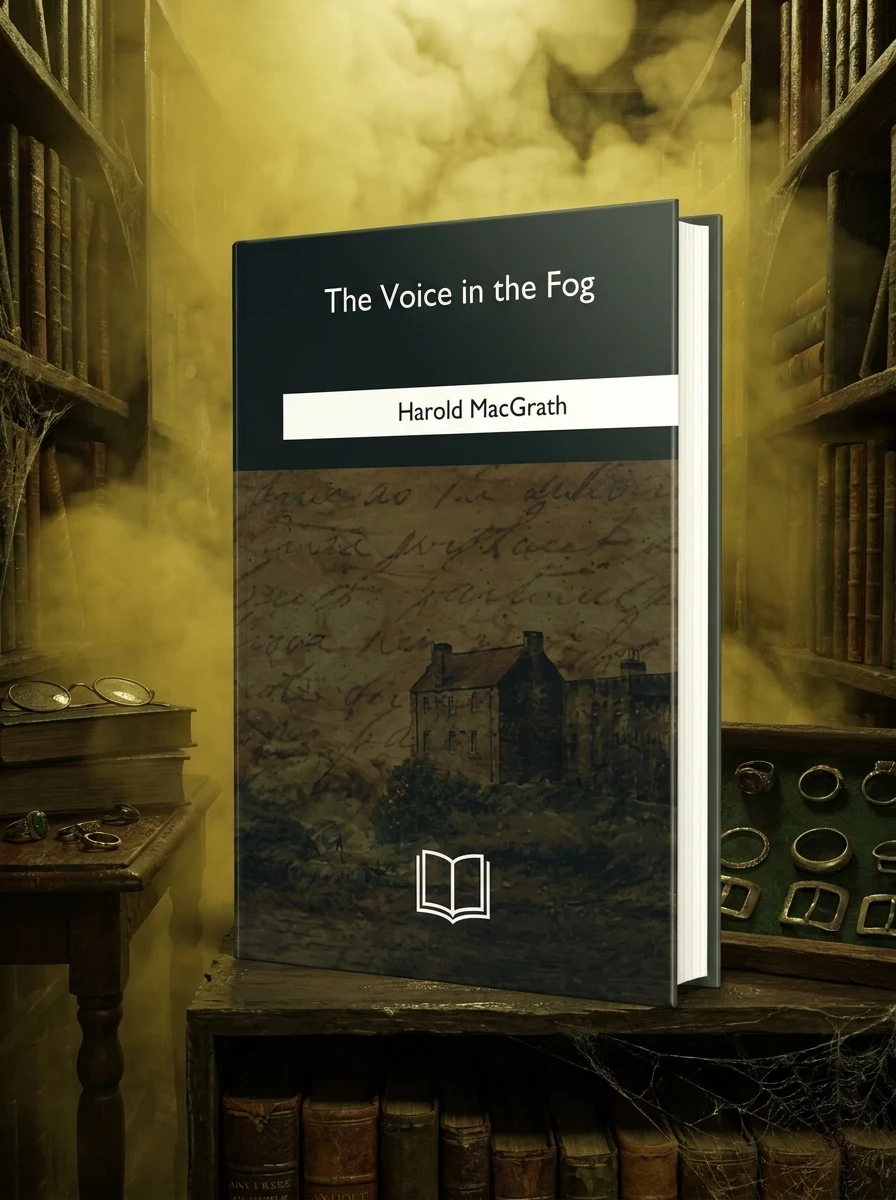
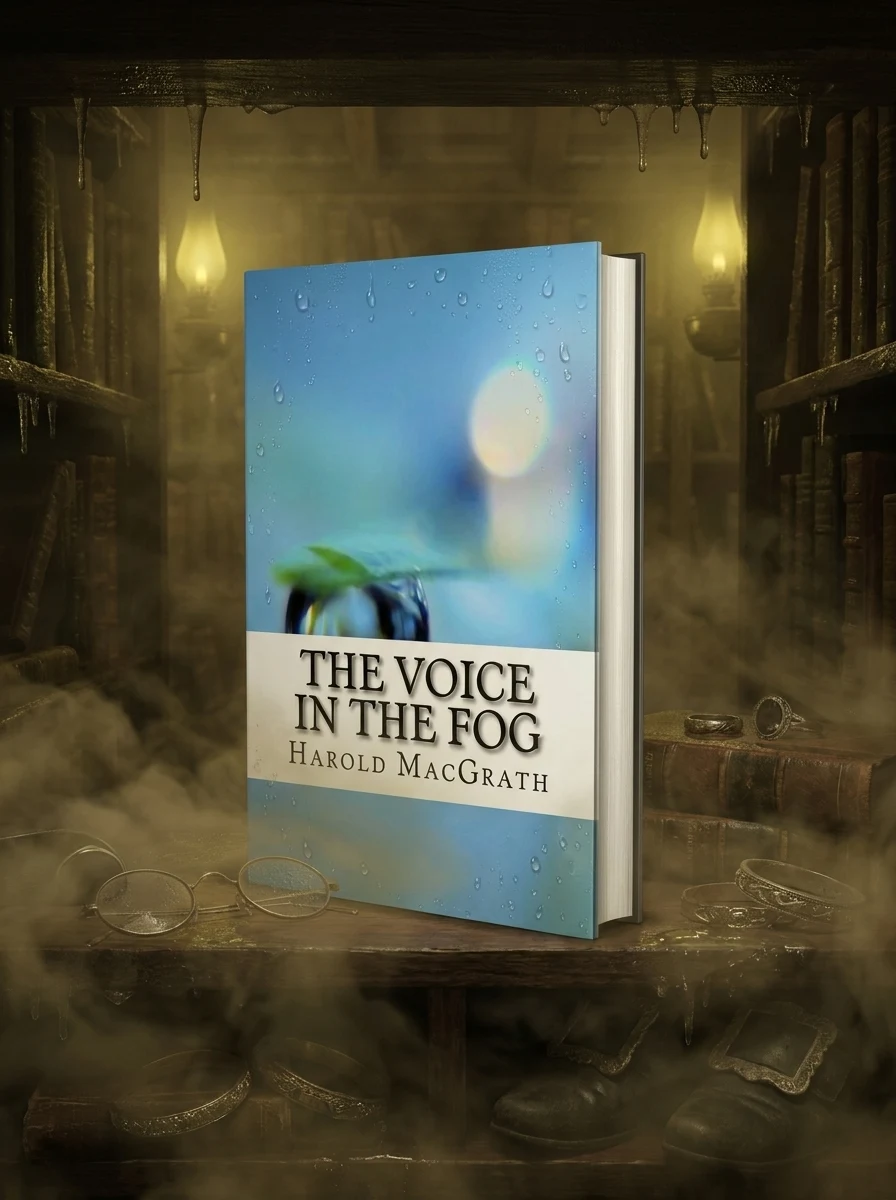
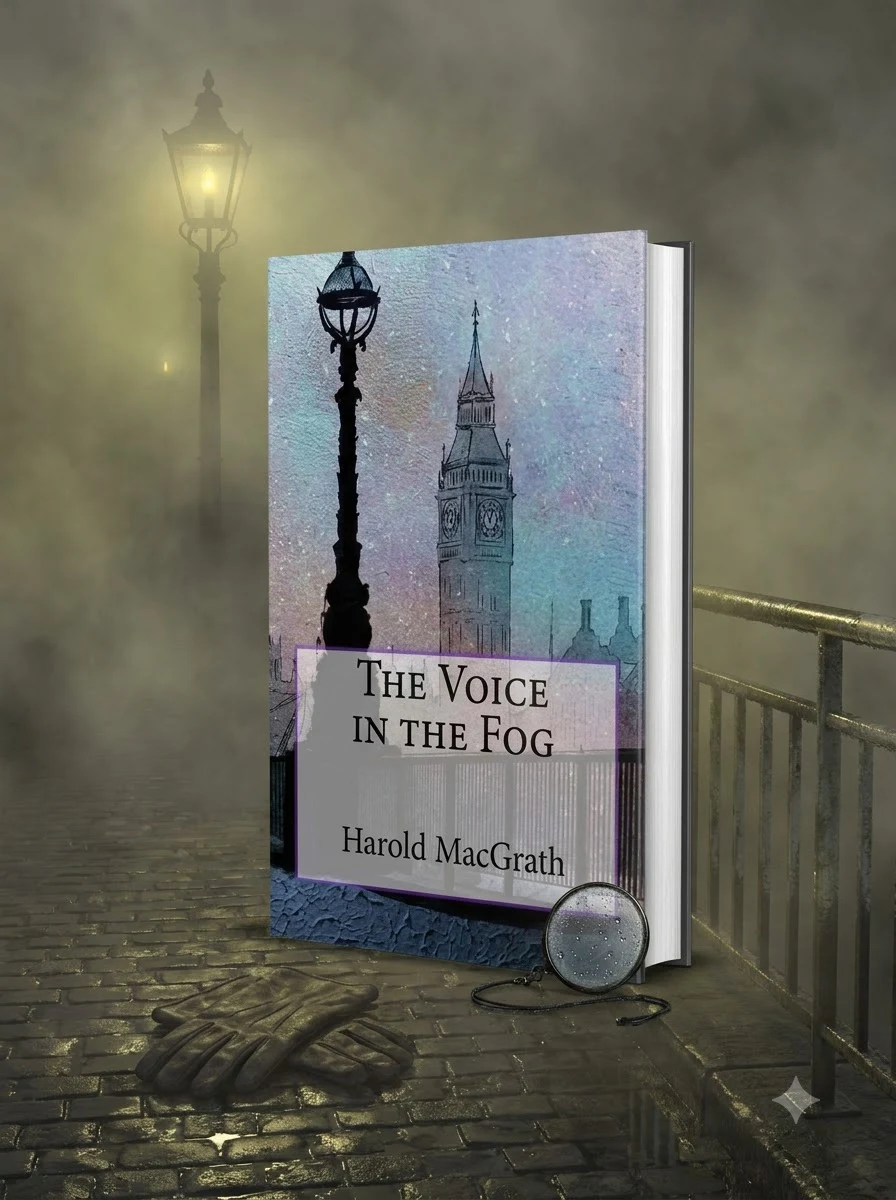
🏛 Books from this publisher Leseklassiker
You might also like
See more →



Have a question about this item?
Ask about the edition, condition, delivery or anything else — we reply by email or phone, usually within a day.
