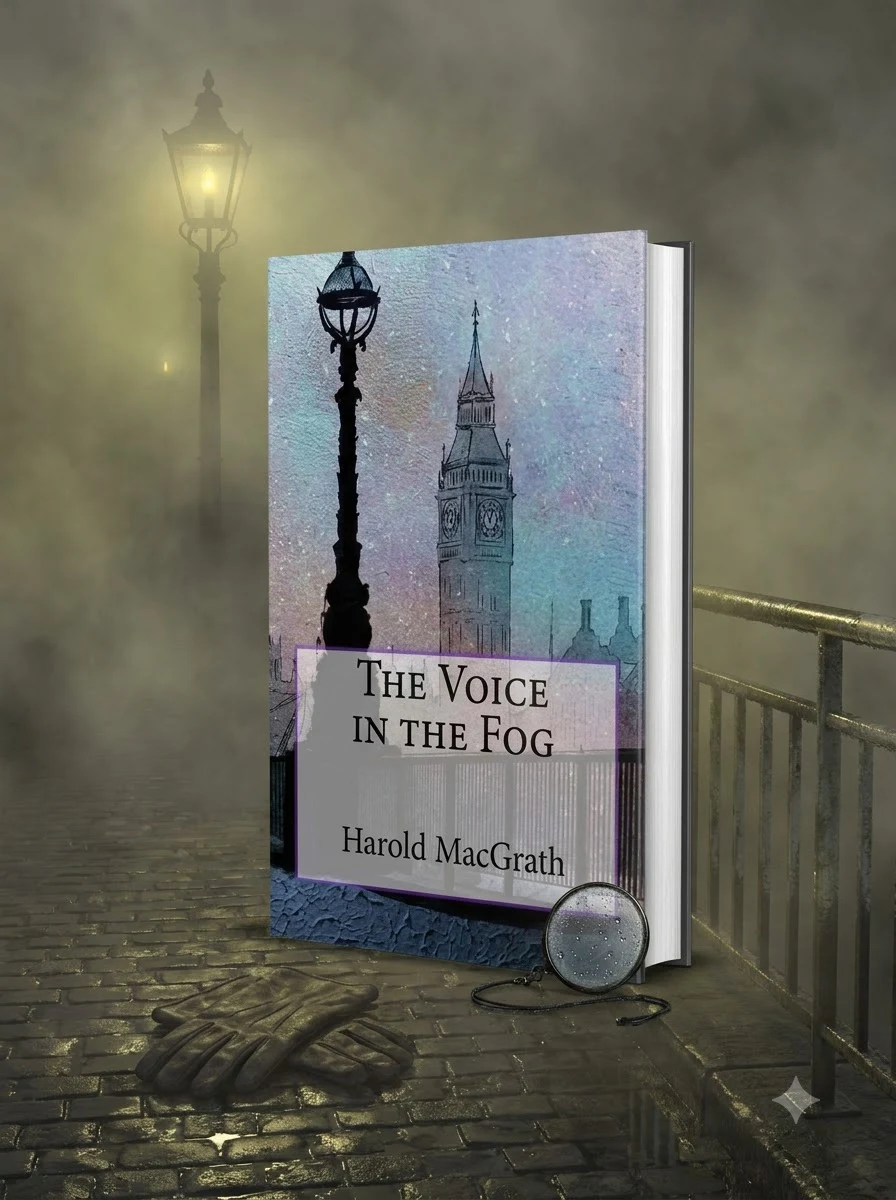
The Voice in the Fog
A study of London fog as a tangible, nightmare-inducing force by Harold Macgrath.
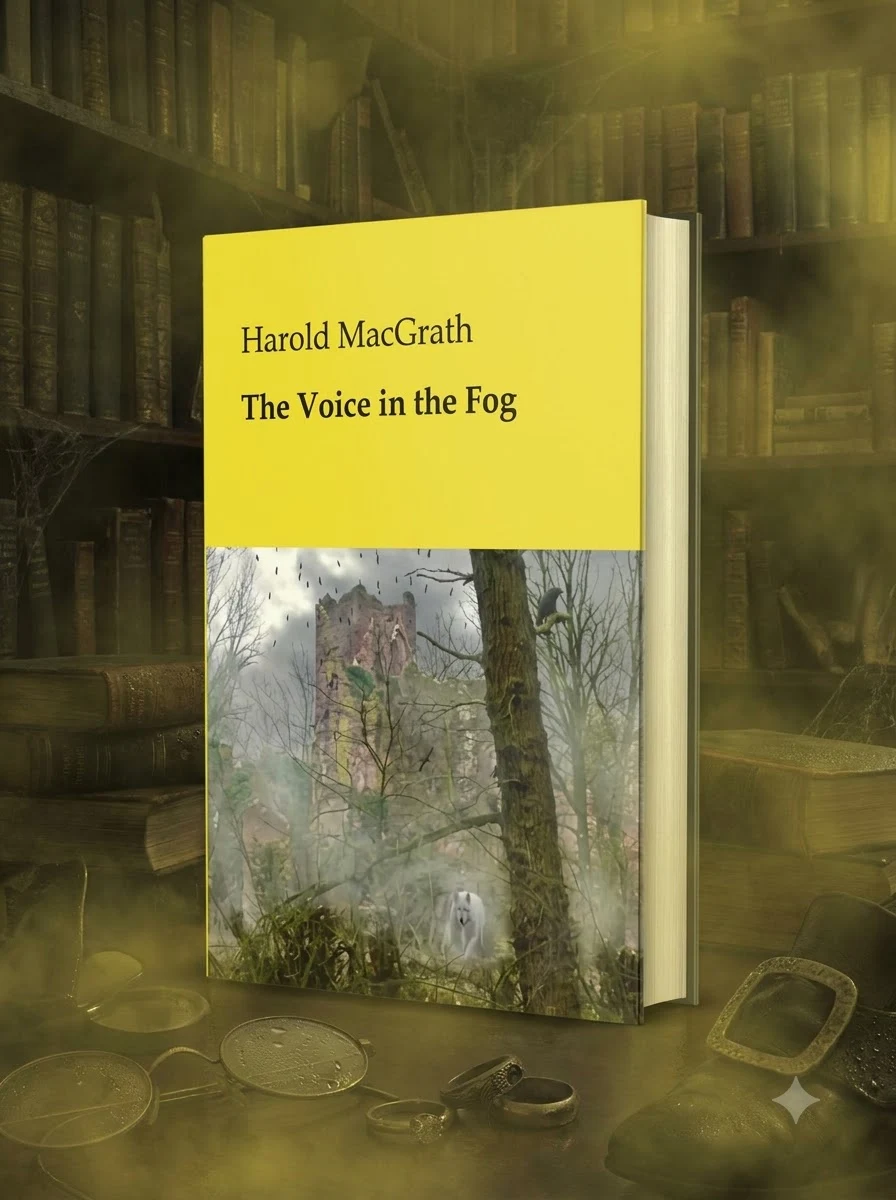
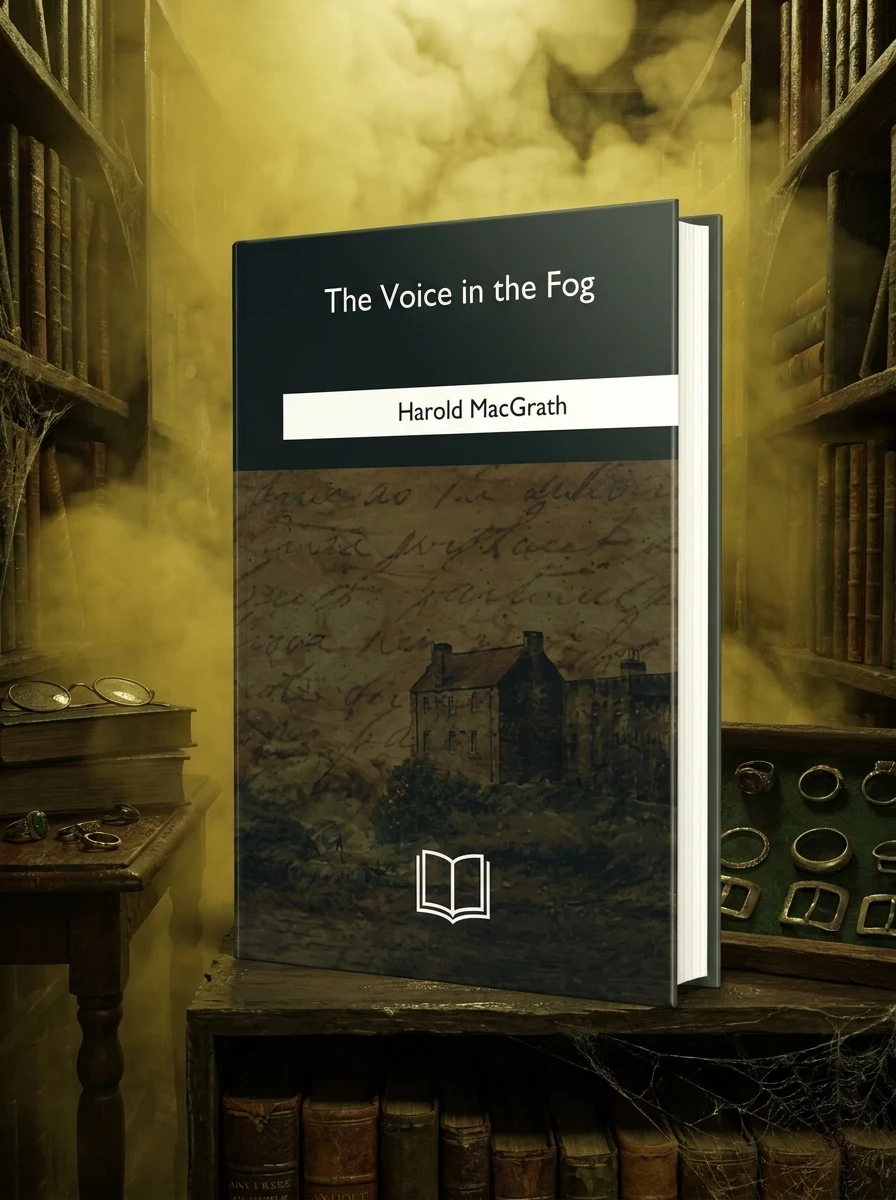
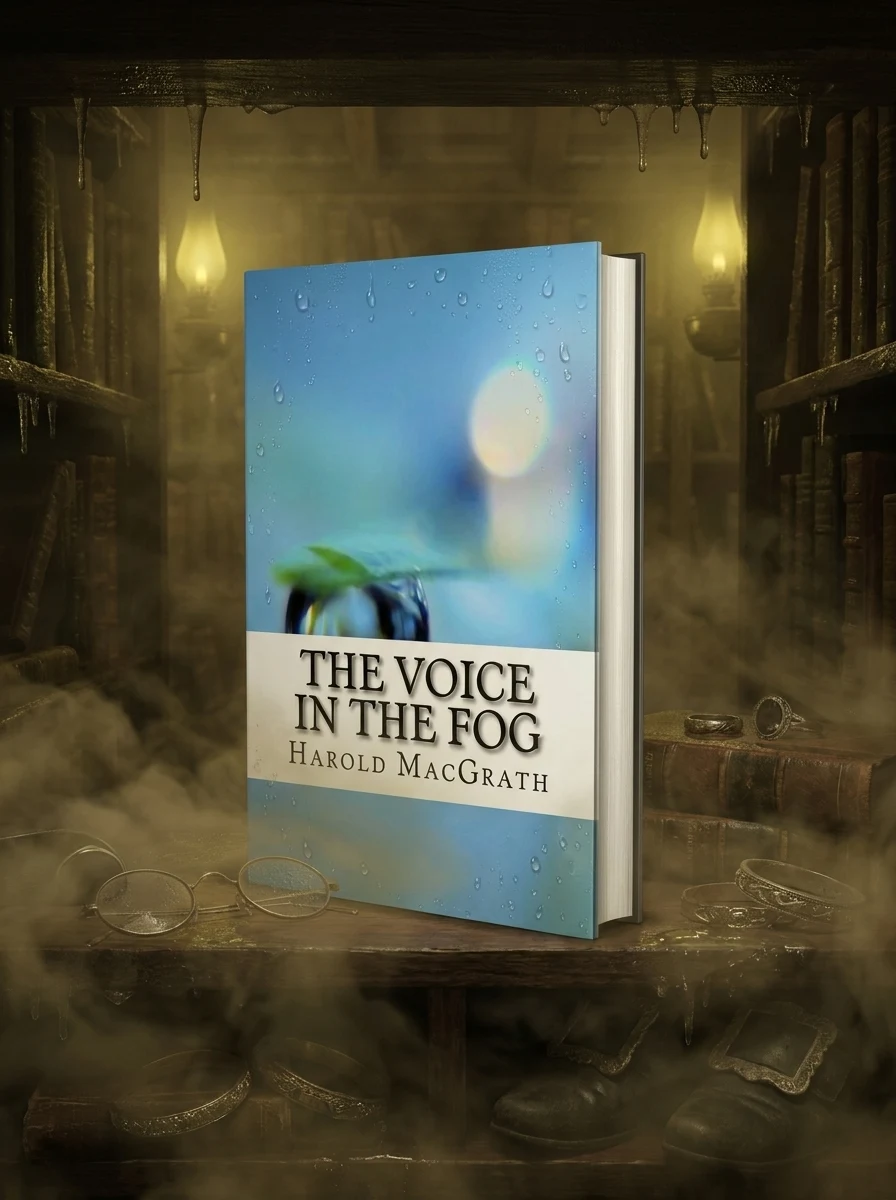
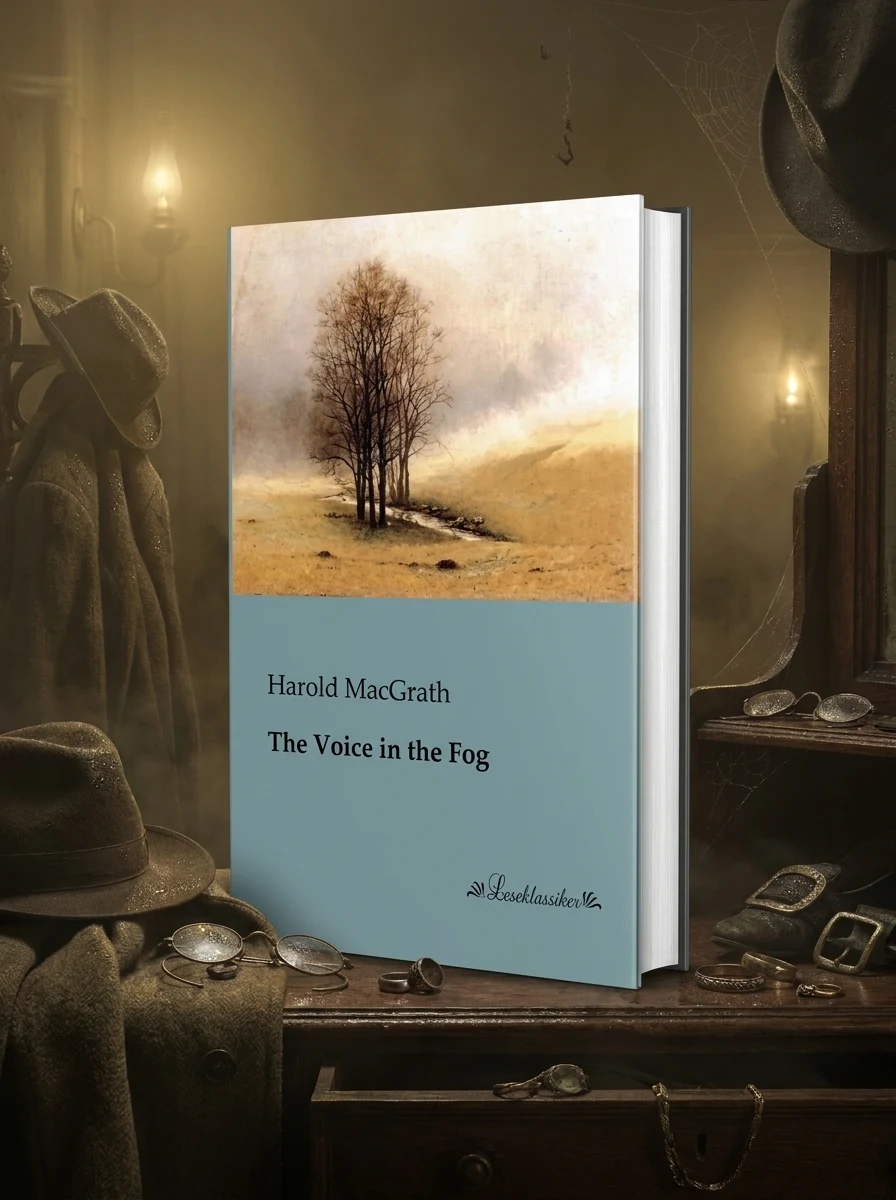
The Voice in the Fog analyzes the physical and psychological impact of dense atmospheric conditions. Macgrath explores how a solid yellow mist disrupts normal perception and forces reliance on touch. The text describes the fog as penetrating clothing and personal items like rings and shoe-buckles. This intrusion transforms London into a place resembling Hades, filled with mistakes and idle dreams. The author emphasizes the failure of sight and the trustworthiness of skin in such conditions. The work treats the environment as an active participant in creating dread. Macgrath’s approach focuses on the materiality of fear rather than supernatural entities. The narrative structure follows the progression of sensory loss and subsequent psychological distortion. This method highlights the vulnerability of the human body against overwhelming natural forces. The text serves as a case study in gothic atmosphere and environmental horror.
Published in 2017, this work engages with British gothic traditions. It references London as a setting for supernatural unease. The text draws on the period’s interest in atmospheric horror and psychological tension.


📝 Description: The Voice in the Fog
💎 Our verdict on The Voice in the Fog
📖 Why choose it
Why this book is worth reading
Readers who appreciate the slow, creeping tension of environmental horror will find this text rewarding for its intense focus on sensory deprivation and psychological distortion. It appeals to those interested in how atmospheric conditions can warp perception and strip away the comfort of reality. The book is ideal for students of gothic aesthetics or scholars examining the materiality of fear, as it treats fog not merely as weather but as an active, malevolent participant in creating dread. It offers a unique case study in how isolation and the failure of sight force reliance on touch, transforming familiar urban landscapes into nightmares. Those who enjoy mood-driven narratives that prioritize texture and tone over plot will gain insight into the vulnerability of the human body against overwhelming natural forces.
⭐ Reader reviews
Reader rating
Macgrath succeeds in crafting a palpable sense of unease through precise, tactile imagery rather than relying on traditional monsters or jump scares. By rendering the fog as a solid, yellow substance that penetrates clothing and disrupts personal items, he effectively turns the environment into an antagonist. The text excels in its exploration of sensory loss, forcing the reader to confront the fragility of perception when sight fails. This approach creates a somnambulistic nightmare where London resembles Hades, filled with idle dreams rather than clear resolutions. It suits readers seeking atmospheric depth and psychological horror over action. While it lacks conventional plot development, its strength lies in the relentless pressure of the atmosphere, making it a compelling study for enthusiasts of gothic mood and the subtle mechanics of dread.
📖 Read on the blog
✍️ More books by this author Harold Macgrath
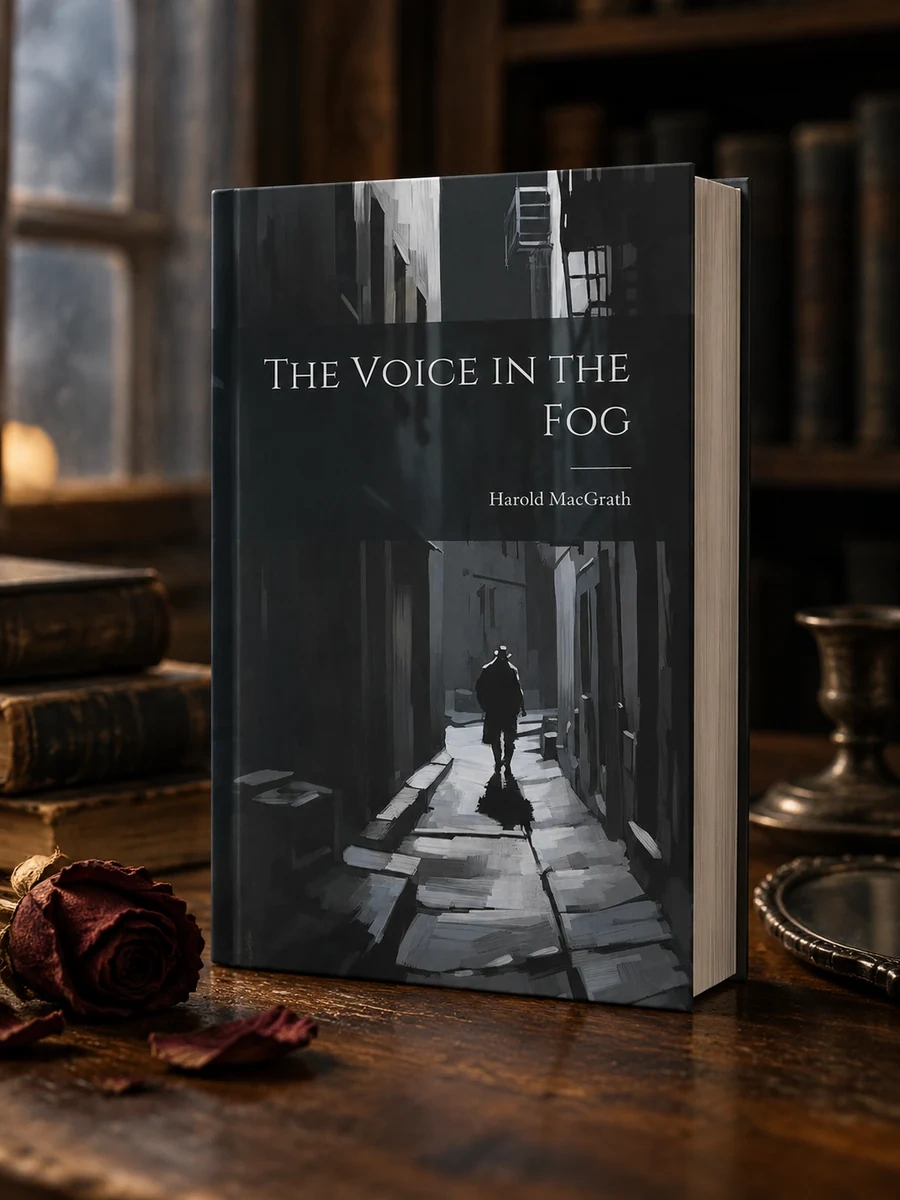


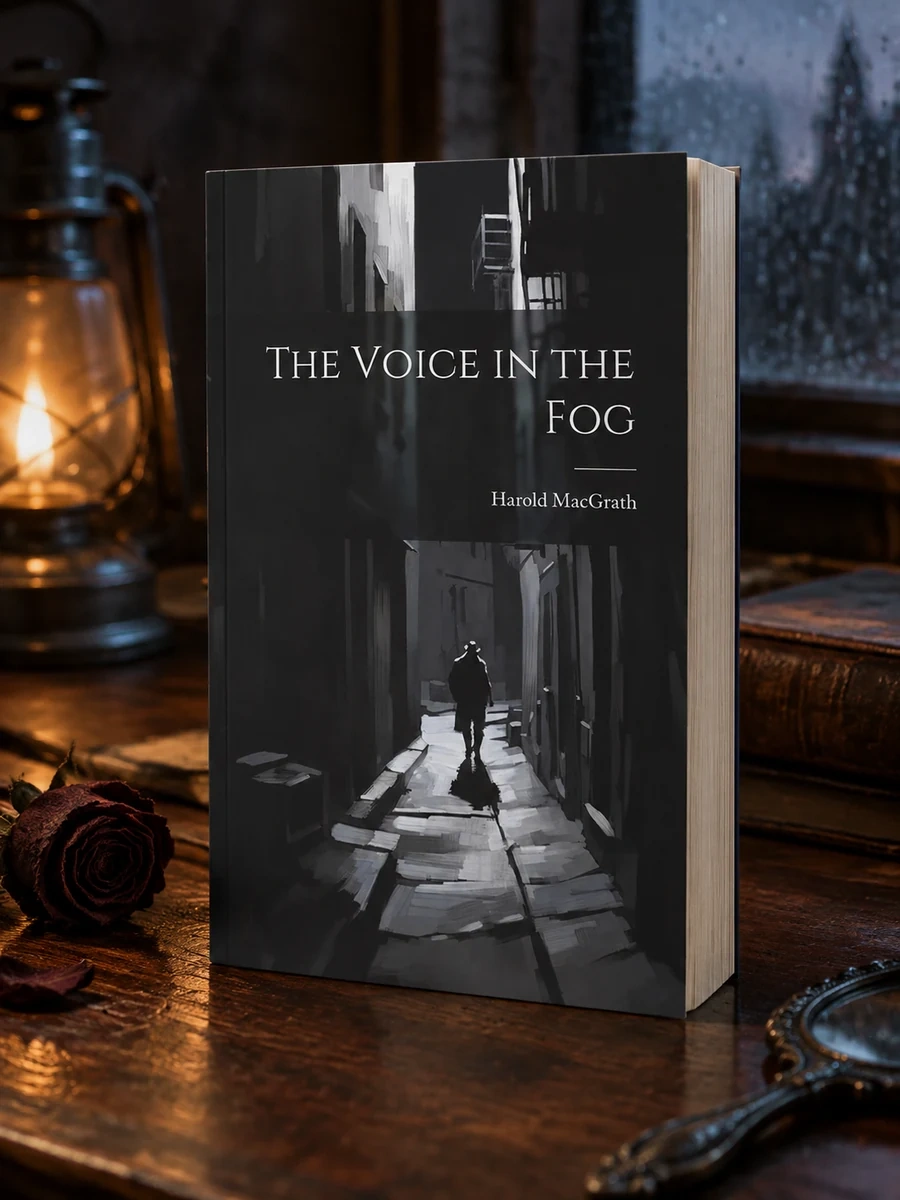
🏛 Books from this publisher Createspace Independent Publishing Platform

You might also like
See more →


Have a question about this item?
Ask about the edition, condition, delivery or anything else — we reply by email or phone, usually within a day.
