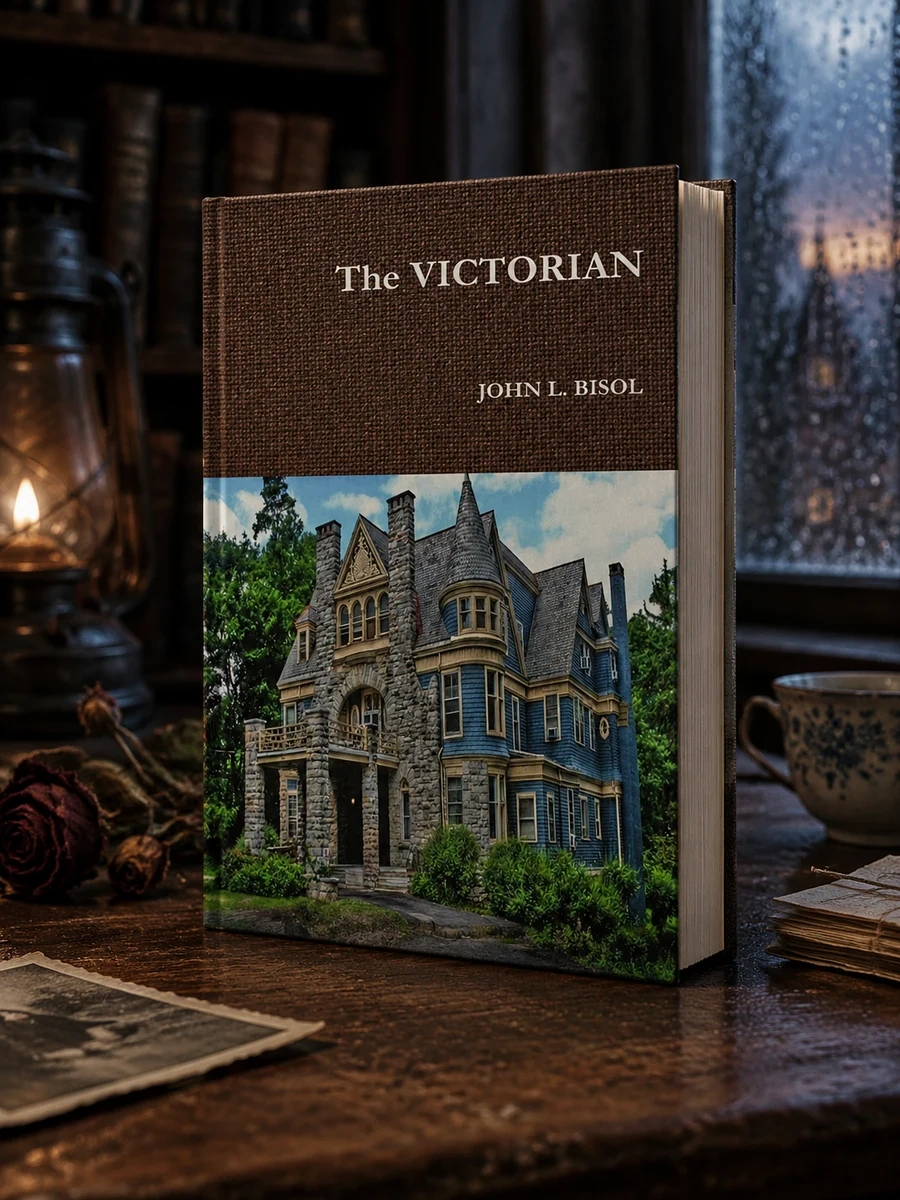
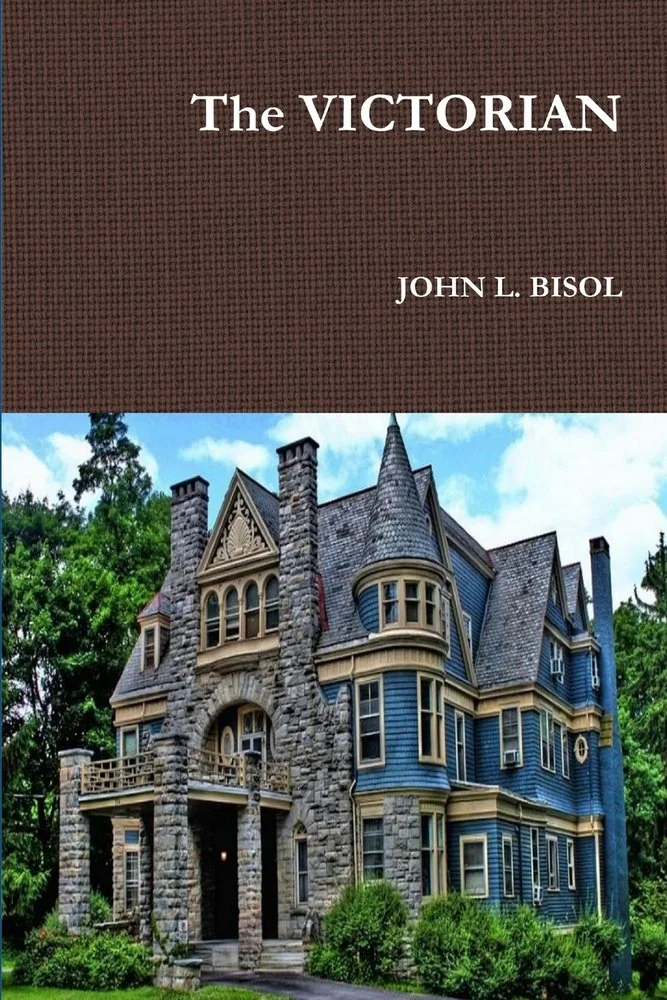
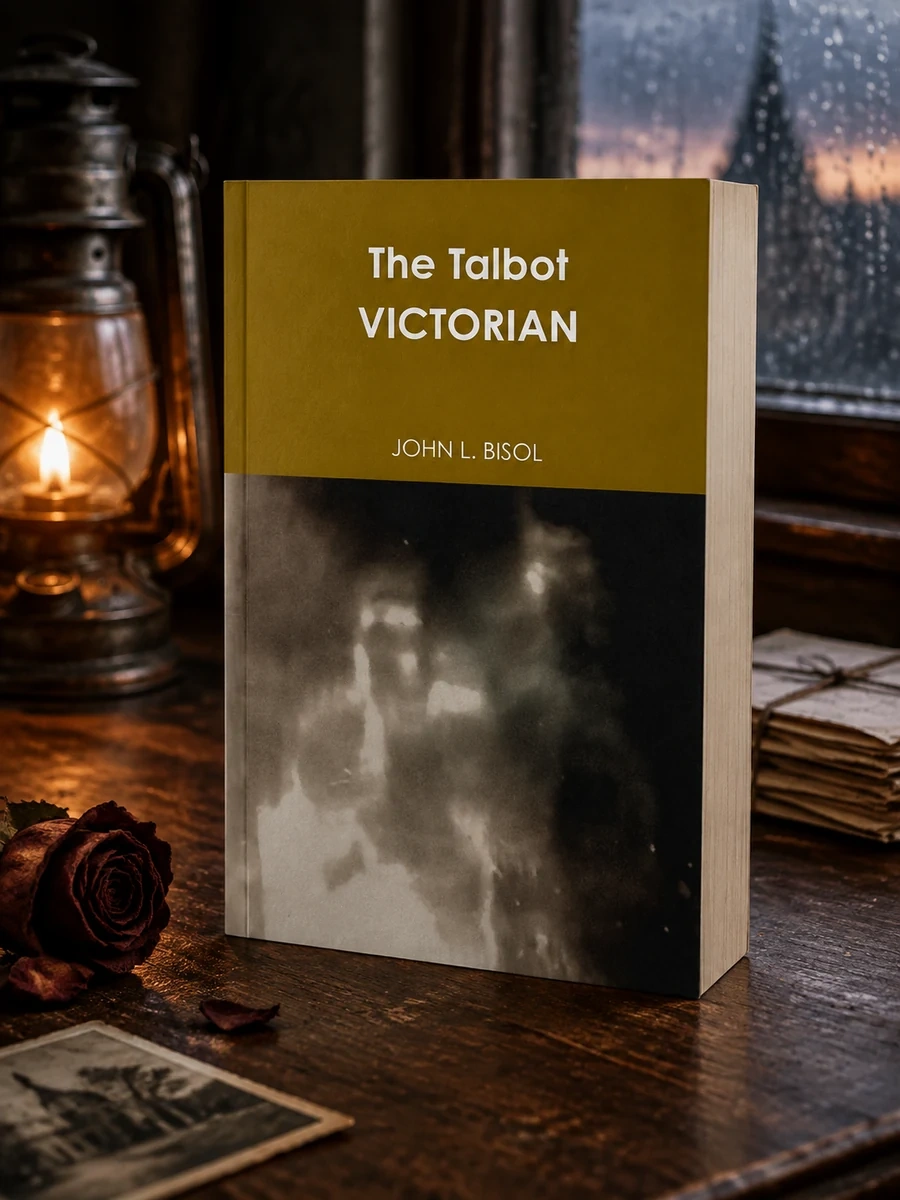
The VICTORIAN
A haunted house narrative exploring whether evil resides in walls or souls.
Bisol examines the legacy of a property called The Victorian. It has passed through many owners, each associated with negative rumors. The story questions if the haunting is supernatural or psychological. Spirits operate subtly, allowing denial, but also burst forth with violent energy that defies logic. The latest resident confronts threats requiring spiritual defense. Bisol uses gothic horror tropes to explore the persistence of evil across generations. The narrative structure follows the house through its ownership history. This approach highlights how reputation and rumor accumulate around physical spaces. The text does not offer easy resolutions or clear moral victories. Instead, it presents a continuum of influence that outlasts individual lives.
The work engages with American gothic fiction traditions focusing on haunted houses. It references the persistent cultural anxiety regarding inherited sin and property-based curses. The narrative reflects a period where skepticism toward the supernatural coexists with fear of inexplicable violence.


📝 Description: The VICTORIAN
💎 Our verdict on The VICTORIAN
📖 Why choose it
Why this book is worth reading
Readers who appreciate atmospheric tension over jump scares will find value in this exploration of a house that acts as a vessel for enduring malice. The narrative appeals to those interested in the ambiguity between psychological decay and supernatural influence, offering a study of how reputation and rumor accumulate around physical spaces. It is suitable for skeptics and believers alike, as it rigorously maintains the tension between rational dismissal and inexplicable fury without providing easy resolutions. Those who enjoy goic tropes where evil outlasts individual resistance will engage with the protagonist’s soul-threatening challenges. The book does not promise safety or heroism, making it ideal for readers seeking a continuum of influence rather than a clear moral victory in their horror fiction.
⭐ Reader reviews
Reader rating
Bisol effectively utilizes gothic traditions to examine whether malevolent forces reside within walls or the psyche. The narrative structure, tracking ownership history, highlights how rumors shape perception of evil. Spirits manifest subtly yet violently, defying logic and challenging the current owner’s sanity. This approach creates a compelling tension between skepticism and supernatural reality. The text avoids easy resolutions, presenting a haunting where the house itself is the primary antagonist. It suits readers interested in psychological dread and spectral activity within residential settings. However, it may not appeal to those seeking rational explanations for paranormal events or guaranteed happy endings. The outcome remains uncertain, leaving fate to chance rather than heroism. This ambiguity enhances the horror, ensuring the evil influences continue their cycle regardless of individual resistance, making it a poignant study of enduring malevolence.
📖 Read on the blog
✍️ More books by this author John L Bisol


🏛 Books from this publisher Lulu.com
You might also like
See more →

Have a question about this item?
Ask about the edition, condition, delivery or anything else — we reply by email or phone, usually within a day.
