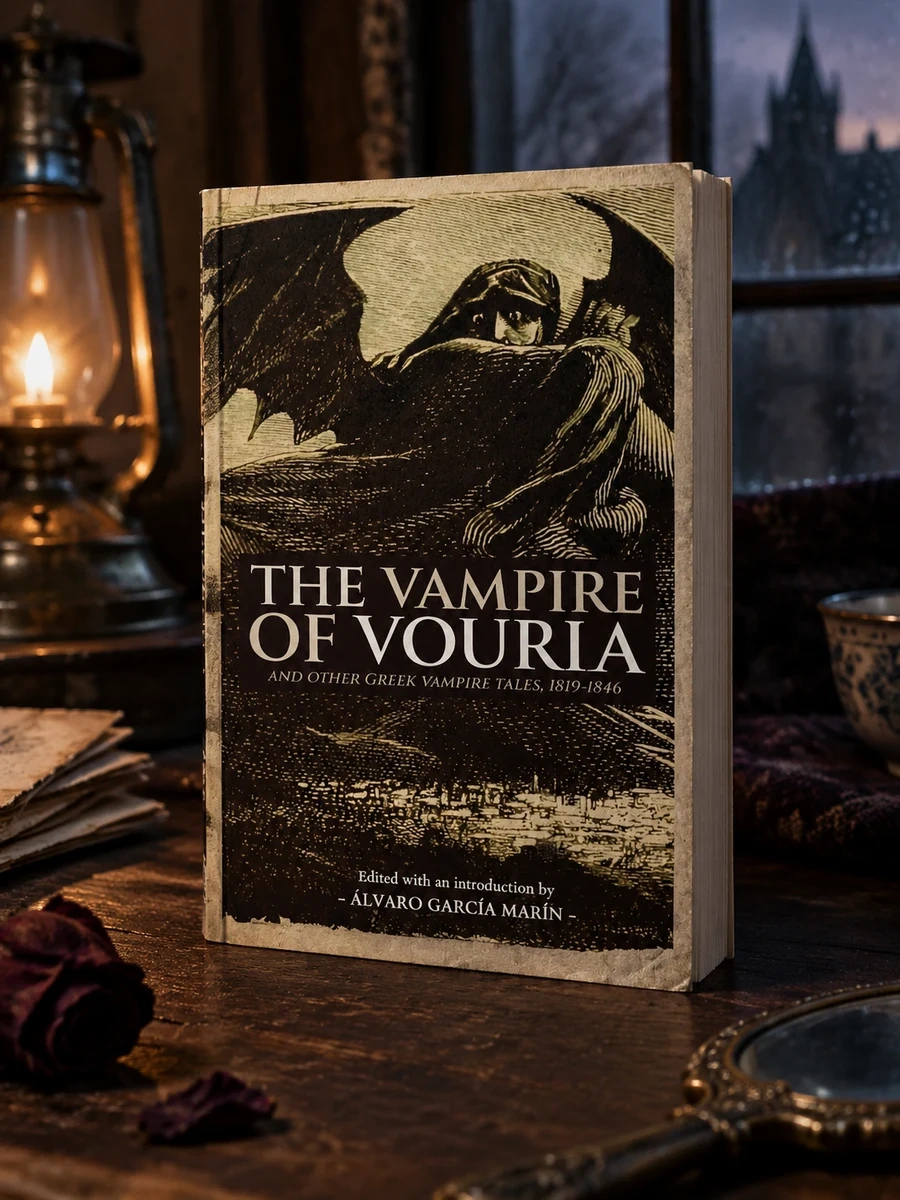
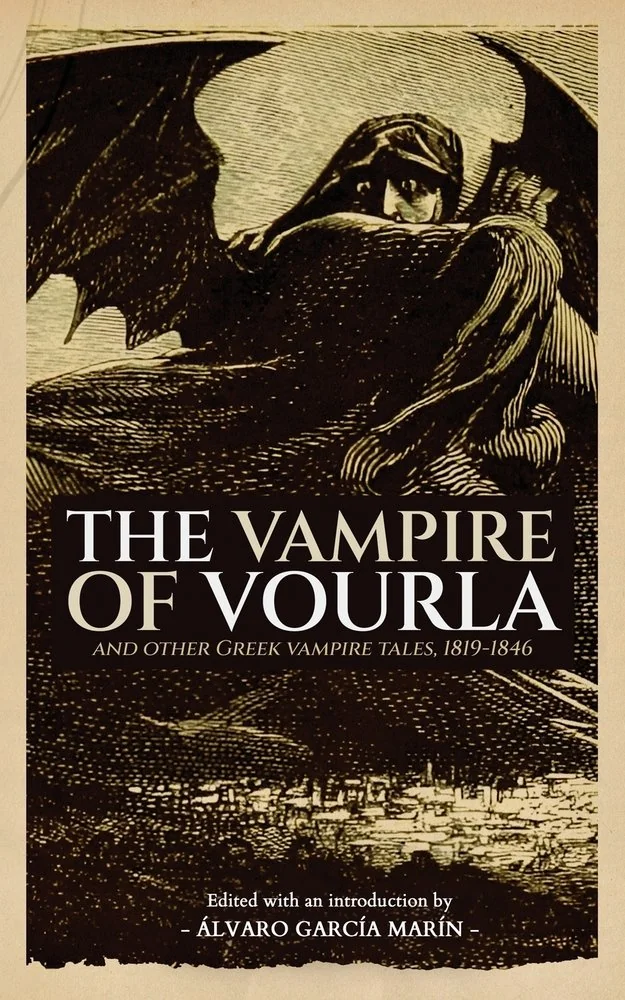
The Vampire of Vourla and Other Greek Vampire Tales, 1819-1846
A collection of early Greek vampire tales including Byron and Polidori
This volume challenges the common association of vampires with Transylvania by tracing their presence in English literature back to Greece. It features Lord Byron, a renowned poet, alongside John William Polidori in two key texts. The editor provides context for these works within the broader Romantic era. The collection also includes five additional tales from 1819 to 1846. These stories are presented alongside a scholarly introduction that explores English perceptions of Greece at the time. The arrangement allows readers to see how these narratives influenced later supernatural fiction. It is suitable for those studying literary history or the evolution of gothic themes.
The text situates these early nineteenth-century narratives within the Romantic era. It examines how English writers viewed Greece during this specific period. The collection highlights the intersection of gothic fiction and contemporary cultural perceptions of Greek heritage in England.


📝 Description: The Vampire of Vourla and Other Greek Vampire Tales, 1819-1846
💎 Our verdict on The Vampire of Vourla and Other Greek Vampire Tales, 1819-1846
📖 Why choose it
Why this book is worth reading
Scholars and enthusiasts of literary history will find significant value in this collection, which reconstructs a forgotten field of supernatural fiction by highlighting the earliest appearances of vampires in English literature. By presenting Lord Byron’s Fragment of a Novel alongside John William Polidori's The Vampyre, the book offers a clear view of genre development that is inaccessible elsewhere. Readers interested in the historical context of supernatural fiction will appreciate the scholarly introduction situating these narratives within the Romantic era and examining contemporary English attitudes toward Greece. It is essential for those seeking to understand the roots of vampire lore outside of Eastern European stereotypes, though those seeking modern horror or action-packed plots may find the focus on early nineteenth-century literary history less appealing.
⭐ Reader reviews
Reader rating
This collection excels in its scholarly approach, effectively challenging the common Transylvanian stereotype by tracing vampire lore back to Greece. The inclusion of seminal texts by Byron and Polidori provides an invaluable look at the genre's evolution during the Romantic period. The editor’s contextual introduction is particularly strong, illuminating English perceptions of Greece and the broader gothic traditions of 1819 to 1846. While it may lack the narrative drive expected by general horror fans seeking action, it stands as a vital resource for understanding the literary roots of supernatural fiction. It is best suited for readers interested in historical context, literary history, and the nuanced development of gothic themes rather than those looking for contemporary thrills.


![The Mysteries of London, Vol. I [Unabridged & Illustrated]](/img/the-mysteries-of-london-vol-i-unabridged-illustrated-40029-scene.webp)