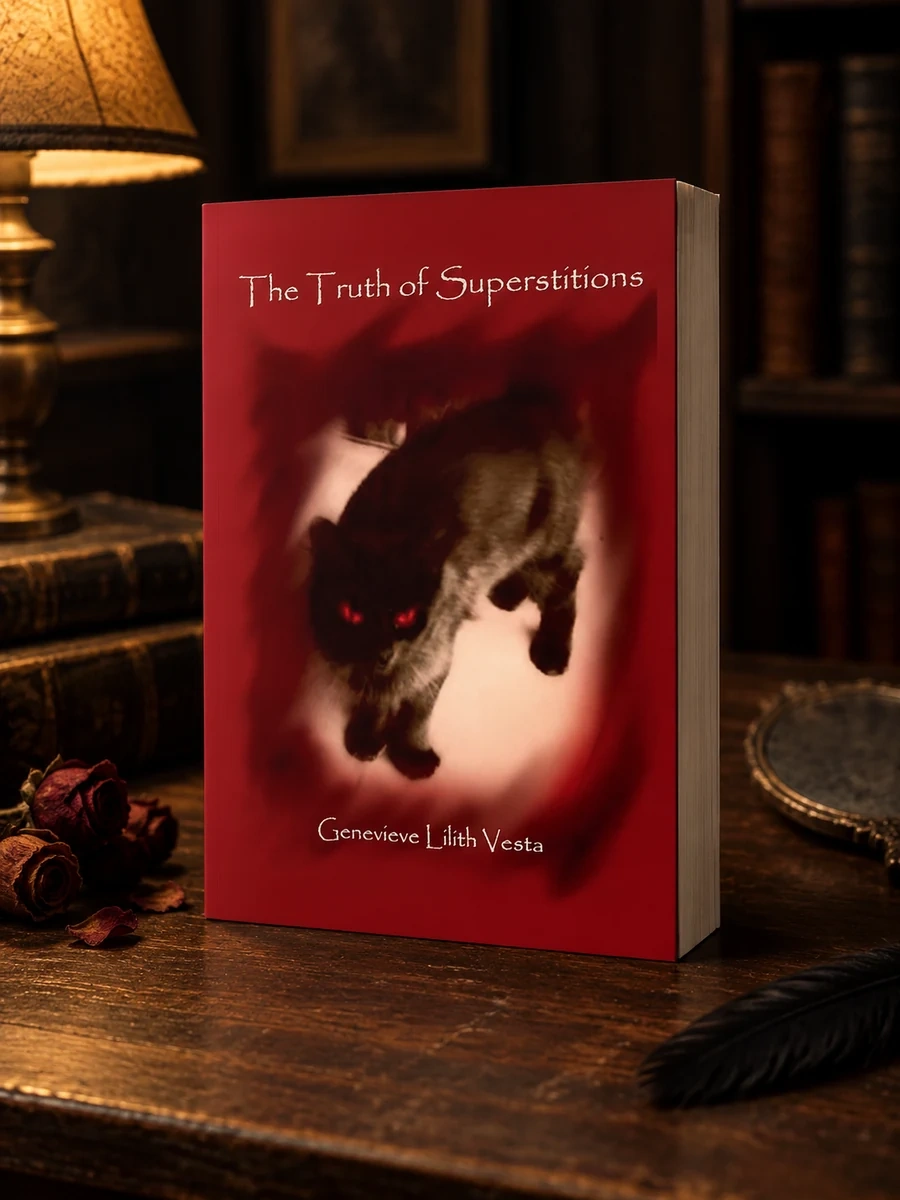
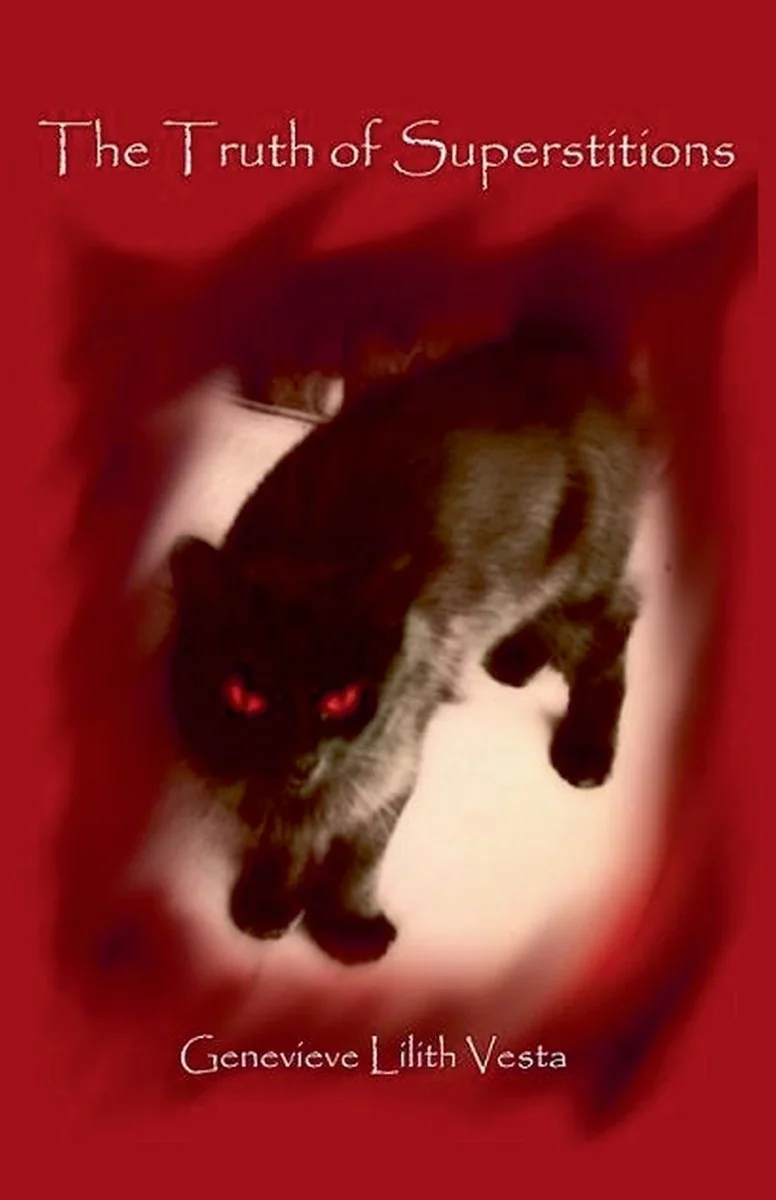
The Truth of Superstitions
A businessman faces supernatural consequences after ignoring a gypsy woman's warning about bad luck.
Tristin dismisses Adria’s warnings as nonsense until her stories reveal the harsh reality of ignored superstitions. The narrative follows his journey from skepticism to potential redemption as he confronts the tangible dangers of his actions. Vesta uses this dynamic to explore how traditional beliefs can manifest in modern life, forcing characters to reckon with forces they previously ridiculed.
The story draws on gypsy traditions and general superstitions without specifying a particular historical period or geographical location. It relies on the universal concept of bad luck associated with common taboos like walking under ladders, presented through a supernatural lens rather than academic study.


📝 Description: The Truth of Superstitions
💎 Our verdict on The Truth of Superstitions
📖 Why choose it
Why this book is worth reading
This book is ideal for readers who appreciate character-driven supernatural narratives that explore the psychological weight of belief systems. Those interested in gothic tales where traditional fears collide with modern skepticism will find value in Tristin’s journey from arrogance to potential redemption. It appeals to audiences seeking contained, intense explorations of fate rather than sprawling historical analyses. Readers who enjoy moral lessons woven into eerie storytelling will benefit from witnessing the tangible dangers that arise when warnings are ignored. The focus on the dynamic between a skeptic and a keeper of old truths provides a compelling look at how deeply ingrained cultural beliefs can influence personal destiny, offering a cautionary tale for those who underestimate the power of the unseen.
⭐ Reader reviews
Reader rating
Genevieve Lilith Vesta crafts a tight, contained exploration of fate through the clash between Tristin’s skepticism and Adria’s traditional warnings. The narrative effectively uses the gypsy woman’s tales as concrete evidence to challenge modern disbelief, creating a sense of impending doom rooted in cultural history. While it lacks extensive historical analysis, its strength lies in the psychological tension of the central relationship. The book suits readers who enjoy gothic fiction where belief systems are tested against reality. It avoids non-fiction dryness by maintaining a focus on personal consequence and eerie storytelling. Vesta succeeds in making abstract superstitions feel tangible and dangerous, offering a compelling read for fans of moralistic horror.
You might also like
See more →


Have a question about this item?
Ask about the edition, condition, delivery or anything else — we reply by email or phone, usually within a day.
