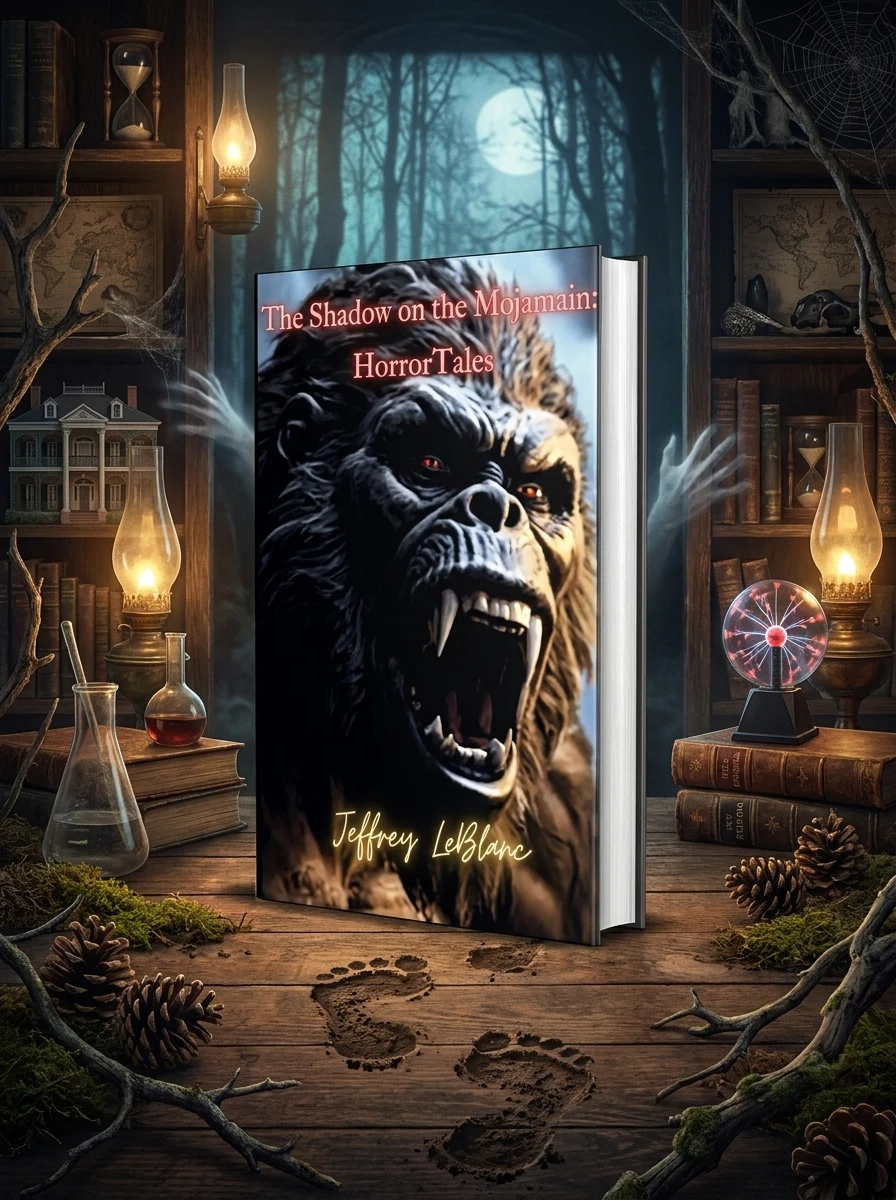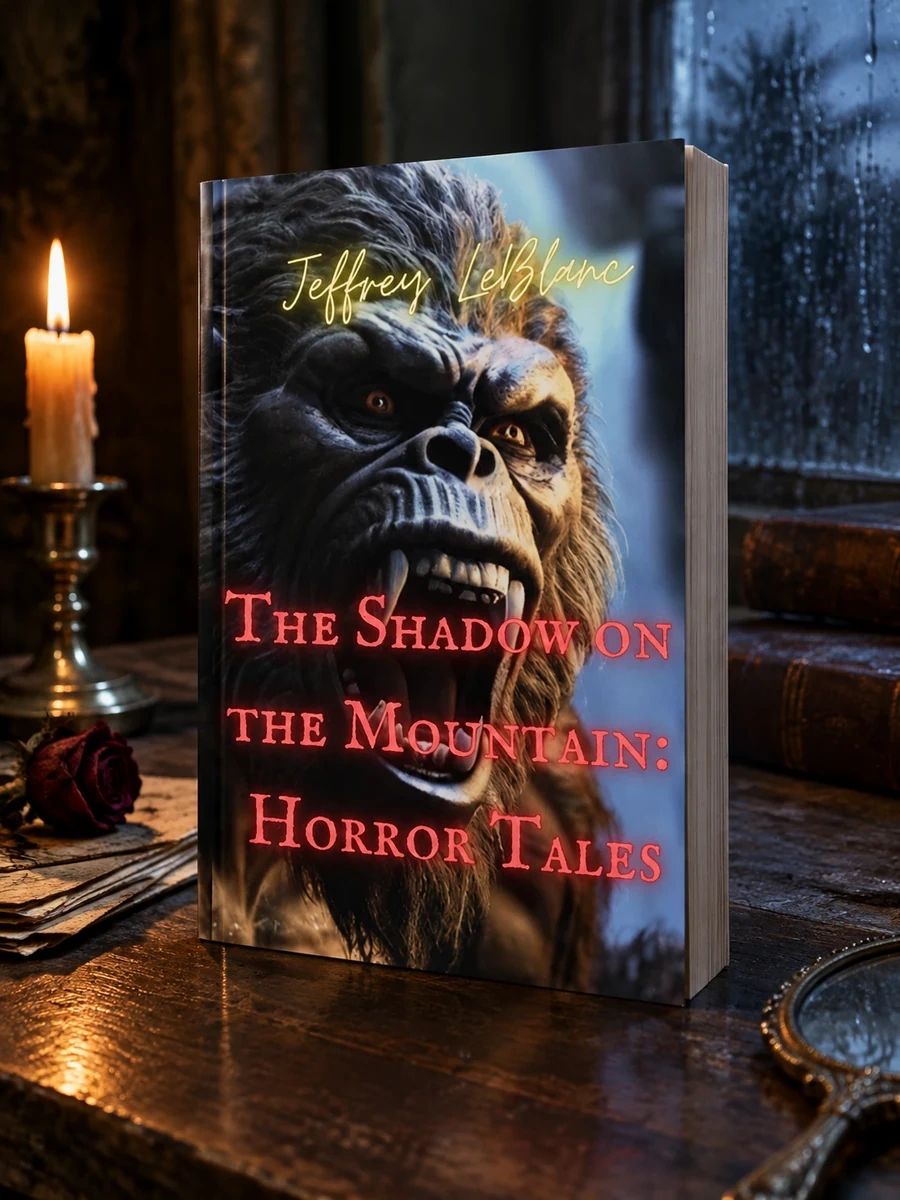
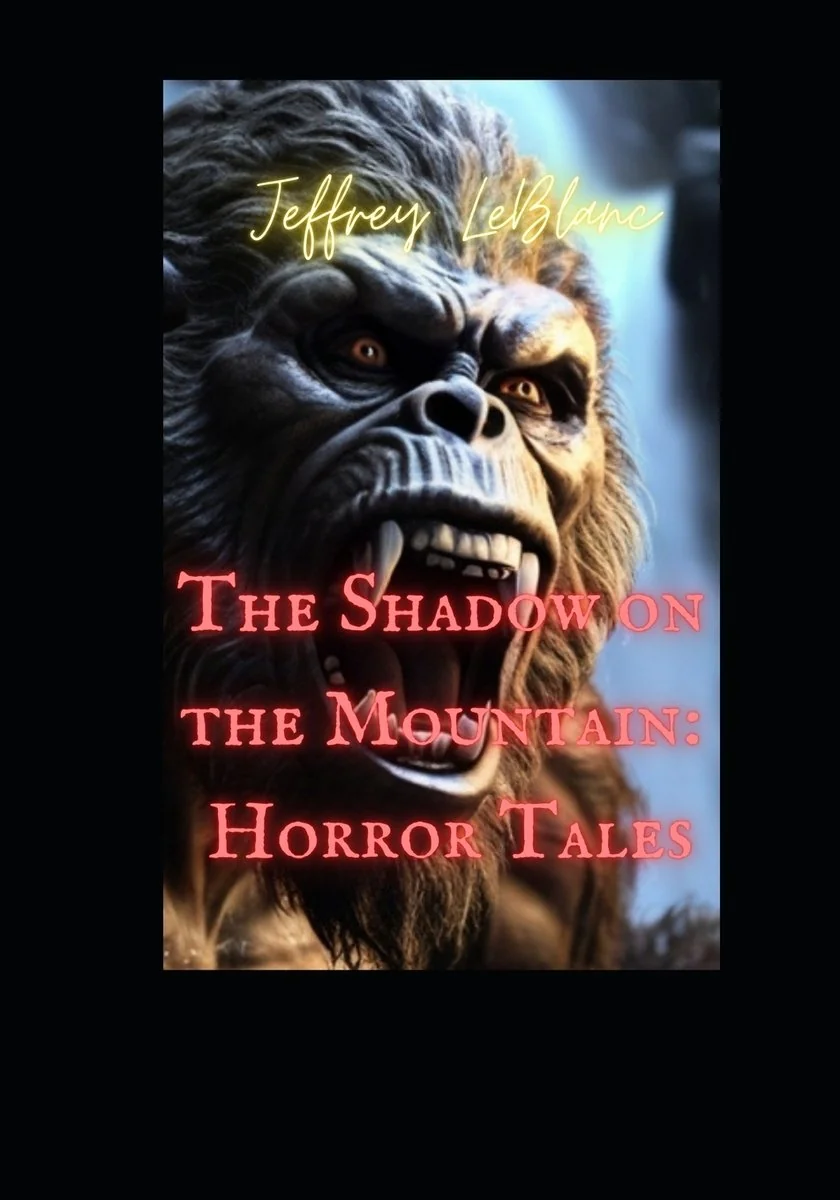
The Shadow on the Mountain: Horror Tales
A collection of horror tales by Jeffrey James LeBlanc featuring witches, ghosts, and Bigfoot.
LeBlanc uses his background to spin yarns that feel like escaped monsters seeking new victims. The narrative voice is personal, addressing the reader as a potential target for the stories' horrors. He mentions stealing souls like Thaddeus Forge, indicating a dark, theatrical style. The tales are not just random scares but structured experiences meant to leave the reader with sleepless nights. The author’s intent is to entertain through fear, making the collection a warm companion for chilly reading sessions despite its cold subject matter.
Published in 2024 by an independent publisher, this work sits within the contemporary horror fiction market. It draws on American gothic traditions and Appalachian folklore. The book targets readers seeking traditional supernatural scares in a modern format.


📝 Description: The Shadow on the Mountain: Horror Tales
💎 Our verdict on The Shadow on the Mountain: Horror Tales
📖 Why choose it
Why this book is worth reading
Readers seeking a visceral, immediate thrill will find this collection particularly rewarding. LeBlanc’s direct and personal narrative voice transforms the reading experience into an intimate encounter with danger, addressing the audience as potential targets for supernatural dread. Those who enjoy traditional horror elements—such as witches, ghosts, and cryptids like Bigfoot—will appreciate the structured tension that builds from subtle chills to physical threats. The book serves as a warm companion for chilly nights, offering genuine fear without requiring complex literary analysis. It is ideal for fans of dark fantasy and psychological horror who want to feel their blood pump and experience the chill of the supernatural in its most direct form.
⭐ Reader reviews
Reader rating
LeBlanc effectively channels the spirit of gothic atmosphere and supernatural dread through a personal, theatrical narrative style. The collection excels in creating immediate tension, moving seamlessly from moonlit forests to haunted mansions and even scientific horrors like particle accelerators. By framing stories as 'escaped monsters,' the author engages readers directly, making the fear feel personal and urgent. This approach suits those who prefer visceral scares over abstract complexity. While it lacks lightheartedness, its strength lies in its commitment to unsettling the reader through diverse, well-paced tales that blend traditional folklore with modern anxieties.