
The Reckoning
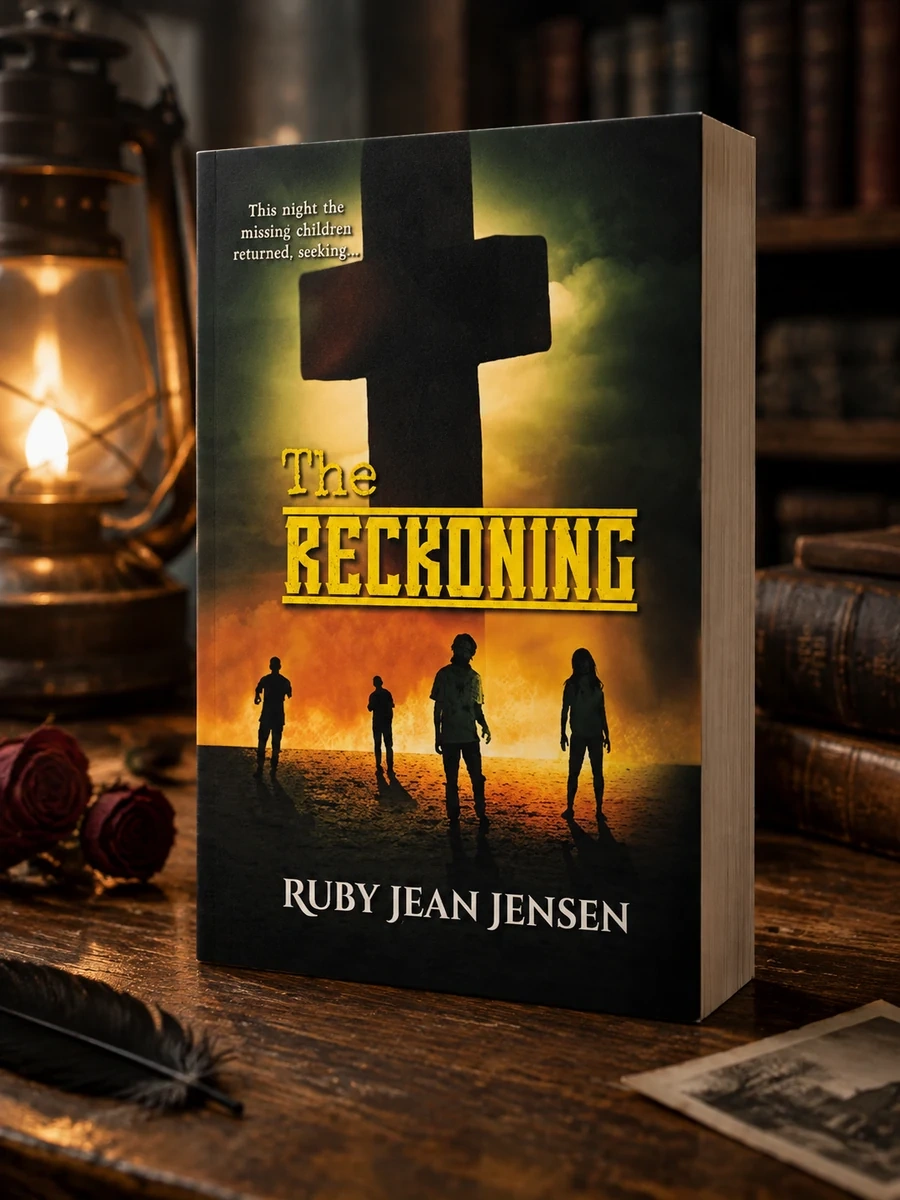
A reverend faces returning ghost children in a town hiding dark secrets.
The narrative follows Dalton Walsh as his revival meeting coincides with the earth trembling and the return of missing children. These figures appear unchanged by time, wearing old clothes and holding familiar toys. Their presence forces the community to confront crimes that were previously forgotten or ignored. Jensen uses this premise to explore themes of guilt, memory, and supernatural justice. The story does not rely on jump scares but on the slow buildup of dread as the truth emerges. Dalton’s position as a religious leader complicates his ability to manage the situation. The text focuses on the psychological impact of these events on both the reverend and the townspeople.
This 2021 publication by Gayle Jensen Foster sits within the contemporary horror genre, specifically drawing on gothic traditions of small-town secrets and religious revivalism. It reflects modern interest in revisiting past traumas through supernatural lenses.


📝 Description: The Reckoning
💎 Our verdict on The Reckoning
📖 Why choose it
Why this book is worth reading
Readers who appreciate atmospheric horror over visceral gore will find value in Jensen’s slow-building dread. The book suits those interested in moral reckoning and the psychological impact of guilt on a community. It appeals to fans of gothic traditions where supernatural elements serve as metaphors for past sins. Those who enjoy stories focusing on the intrusion of the uncanny into daily life will appreciate the serious, eerie tone. The narrative offers a compelling look at how hidden truths surface when confronted by the forgotten. It is ideal for readers seeking a thoughtful exploration of memory and justice rather than fast-paced action or modern thriller elements.
⭐ Reader reviews
Reader rating
Jensen crafts a haunting narrative where supernatural events expose deep-seated community sins. The return of unaging children serves as a powerful symbol of unresolved guilt, forcing characters to confront their pasts. The author excels at building tension through psychological impact rather than jump scares. Reverend Dalton Walsh’s struggle adds religious complexity to the unfolding mystery. This book is best suited for readers who enjoy atmospheric horror and gothic themes. Those seeking fast-paced action may find it too slow. However, fans of moral reckoning and eerie small-town settings will appreciate the serious tone and the inevitability of exposure. It is a thoughtful entry in the supernatural justice genre.