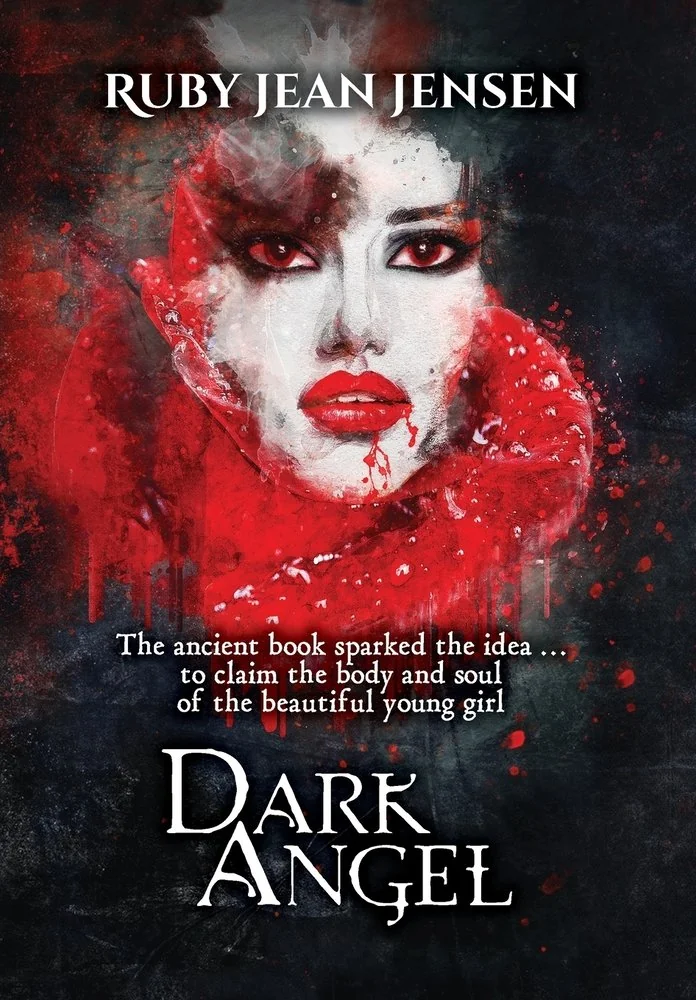
Dark Angel
A spirit steals a body to live a wanton life, only to face guilt and confrontation.
The narrative centers on Gladys Swartz, who uses occult knowledge to possess Peri Lee. This act allows her to escape death but traps her in a cycle of deception. The plot hinges on the psychological battle within the shared psyche. As the fiancé grows suspicious, the tension rises toward a final confrontation. The story explores how stolen lives unravel under the pressure of hidden truths and supernatural consequences.
Published in 2022 by Gayle Jensen Foster, this book continues the tradition of American gothic horror. It draws on early twentieth-century occult fiction tropes to explore the psychological aftermath of spiritual transgression. The work reflects a period where supernatural elements served as metaphors for internal moral conflict.


📝 Description: Dark Angel
💎 Our verdict on Dark Angel
📖 Why choose it
Why this book is worth reading
Readers drawn to psychological horror and the uncanny will find this narrative compelling for its intense focus on identity theft and moral decay. The story offers a chilling examination of suppressed desire and the consequences of violating natural boundaries through occult means. It appeals to those who enjoy suspenseful plots where the terror arises from within the mind rather than external monsters. Fans of gothic fiction seeking tales where the self dissolves under guilt will appreciate the intricate psychological battle described. This book is ideal for audiences who prefer horror that challenges the distinction between spirit and flesh, providing a tense exploration of deception and supernatural retribution.
⭐ Reader reviews
Reader rating
Jensen delivers a tense psychological horror narrative centered on the terrifying concept of stolen identity. The plot effectively builds suspense through the gradual unraveling of a possessed life, highlighting the fragility of selfhood. By focusing on the internal conflict between the spirit Gladys and the displaced soul Peri, the story creates an atmosphere of claustrophobic dread. The approach to supernatural horror is intellectual yet visceral, appealing to readers who appreciate the gothic tradition of exploring moral corruption through spiritual means. It suits those who enjoy slow-burn tension and complex character dynamics over jump scares. The narrative’s strength lies in its examination of guilt and ambition, making it a standout for fans of classic ghost stories with psychological depth.