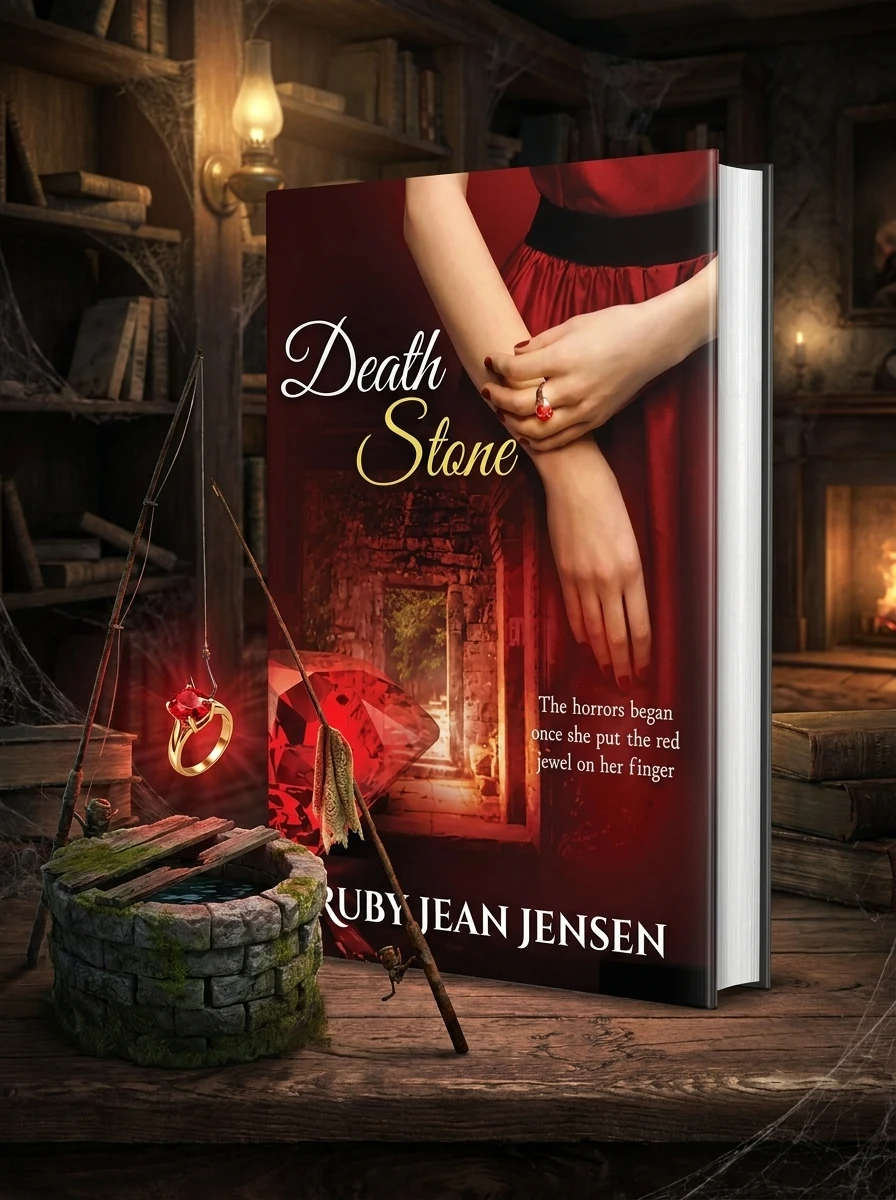
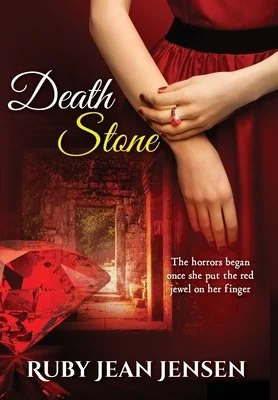
Death Stone
A gothic tale of a cursed ring driving a teenager to murder.
Jensen explores the corrosive power of possession through Greta’s experience with the red-stoned ring. The narrative examines how an external evil can exploit familial bonds and personal vulnerabilities. It details the psychological erosion of a young woman as she fights against whispered commands. The story highlights the ambiguity of guilt when supernatural forces are involved. Jensen uses the well as a focal point for uncovering buried secrets and generational trauma.
Published in 2021 by Gayle Jensen Foster, this work sits within the contemporary American horror tradition. It revives classic gothic motifs of wells and rings for modern audiences. The story reflects ongoing cultural fascinations with inherited trauma and the supernatural influence on daily life.


📝 Description: Death Stone
💎 Our verdict on Death Stone
📖 Why choose it
Why this book is worth reading
Readers who appreciate the slow-burn tension of psychological horror will find this narrative compelling. It offers a deep dive into the fragility of the human mind when confronted with supernatural pressure, making it ideal for those interested in how ancient evils manifest through subtle manipulation rather than overt monsters. The book suits fans of cursed artifact tales who enjoy mysteries that prioritize atmosphere and internal struggle over jump scares. It provides a nuanced examination of guilt and possession, appealing to those who like stories where the horror stems from the corruption of familial bonds and personal vulnerabilities. This is for readers who want to witness the gradual unraveling of a protagonist’s sanity as they fight against whispered commands and buried secrets.
⭐ Reader reviews
Reader rating
Jensen effectively utilizes the gothic tradition of the cursed ring to drive a chilling narrative about psychological erosion. The story excels in portraying Greta’s internal battle, balancing her conscious denial with subconscious actions to create genuine dread. By focusing on the ambiguity of guilt and the corrosive power of possession, the text avoids cliché supernatural tropes in favor of a more intimate, mental horror. The pacing is deliberate, allowing the tension between the discovery of the well and the subsequent murder to build naturally. It appeals most to readers who enjoy atmospheric mysteries where the horror is rooted in psychological manipulation and generational trauma rather than external threats.