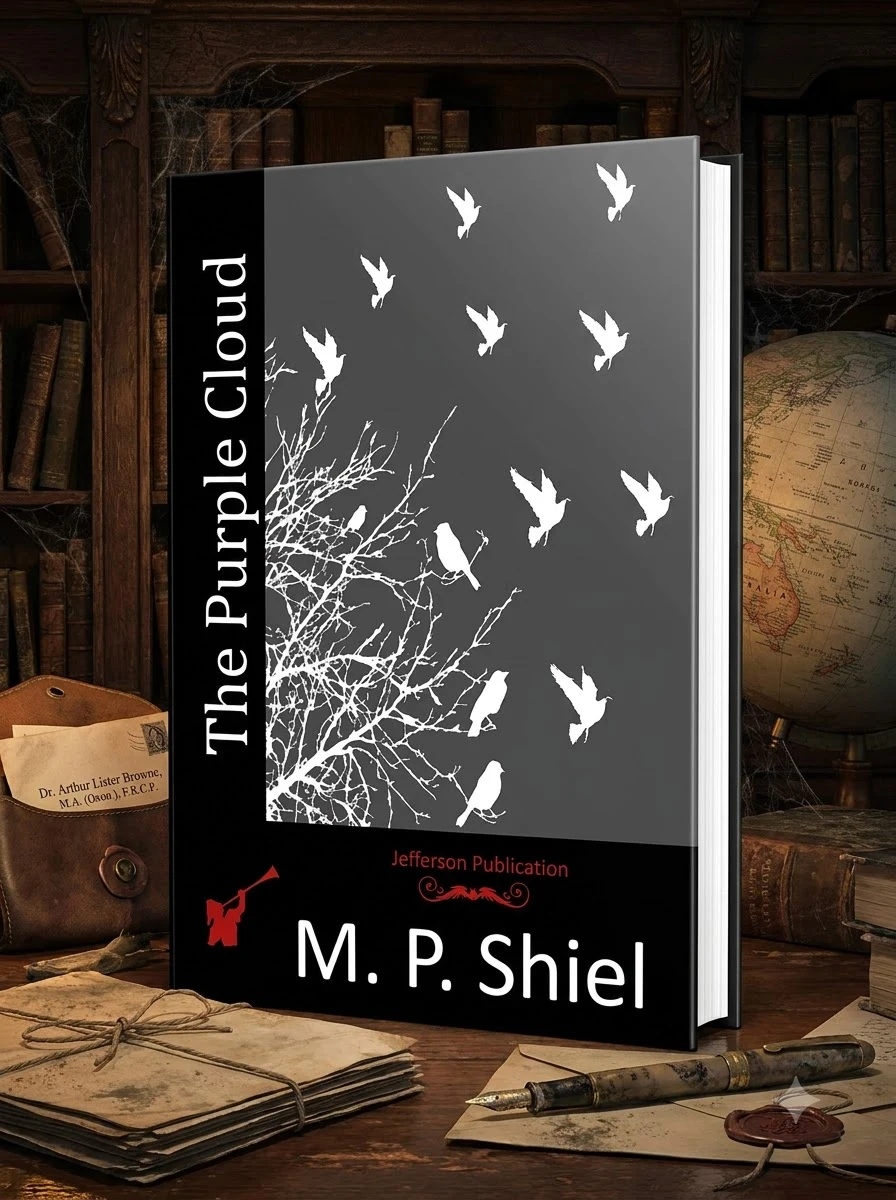
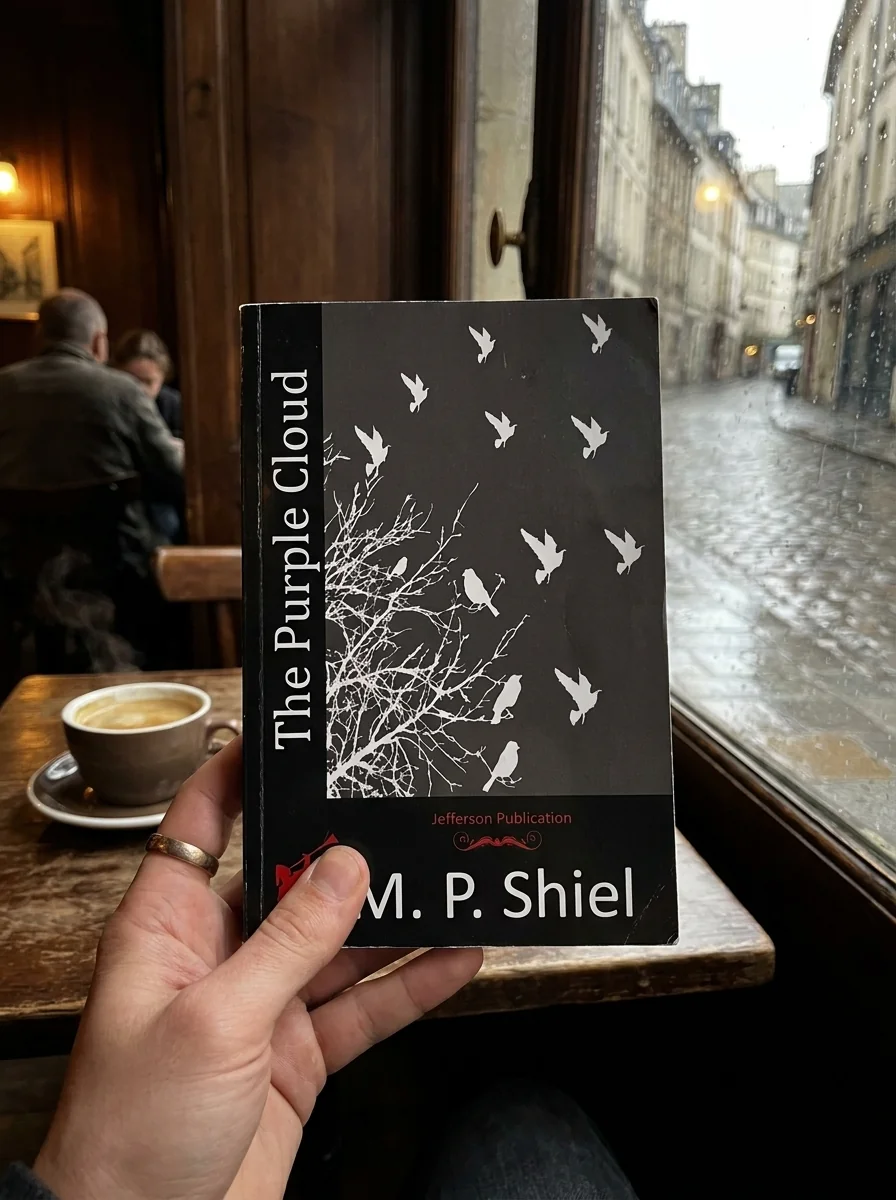
The Purple Cloud
A first-person account of receiving papers from a friend during a mysterious global event in 1900.
The narrative opens with the narrator examining documents sent by Dr. Arthur Lister Browne. This exchange occurs after two years spent in France, highlighting the physical separation between the writer and his Norfolk-based colleague. The story does not begin with the disaster itself but with its aftermath as recorded in Browne’s papers. Shiel uses this device to create an intimate perspective on a large-scale catastrophe. The text is organized around the interpretation of these specific documents rather than direct observation of the initial event. This approach allows for a detailed examination of personal grief and confusion amidst chaos. The reader follows the narrator as he pieces together the truth from Browne’s writings. The focus remains tightly on the relationship between the two men and the significance of the papers they share.
The story is set in 1900, specifically mentioning late May. It reflects early twentieth-century anxieties about sudden global change. The text emerges from a time when medical professionals like Browne were central figures in society. Shiel writes from the perspective of someone disconnected from London, reflecting the geographical and social divides of that era.


📝 Description: The Purple Cloud
💎 Our verdict on The Purple Cloud
📖 Why choose it
Why this book is worth reading
Readers who appreciate the psychological depth of survival narratives and the atmospheric tension of early science fiction will find this volume compelling. It offers a unique perspective on disaster through the intimate lens of personal correspondence rather than immediate action. Those interested in how isolation affects the human mind during societal collapse will gain insight into the protagonist's grief and confusion. The book is ideal for those who value literary structure and epistolary formats over fast-paced plot progression. It provides a contemplative look at the aftermath of catastrophe, appealing to fans of gothic literature who enjoy piecing together truth through fragmented documents and personal loss.
⭐ Reader reviews
Reader rating
The narrative effectively utilizes its epistolary framework to create an intimate connection with the reader, focusing on the emotional weight of receiving papers from a distant friend. Shiel’s choice to start in the aftermath allows for a nuanced exploration of grief and isolation, distinguishing it from standard disaster tales. While it may lack the scientific rigor or action sequences expected by modern audiences, its strength lies in its atmospheric tension and psychological realism. It suits readers who prefer slow-burn horror and literary speculation over visceral thrills. The focus on personal correspondence amidst global chaos offers a refreshing, albeit melancholic, take on the apocalypse.
📖 Read on the blog
✍️ More books by this author M P Shiel



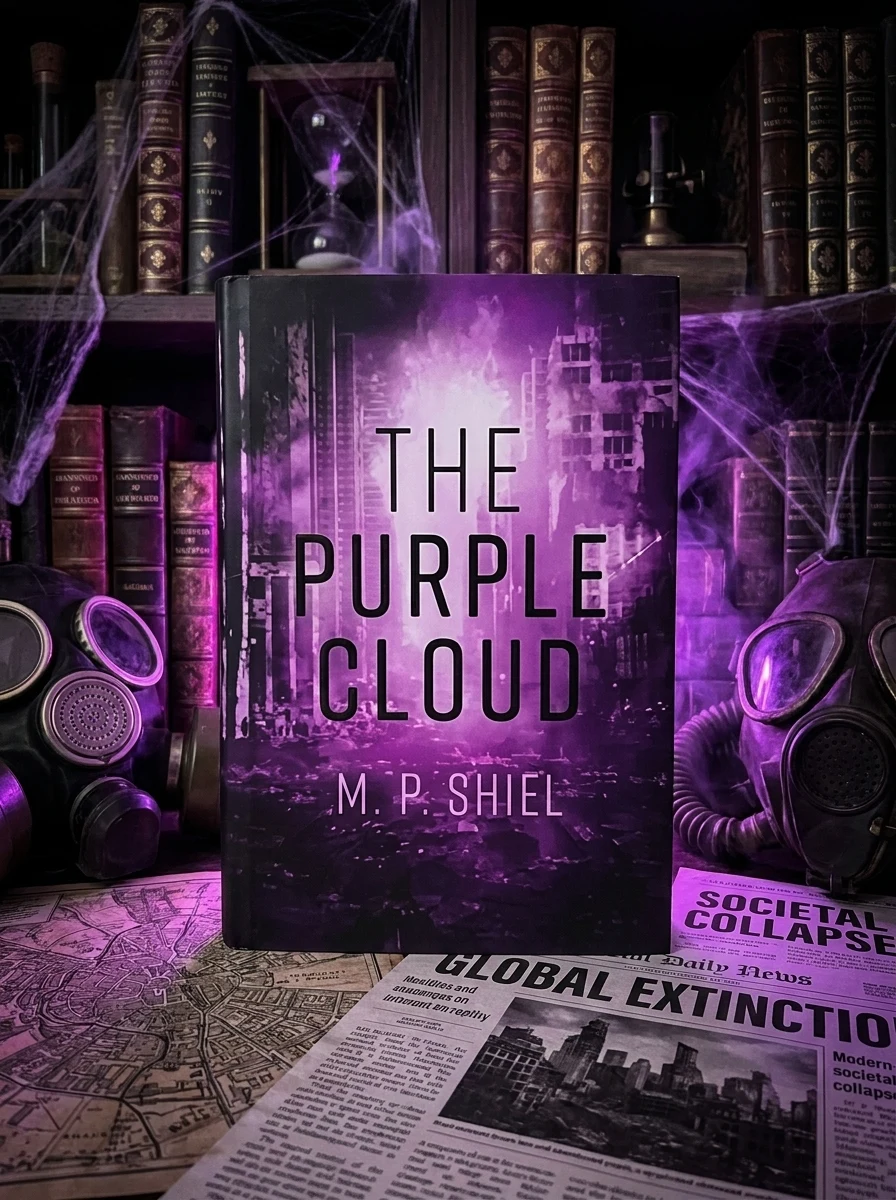
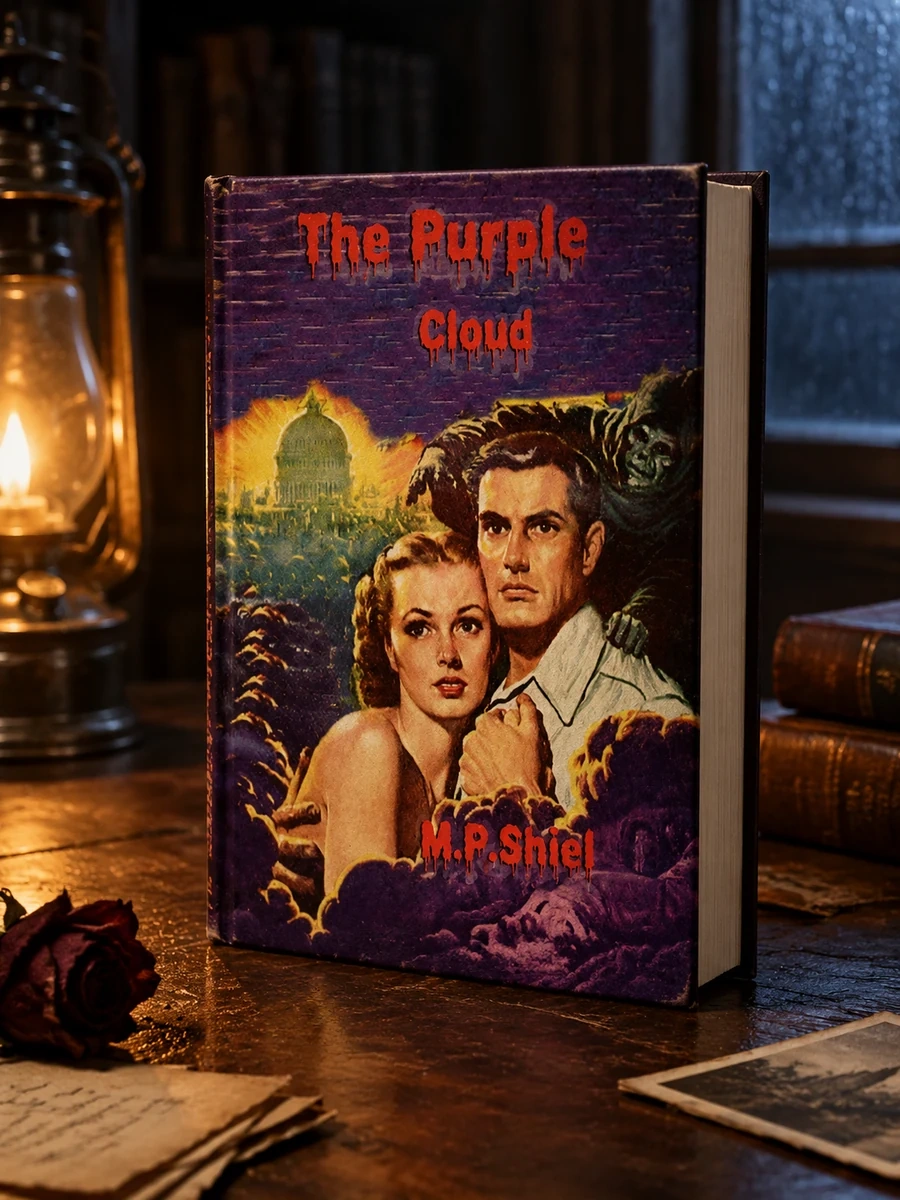
🏛 Books from this publisher Createspace Independent Publishing Platform
You might also like
See more →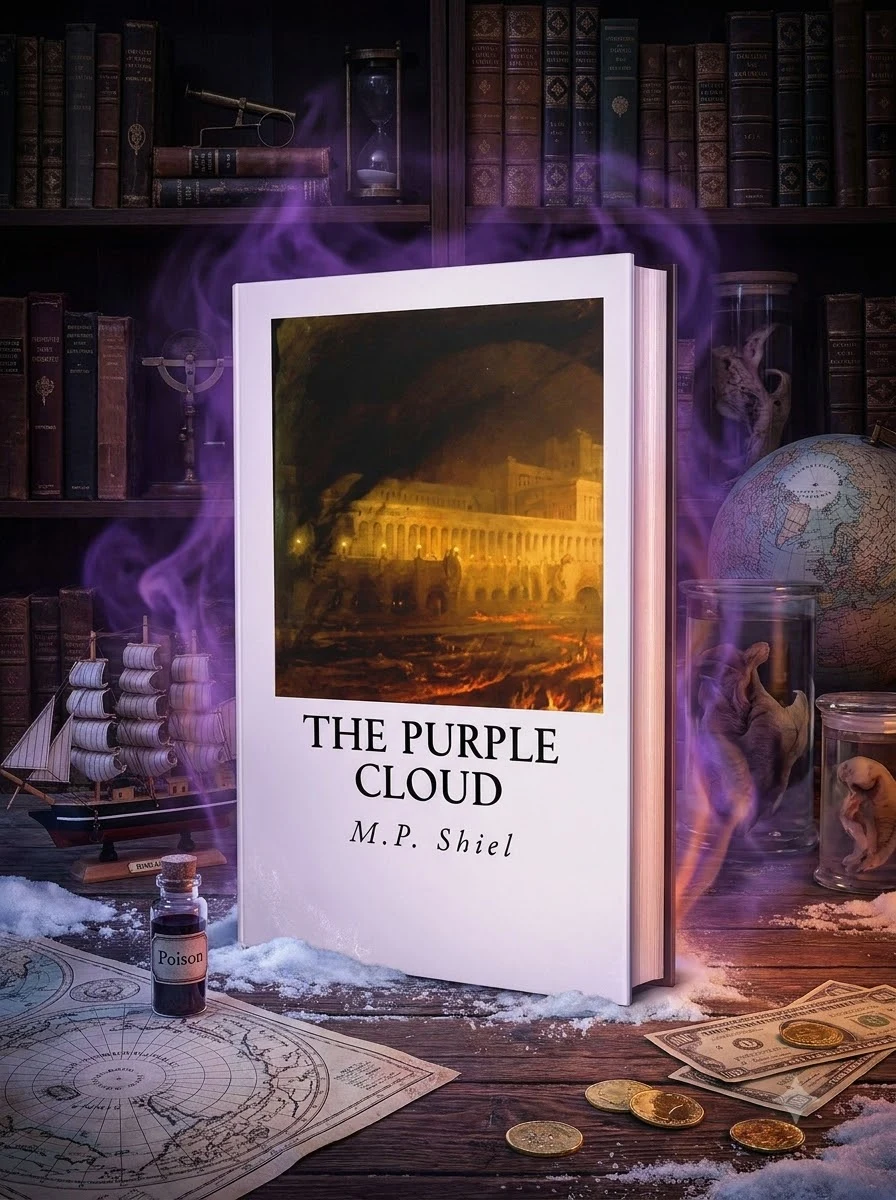


Have a question about this item?
Ask about the edition, condition, delivery or anything else — we reply by email or phone, usually within a day.
