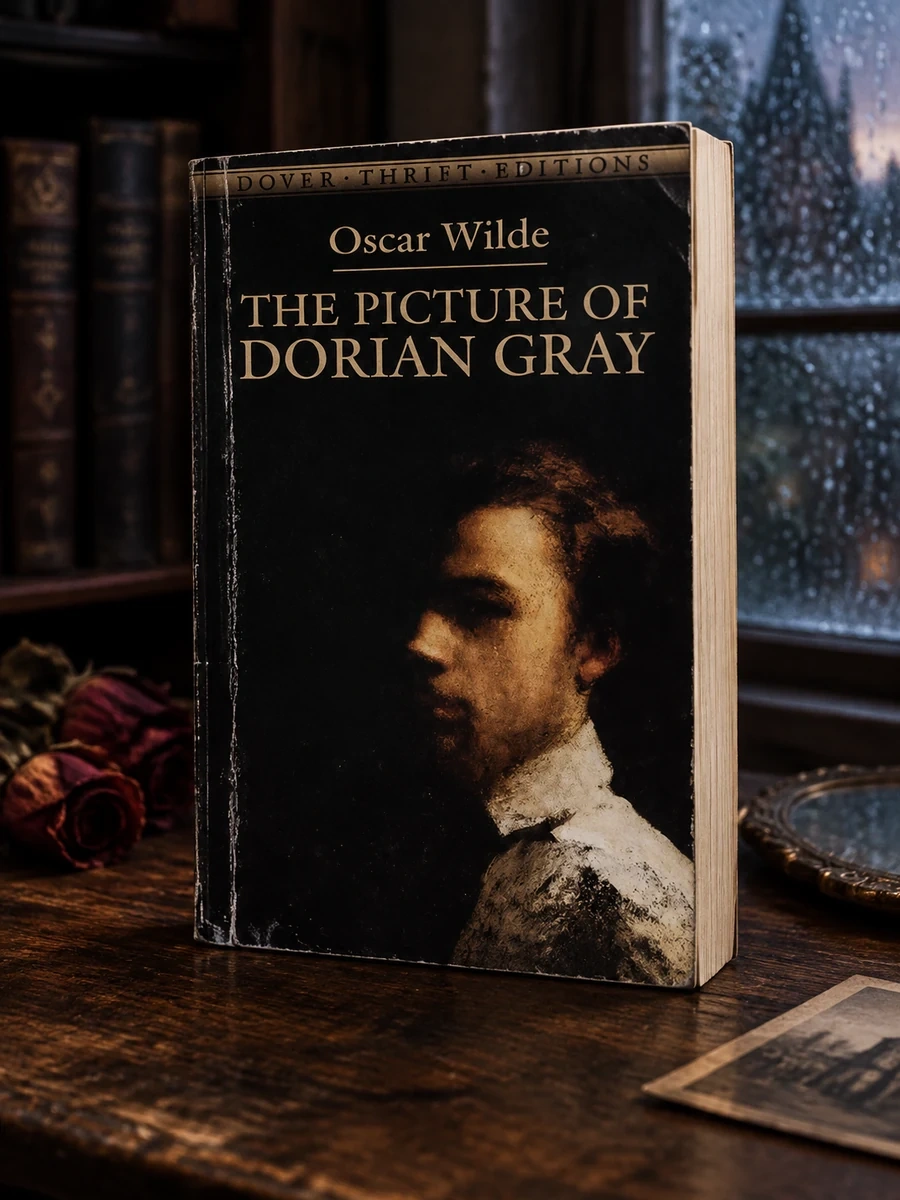

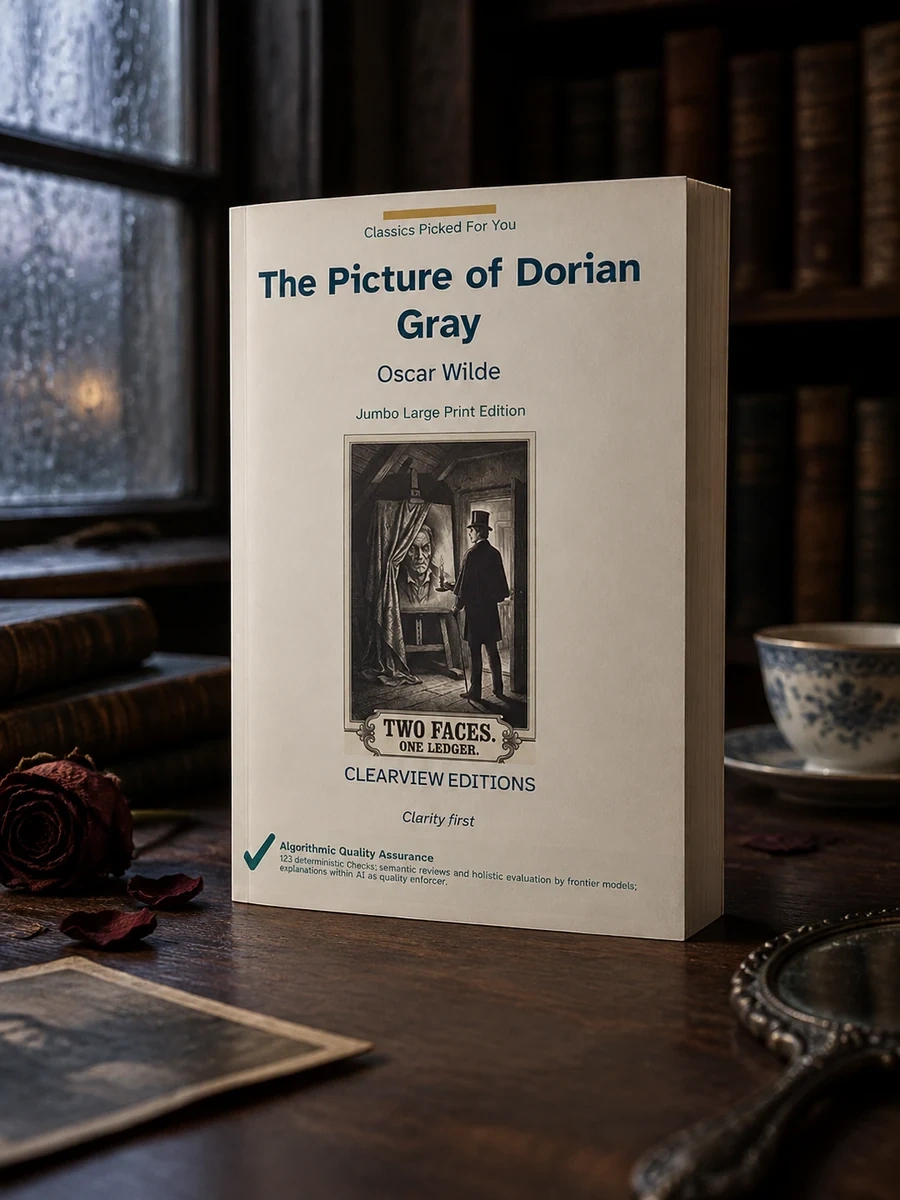
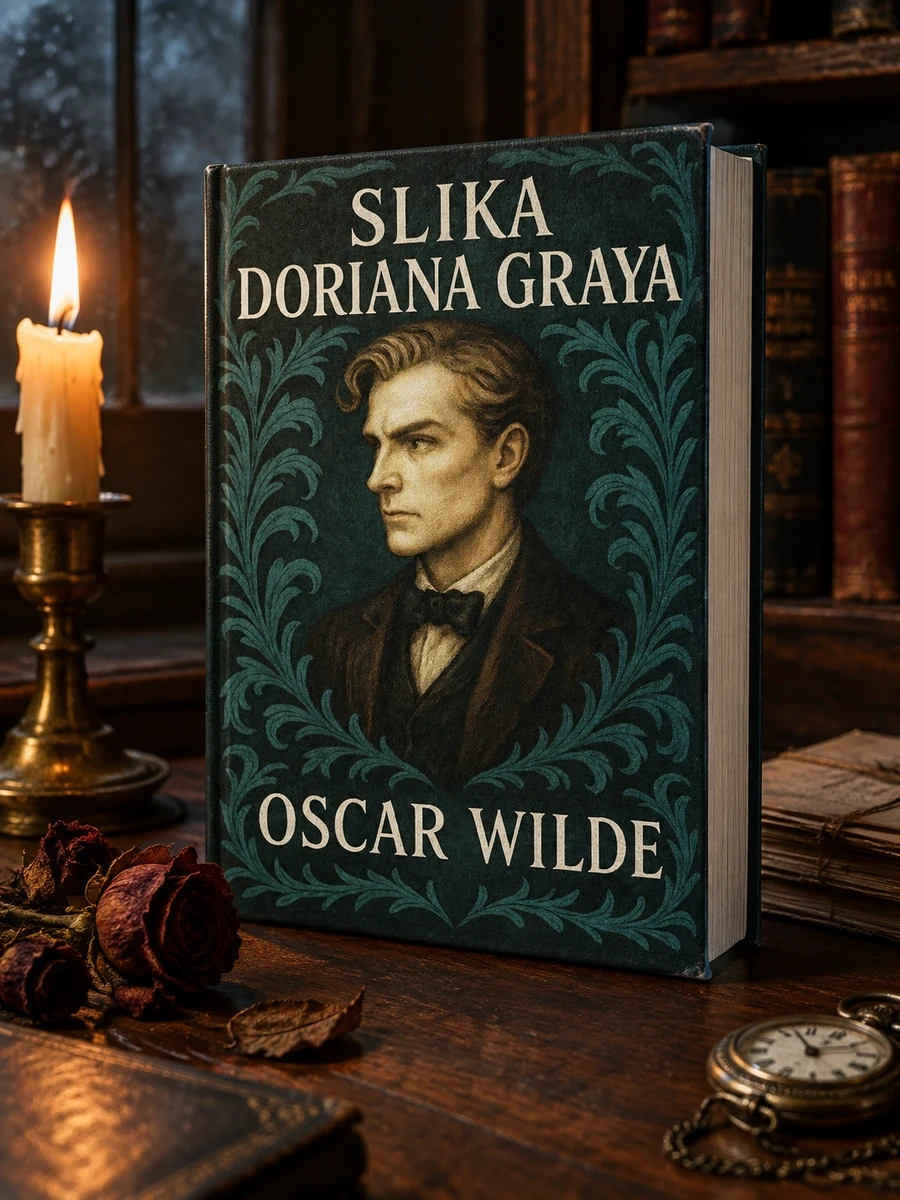
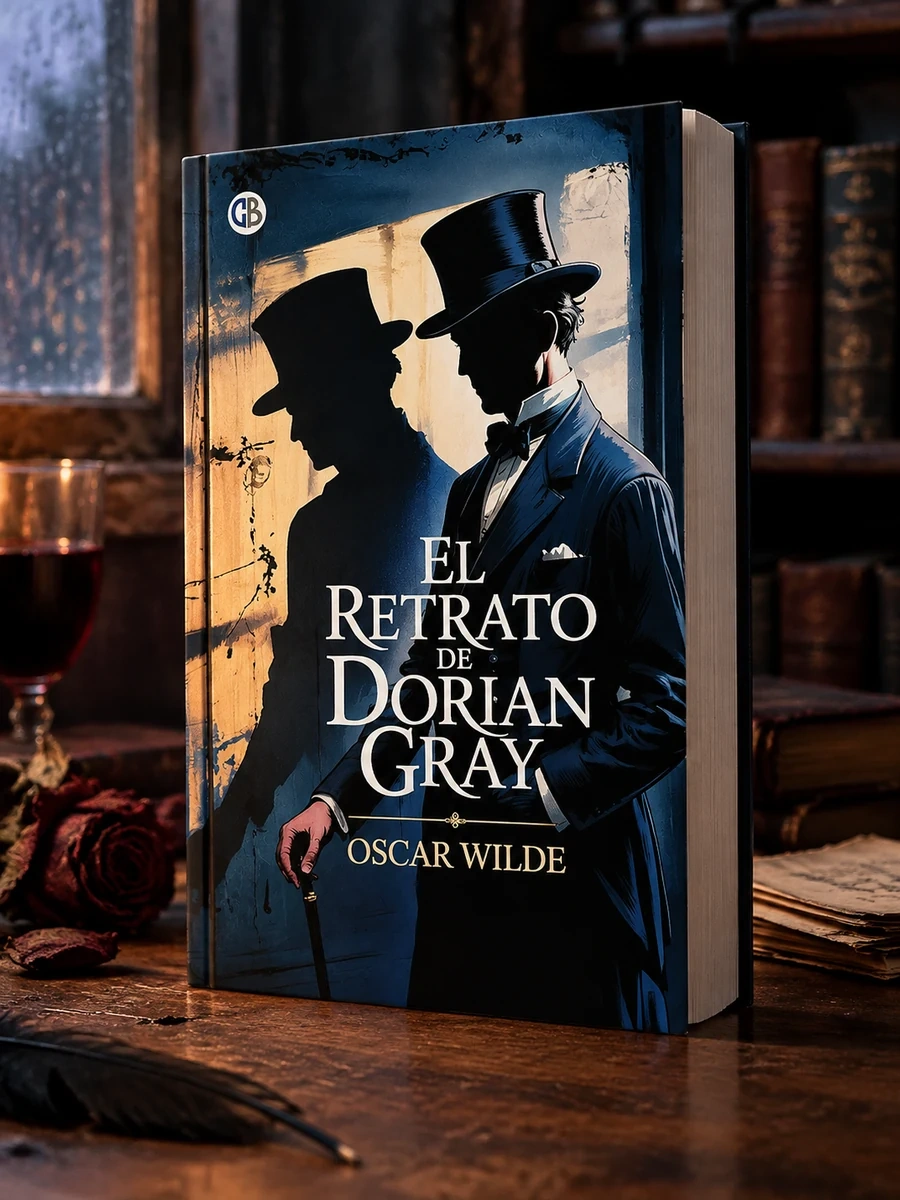
The Picture of Dorian Gray
A portrait ages while its subject remains young in this gothic tale of moral decay.
Wilde’s narrative focuses on a man whose physical appearance never changes despite his increasingly wicked actions. The central mechanism is the painting that records every sin, serving as a visual diary of guilt. This setup allows Wilde to critique Victorian society’s obsession with surface-level virtue. The story unfolds through the protagonist’s interactions with various figures who influence his path. Each relationship deepens his isolation and moral confusion. The novel does not offer redemption but rather a stark examination of consequences. Readers will observe how art and morality intersect in dangerous ways.
Oscar Wilde was an Irish writer who published this philosophical novel in the late nineteenth century. The work first appeared in Lippincott’s Monthly Magazine before expanding into a full novel, reflecting the gothic and supernatural fiction traditions of that era.


📝 Description: The Picture of Dorian Gray
💎 Our verdict on The Picture of Dorian Gray
📖 Why choose it
Why this book is worth reading
Readers interested in psychological horror and moral philosophy will find this work compelling due to its stark examination of consequences. It suits those who appreciate character-driven drama and ethical dilemmas over straightforward adventure. The narrative allows audiences to observe how art and morality intersect in dangerous ways, offering a deep dive into the tension between appearance and reality. While it may be too heavy for those seeking lighthearted romance, it provides a unique perspective on how unchecked indulgence erodes the soul. This book is ideal for individuals who enjoy tracking the gradual descent of a protagonist into depravity through supernatural means.
⭐ Reader reviews
Reader rating
Wilde crafts a compelling narrative that traces moral decay through a supernatural bargain, contrasting external beauty with internal corruption. The text effectively examines the tension between appearance and reality, showing how a single image can bear the weight of a life lived without conscience. This approach draws on gothic traditions to explore the consequences of aestheticism in a way that feels both timeless and sharply relevant. Readers seeking clear-cut moral resolutions or action-packed plots may find the tone too heavy. However, those drawn to character-driven drama will appreciate the intricate exploration of guilt and isolation. The story offers no redemption, providing instead a stark and thought-provoking look at the erosion of the soul through unchecked indulgence.
📖 Read on the blog
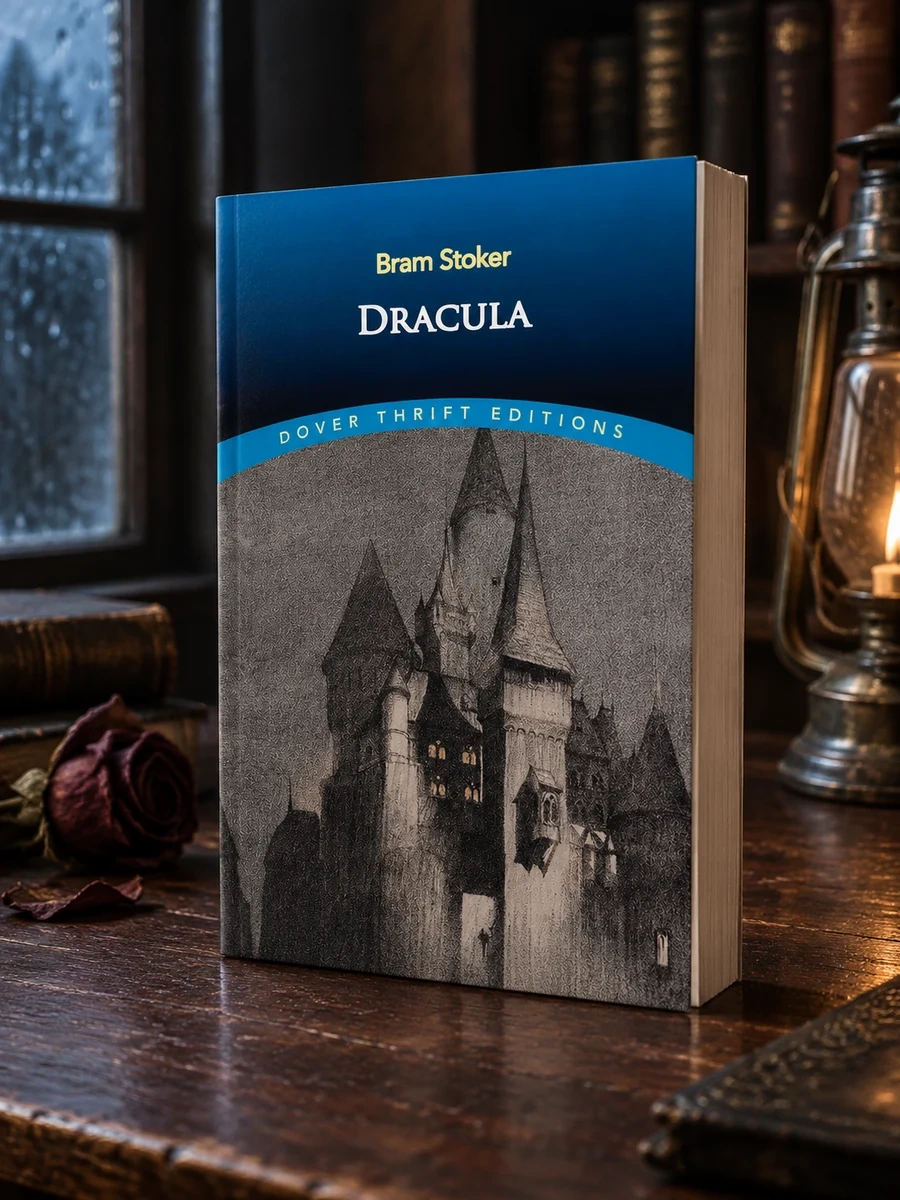
📖 From the series “Dover Thrift Editions: Classic Novels”




✍️ More books by this author Oscar Wilde
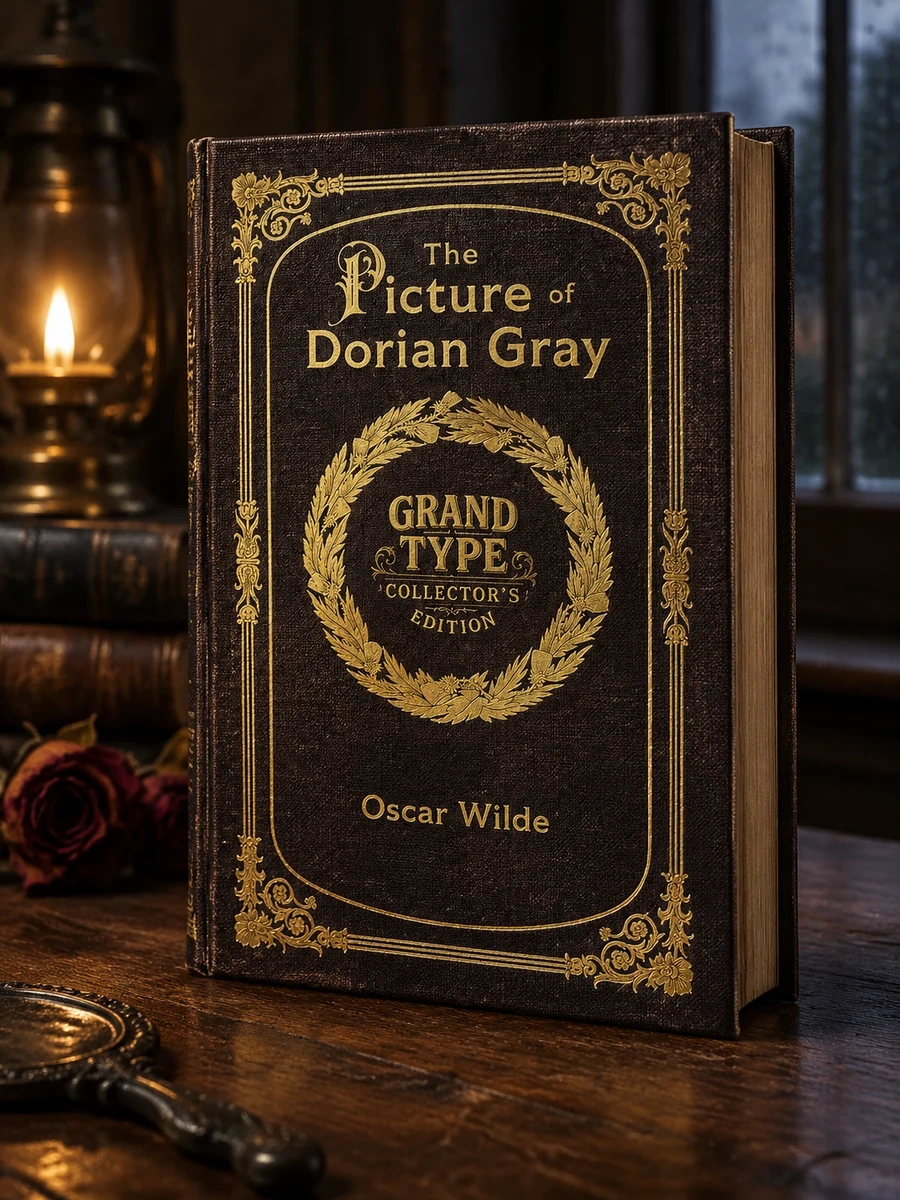
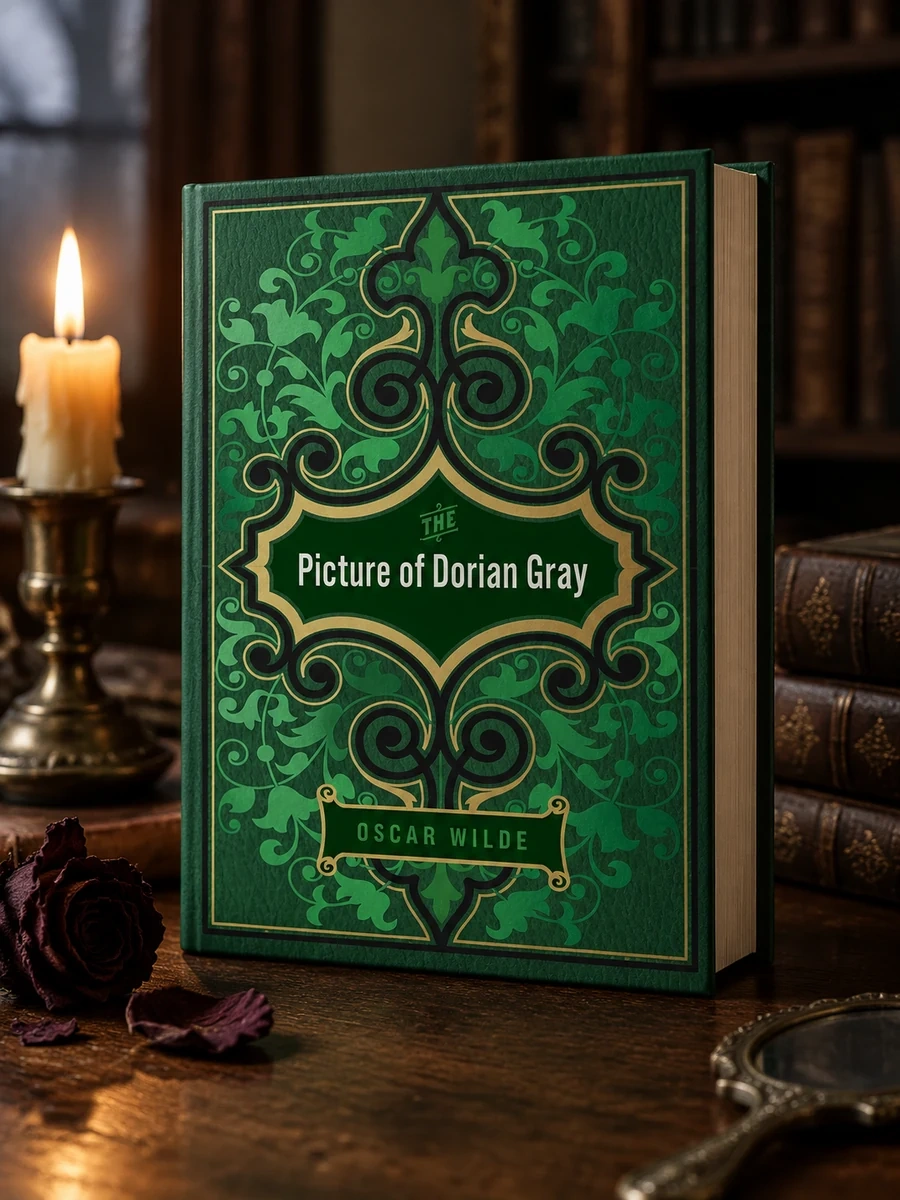
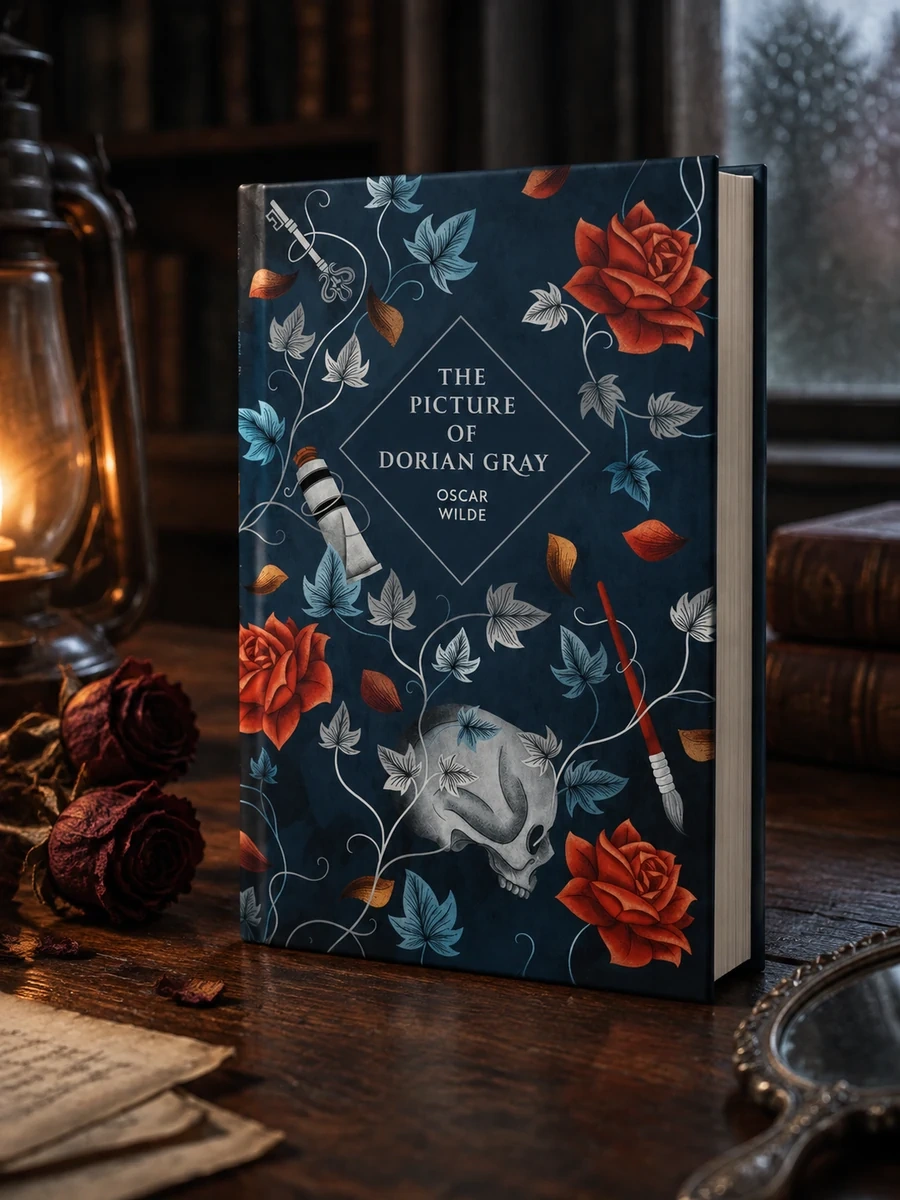
🏛 Books from this publisher Dover Publications

You might also like
See more →


Have a question about this item?
Ask about the edition, condition, delivery or anything else — we reply by email or phone, usually within a day.
